
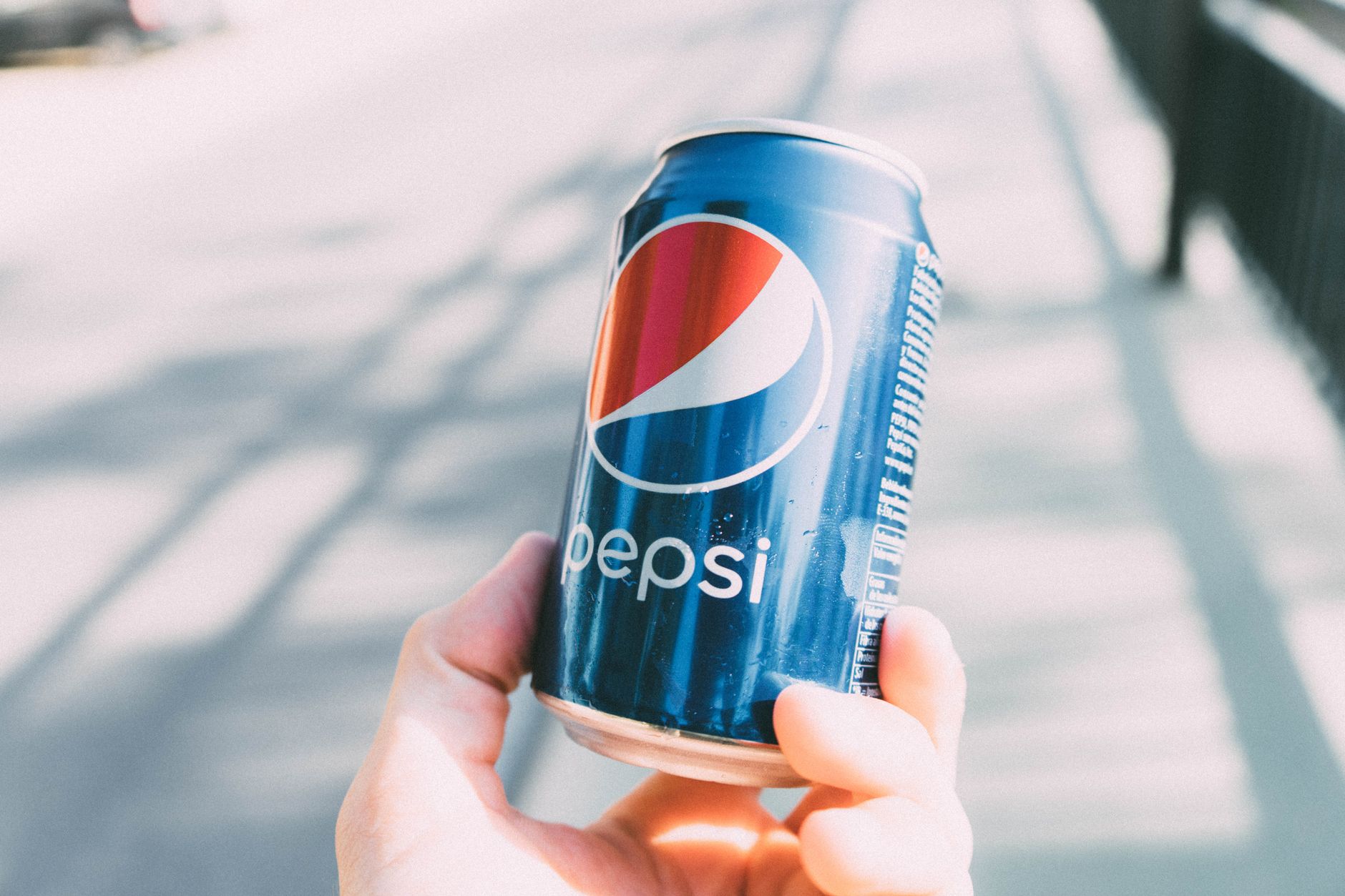
Pepsi is one of the most popular soft drinks globally, known for its unique flavor and refreshing qualities. But have you ever wondered what actually goes into a can of Pepsi? Understanding the ingredients helps consumers make informed choices, especially considering dietary preferences and concerns. This article will explore the components found in Pepsi, their roles, potential health implications, and some tips for choosing beverages responsibly.
Pepsi’s formulation has evolved over the years, often influenced by regional preferences, market demands, and health trends. In this comprehensive guide, we’ll delve into what makes up this iconic beverage, offering insights into its ingredients, nutritional aspects, and alternatives that cater to a variety of tastes and requirements.
What Is In Pepsi?
Pepsi primarily consists of carbonated water, high fructose corn syrup (or sugar), caramel color, phosphoric acid, caffeine, citric acid, and natural flavorings. These ingredients come together to create the distinctive taste that Pepsi lovers appreciate. Let’s break it down further.
Key Ingredients in Pepsi
1. Carbonated Water
Carbonated water is the primary ingredient and serves as the base for soft drinks like Pepsi. The carbonation process involves dissolving carbon dioxide in water, creating bubbles that give the drink its refreshing fizz and stimulate the palate.
2. Sweeteners: High Fructose Corn Syrup and Sugar
Pepsi uses high fructose corn syrup (HFCS) as its primary sweetener in many countries, although cane sugar is used in others, especially in variations like Pepsi Throwback. HFCS consists of fructose and glucose, providing sweetness and helping to enhance the drink’s flavor. However, those watching their sugar intake or preferring natural sweeteners might want to consider alternatives.
3. Caramel Color
Caramel color is a common food coloring derived from heated sugars. In Pepsi, it gives the drink its characteristic dark hue. While generally recognized as safe, some consumers seek to avoid artificial colorings due to the potential for exaggerated health concerns.
4. Phosphoric Acid
Phosphoric acid is added to enhance acidity and improve the overall flavor profile. It also contributes to the crisp taste of Pepsi. However, excessive consumption of phosphoric acid has raised concerns regarding bone health if consumed in large quantities over time.
5. Caffeine
Caffeine is a well-known stimulant that increases alertness and reduces fatigue. In a standard 12-ounce can of Pepsi, you can find about 38mg of caffeine, which is lower than that found in many cups of brewed coffee. Those sensitive to caffeine might opt for caffeine-free versions of the drink.
6. Citric Acid
Citric acid is added to enhance the drink’s taste, imparting a slight tanginess. It naturally occurs in citrus fruits and is often used as a preservative. In small quantities, citric acid is harmless and contributes to the overall flavor balance.
7. Natural Flavors
The exact composition of natural flavors in Pepsi is closely guarded by the manufacturer. These flavors generally aim to enhance the drink’s overall taste experience. For those with food sensitivities, it’s wise to note that “natural flavors” can sometimes mask allergens.
Understanding Nutritional Information
Pepsi is often enjoyed as a cool and refreshing beverage, but understanding its nutritional content is important for health-conscious consumers. A typical 12-ounce can of regular Pepsi contains approximately:
- Calories: 150
- Total Fat: 0g
- Sodium: 30mg
- Total Carbohydrates: 41g
- Sugars: 41g
- Protein: 0g
Most of the calories in Pepsi come from sugars, primarily from high fructose corn syrup or sugar. Regular consumption of sugary beverages has been associated with various health concerns, including obesity and diabetes. Consumers looking to manage their weight or sugar intake might consider alternatives such as diet sodas or flavored sparkling waters.
Dietary Considerations
When it comes to dietary preferences, Pepsi presents various options, including:
- Diet Pepsi: A zero-calorie version made with artificial sweeteners, catering to those looking to reduce sugar intake.
- Pepsi Zero Sugar: Another low-calorie alternative combining different sweeteners for a flavor profile closer to regular Pepsi.
- Caffeine-Free Pepsi: Suitable for those sensitive to caffeine or avoiding it for health reasons.
Always check the ingredient label if you have specific dietary restrictions or allergies, especially related to artificial additives.
Health Implications of Soft Drink Consumption
While enjoying an occasional Pepsi is generally regarded as acceptable, regular consumption can lead to several health issues:
- Encouragement of Obesity: The high sugar content contributes to weight gain when consumed in excess, as sugar-laden beverages add empty calories to diets.
- Increased Risk of Dental Problems: The acidity and sugar in soft drinks can lead to tooth decay and enamel erosion.
- Higher Blood Sugar Levels: Regular intake of sugary drinks may contribute to the development of insulin resistance.
While balance is key, moderation is essential to enjoy Pepsi without compromising health.
Alternatives to Pepsi
If you’re looking for soft drinks with less sugar or artificial ingredients, here are some alternatives:
- Sparkling Water: A great hydrating option with no added sugars or calories. Options include flavored varieties that provide a hint of taste without excess sweetness.
- Homemade Lemonade: Made from fresh lemons, water, and natural sweeteners like honey, this drink offers freshness with potential health benefits.
- Iced Herbal Teas: Brewed and chilled herbal teas can provide refreshing flavors without adding calories. Sweeten naturally if desired.
- Kombucha: A fermented tea that offers unique flavors and potential probiotic benefits.
Crafting Beverage Choices: Helpful Tips
1. Read Labels Carefully
Always check the ingredient list and nutritional information on any beverage, including Pepsi. This is particularly important for those with allergies, diabetes, or other health concerns.
2. Consider Serving Size
The serving size can greatly impact perceived calorie and sugar intake. Opt for smaller cans or consider sharing larger ones to reduce consumption.
3. Moderation Is Key
Enjoying Pepsi on occasion is generally fine for most people. However, make it a part of a balanced diet rather than the mainstay of your hydration needs.
4. Experiment with Alternatives
Don’t hesitate to try different beverages to find what you love. You may discover healthful options that suit your taste without sacrificing enjoyment.
5. Stay Hydrated
While enjoying soft drinks, ensure that water remains your primary source of hydration. Aim for at least 8 cups of water a day to maintain optimal health.
Common Questions About Pepsi
Is Pepsi gluten-free?
Yes, Pepsi is considered gluten-free, making it a safe option for those with gluten sensitivities or celiac disease.
Does Pepsi contain artificial flavors?
Pepsi lists “natural flavors” in its ingredients. While these are derived from natural sources, the specific compounds may vary and are proprietary to the manufacturer.
Where can I find nutritional information for Pepsi?
Nutritional information can typically be found on the packaging of the product or the official Pepsi website for accuracy.
Conclusion
Understanding what is in Pepsi allows consumers to make informed choices regarding their beverage consumption. Whether you enjoy its classic taste, opt for a diet version, or choose healthier alternatives, knowledge is power. Next time you reach for a soft drink, consider the ingredients and how they fit into your overall diet.
For more tips on healthy eating habits and beverage choices, feel free to explore more resources on ingredient substitutions, meal planning, or snack ideas on our blog. Your journey to mindful eating starts here!