
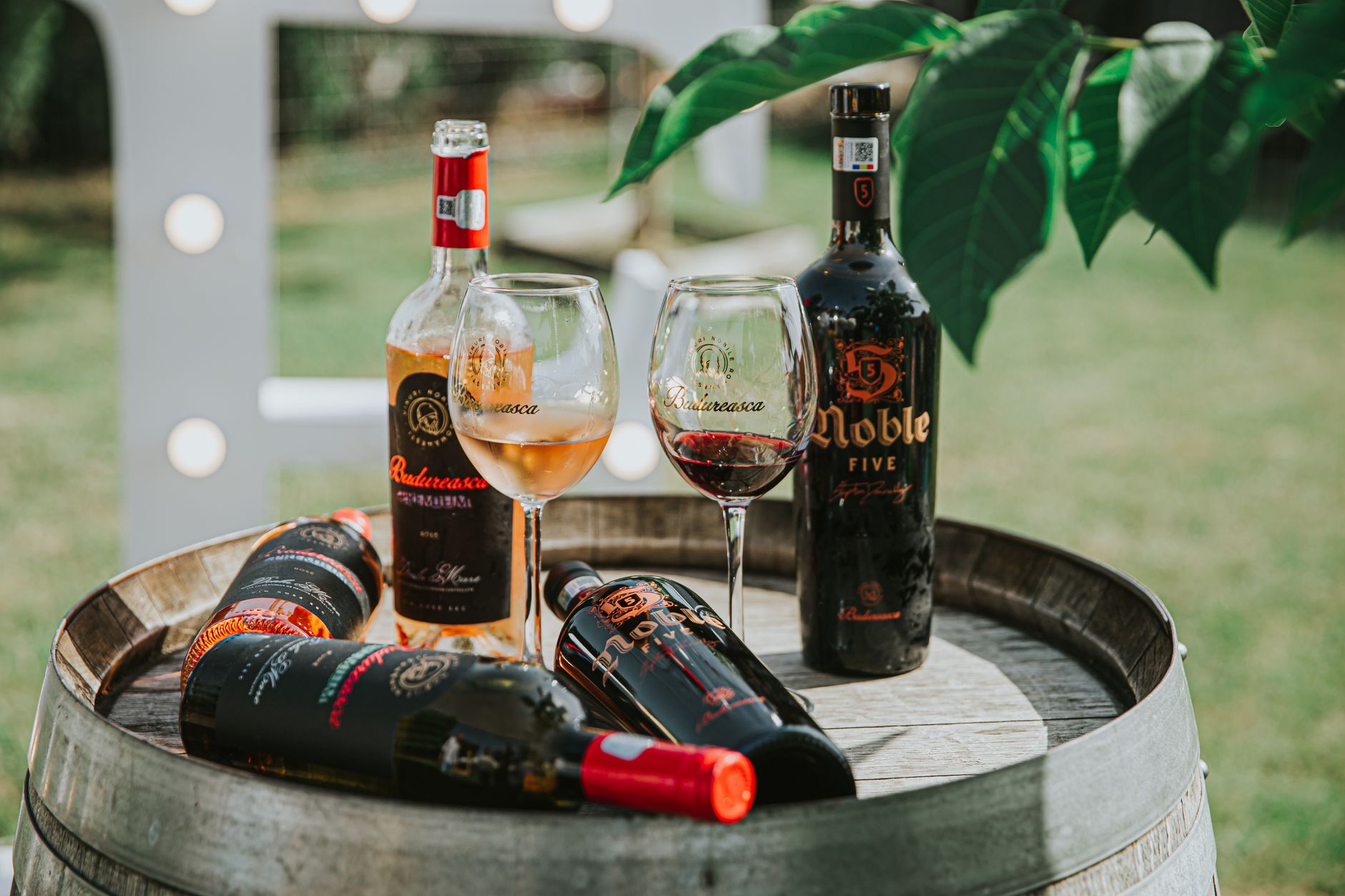
Red wine is a beloved beverage, often enjoyed over dinner or while relaxing at home. However, you may find yourself with an open bottle and unsure how to keep it fresh for your next glass. Storing opened red wine properly can enhance its shelf life and maintain its flavor, making each sip enjoyable.
This article will guide you through key facts, common questions, and practical tips on how to store opened red wine. You’ll learn about the factors that affect wine oxidation, the best storage methods, and techniques to preserve its rich flavors.
How To Store Opened Red Wine?
To store opened red wine effectively, keep it in a cool, dark place with minimal exposure to air. Ideally, reseal the bottle with its original cork or use a wine stopper to minimize oxidation. With proper storage, opened red wine can last up to five days while retaining its quality.
Understanding Oxidation and Its Impact on Red Wine
When red wine is exposed to air, it undergoes oxidation, a chemical reaction that can affect its flavor and aroma. Initially, a small amount of oxygen can enhance the wine’s characteristics by softening tannins and bringing out fruity notes. However, prolonged exposure can lead to undesirable flavors and a flat taste.
It’s essential to understand the following key points regarding oxidation:
- Initial Exposure: The first few hours after opening can be beneficial, allowing the wine to breathe.
- Extended Exposure: After about 24 hours, wine can begin to deteriorate, losing its complexity and vibrancy.
- Color Changes: Oxidized wine may appear browner than its original hue.
Factors Affecting Red Wine Storage
Several factors can influence how long your opened red wine stays fresh:
- Temperature: Wine should be stored at a consistent, cool temperature, ideally between 55°F and 65°F (13°C and 18°C).
- Light: Exposure to direct sunlight can quickly degrade wine. Always store wine in a dark place.
- Humidity: A humidity level of around 70% is ideal to prevent corks from drying out.
- Air Exposure: The more air that comes into contact with the wine, the quicker it will oxidize.
Best Practices for Storing Opened Red Wine
Now that you understand the impact of oxidation and the factors affecting wine storage, here are some recommended practices to keep in mind:
1. Resealing the Bottle
The first step to preserving opened red wine is to reseal the bottle. You can use:
- The Original Cork: If it fits snugly, reinsert it with the stained end down to maintain cleanliness.
- Wine Stoppers: These can create a better seal than corks and often come with vacuum-pump options.
- Plastic Wrap: In a pinch, placing plastic wrap over the opening can reduce air exposure.
2. Refrigeration
Contrary to popular belief, red wine can be refrigerated after opening. The cold temperature helps slow down the oxidation process. Just ensure that you bring the wine back to the desired drinking temperature before serving, which is generally around 60°F to 65°F (15°C to 18°C) for a full-bodied red.
3. Use a Wine Preservation System
A wine preservation system can be a worthwhile investment for wine enthusiasts. These systems typically use a vacuum pump to remove air from the bottle or inject inert gases to minimize oxidation. Popular systems include:
- Vacuum Sealers: These odds help pull air from the bottle to slow down oxidation.
- Argon Gas Systems: They create a layer of inert gas above the wine to prevent contact with oxygen.
4. Store Vertically
It’s a common myth that wine should always be stored horizontally. While that is true for long-term storage, after opening, it can be beneficial to store your wine bottle vertically to minimize the surface area exposed to oxygen.
How Long Can You Store Opened Red Wine?
The lifespan of opened red wine can vary based on several factors, including the type of wine and how it’s stored. Generally, you can expect the following:
- Full-bodied Red Wines: These can last up to five days with proper storage.
- Light-bodied Red Wines: Such wines typically retain their quality for about three days.
- Fortified Wines: They can last much longer, often up to a month, due to higher alcohol content.
Identifying Spoiled Red Wine
Knowing when your wine has gone bad is key to ensuring an enjoyable drinking experience. Common signs of spoilage include:
- Off Smell: If the wine smells vinegary or resembles nail polish remover, it has likely gone bad.
- Color Change: Red wines turning brown can indicate oxidation.
- Flat Flavor: If the wine tastes dull or lifeless, it’s probably past its prime.
Common Mistakes in Storing Opened Red Wine
Many wine drinkers inadvertently make mistakes that can impact the quality of their opened bottles. Here are some common blunders to avoid:
- Leaving Wine Uncorked: An open bottle rapidly oxidizes without a seal.
- Storing in Bright Light: Exposure to light can spoil wine quickly.
- Not Refrigerating:** Hot temperatures can accelerate oxidation.
When to Finish or Discard Opened Red Wine
Ultimately, the goal is to enjoy your opened red wine while it’s still good. Use your senses as a guide. If any of the spoilage signs appear, it’s best to finish the bottle in a timely manner or discard it completely. Remember, there’s no pressure to savor every drop, but ensuring a pleasant sip should always come first.
Creative Ways to Use Leftover Red Wine
If you find yourself with extra wine that you want to use rather than waste, here are some inventive ideas:
- Cooking: Use red wine in braising meats, reducing sauces, or adding flavor to stews.
- Marinades: Combine it with herbs and spices for a flavorful marinade for proteins.
- Dressings: Mix it into salad dressings for an added punch of flavor.
Conclusion
Storing opened red wine doesn’t have to be complicated. By understanding the basic principles of wine preservation and following the best practices outlined above, you can enjoy your favorite bottle over several days. So, whether you are savoring a Merlot or indulging in a Cabernet Sauvignon, take care to maintain its quality for the next glass!
For more related tips, explore our guides on meal-prepping essentials, cooking techniques for meats, or how to pair food and drinks effectively.