
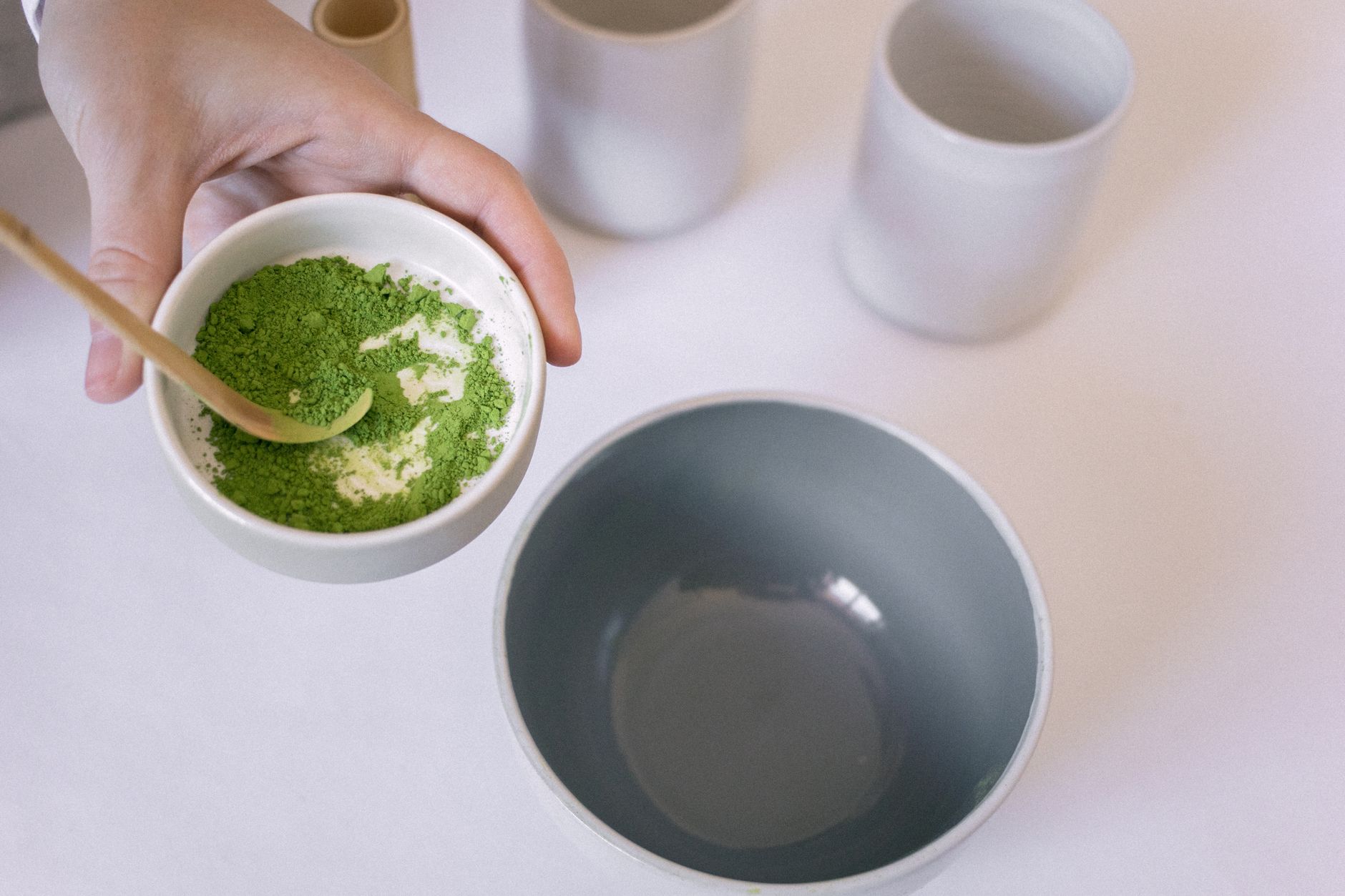
Matcha, celebrated for its vibrant green color and earthy flavor, is a finely ground powder made from specially grown green tea leaves. While it can be a delicious beverage or ingredient, many people encounter a bitter taste when preparing matcha. Understanding the factors that contribute to this bitterness can help you enhance your matcha experience.
In this guide, we will explore the reasons behind the bitterness of matcha, how to properly prepare it, and tips to make your matcha taste smooth and enjoyable.
Why Is My Matcha Bitter?
The bitterness in matcha primarily comes from the compounds known as catechins, particularly epigallocatechin gallate (EGCG). Several factors can lead to a bitter taste in matcha, including the quality of the matcha powder, preparation methods, water temperature, and the ratio of matcha to water.
By addressing these factors, you can significantly improve the taste of your matcha and tailor it to your preferences.
Factors Contributing to Bitter Matcha
1. Quality of Matcha Powder
The most significant factor affecting the taste of matcha is the quality of the powder itself. Matcha comes in various grades, from ceremonial to culinary. Ceremonial grade matcha is made from young, tender leaves and has a sweeter, more delicate flavor, making it ideal for traditional tea preparation. Culinary grade matcha, on the other hand, is produced from older leaves, resulting in a more robust and sometimes bitter taste, better suited for baking and cooking.
2. Water Temperature
Water temperature plays a crucial role in extracting the flavors from matcha. Hot water, particularly above 175°F (80°C), can release more catechins, leading to bitterness. The optimal water temperature for preparing matcha is around 160°F to 175°F (70°C to 80°C). Using cooler water will help preserve the sweetness of matcha while minimizing bitterness.
3. Matcha to Water Ratio
The ratio of matcha to water significantly impacts the taste. Using too much matcha powder can result in bitterness. A common ratio to start with is 1 to 2 teaspoons (2 to 4 grams) of matcha powder to 1 cup (approximately 240 ml) of water. Adjusting this ratio allows you to find your preferred strength and flavor balance.
4. Quality of Water
The quality of the water used to prepare matcha can also affect the taste. Hard water, which contains a higher mineral content, may enhance bitterness, while soft or filtered water offers a smoother flavor profile. Using water with a neutral pH can create a better tasting matcha experience.
5. Whisking Technique
The way matcha is whisked can influence its flavor and texture. Using a bamboo whisk (chasen) can help aerate and combine the matcha properly. Failing to whisk adequately can lead to clumps, which might intensify bitter notes. Whisk vigorously in a zigzag motion until the matcha is fully dissolved and frothy.
How to Prepare Matcha for a Smooth Taste
Here is a step-by-step guide to preparing matcha that minimizes bitterness, ensuring you have a tasty and enjoyable drink.
Ingredients Needed
- 1 to 2 teaspoons (2 to 4 grams) of high-quality ceremonial grade matcha
- 1 cup (240 ml) of filtered water
- Bamboo whisk (chasen)
- Matcha bowl (chawan) or any small bowl
- Strainer (optional)
Preparation Steps
- Prepare your workspace and gather all your ingredients and equipment.
- Heat the water to around 160°F to 175°F (70°C to 80°C). A thermometer helps, but if you don’t have one, heat the water until it is steaming but not boiling.
- While the water is heating, sift the matcha powder through a fine strainer into your bowl to eliminate any clumps.
- Pour the heated water over the sifted matcha powder. Aim for a consistent flow to help mix the powder effectively.
- Using your bamboo whisk, whisk the mixture rapidly in a zigzag motion for about 15-30 seconds until it becomes frothy and no lumps remain.
- Taste the matcha, and if it’s still too bitter, you can adjust by adding more water or slightly less matcha next time.
- Serve immediately and enjoy your smooth matcha.
Tips for Enhancing Matcha Flavor
If you still find your matcha bitter or want to enhance its flavor, consider the following tips:
Use Sweeteners
Adding a natural sweetener like honey, agave syrup, or maple syrup can help counteract the bitterness. Start with a small amount, taste, and adjust as needed.
Add Milk or Cream
Incorporating milk, almond milk, oat milk, or even coconut milk can help create a creamy texture that balances the bitterness. For a matcha latte, combine prepared matcha with steamed milk for a rich beverage.
Incorporate Flavorings
Consider adding flavors like vanilla extract, vanilla powder, or even spices such as cinnamon or nutmeg. These can create a unique flavor profile that masks bitter notes.
Experiment with Iced Matcha
Try making iced matcha by preparing it in the same way and serving it over ice. Cold beverages often taste smoother, which can diminish the perception of bitterness.
Pair with Snacks
Complement your matcha with light snacks, such as sweet pastries or tangy fruits, that can enhance the overall experience and flavor balance.
Common Mistakes in Preparing Matcha
Even seasoned matcha drinkers can encounter hiccups while preparing their drink. Here are some common mistakes to avoid:
Using Low-Quality Matcha
Using a low-grade matcha can result in more bitter flavors. Invest in good quality matcha, particularly if you plan to enjoy it traditionally.
Overheating Water
Allowing the water to boil can significantly alter the flavor profile, leading to bitterness. Always monitor the temperature to maintain the delicate balance needed for optimal taste.
Too Much Matcha
Overloading on matcha can lead to intense bitterness. Stick to the recommended measurements and adjust according to your taste preferences.
Neglecting Whisking
Failing to whisk the matcha properly can cause clumps, resulting in an unpleasant texture and enhanced bitterness. Invest time in whisking for the best outcomes.
Making Matcha at Home: Recipe References
As you explore matcha and its various uses, here are two delightful recipes to consider:
- Vanilla Matcha Latte Recipe – A creamy blend of matcha and vanilla that offers a delightful alternative to plain matcha.
- Honey Lavender Latte Recipe – Combining the floral notes of lavender with matcha for an aromatic experience.
Conclusion
Understanding the factors that contribute to bitterness in matcha will empower you to craft a flavorful and satisfying beverage. By managing the quality of your matcha, the temperature of your water, and the preparation techniques, you can greatly enhance your matcha experience. If bitter notes persist, don’t hesitate to add sweeteners, alter the ratios, or experiment with milk and spices to create your perfect cup.
Ready to dive deeper into the world of matcha? Explore more related recipes, cooking tips, and food guides for inspiration!