
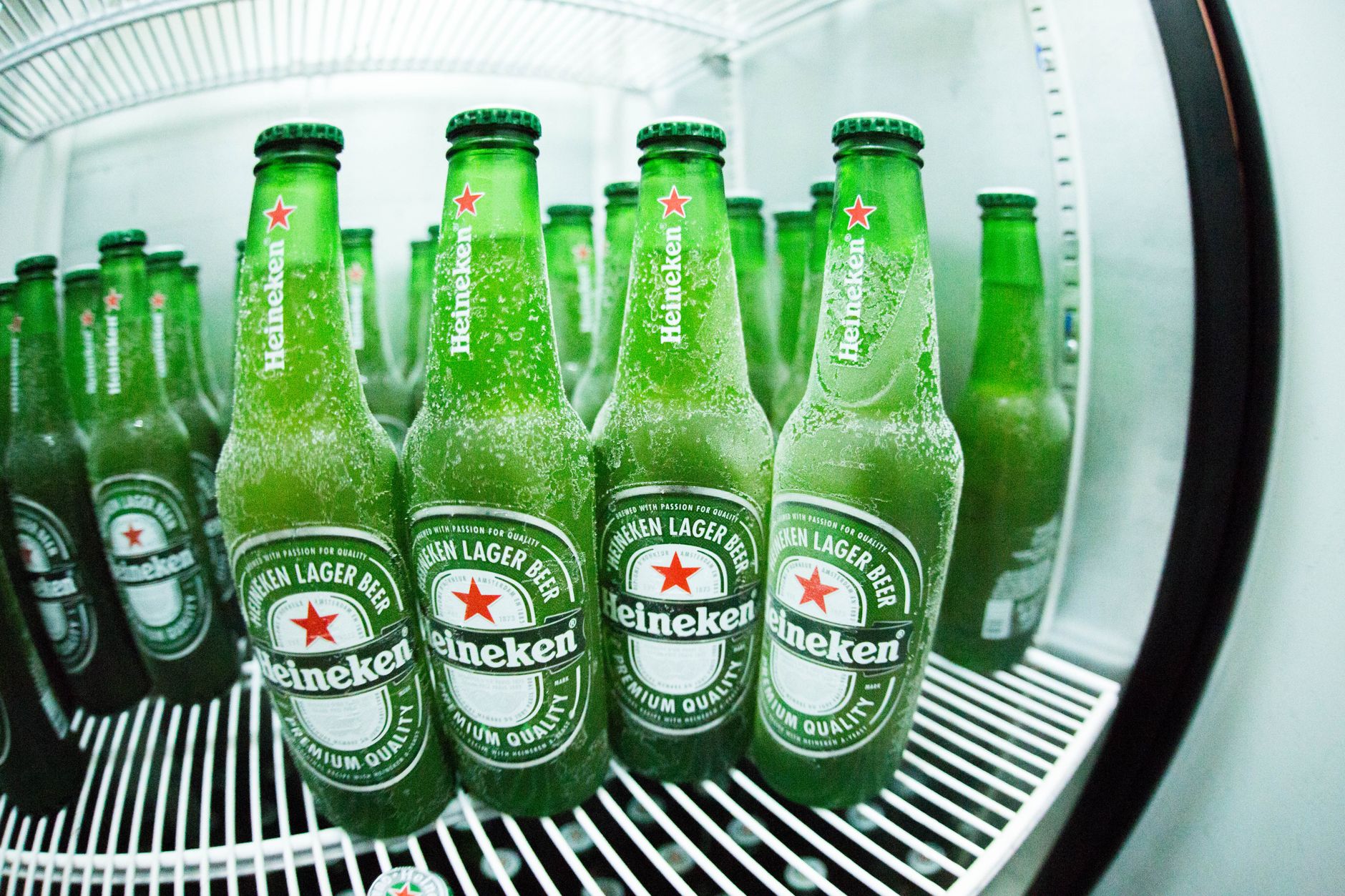
Many people are curious about the freezing point of liquor and whether it’s possible for their favorite spirits to turn into an icy slush in the freezer. Understanding the science behind alcohol and freezing can help you make informed decisions about storage and serving. This detailed guide will explore the intricacies of liquor freezing, including what factors determine whether it freezes, practical tips for serving, and some fascinating facts about alcohol.
The freezing point of liquor depends on its alcohol content and specific ingredients. Most liquors have high alcohol content, making them resistant to freezing. However, certain factors can affect this outcome, and it’s essential to know what to keep in mind before placing a bottle in the freezer.
Can Liquor Freeze?
Liquor can freeze, but it typically requires extremely low temperatures due to its high alcohol content. For example, vodka with around 40% alcohol by volume (ABV) will not freeze at standard freezer temperatures, which usually range from 0°F (-18°C) or above. Liquors with lower ABV, sweeteners, and other additives may have different freezing points, making them more likely to freeze.
Understanding Alcohol Content and Freezing Points
To better grasp why some liquors freeze while others do not, it’s vital to understand alcohol content and freezing points. Alcohol content is usually measured in ABV, which stands for alcohol by volume. This percentage indicates how much alcohol is in a particular beverage compared to the total volume.
Freezing Point of Alcohol
- 100% pure ethanol has a freezing point of -173°F (-114°C).
- Liquor with an ABV of 40% (like vodka or whiskey) has a much higher freezing point, around -16°F (-27°C).
- Most home freezers are set to 0°F (-18°C), which is insufficient to freeze high-proof spirits.
For liquors like gin, rum, and whiskey that hover around 40% ABV, they will remain liquid in your freezer. However, if you have a liquor that is more diluted or has a low ABV, the likelihood that it might freeze increases significantly.
Factors Influencing Whether Liquor Freezes
Several elements contribute to whether a liquor will freeze. Some of the most influential factors include:
Alcohol by Volume (ABV)
The higher the ABV, the lower the freezing point. Drinks with higher alcohol content can remain liquid in your freezer, while lower ABV beverages may solidify.
Added Ingredients
Liquors containing sugars, creams, or other ingredients can have altered freezing points. For example, liqueurs often contain significant amounts of sugar, which lowers the freezing point, making them more susceptible to slushing or freezing.
Temperature of Storage
Home freezers typically operate around 0°F (-18°C). If you are storing liquor with a lower ABV or with additional sweeteners or flavors, it may be necessary to keep the temperature higher to maintain a liquid state.
When considering storing liquor in the freezer, keep these factors in mind to determine whether they should be chilled or kept at room temperature.
Liquors That May Freeze
While most higher-proof liquors can handle the freezing temperatures of your home freezer, some specific types are more likely to freeze or take on a slushy texture:
Flavored and Cream Liqueurs
Flavored liqueurs (like peach or elderflower liqueur) that often contain sugar and other non-alcoholic ingredients may freeze in a standard freezer. The added sugars and flavors change the freezing characteristics and can lead to a slushy or thickened state.
Low-ABV Beverages
Any liquor with low ABV, such as many wines and aperitifs, is more likely to freeze. Many of these drinks are designed to be consumed chilled and are best stored in the refrigerator rather than the freezer.
Homemade Liqueurs
Homemade liqueurs that may contain fruit or sugar also have the potential to freeze. Be cautious about storing these types in the freezer unless you want a slushy texture.
Practical Tips for Storing Liquor
To avoid unwanted freezing or slushing of your favorite liquors, consider the following tips:
Know Your Liquors
Familiarize yourself with the alcohol content and ingredients of each drink you plan to store. If you’re uncertain, err on the side of caution and keep lighter liqueurs in the fridge instead.
Chill vs. Freeze
Instead of freezing stronger spirits, consider chilling them. Placing liquor in the refrigerator keeps it at a pleasant drinking temperature without the risk of freezing.
Adjust Freezer Temperature
If your freezer has adjustable temperatures, you might want to set it warmer to accommodate your liquors while maintaining a frosty chill.
Serving Suggestions for Frozen Liquors
If you decide to freeze liqueurs or spirits that may slush, there are a few ideal serving methods to enhance the experience:
Slushy Cocktails
Use slushy liqueurs as a base for cocktails. Combine with fresh fruit, juices, or soda to create delicious frozen drinks that are refreshing on a hot day.
Ice Cream Toppings
Use slightly frozen or slushy liqueurs as a topping for desserts like ice cream or sorbet for added flavor and a unique dessert experience.
Cocktails
Incorporate slushy liqueurs into tropical drinks for an enjoyable texture and taste. Combining them with ice and other ingredients can create the perfect summer beverage.
Common Mistakes to Avoid
When it comes to freezing liquor, avoid these common pitfalls:
Freezing High-Proof Liquors
While high-proof liquors may not freeze, you can risk compromising their flavor and drinkability. Stick to chilling rather than freezing when possible.
Overlooking Storage Requirements
Ensure your liquors are stored in well-sealed containers. This prevents any off-flavors from permeating and ensures their quality.
Assuming All Liquors Handle Freezing the Same
Liquors are not created equally. Understand the differences among specific beverages before placing them in the freezer.
FAQs About Freezing Liquor
Can I freeze whiskey?
Freezing whiskey is not typically recommended. Its high alcohol content allows it to resist freezing in a normal household freezer. However, it may lose some flavor characteristics when frozen and thawed.
What happens if my liquor freezes?
If your liquor does freeze, the texture may change, becoming slushy or thick. While not harmful, the flavors may also be slightly altered.
How do I know if a liquor is safe to freeze?
Check the alcohol content and ingredient list. Most spirits over 35% ABV are safe to freeze. If it has added sugars, flavors, or lower ABV, error on caution by opting for refrigeration instead.
Can I refreeze liquor that has thawed?
Refreezing liquor is generally safe but may alter the texture and flavor. It is best to consume the liquors after thawing and avoid multiple cycles of freezing and defrosting.
Conclusion
Liquor can technically freeze, but it typically requires extremely low temperatures that most home freezers do not reach. Knowing the factors influencing freezing, such as alcohol content and added ingredients, makes it easier to make informed choices when it comes to storing your spirits. If you’re unsure about whether your liquor will freeze well, chilling in the refrigerator tends to keep flavors and textures intact.
For delicious homemade treats, explore our peach liqueur recipe and elderflower liqueur recipe to create refreshing additions to your drinks. Discover more about liquor to enhance your culinary experience!