
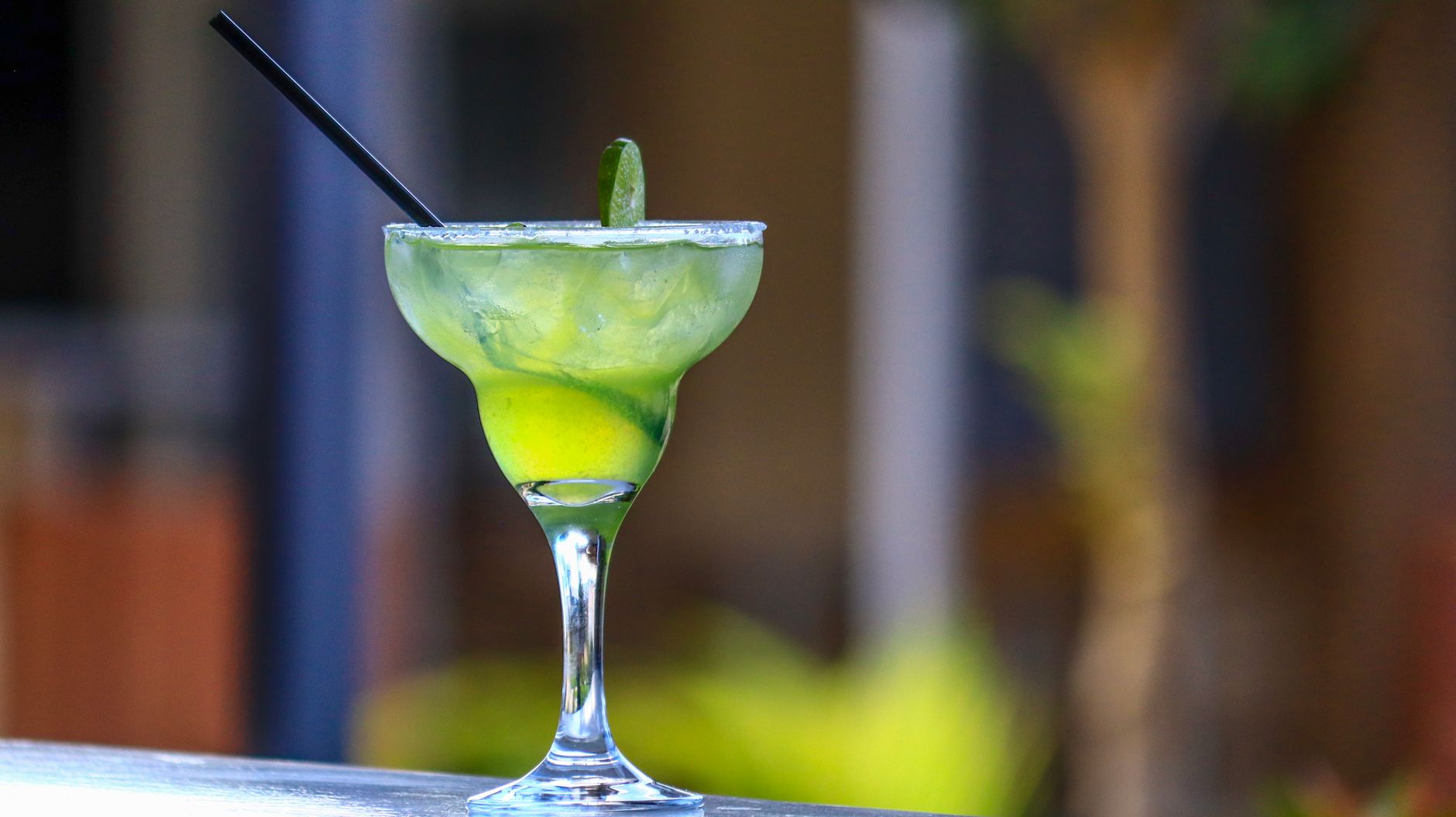
Understanding the sugar content in a margarita is essential for bartenders, home mixologists, and health-conscious consumers alike. This classic cocktail is beloved for its refreshing taste, often enjoyed on warm evenings or festive occasions.
In this article, we’ll delve into the sugar content of a traditional margarita, explore different margarita variations, and provide tips for reducing sugar without sacrificing flavor.
How Much Sugar Is In A Margarita?
The amount of sugar in a margarita largely depends on the recipe and the specific ingredients used. Generally, a standard margarita contains around 1 to 2 ounces of sweet mix, which equates to approximately 3 to 6 grams of sugar per serving. However, if you opt for sweetened liqueurs or premade mixes, the sugar content can significantly increase.
Traditional Margarita vs. Variations
Before diving deeper into sugar content, it’s helpful to outline the classic margarita recipe and its variations.
Classic Margarita Ingredients
- 2 ounces tequila (preferably blanco)
- 1 ounce freshly squeezed lime juice
- 1 ounce orange liqueur (such as Cointreau or Triple Sec)
- 1/2 to 1 ounce simple syrup (depending on your sweetness preference)
- Salt for rimming the glass (optional)
Variations That Increase Sugar Content
- Fruit Margaritas: Adding pureed fruits can significantly increase sugar content. For example, a strawberry margarita can contain 2 to 4 ounces of fruit puree or syrup.
- Premade Mixes: Many store-bought margarita mixes contain high levels of sugar, often 14 to 20 grams per serving.
- Sour Mix: This is often used in place of lime juice and sweetener, and can contain added sugars.
Breaking Down the Sugar Content
Let’s analyze the sugar content in a traditional margarita and some popular variations.
Classic Margarita Breakdown
- Tequila: 0 grams of sugar
- Fresh Lime Juice: Approximately 1 gram of sugar per ounce
- Orange Liqueur: About 5 grams of sugar per ounce
- Simple Syrup: Approximately 7 grams of sugar per half ounce
In total, a classic margarita made with simple syrup can contain about 13 grams of sugar.
Fruit Margarita Example
For a fruit margarita, let’s consider a strawberry margarita made with:
- 2 ounces tequila: 0 grams of sugar
- 1 ounce lime juice: 1 gram of sugar
- 1 ounce orange liqueur: 5 grams of sugar
- 1 ounce strawberry puree: Approximately 5 to 8 grams of sugar
This brings the total sugar content to around 11 to 14 grams, but this can easily spike significantly with added sweeteners.
Health Considerations
When indulging in a margarita, being aware of sugar content can be part of making informed choices, particularly for those monitoring sugar intake for health reasons. While alcohol concentrates sugars, moderation is key.
Sugar Content in Mixed Drinks
Margaritas are often sweeter than many other cocktails. For comparison:
- A gin and tonic typically contains about 5 grams of sugar.
- A mojito may contain approximately 10 grams of sugar, depending on how much sugar is used.
- Piña coladas can have around 18 grams or more, especially due to the use of coconut cream and pineapple juice.
Lowering Sugar in Margaritas
If you want to enjoy a margarita while keeping an eye on sugar intake, consider the following tips for lowering sugar content:
Opt for Fresh Ingredients
Use fresh lime juice rather than a sweetened mix. Not only does this enhance flavor, but it gives you control over the sugar content in the drink.
Limit or Skip the Simple Syrup
Don’t add simple syrup if you prefer your margaritas less sweet. The sweetness from fresh fruits can often balance the drink without additional sugars.
Try Natural Sweeteners
Consider natural sweeteners such as agave syrup, which has a lower glycemic index than sugar, or use stevia as a calorie-free alternative.
Choose Quality Over Quantity
Choose high-quality orange liqueurs. They often have better flavor and less sugar than lower-quality brands.
Experiment with Sparking Water
Add seltzer or sparkling water for a refreshing and less sweet alternative. This adds effervescence without extra calories.
Interesting Margarita Variations to Try
For those adventurous in their cocktail crafting, here are a few refreshing margarita variations that you can explore:
Tamarind Margarita
This variation introduces a tangy flavor with tamarind paste or syrup. The use of tamarind can balance sweetness, and it tends to have less sugar compared to traditional mixes.
Cucumber Basil Margarita
For a refreshing twist, muddle fresh cucumbers and basil for a light, herbaceous take that lowers the overall sweetness.
Spicy Margarita
Infusing your margarita with jalapeño or chili powder adds spice without any added sugar while enhancing the overall flavor profile.
Common Mistakes in Margarita Preparation
When crafting a margarita, keep an eye out for these common pitfalls to ensure you achieve the best flavor:
Over-Sweetening
Many home mixologists overly sweeten their drinks. Start with less sweetener and adjust to taste.
Poor Quality Ingredients
Using low-quality tequila or mixers can lead to a subpar margarita. Always opt for 100% agave tequila and fresh juices.
Neglecting Rim Techniques
Rimming the glass with salt enhances the drink’s flavor. Remember to rub the rim with lime before dipping it in salt.
Ignoring Glassware
Choose appropriate glassware, such as a rocks glass or a traditional margarita glass, which can enhance the presentation and sipping experience.
Make-Ahead Options
If you are planning a gathering, consider make-ahead margaritas to reduce effort during the event:
Batch Recipe
Make a large batch of margaritas by multiplying the ingredients and adjusting for taste. Store in a pitcher, and serve over ice as needed.
Freezer Option
Blend a large batch and freeze in ice cube trays. Pop them out and mix with fresh ingredients when guests arrive for a refreshing treat.
Storage and Safety Tips
If you have leftover margaritas, consider the following:
Short-Term Storage
Store any unmixed ingredients separately in the refrigerator. Margaritas are best served fresh, but can be stored for up to two days when properly sealed. Be cautious with garnishes, as they can alter the flavor over time.
Long-Term Storage
If you’re preparing a large batch, freezing can work but be mindful that the texture may slightly change upon thawing. Always taste before serving.
Conclusion
The sugar content in a margarita varies greatly depending on the ingredients used and personal preferences. Understanding how to customize your drink can help you enjoy this classic cocktail while keeping sugar levels in check. Feel free to explore different recipes, serving techniques, and garnishes to find what resonates with your taste buds.
For more refreshing cocktail ideas, consider trying a tamarind margarita or whip up a simply limeade margarita. These variations can provide a delightful twist on the traditional margarita experience.