
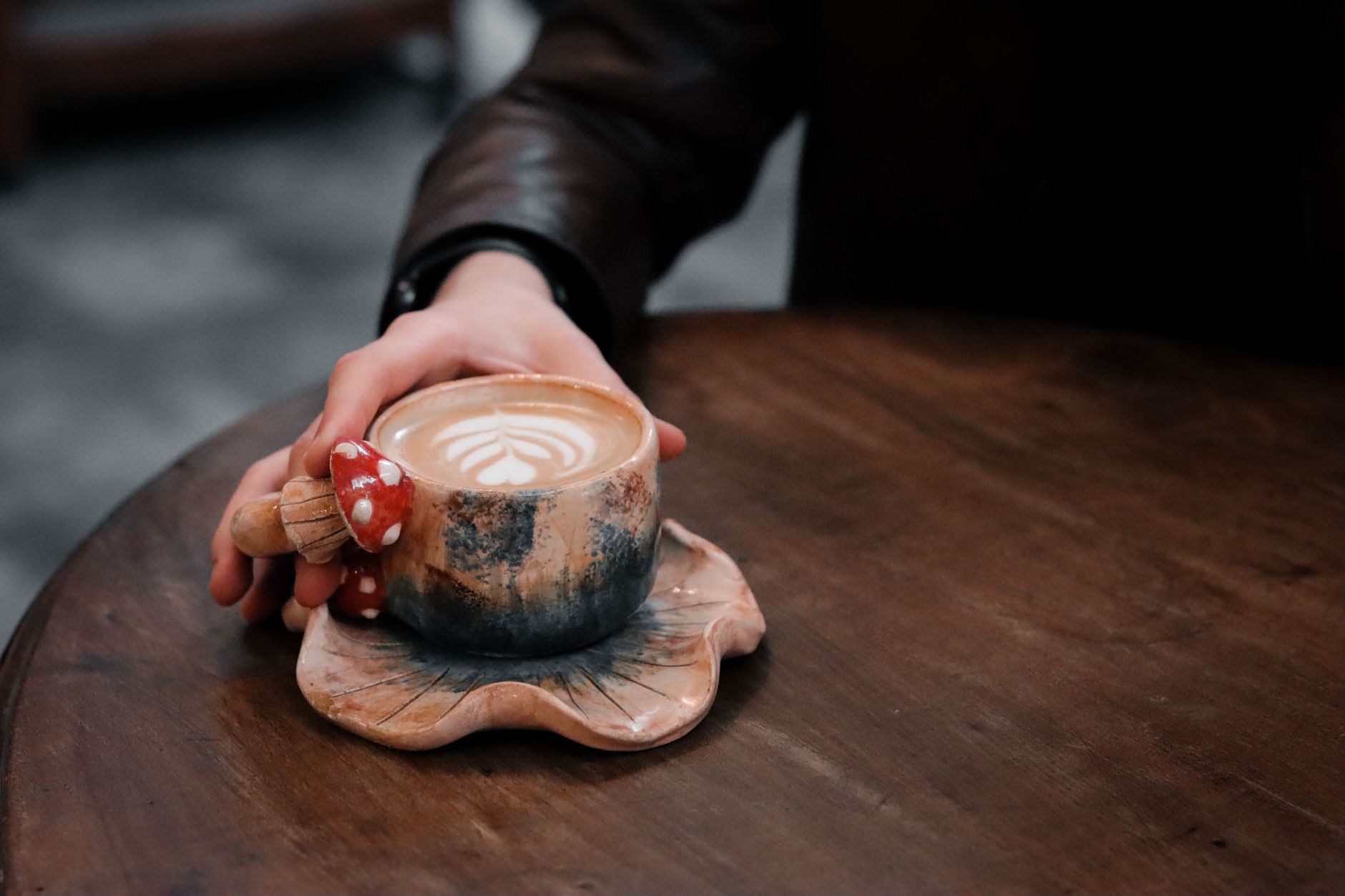
Mushroom coffee is gaining popularity among health-conscious consumers as an alternative to traditional coffee. It combines coffee with medicinal mushrooms, such as lion’s mane, cordyceps, or chaga, promising a range of health benefits. One area of interest is its potential effects on liver health.
In this article, we will examine whether mushroom coffee can help your liver, explore the types of mushrooms used, and discuss their associated benefits and potential risks. Understanding these components can help you make informed choices about incorporating mushroom coffee into your routine.
Does Mushroom Coffee Help Your Liver?
Mushroom coffee may help support liver health due to the beneficial compounds found in certain mushrooms used in the blend. Some studies suggest that mushrooms like chaga and reishi can promote liver function and offer antioxidant properties, which may help in detoxification. However, further research is needed to fully understand their impact on liver health.
Understanding Liver Health
The liver is a vital organ responsible for various functions, including detoxification, metabolism, and nutrient storage. It processes substances like alcohol, medications, and toxins, converting them into harmless compounds or ensuring their excretion from the body. Maintaining liver health is essential for overall well-being.
Liver health can be influenced by various lifestyle factors, including diet, exercise, and alcohol consumption. Incorporating beneficial foods and supplements into your daily routine may help support the liver’s functions and decrease the risk of liver-related diseases.
Medicinal Mushrooms and Their Benefits
Medicinal mushrooms have been used for centuries in various cultures for their potential health benefits. Below are some of the mushrooms commonly found in mushroom coffee and their associated benefits:
- Chaga: Rich in antioxidants, chaga may help reduce inflammation and oxidative stress in the liver, possibly benefiting detoxification processes.
- Reishi: Often called the “mushroom of immortality,” reishi is believed to support liver health through its anti-inflammatory and immune-boosting properties.
- Lion’s Mane: Known for its cognitive benefits, lion’s mane may also aid gut health which, in turn, influences liver function.
- Cordyceps: This mushroom can improve energy levels and athletic performance; it may also support liver detoxification by enhancing blood flow.
The Potential Benefits of Mushroom Coffee for Liver Health
While mushroom coffee is not a cure for liver issues, it may offer some benefits when consumed as part of a balanced diet. Here are some potential benefits:
1. Antioxidant Properties
Mushrooms such as chaga and reishi are high in antioxidants, which help combat free radicals in the body. This can reduce oxidative stress on the liver, promoting healthier liver function.
2. Anti-Inflammatory Effects
Chronic inflammation can lead to liver damage over time. The anti-inflammatory properties of medicinal mushrooms could be beneficial in reducing this risk.
3. Support for Detoxification
The liver is responsible for detoxifying harmful substances. Components in mushrooms may enhance the liver’s ability to process and eliminate toxins from the body.
4. Enhanced Cognitive Function
Mushroom coffee, particularly with lion’s mane, is also touted for cognitive health. A healthier brain-gut-liver connection could indirectly improve liver health by promoting better overall systemic health.
How to Incorporate Mushroom Coffee into Your Routine
If you’re interested in trying mushroom coffee for its potential liver benefits, here are some practical tips:
- Choose Quality Products: Look for organic mushroom coffee with high-quality mushroom extracts. Avoid products with excessive additives or sugar.
- Moderation is Key: Like regular coffee, moderation is essential. Consuming too much can lead to side effects such as anxiety or digestive discomfort.
- Follow Preparation Instructions: Mushroom coffee is available in powdered forms, single-serve packets, or ready-to-drink options. Follow the instructions to prepare your beverage properly.
- Pair with a Balanced Diet: While mushroom coffee has its benefits, combine it with a diet rich in fruits, vegetables, whole grains, and lean proteins for optimal liver health.
Common Concerns and Risks
While mushroom coffee is generally considered safe, it is essential to consider potential concerns:
1. Allergic Reactions
Some individuals may be allergic to specific mushrooms. If you are trying it for the first time, start slow and monitor how your body reacts.
2. Caffeine Sensitivity
Mushroom coffee contains caffeine, though often less than traditional coffee. Be mindful of your caffeine sensitivity and adjust your intake accordingly.
3. Medication Interactions
If you are taking medications, consult with a healthcare professional before adding mushroom coffee to your diet, as certain mushrooms may interact with medications.
Making Your Own Mushroom Coffee
Making mushroom coffee at home allows you to control the ingredients and adjust the flavor to your liking. Here’s a simple recipe to get you started:
Ingredients
- 1 cup brewed coffee (or a coffee substitute if desired)
- 1 tsp mushroom powder (chaga, reishi, lion’s mane, or cordyceps)
- 1 tsp coconut oil or ghee (optional for creaminess)
- Sweetener to taste (honey, agave, or stevia)
- Cinnamon or cocoa powder (for flavor, optional)
Essential Equipment
- Coffee maker or French press
- Blender (optional for mixing)
- Measuring spoons
Preparation Method
- Brew your coffee as you normally would, either using a coffee maker or French press.
- In a separate cup, mix the mushroom powder with a small amount of hot water to create a paste. This helps dissolve the powder effectively.
- Add the mushroom paste to your brewed coffee.
- For a creamier texture, add coconut oil or ghee and blend for about 30 seconds until frothy. If you prefer, you can whisk it vigorously instead.
- Sweeten and sprinkle cinnamon or cocoa powder to taste.
- Serve hot and enjoy!
Practical Tips and Considerations
When incorporating mushroom coffee into your routine, consider the following:
- Experiment with Different Mushrooms: Try various mushroom types to discover which flavors you prefer and see how they affect your energy levels and well-being.
- Monitor Any Changes: Keep track of how you feel after consuming mushroom coffee; pay attention to any changes in energy levels or digestive health.
- Combine with Herbal Teas or Smoothies: Blend mushroom coffee into smoothies or enjoy alongside herbal teas for variety.
Conclusion
While mushroom coffee may offer potential benefits for liver health, it is essential to approach it as part of a comprehensive lifestyle that includes a balanced diet and regular exercise. The mushrooms used can provide antioxidant and anti-inflammatory properties that support liver function, but individual responses may vary.
Exploring mushroom coffee can be a delightful way to introduce nutritious elements to your day. Be sure to consult with a healthcare professional if you have concerns about liver health or any potential interactions with medications. A wise approach can help you enjoy a tasty beverage while supporting your well-being.
If you’re interested in expanding your health-oriented beverage repertoire, explore our recipes for anti-inflammatory tea and antioxidant juice. These can also complement your focus on liver health and overall wellness.