
Tequila is a beloved spirit known for its unique flavor and distinct character. Many people enjoy sipping it straight, while others prefer it in various cocktails. But have you ever wondered what it’s made from? Understanding the plant behind tequila not only enhances your appreciation for this famous beverage but also shines a light on the traditional methods behind its production.
This guide explores the fascinating journey of tequila, from the agave plant to your glass. We’ll delve into the specifics of the plant used to create tequila, its characteristics, and the production process that makes this spirit so special.
Tequila Is Made From What Plant?
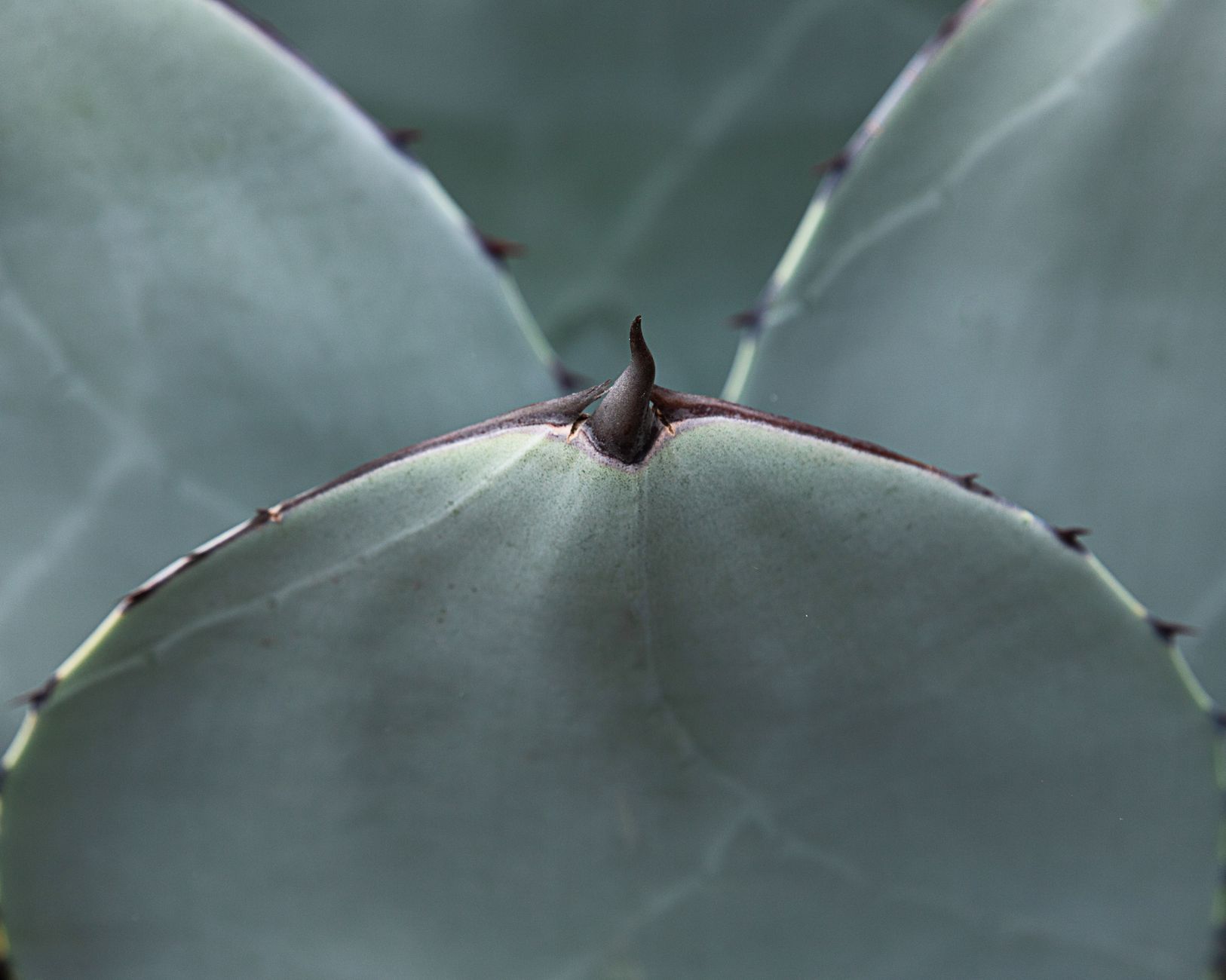
Tequila is made from the blue agave plant, specifically Agave tequilana. This succulent plant is native to the volcanic soils of the Jalisco region in Mexico, which contributes to the unique flavor profile of tequila. To be legally labeled as tequila, the spirit must be produced in specific regions of Mexico and made primarily from blue agave.
The Agave Plant: Characteristics and Varieties
The blue agave plant is a large, fleshy succulent that can take up to 8 to 12 years to mature. It has thick, spiky leaves that can reach lengths of up to 6 feet. The heart of the blue agave, called the piña, is what is harvested for tequila production. Here’s what you need to know about the blue agave plant:
- Botanical Classification: Agave tequilana belongs to the Asparagaceae family.
- Appearance: The plant has long, pointed leaves that are often bluish-green. When mature, it resembles a rosette.
- Geographic Distribution: While native to Mexico, blue agave can also be found in other parts of the world, but tequila must be produced from agave grown in specific regions to be authentic.
- Biochemical Aspect: The piña contains high levels of sugars, mainly fructose, which is essential for fermentation.
The Role of Agave in Tequila Production
The production of tequila begins with the harvesting of the agave plant. Once the piñas are harvested, they undergo several steps that transform the plant into the tequila you know and enjoy:
Harvesting
Harvesting the blue agave is a skilled process. Trained workers, known as jimadores, use a specialized tool called a coa to cut the leaves off the piña and expose the heart. This process is crucial, as only the piña is used for tequila, while the leaves and stalk are discarded.
Cooking the Piña
After harvesting, the piñas are cooked to convert starches into fermentable sugars. Traditionally, piñas are steamed in an earthen oven called a hornos. This slow cooking process is essential for developing the flavor profile of tequila. Modern producers may also use autoclaves or pressure cookers for cooking the piñas, which speeds up the process.
Mashing
Once cooked, the piñas are crushed to extract the sugary juice, known as aguamiel. This can be done by hand or using mechanical crushers. The extracted juice is then transferred to fermentation tanks.
Fermentation
The aguamiel undergoes fermentation, during which natural or cultivated yeast is added to convert the sugars into alcohol. This process can take several days and yields a liquid called “mosto.” The flavor of the tequila will depend on the fermentation duration and the yeast strains used.
Distillation
After fermentation, the mosto is distilled, typically twice, in copper pot stills or column stills. Distillation separates the alcohol from impurities, producing tequila. The distillation efficiency and techniques can influence the final flavor and quality of the spirit.
Aging
Tequila can be bottled immediately after distillation (known as blanco or silver tequila) or aged in barrels to develop more complex flavors. The aging process can range from a few weeks to several years, leading to categories such as:
- Blanco (Silver): Unaged tequila, typically bottled right after distillation.
- Reposado: Aged for a minimum of two months in oak barrels.
- Añejo: Aged for at least one year in oak barrels.
- Extra Añejo: Aged for a minimum of three years in barrels.
Understanding the Flavor Profile of Tequila
The flavor of tequila is influenced by several factors, including the agave plant’s terroir, the cooking method, fermentation process, and aging. Here are the primary flavor notes you can expect in different types of tequila:
Blanco Tequila
This variety showcases the pure taste of the agave itself. Expect bright, herbal notes with hints of citrus, pepper, and a slightly sweet finish.
Reposado Tequila
Reposado takes on flavors from the oak barrels it’s aged in, resulting in a smoother profile with caramel, vanilla, and light spice notes while still retaining the agave base.
Añejo Tequila
With more time in the barrel, Añejo develops rich flavors of chocolate, coffee, deeper vanilla, and dried fruits, making it a warming and complex spirit.
Extra Añejo Tequila
This category features even more pronounced flavors, due to extended aging. Expect layers of deep wood, spice, and complex sweetness impacted by the barrels.
Buying Tequila: What to Look For
When purchasing tequila, understanding the labels and certifications can help you choose a quality bottle. Here are some tips on what to look for:
- Look for 100% Agave: This ensures that the tequila is made entirely from blue agave and contains no added sugars or other fillers.
- Check the Denomination of Origin: Authentic tequila must have a label indicating it is produced in specific Mexican regions, mainly Jalisco.
- Explore Different Types: Depending on your intended use, you might prefer different styles: blanco for cocktails, reposado for sipping, or añejo for special occasions.
- Pay Attention to Reputation: Research brands and consider recommendations to select quality products.
Tequila Cocktails and Recipes
Tequila’s versatility makes it a popular choice for cocktails. Here are a couple of classic tequila recipes to try:
Tequila Lime Wings
This recipe features the bold flavors of tequila and lime, perfect for gatherings. It yields approximately 4-6 servings.
- Ingredients:
- 2 lbs chicken wings
- 1/2 cup tequila
- 1/4 cup lime juice
- 2 cloves garlic, minced
- 1 tablespoon olive oil
- 1 teaspoon chili powder
- Salt and pepper to taste
- In a large bowl, combine tequila, lime juice, garlic, olive oil, chili powder, salt, and pepper.
- Add chicken wings and marinate for at least 2 hours, preferably overnight.
- Preheat the oven to 425°F (220°C) and line a baking sheet with foil.
- Place wings in a single layer on the baking sheet and bake for 30-35 minutes, flipping halfway through until crispy.
Tequila Cosmopolitan
A twist on the classic cosmopolitan, this cocktail highlights tequila’s versatility. It yields one cocktail.
- Ingredients:
- 2 oz tequila
- 1 oz Cointreau or triple sec
- 1 oz cranberry juice
- 1/2 oz fresh lime juice
- Ice cubes
- Lime wedge for garnish
- In a shaker, combine tequila, Cointreau, cranberry juice, fresh lime juice, and ice.
- Shake well and strain into a chilled cocktail glass.
- Garnish with a lime wedge and enjoy!
Common Mistakes When Drinking Tequila
When consuming tequila, several misconceptions and mistakes can detract from your experience. Here are a few to keep in mind:
- Sipping vs. Shooting: Many people still associate tequila with quick shots. Sipping enhances the flavor experience, especially with higher quality tequila.
- Mixing Low-Quality Brands: Using low-quality tequila in cocktails can lead to a poor drinking experience. Opt for better brands for cocktails as well.
- Ignoring the Glassware: Using the right glass (such as a short tumbler or copita) can enhance the tasting experience by concentrating aromas.
- Overdoing the Salt and Lime: While these are traditional accompaniments, relying too heavily on them can mask the flavors of good tequila.
Storage and Shelf Life of Tequila
Tequila’s stability makes it an easy spirit to store. However, proper storage methods will help maintain its quality over time:
- Keep It Cool: Store tequila in a cool, dark place, away from direct sunlight. Excess heat and light can degrade the quality.
- Seal It Well: Ensure the bottle is tightly sealed to prevent oxidation, which can alter the flavor over time.
- No Need for Refrigeration: Unlike some spirits, tequila does not need to be refrigerated, but chilling it may enhance its flavor when served.
- Consume Within a Few Years: While tequila doesn’t spoil, it’s best to consume it within a few years for optimal flavor.
The Impact of Regulations on Tequila Production
The production of tequila is highly regulated to maintain quality and authenticity. The Norma Official Mexicana (NOM) provides guidelines that dictate everything from how the agave is grown to how the tequila is distilled. This ensures that consumers receive a genuinely produced product, contributing to tequila’s rich cultural heritage.
Conclusion
Tequila, made from the blue agave plant, is a captivating spirit with deep roots in Mexican culture and tradition. Its complex flavor profile and versatility make it an enjoyable choice for both sipping and mixing in cocktails. By understanding the agave plant, the production process, and tips for enjoying tequila, you can enhance your appreciation for this unique beverage. So the next time you reach for a bottle, take a moment to reflect on the craftsmanship and history behind your drink.
For more exciting recipes and cooking tips, explore our Tequila Lime Wings recipe and learn how to make a Tequila Cosmopolitan.