
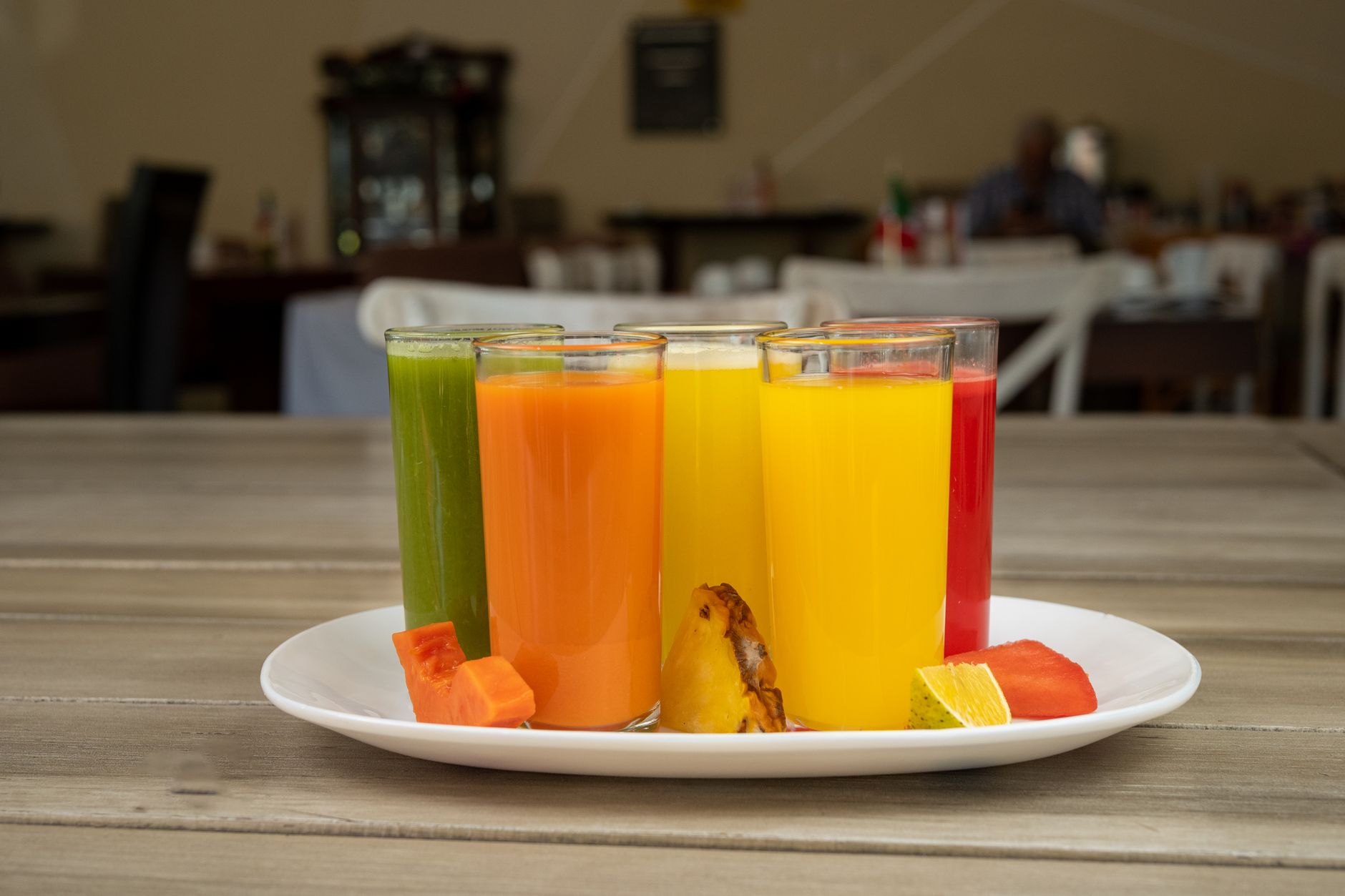
Juice can be a refreshing treat for kids, but knowing when to introduce it—and in what amounts—can be confusing for parents. Understanding the right timing and the health implications can help ensure that children receive the nutrients they need while enjoying flavorful beverages.
This article aims to provide a comprehensive guide on when kids can have juice, covering guidelines from various health organizations, recommendations based on age, optimal selections, serving sizes, and tips for making juice a healthy part of a child’s diet.
When Can Kids Have Juice?
Generally, it’s recommended that children can start having juice at around 12 months of age. However, the type of juice, the amount consumed, and the age of the child play crucial roles in how and when juice can be served.
Guidelines from Health Organizations
Leading health organizations, such as the American Academy of Pediatrics (AAP), provide clear guidelines on when and how to introduce juice into a child’s diet. Here are the key recommendations:
- Under 1 Year: Juice is not recommended. Exclusive breastfeeding or formula-feeding should be the focus for infants.
- Ages 1-3: Limit juice intake to 4 ounces (120 ml) per day. At this age, whole fruits should be encouraged, as they provide fiber and nutrients without added sugars.
- Ages 4-6: Limit juice to 4-6 ounces (120-180 ml) per day. This small amount can supplement a balanced diet but should not replace whole fruits.
- Ages 7-18: A maximum of 8 ounces (240 ml) of juice per day is advised. Juice can be a part of a healthy diet but should be balanced with solid foods.
Why Wait Until 12 Months?
The digestive systems of infants under one year are not yet fully developed, making it challenging to process juice. Additionally, fruit juices can contribute to dental issues, gastrointestinal upset, and may lead to excessive calorie intake. By waiting until after the first year, parents can ensure that their child’s diet is primarily based on breast milk or formula, which provides essential nutrients.
Healthy Juice Choices
When introducing juice to children, the choice of fruit is essential. Here are some recommendations for healthy juice options:
- 100% Fruit Juice: Always choose varieties labeled as “100% juice” to avoid added sugars and preservatives.
- Limit Citrus Juices: Orange juice is common, but it can be harsh on young tummies. Diluting it with water may help.
- Vegetable Juices: Low-sodium vegetable juices can be a great alternative. Look for varieties with no added sugars.
- Fresh Juices: When possible, opt for freshly squeezed juice, which contains more nutrients than store-bought versions.
Serving Sizes: Finding the Right Balance
Not only is the timing crucial, but understanding appropriate serving sizes is equally important. For young children, juicing can quickly lead to overconsumption of calories and sugar.
Recommended Serving Sizes
| Age Group | Recommended Juice Serving Size |
|---|---|
| 1-3 years | 4 ounces (120 ml) |
| 4-6 years | 4-6 ounces (120-180 ml) |
| 7-18 years | 8 ounces (240 ml) |
These serving sizes are not merely suggestions; they are aimed at ensuring that children gain vital nutrients without falling into the trap of high sugar intake.
Alternatives to Juice
If you’re looking to avoid juice altogether or limit its intake, there are excellent alternatives:
- Water: Always the best choice for hydration. Offering water will promote healthy habits for life.
- Infused Water: For flavor, consider infusing water with slices of fruits like strawberries or cucumber.
- Milk: Provides essential calcium and vitamin D, which are important for growing children.
- Smoothies: These can combine whole fruits with yogurt or milk, providing a nutritious option that includes fiber.
Making Juice at Home
Making juice at home can be a fun and healthy way to control what goes into your child’s drink. Here’s how to prepare fresh juice along with some helpful tips:
Essential Equipment
- Juicer or blender
- Cutting board
- Knife
- Strainer (if using a blender)
- Measuring cups
Basic Juice Recipe
- Choose your fruits. Great options include apples, pears, oranges, and kale for a nutrient boost.
- Wash and peel (if necessary) your fruits.
- If using a juicer, simply feed pieces of fruit through the machine. For a blender, chop into smaller pieces and blend with a bit of water.
- For blender juice, strain the mixture using a fine mesh strainer or cheesecloth to remove pulp.
- Serve immediately or store in the refrigerator for up to 24 hours.
Common Mistakes to Avoid
When introducing juice into a child’s diet, there are a few common pitfalls to be aware of:
- Choosing Sugary Drinks: Avoid juice drinks and soda, as they are typically high in added sugars.
- Forgetting About Whole Fruits: Juice should not replace whole fruits. Whole fruits provide fiber and help prevent glucose spikes.
- Not Diluting Juice: Consider diluting juice with water, especially for toddlers, to reduce sugar intake.
- Using Juice as a Meal Replacement: Juice should be an addition to meals—not a substitute for them.
Health Concerns Regarding Juice Consumption
Excessive juice consumption can lead to several health issues for children:
- Tooth Decay: The natural sugars in juice can lead to cavities, especially if consumed frequently or sipped throughout the day.
- Gastrointestinal Issues: Too much juice can lead to diarrhea or stomach cramps due to high sugar content and low fiber.
- Imbalanced Diet: Relying too heavily on juice can replace essential nutrients that come from solid foods.
Encouraging Healthy Beverage Habits
Teaching children about healthy beverage choices from an early age is crucial for long-term health.
- Involve Kids in the Process: Let kids help select fruits for juicing or creating their drinks to encourage interest.
- Set an Example: Children are more likely to try healthy options when they see their parents drinking water or fresh juice.
- Educate on Moderation: Help children understand that while juice can be a nice treat, whole fruits and water are better options most of the time.
How to Store Juice
If you prepare juice ahead of time, proper storage is important to maintain its freshness and safety. Here are some guidelines:
- Use Glass Containers: Store juice in glass containers to preserve flavor and quality.
- Refrigerate Immediately: Store juice in the fridge as soon as possible, and use within 24 hours for optimal freshness.
- Label Containers: Especially if you’re storing different flavors or varieties, labeling can prevent mix-ups and help you keep track of freshness.
Conclusion
Introducing juice to a child’s diet can be enjoyable and beneficial when done at the right time and quantity. By following the guidelines set forth by health organizations, choosing wise juice options, and encouraging moderation, parents can include juice in a manner that promotes healthy eating habits.
As you navigate juice options for your kids, consider exploring delicious recipes such as pineapple lemonade or raspberry juice. These drinks can provide refreshing alternatives to typical juice while ensuring that your children enjoy a healthy, balanced diet.
For more delightful recipes, check out our pineapple lemonade recipe and raspberry juice recipe.