
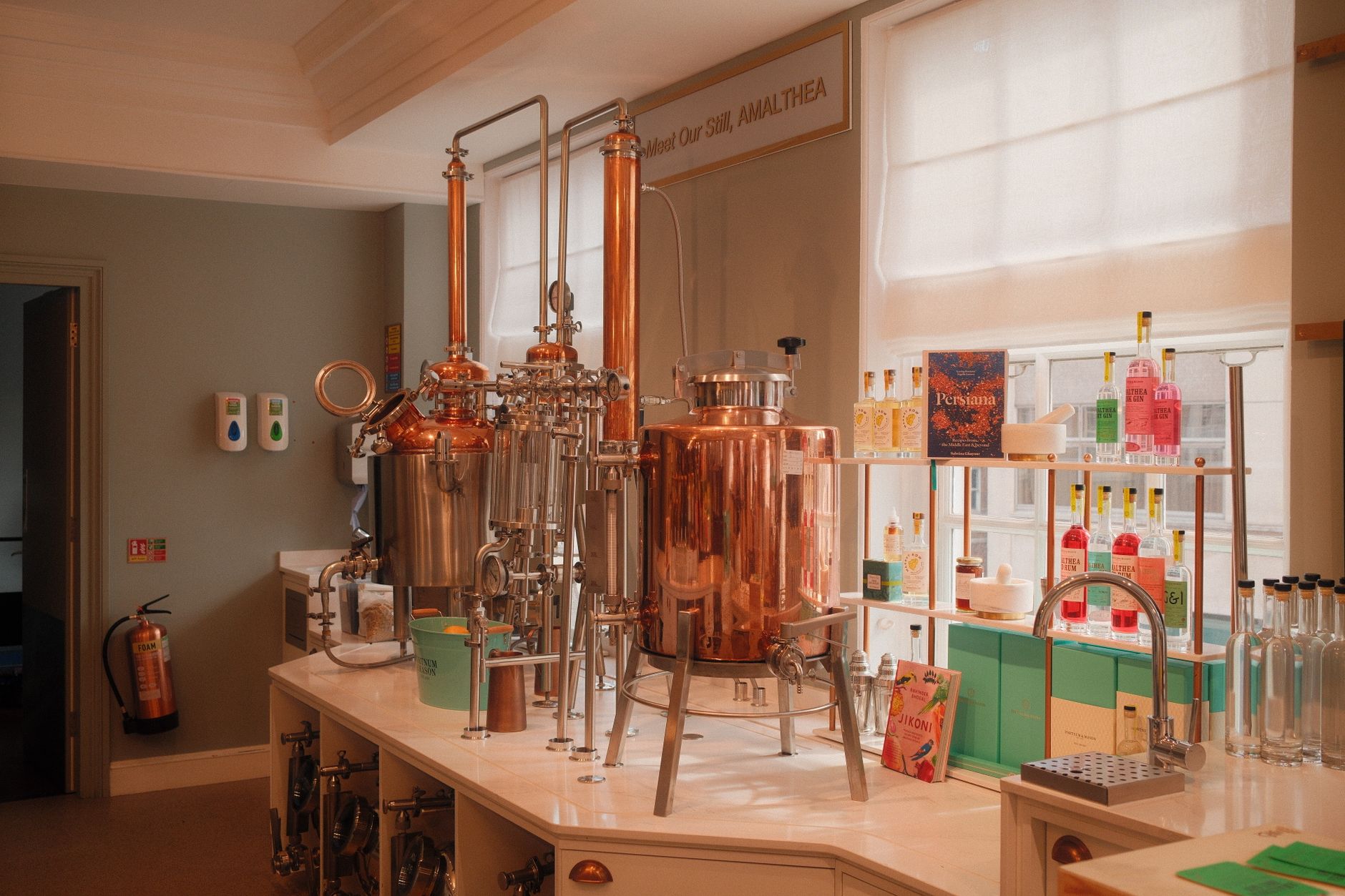
For those who appreciate spirits, gin holds a special charm due to its unique flavors and history. Understanding how gin is made can deepen your appreciation of this beloved drink. From the selection of botanicals to the distillation process, each step contributes to the distinct character of the final product.
This guide will take you through the essential stages of gin production, key ingredients, and helpful tips to explore this remarkable spirit. Let’s look at how gin is made.
How Is Gin Made?
Gin is made through a meticulous process involving distillation, flavoring with botanicals, and refining to achieve its unique taste. The primary steps include selecting the base ingredients, distilling the spirit, infusing it with botanicals, and bottling it for consumption.
The Ingredients Used in Gin
The production of gin starts with a few key ingredients, each playing an important role. Understanding these ingredients can help you appreciate the nuances of different gin varieties.
- Base Spirit: The foundation of gin is a neutral grain spirit, often made from barley, corn, rye, or wheat. This provides a clean slate for the inclusion of botanicals.
- Juniper Berries: A defining characteristic of gin, juniper berries impart a pine-like flavor that distinguishes gin from other spirits.
- Botanicals: Besides juniper, many other botanicals are used, such as coriander, angelica root, citrus peels, cardamom, and various herbs. These contribute to the complexity and diversity of flavors.
- Water: Purified water is essential for diluting the distilled spirit before bottling, affecting the final taste and mouthfeel.
The Distillation Process
The distillation process is where the magic happens in gin making. It generally involves several key steps, which can vary between distilleries.
1. Fermentation
The process usually begins with fermentation, where the grain mash is converted into alcohol. Yeast is added to the mash, resulting in a low-alcohol wash. While some distilleries use this wash directly, others choose to distill it further.
2. First Distillation
During the first distillation, the fermented wash is heated in stills (traditional pot stills or column stills). As the wash heats up, the alcohol evaporates, separating it from the solids and other components. The vapor is then collected and condensed back into liquid form.
3. Second Distillation with Botanicals
The spirit obtained from the first distillation is referred to as “low wines.” It is then distilled again in the presence of botanicals. Various methods exist for infusing botanicals during this second distillation:
- Basketing: Botanicals are placed in a basket or compartment above the liquid in the still, allowing the vapor to extract flavors without direct contact.
- Steeping: Botanicals are steeped directly in the neutral spirit before the distillation process, allowing for deeper flavor extraction.
- Cold Distillation: Some modern gin producers use vacuum distillation to preserve delicate botanical flavors, particularly essential oils, which can be lost during normal distillation.
4. Collection of the Distillate
During distillation, different components vaporize at various temperatures. Distillers often monitor and adjust the distillation process to isolate the “heart,” the portion of the distillate that is pure and aromatic. The “heads” (the first part of the distillate, often undesirable) and “tails” (the last part, less flavorful) are typically discarded or redistilled.
5. Dilution and Bottling
After distillation, the heart is diluted with water to reach the desired alcohol content, typically around 40% ABV (alcohol by volume). It is then filtered for clarity and bottled, ready for consumers.
Types of Gin
Gin can be categorized into various types based on production methods and flavor profiles. Here are some common types:
- London Dry Gin: A popular type characterized by its strong juniper flavor, typically made without sweeteners after distillation.
- Plymouth Gin: Originating from Plymouth, England, this style is slightly sweeter and has a somewhat earthier flavor due to the region’s specific terroir.
- Old Tom Gin: A sweeter style of gin, it offers a balanced flavor often used in classic cocktails.
- Geneva: A Dutch style of gin that is maltier and richer, often crafted using traditional distillation techniques.
- New Western Gin: These gins focus more on botanicals other than juniper, showcasing a wide variety of flavors.
Flavors and Aromas in Gin
gin’s flavor profile varies widely depending on the botanicals used in production. Here’s a closer look at how different ingredients affect the taste and aroma:
Juniper Berries
As the dominant flavor in gin, juniper berries lend a fresh, pine-like aroma and a crisp, slightly bitter taste. The intensity of juniper can vary based on the distillery’s recipe, from prominent to subtle.
Citrus Zest
Citrus peels, such as lemon, lime, or orange, are commonly added to gin. These contribute bright and zesty notes, adding a refreshing quality to cocktails.
Herbs and Spices
Botanicals like coriander, cardamom, and fennel introduce warmth and complexity. These spices provide depth and intrigue to the flavor profile, creating a layered drinking experience.
Floral Notes
Some gins incorporate floral botanicals like lavender or chamomile, resulting in a delicate, aromatic quality that adds an inviting dimension to the spirit.
Earthy Tones
Ingredients such as angelica root or orris root can impart grounding, earthy flavors that complement the brighter notes found in gin.
Common Mistakes in Gin Production
Though the gin-making process might seem straightforward, distillers can encounter challenges. Here are some common mistakes to avoid:
- Qualitative Ingredients: Using low-quality grains or botanicals can drastically affect the flavor of the final product. Opt for high-quality ingredients to ensure a better spirit.
- Over-Distillation: Distilling too aggressively can strip desirable flavors from the spirit. It’s essential to monitor the process closely during distillation.
- Ignoring Balance: It’s important to achieve a harmonious balance between the botanicals used. Overwhelming a distillation with too many ingredients can lead to confusion in flavor.
Making Gin at Home
While commercial gin production requires specialized equipment and expertise, making a small batch of infused gin at home can be an enjoyable and rewarding experience. Here’s a simple method to create your own flavored gin:
What You’ll Need
- 750 ml of neutral grain spirit (such as vodka)
- 2 tablespoons of crushed juniper berries
- Various botanicals (citrus peels, herbs, spices) of your choice
- A large glass jar with a lid
- A fine mesh strainer or cheesecloth
- A clean bottle for storage
Method
- Start by selecting your botanicals. A general guideline is to use one part juniper for every two parts of other botanicals.
- Add the juniper berries and your selected botanicals to the glass jar.
- Pour the neutral grain spirit into the jar, ensuring the botanicals are fully submerged.
- Seal the jar tightly and let it sit in a cool, dark place for 24 to 48 hours. Taste periodically to gauge the flavor infusion. Adjust the infusion time based on your flavor preference.
- When satisfied, strain the gin through a fine mesh strainer or cheesecloth to remove solid botanicals.
- Transfer the filtered gin to a clean bottle and store it in the refrigerator or a cool place.
Experimenting with different botanicals will help you develop a unique flavor that suits your palate.
Serving Suggestions
Once you’ve made or selected your favorite gin, enjoying it is the next step. Here are some classic serving options and cocktail ideas:
- Gin and Tonic: A simple mix of gin and tonic water served over ice with a wedge of lime makes for a refreshing drink.
- Martini: A classic martini combines gin with dry vermouth, garnished with an olive or lemon twist for a sophisticated sip.
- Negroni: This cocktail blends gin, sweet vermouth, and bitter Campari, resulting in a bold, aromatic drink.
- Gin Fizz: A mix of gin, lemon juice, simple syrup, and soda water for a bubbly refreshing drink.
Storage and Shelf Life
While the taste of gin may change slightly over time, particularly once opened, it generally has a long shelf life due to its high alcohol content. Store unopened bottles upright in a cool, dark place to maintain their quality. Once opened, it is best to consume within a few years for optimal flavor.
Conclusion
Understanding how gin is made can elevate your enjoyment of this versatile spirit. From selecting botanicals to the distillation process, every step factors into the flavors you experience. Whether you’re sipping a classic cocktail or crafting your own infused gin at home, the world of gin offers endless exploration. Cheers to your newfound knowledge of gin!
If you’re interested in further expanding your cocktail repertoire, consider trying a dry gin martini recipe or exploring a gin and juice combination. Each drink offers a unique take on this beloved spirit.