
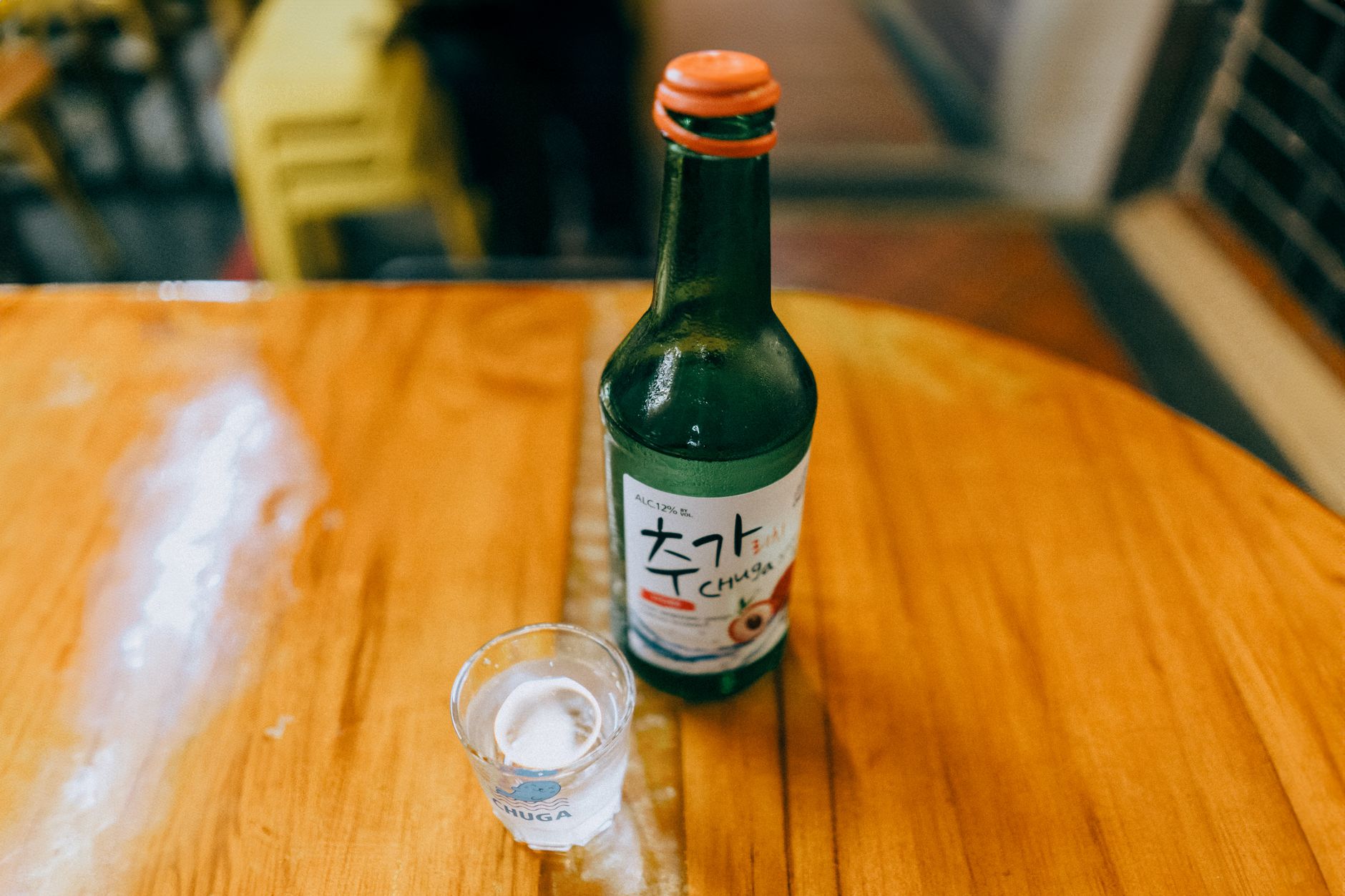
Soju is a traditional Korean distilled spirit that has gained popularity worldwide, known for its versatility and unique flavor profile. One of the most common questions around soju is whether it is sweet. Understanding the sweetness of soju is essential not only for enthusiasts but also for those who might want to incorporate this drink into various cocktails or pair it with different dishes.
This guide delves deep into soju’s sweetness, exploring its flavor characteristics, how it compares to other spirits, variations in sweetness depending on the brand and type, and tips on how to enjoy it best.
Is Soju Sweet?
Soju can be somewhat sweet, but its sweetness greatly depends on the brand and specific variety. While traditional soju is generally not classified as sweet in the same way as some liquors, many flavored versions do exhibit noticeable sweetness. The sweetness levels can range from neutral to sweet, making it a versatile choice for various tastes.
What Is Soju?
Soju is a clear, distilled alcoholic beverage originating from Korea, made primarily from rice, wheat, or barley, although it can also be produced from sweet potatoes or tapioca. It has an alcohol content that typically ranges from 16% to 25%. Historically, soju has been consumed straight, but its adaptability to cocktails has contributed to an increasing variety of formulations, particularly flavored sojus.
The Sweetness of Soju: A Closer Look
The flavor profile of soju varies significantly depending on the ingredients used during the distillation process and the method of production. Generally, traditional soju is characterized by a smooth, clean taste without overwhelming sweetness. However, the sweet element can be more pronounced in flavored varieties.
Traditional vs. Flavored Soju
- Traditional Soju: This type typically has a mild and neutral taste, making it easy to drink straight or mix into cocktails. The sweetness here is not very prominent.
- Flavored Soju: Many brands have introduced flavored sojus, which include fruity or dessert-inspired flavors. These can range from sweet to intensely sweet, appealing to a wider variety of palates.
Understanding Sweetness in Soju
To grasp how sweetness is defined in the context of soju, it’s useful to compare it with other spirits and beverages. The balance of flavors in any alcoholic beverage hinges on the ingredients and the fermentation process. In spirits, sweetness generally comes from residual sugars left after fermentation or added during production.
Comparing Soju to Other Spirits
- Vodka: Characteristically neutral, vodka lacks sweetness. Soju can be similar but maintains a unique flavor due to its fermentation process.
- Whiskey: Typically sweeter than soju due to the caramelization of sugars during the aging process in barrels.
- Rum: Often sweet, especially spiced or dark rums, which far exceed traditional soju’s sweetness level.
Types of Soju and Their Sweetness
Several types of soju are available in the market, each with different sweetness scales. Below are a few popular varieties and their descriptions:
1. Jinro Soju
One of the best-selling brands worldwide, Jinro offers a classic soju that is relatively neutral with slight sweetness. Their flavored sojus, like peach and grapefruit, tend to be much sweeter.
2. Chamisul Soju
Chamisul is known for its clean taste and smooth finish. Its original version is not very sweet, while its flavored variants, such as apple and lemon, have a more evident sugary taste.
3. Andong Soju
This traditional, handmade soju has a rich history and a unique taste. It has a more complex flavor profile and minimal sweetness compared to mass-produced varieties. It is often regarded as more robust.
4. Flavored Soju
Flavored sojus can contain significant amounts of added sugars, making them an excellent choice for those who enjoy indulgent flavors. These include options like strawberry, yogurt, and even creamy versions, all with varying levels of sweetness.
How to Enjoy Soju
Understanding how to enjoy soju translates directly to enhancing its flavor profile. The sweetness, or lack thereof, will impact how you choose to consume it. Here are some ways to enjoy soju:
1. Straight
For traditionalists, soju is best enjoyed straight in a chilled shot glass. The flavor is clean and smooth, allowing you to appreciate its subtleties and experience the alcohol without interference from mixers.
2. On the Rocks
Serving soju over ice is an excellent way to mellow its flavors while keeping it highly drinkable. This method can slightly alter its sweetness perception, as the cold temperature can suppress the taste buds.
3. Cocktails
Soju’s versatility makes it an ideal base for various cocktails. Flavored sojus work particularly well in cocktails, blending easily with fruit juices, sodas, and other mixers. For instance, combining grapefruit soju with tonic water creates a refreshing drink.
4. Pairing with Food
Soju pairs exceptionally well with Korean cuisine, thanks to its clean taste that complements rather than masks flavors. Foods like spicy kimchi, grilled meat, and even lighter dishes like sushi or salads can be enhanced with a sip of soju. The slightly sweet soju can balance the heat in spicy dishes.
Helpful Tips for Selecting Soju
When shopping for soju, consider the following tips to maximize your enjoyment:
- Read Labels: Check the label for hints on sweetness level. Flavored sojus typically declare their flavor, giving you an idea of the sweetness.
- Sample Different Brands: Not all sojus are created equal; tasting a few popular brands will help you understand your preferences.
- Ask for Recommendations: If you’re in a restaurant or bar, don’t hesitate to ask for suggestions tailored to your taste.
- Experiment with Mixers: Finding the right combinations with mixers can enhance the drinking experience and tailor sweetness levels to personal preference.
Common Mistakes to Avoid with Soju
Here are some common pitfalls that can diminish your soju experience:
- Over-chilling: While enjoying soju can be refreshing over ice, excessive chilling can dull its flavor profile. Keep it cool but not overly icy.
- Mixing Poorly: Avoid using mixers that overwhelm soju’s delicate taste. Aim for lighter or complementary flavors.
- Choosing the Wrong Pairing: Selecting meals that clash with soju can lead to poor food and drink synergy. Opt for cuisines that enhance its benefits.
Storage and Serving Suggestions
Soju is relatively easy to store. Here are some tips:
- Store in a Cool Place: Keep your soju in a cool, dark location, similar to how you would store any other spirit.
- Consume Responsibly: Like any alcoholic beverage, enjoy in moderation, especially when trying new brands or flavored types.
- Use Appropriate Glassware: Soju is traditionally served in shot glasses. However, feel free to experiment with highball glasses for cocktails or on the rocks.
Conclusion
Soju’s sweetness varies widely depending on the style and type, with traditional options leaning toward a mild, neutral flavor and flavored versions offering a range of sweet profiles. Understanding these differences can enhance your enjoyment, whether sipping it straight, savoring it chilled, or mixing it into cocktails. By exploring various brands and experimentation with food pairings, you can find the perfect soju experience tailored to your taste buds.
For a fresh cocktail, consider trying out a soju drink recipe. Or if you’re interested in rounding out your meal with refreshing beverages, check out this Korean barley tea recipe for a delightful pairing.