
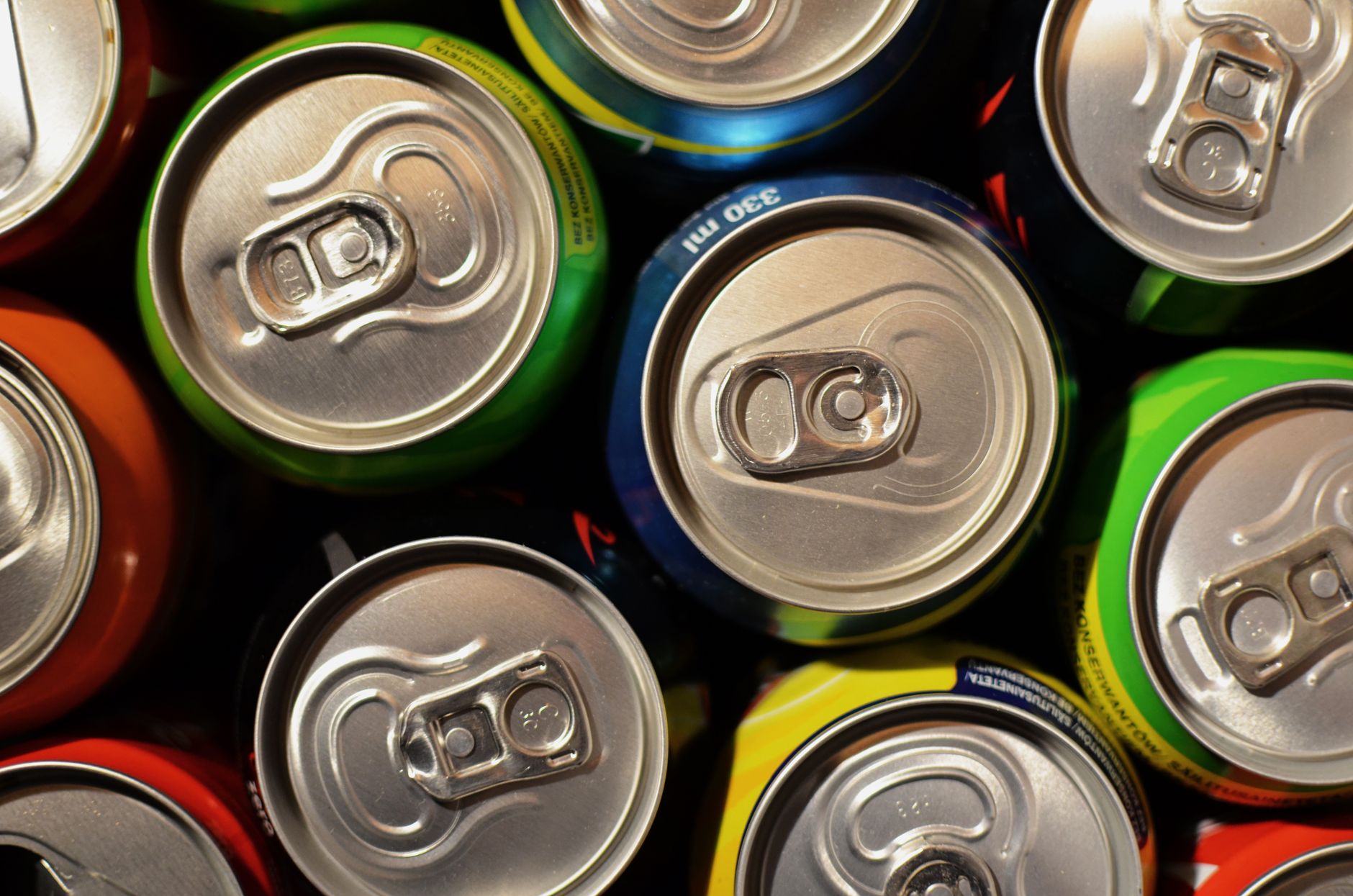
The phrase “soda can bulge back pop” typically refers to the phenomenon of a soda can deforming, often becoming bulged or puffed out. Understanding why cans bulge, the safety concerns associated with them, and how to handle potentially compromised sodas is crucial for any consumer. This guide will delve into the reasons for bulging soda cans, how to assess their safety, and the proper methods to dispose of or utilize such cans.
Soda cans can bulge for various reasons, including temperature changes, manufacturing defects, and fermentation processes. While it might seem innocuous, bulging cans can indicate that the contents within have been compromised. Below, we will outline the details regarding bulging cans, safety tips, and the best ways to ensure that you enjoy your beverages without worry.
What Causes Soda Cans to Bulge?
Understanding why soda cans bulge is essential for safety and quality assurance. Here are some common causes:
- Temperature Fluctuations: Rapid changes in temperature can cause the pressure inside the can to increase. When a can of soda is heated, the carbon dioxide gas dissolved in the liquid expands. If the can is sealed, this altitude in pressure can lead to bulging.
- Fermentation: In cases where a can contains sugary soda or fruit-flavored beverages, improper storage or outdated stock can sometimes lead to fermentation. Yeasts can reproduce inside the can, producing carbon dioxide as a byproduct, leading to a bulging can.
- Manufacturing Defects: Sometimes, bulges can occur due to flaws in the can during production. These defects might not seal properly, leading to unintentional gas buildup inside.
- Contamination: If bacteria or other contaminants enter the can, they can cause a reaction that generates gas, contributing to bulging.
How to Assess the Safety of a Bulging Soda Can
It is crucial to assess whether a bulging soda can is safe to consume. Here’s how you can evaluate it:
- Examine the Can: Check for any visible leaks, dents, or punctures. A bulging can that is also leaking is unsafe and should not be opened.
- Listen for Gas Release: When opening a bulging can, be attentive. If you hear a loud pop and the liquid rushes out, it may indicate over-carbonation or fermentation.
- Smell the Contents: If the soda has an unusual smell when opened, it could be a sign of spoilage or fermentation. This is a clear indicator that you should not consume it.
- Check Expiration Dates: Always check the expiration dates on cans. If a can is bulging and past its expiration, it’s safest to discard it.
Safety Precautions When Handling Bulging Soda Cans
If you have a bulging soda can, follow these safety precautions to minimize risk:
- Do Not Shake the Can: Shaking a bulging can can increase the pressure inside and result in an explosive release of soda when opened.
- Wear Protective Gear: When handling a bulging can, consider wearing safety glasses and gloves, particularly while opening it, in case of bursting.
- Open Outside: If you decide to open a bulging can, do so outside or over a sink, taking care to maintain distance from your face.
- Dispose Responsibly: If you determine that the can is unsafe, it is critical to dispose of it properly. Wrap it in several layers of newspaper or place it in a sealed plastic bag before discarding it in the trash.
What to Do with Bulging Soda Cans
While it’s generally advisable not to consume soda from a bulging can, there are a few situations where the content may be salvageable.
1. Safe to Use Sodas (Rare Cases)
In rare cases, the bulge might not pose any safety concern if the can is intact and within the expiration date. You might still choose to chill it and enjoy it cautiously.
2. Cooking and Baking Uses
If the soda is deemed safe after thorough examination, consider using it in cooking or baking. Here are some possible applications:
- Marinades: Use flat soda as a base for marinades. The sugars in the soda can help tenderize meats.
- Sweetening Sauces: Add soda to sauces, dressings, or reductions to impart a sweet flavor.
- Baking: Replace liquids in recipes with soda for added flavor. For example, use soda instead of water in cake recipes to enhance taste.
Common Mistakes to Avoid with Soda Can Safety
When dealing with soda cans, particularly bulging ones, it’s easy to make mistakes. Avoid the following:
- Ignoring Signs of Damage: Never ignore visible signs of swelling, leaks, or abnormal sounds when opening the can.
- Assuming It’s Safe: Just because a can is bulging doesn’t automatically mean it’s spoiled. Always assess it thoroughly before consuming.
- Trying to ‘Fix’ It: Never attempt to puncture or manipulate a bulging can to relieve pressure. This can cause safety issues.
- Storing Bulged Cans: Avoid keeping bulged cans in your pantry. It’s best to discard them after assessment.
Disposing of Unsafe Soda Cans
In cases where a cane is deemed unsafe for consumption, proper disposal is necessary. Follow these steps:
- Seal the Can: Wrap the can in a plastic bag or layered newspaper to avoid exposure during transport.
- Recycling Considerations: Bulging cans should typically not be recycled. Check local guidelines for disposing of compromised cans.
- Place in Trash: Discard the securely wrapped can in your regular household trash.
Conclusion
Understanding the risks and handling procedures associated with bulging soda cans allows for safer consumption. If you come across a bulging can, always assess its condition thoroughly before making any decisions. Disposing of it correctly ensures safety for you and those around you.
For more tips on beverages and creative cooking ideas, check out our delicious orange soda recipe or discover how to make your own tonic water. Your culinary adventures await!