
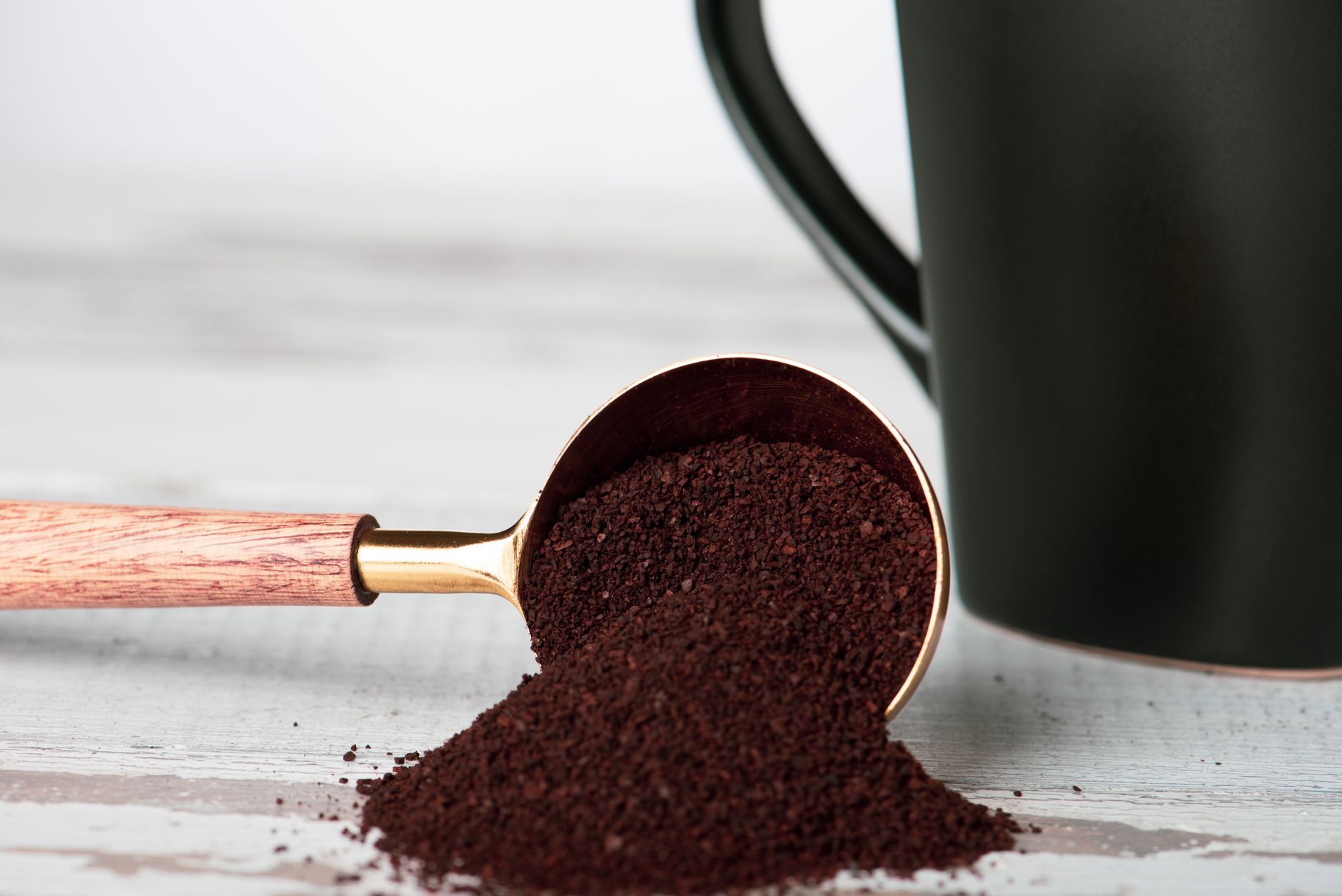
When it comes to brewing the perfect cup of coffee, the right amount of ground coffee is essential for achieving that desired flavor and aroma. Understanding the proper measurement can elevate your coffee experience, allowing you to enjoy a rich and satisfying brew every time. This guide will help you navigate through the various factors influencing how many scoops of ground coffee per cup you should use.
In this comprehensive article, we’ll explore coffee-to-water ratios, variations based on brewing methods, practical tips for measuring, and common mistakes to avoid. Whether you’re a coffee enthusiast or just looking to improve your morning routine, this resource will provide you with valuable insights.
How Many Scoops Of Ground Coffee Per Cup?
The general guideline for brewing coffee is to use 1 to 2 tablespoons (or scoops) of ground coffee per 6 ounces of water. Typically, this means using one scoop for a lighter brew and two scoops for a stronger flavor. However, preferences may vary based on personal taste, the type of coffee bean, and brewing method.
Understanding Coffee-to-Water Ratios
To get started, it’s important to grasp the coffee-to-water ratio. A standard measurement that many coffee aficionados adhere to is 1:15, meaning 1 part coffee to 15 parts water. This ratio can slightly vary based on brewing techniques and personal preference.
Common Ratios for Different Strengths
- Light Strength: 1 tablespoon of coffee per 6 ounces of water
- Medium Strength: 1.5 tablespoons of coffee per 6 ounces of water
- Strong Strength: 2 tablespoons of coffee per 6 ounces of water
Experimenting with these ratios can help you find the perfect balance that suits your taste. Also, keep in mind that different coffee types and blends can require adjustments to your measurements.
Brewing Methods and Their Impact on Measurements
Depending on how you choose to brew your coffee, the amount of ground coffee you’ll need may change. Each method has its characteristics that could influence the final taste and strength of your brew. Below are some common brewing methods and suggestions for measuring coffee grounds.
Drip Coffee Maker
For a standard drip coffee maker, a good starting point is 1 to 2 tablespoons of ground coffee for every 6 ounces of water. Most coffee makers have measurements on the water reservoir, making it easy to adjust quantities based on the number of cups you wish to brew.
French Press
The French press brewing method often requires a bit more coffee for a fuller flavor. Use 2 tablespoons of coarsely ground coffee for every 6 ounces of water. Let it steep for about 4 minutes before pressing down the plunger for a rich aroma.
Pour-Over
Pour-over coffee allows for more control over the brewing process. Use a ratio of 1:15 — 1 gram of coffee per 15 grams of water. For 10 ounces of coffee, that would equate to roughly 2.6 tablespoons of ground coffee. The key is to let the water slow down through the coffee for optimal extraction.
Espresso
Espresso requires much finer coffee grounds and a higher coffee-to-water ratio. Typically, you’ll use 2 tablespoons (or about 10 grams) of ground coffee for a single shot of espresso (1 ounce). For a double shot, use 4 tablespoons (or about 20 grams).
Aeropress
With an Aeropress, you can use around 1 to 2 tablespoons of finely ground coffee for each 6 to 8 ounces of water, depending on your strength preference. The steeping time and brewing pressure will impact the final flavor as well.
Practical Tips for Measuring Ground Coffee
Consistency in measuring your coffee can significantly influence your brewing experience. Here are some practical tips to keep in mind:
- Use a scale: For the most accurate measurement, using a kitchen scale to weigh your coffee grounds can be highly effective, particularly for precision brewing methods.
- Standard scoop size: If you prefer using scoops, know that a standard coffee scoop holds about 2 tablespoons. This can simplify measuring for those who do not have a scale.
- Ground size matters: The grind of your coffee affects extraction time. Finer grinds need less steeping time while coarser grinds will require longer. Adjust your coffee to water ratio accordingly depending on your grind.
- Consistency in water temperature: Using water that is around 195°F to 205°F (about 90°C to 96°C) will also help achieve a more balanced extraction of flavors.
Common Mistakes and How to Avoid Them
Even seasoned coffee drinkers can make mistakes. Here are some common pitfalls and how to avoid them:
- Not measuring accurately: Estimating scoops can lead to inconsistency. Always measure your grounds to ensure that you’re achieving the desired strength and flavor.
- Using stale coffee: Coffee loses flavor over time. Ensure your beans are freshly roasted, and store them in an airtight container in a cool, dark place.
- Neglecting water quality: The taste of your water significantly affects the final brew. Always use filtered water whenever possible for a cleaner flavor profile.
- Over- or under-extracting: Adjust your brew time and method to avoid bitterness (over-extraction) or a sour taste (under-extraction).
Making Adjustments for Different Coffee Types
The type of coffee you choose also plays a significant role in determining how many scoops to use. Here are a few pointers for different coffee types:
Single-Origin Coffees
Single-origin coffees often have unique flavor profiles, which may require slight adjustments to your coffee-to-water ratio. Start with the standard recommendation and modify based on your taste preferences.
Blends
Coffee blends can vary more in flavor intensity and require careful measuring. Depending on the blend, aim for the medium strength ratio and adjust based on trial and error.
Flavored Coffees
Flavored coffees often have added spices or flavorings, which may change how you perceive the coffee’s strength. Start with the lower end of the scoop range and see how the flavor develops.
Caffeine Content Considerations
Caffeine levels vary significantly among different types of coffee and how they’re brewed. Using a higher coffee-to-water ratio typically results in a higher caffeine content. Keep this in mind if you’re sensitive to caffeine or are looking for a more energetic brew.
Cooling Off and Testing Your Brew
After brewing, let your coffee sit for a minute or two before tasting. This cooling process allows the flavors to develop. Take a sip, and if you find that it’s too weak or strong, adjust your next brew accordingly, considering both the grind size and the amount of coffee used.
Conclusion
Finding the right amount of ground coffee per cup can enhance your daily coffee ritual, helping you achieve the perfect brew tailored to your taste. By understanding the essential coffee-to-water ratios, the impact of brewing methods, and practical measuring techniques, you’ll empower yourself to create a delicious cup every time.
Take some time to experiment and enjoy the brewing process. Consider adjusting the quantity of coffee grounds based on your preferences and the specific beans you’re using. With practice, you’ll become adept at crafting finely tuned brews that satisfy your palate.
For more delicious coffee ideas, check out our Brown Sugar Coffee Recipe or explore our Amaretto Coffee Creamer Recipe for delightful variations on your morning cup.