
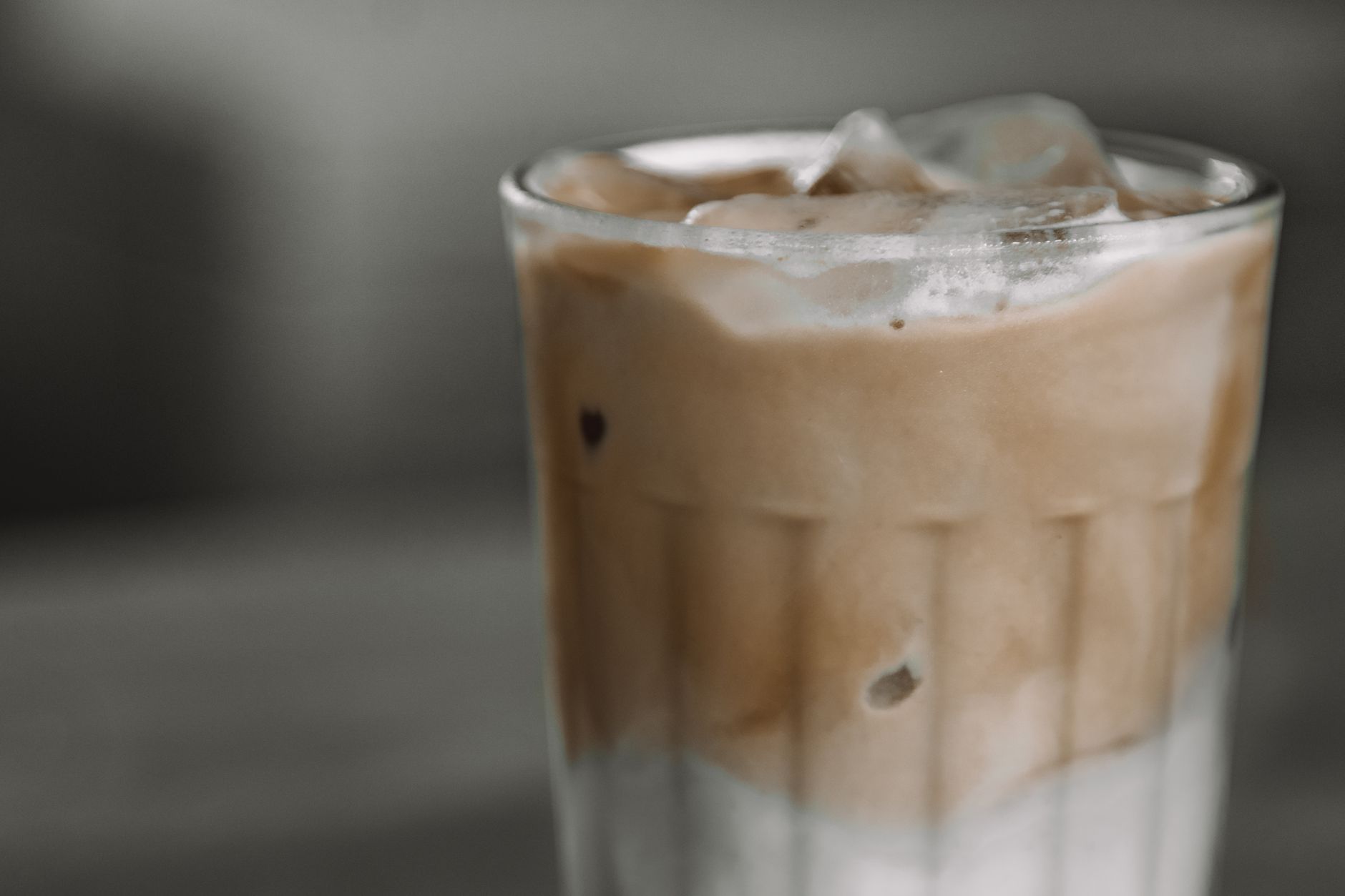
Many coffee lovers find themselves wondering, can you refrigerate coffee? Whether you’re preparing a hot beverage or saving some leftovers from your morning brew, it’s crucial to understand how refrigeration affects the flavor and quality of your coffee.
This article will explore the ins and outs of refrigerating coffee, offering tips on how to do it properly, the best practices for storing brewed coffee, and the potential effects on flavor and strength.
Can You Refrigerate Coffee?
Yes, you can refrigerate coffee, but it’s not always the best choice. While refrigeration can slow down the oxidation process that degrades flavor, it may also change the texture and aroma of your coffee. Proper storage methods are essential to maintaining the best flavor and quality.
Why You Might Want to Refrigerate Coffee
There are several reasons why you may consider refrigerating your coffee:
- Leftover Brew: If you have brewed more coffee than you can consume within a few hours, refrigerating can prevent it from going to waste.
- Chilled Beverages: Some people enjoy iced coffee and might refrigerate hot coffee to cool it down more quickly for this purpose.
- Making Iced Coffee: Using chilled coffee to prepare iced coffee helps maintain the drink’s balance and avoid excessive dilution from melting ice.
The Best Ways to Store Coffee in the Refrigerator
To maximize the quality of your refrigerated coffee, follow these best practices:
- Use an Airtight Container: Oxygen is a primary enemy of coffee freshness. Store your coffee in an airtight container to minimize exposure to air, which can lead to oxidation.
- Cool Before Refrigerating: Allow brewed coffee to reach room temperature before placing it in the fridge to avoid condensation, which can dilute the coffee.
- Limit Storage Time: Refrigerated coffee is best consumed within 3 to 5 days. The longer it sits, the more flavors will deteriorate.
- Label Your Container: Write the date on the container to keep track of how long the coffee has been stored.
Understanding Flavor Changes
Refrigerating coffee can alter its flavor profile in several ways:
- Oxidation: While refrigeration slows down oxidation, it doesn’t stop it entirely. Over time, the coffee may develop stale or bitter notes.
- Flavor Separation: Some compounds in coffee may separate or settle when cold, altering the overall flavor experience when reheated.
- Loss of Aroma: Coffee aroma can diminish in the fridge. The smell is a significant part of the overall flavor experience, so a lack of aroma can make reheated coffee less enjoyable.
Reheating Refrigerated Coffee
When it comes to reheating your leftover coffee, the goal is to restore some of its original warmth without ruining its flavor. Here are a few methods:
- Stovetop: Pour your coffee into a saucepan and warm it on low heat. Stir occasionally to ensure even heating and avoid scorching.
- Microwave: Use a microwave-safe container, and heat for 30 seconds at a time, stirring between intervals. This method can result in uneven heating if not monitored closely.
- French Press: If you have a French press, you can pour the coffee back into it, reheat water separately, and steep briefly to reinvigorate the flavor.
Potential Issues with Refrigerating Coffee
While refrigerating coffee has its benefits, it can also present some challenges:
- Bitterness: The cooling process may intensify bitter flavors, especially if the coffee has already begun to go stale.
- Watered Down Taste: If condensation occurs inside the storage container, it can dilute the coffee and alter its taste.
- Absorbing Odors: Coffee is porous and can absorb odors from other items in the refrigerator, which might lead to undesirable flavor changes.
Alternatives to Refrigerating Brewed Coffee
If you’re hesitant about refrigerating your brewed coffee, consider these alternatives:
- Iced Coffee Concentrate: Make an iced coffee concentrate that can be refrigerated and diluted with cold water or milk just before serving. This method preserves flavor and strength. Check out our iced coffee concentrate recipe for details.
- Batch Brewing: If you often find yourself with leftover brewed coffee, consider small-batch brewing to match your consumption needs better.
- Cold Brew: Cold brew coffee is an excellent alternative that can be stored in the refrigerator for longer periods without sacrificing flavor.
Creative Uses for Leftover Coffee
If you have leftover coffee and don’t want to drink it, consider these creative options:
- Baking: Use leftover coffee in baking recipes, like coffee-flavored cakes, brownies, or muffins, to add depth and flavor.
- Smoothies: Blend coffee into smoothies with the addition of bananas, yogurt, or a protein source for an energizing breakfast.
- Homemade Coffee Ice Cream: Making a coffee-flavored ice cream can be a delicious way to repurpose your leftover brew.
Can You Freeze Coffee?
If you want to store coffee for a longer period, freezing is an option. Unknown to many, freezing brewed coffee can preserve your java for weeks or even months:
- Using Ice Cube Trays: Pour cooled coffee into ice cube trays and freeze. You can use these coffee cubes in future drinks without diluting flavors.
- Airtight Freezer Bags: Seal any leftover coffee in an airtight freezer bag. Ensure all air is removed before sealing to prevent freezer burn.
- Storage Duration: Frozen coffee is best used within three months for optimal taste.
Common Mistakes When Refrigerating Coffee
To ensure you make the most of your refrigerated coffee, avoid these common pitfalls:
- Storing in Non-Airtight Containers: As mentioned earlier, exposure to oxygen will diminish flavor. Ensure your container is well-sealed.
- Refrigerating Coffee While Hot: Placing hot coffee directly in the fridge may create condensation, leading to dilution. Always cool before refrigerating.
- Neglecting to Monitor Time: Keep track of your stored coffee’s freshness. Discard it after five days for the best flavor experience.
Conclusion
Refrigerating coffee is possible and can help you manage excess brew. However, proper techniques are crucial to maintain its quality and flavor. Always store coffee in airtight containers, limit your storage time, and understand how reheating can further affect taste. Should you decide not to refrigerate, explore creative alternatives like baking or freezing your coffee to enjoy it later.
Next time you have leftover coffee, consider how you can best preserve its quality, or check out our brown sugar coffee recipe to make your next cup delightfully sweet and rich.