
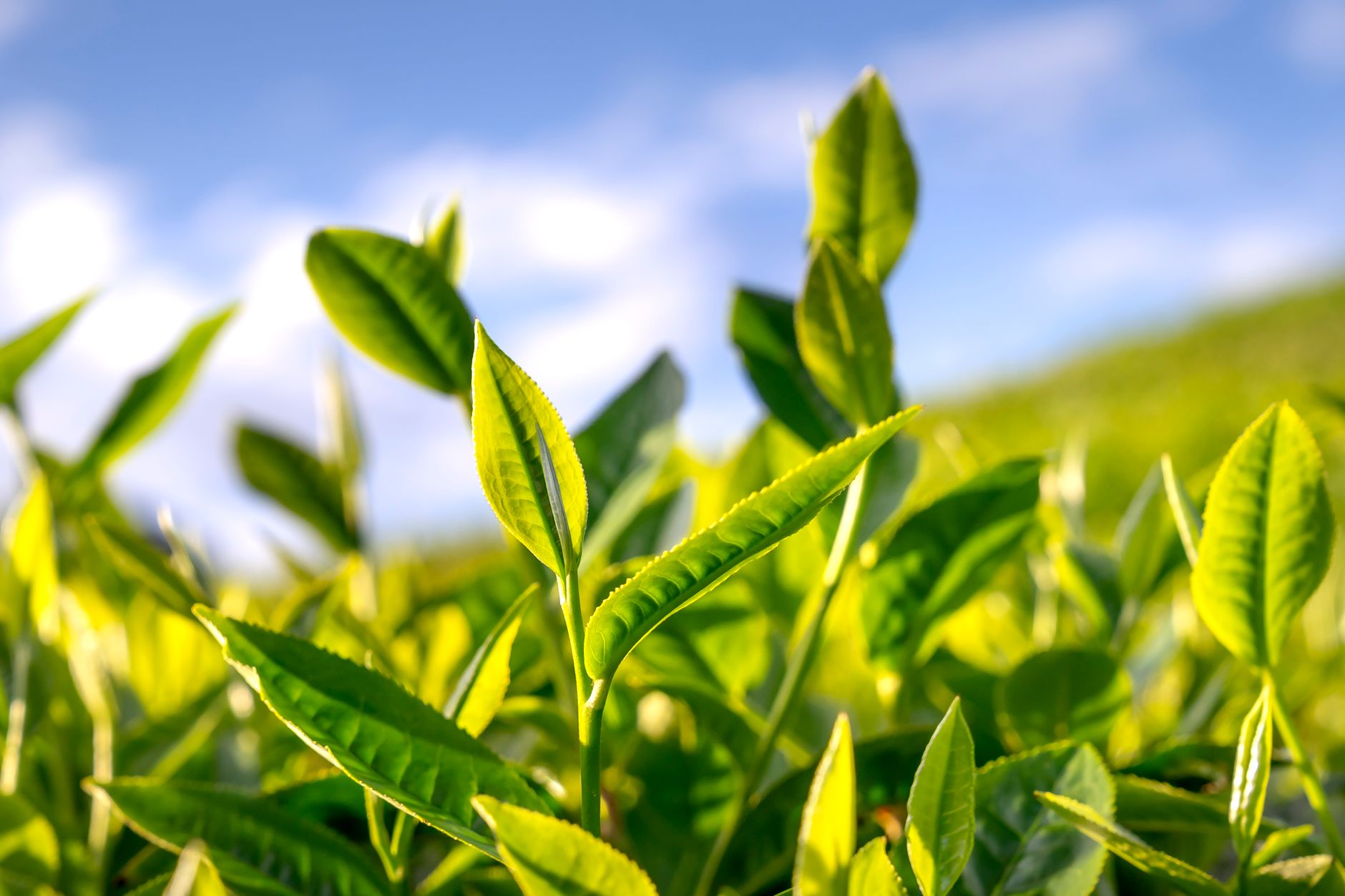
Tea is one of the most popular beverages worldwide, enjoyed not only for its soothing flavors but also for its invigorating effects. Caffeine content can vary significantly across different types of tea, and many enthusiasts seek the varieties that can deliver a more potent kick. This article will guide you through the teas that boast the highest caffeine levels, helping you choose the right brew for your needs.
Understanding caffeine content in tea can enhance your enjoyment and make you a more informed consumer. Whether you need an energy boost in the morning or an afternoon pick-me-up, knowing what tea has the highest caffeine can help you make an informed choice.
What Tea Has The Highest Caffeine?
The tea with the highest caffeine content is generally black tea, particularly varieties like Assam and Ceylon, which can contain about 60-90 milligrams of caffeine per 8-ounce cup. However, certain other tea types, like matcha and some specialty blends, can provide significantly higher caffeine levels.
Understanding Caffeine Content in Tea
Caffeine levels in tea can vary based on several factors, including the type of tea leaves used, the brewing time, and the water temperature. The following parameters can significantly influence how much caffeine you extract from your tea:
- Type of Tea: Different teas contain varying baselines of caffeine. Generally, the darker the tea (like black tea), the more caffeine it has.
- Tea Leaf Size: Smaller leaf teas, like dust or fannings, often steep quicker and may yield more caffeine than larger leaf varieties.
- Brewing Time: The longer you steep your tea, the more caffeine is released. However, this also affects the bitterness and flavor.
- Water Temperature: Hotter water can extract more caffeine from the leaves, contributing to a stronger brew.
Types of Tea and Their Caffeine Levels
Here’s a rundown of various types of tea and their approximate caffeine content per 8-ounce serving:
| Type of Tea | Caffeine Content (mg) |
|---|---|
| Black Tea | 60-90 |
| Green Tea | 20-45 |
| White Tea | 15-30 |
| Oolong Tea | 30-50 |
| Matcha (powdered green tea) | 70-140 |
| Yerba Mate | 70-100 |
| Pu-erh Tea | 50-75 |
Black Tea: The Champion of Caffeine
Black tea is the most consumed tea and offers one of the highest caffeine contents. Specifically, Assam and Ceylon teas stand out for their robust flavor and high caffeine levels.
Assam Tea: Grown in India, Assam tea is known for its bold, malty flavor. Depending on the specific brew, it typically contains 60-90 mg of caffeine. It is often enjoyed plain or with milk.
Ceylon Tea: From Sri Lanka, Ceylon tea has a bright, citrusy flavor profile. It generally has caffeine levels similar to Assam tea, making it a popular choice for those seeking an uplifting beverage.
Green Tea: A Gentle Boost
While lower in caffeine than black tea, certain varieties of green tea, like matcha, can provide a substantial boost. Matcha’s unique preparation method allows for a higher caffeine content.
Matcha: This powdered green tea is prepared by whisking finely ground tea leaves with hot water. It contains about 70-140 mg of caffeine due to the whole leaf consumption, offering a sustainable energy boost without the crash associated with coffee.
White Tea: Subtly Caffeinated
White tea provides a delicate flavor with lower caffeine levels. However, it’s revered for its subtlety and lightness.
Silver Needle White Tea: Known for its elegant, floral notes, Silver Needle may contain 15-30 mg of caffeine. This tea can be an afternoon delight for those who prefer gentler stimulation.
Oolong Tea: A Balanced Option
Oolong tea falls between black and green teas in terms of caffeine content and flavor, offering a unique drinking experience.
Wuyi Rock Oolong: This semi-oxidized tea has rich flavor profiles ranging from sweet and fruity to roasted. It typically contains 30-50 mg of caffeine, making it versatile for various occasions.
Yerba Mate: South America’s Marvel
Though not a traditional tea, yerba mate is widely consumed in South America and provides a unique caffeine profile.
Yerba Mate: Made from the leaves of the Ilex paraguariensis plant, yerba mate contains approximately 70-100 mg of caffeine per serving. Its earthy flavor and traditional preparation in a gourd make it a cultural staple.
Pu-erh Tea: The Aged Wonder
Pu-erh tea offers unique flavors that evolve over time, and its caffeine content varies based on aging.
Cooked Pu-erh: Typically contains 50-75 mg of caffeine. Its rich, earthy taste is complemented by its potential health benefits, as it is believed to aid digestion.
How to Brew for Maximum Caffeine
If you want to maximize the caffeine content in your tea, proper brewing techniques are essential. Follow these tips for the best results:
- Use a Higher Leaf-to-Water Ratio: More tea leaves will yield more caffeine.
- Increase Brewing Time: Allow the tea to steep for longer, typically around 5-7 minutes for black and oolong teas.
- Adjust Water Temperature: For black and oolong teas, use boiling water (around 200°F). For green and white teas, opt for cooler water (around 160-180°F).
Common Mistakes When Brewing Tea
Making tea may seem straightforward, but common pitfalls can negatively impact flavor and caffeine extraction:
- Incorrect Water Temperature: Using water that is too hot can scorch delicate green and white teas, while cooler water won’t release enough caffeine from black teas.
- Not Steeping Long Enough: Insufficient steeping time results in a weak brew. Follow recommended times based on tea type.
- Using Old Tea Leaves: Tea can lose its potency over time. Ensure you’re using fresh leaves for the best flavor and caffeine content.
Health Considerations and Caffeine Sensitivity
While caffeine can offer several benefits, including increased alertness and improved mood, it’s essential to consume it in moderation. The effects vary from person to person, especially for those sensitive to caffeine.
Understanding your body’s response to caffeine is crucial in determining the right tea to enjoy. If you tend to experience jitters or insomnia, you may want to stick with lower-caffeine options.
Delicious Ways to Enjoy High-Caffeine Teas
Now that you know which teas offer higher caffeine content, consider these enjoyable brewing methods and serving suggestions:
- Iced Tea: Brew black tea or matcha and serve it over ice with lemon for a refreshing beverage.
- Masala Chai: Brew strong Assam tea with milk and spices for a sweet and spicy treat.
- Matcha Lattes: Whisk matcha with steamed milk and a sweetener of your choice for a delicious creamy drink.
Exploring Blends and Specialty Teas
Many specialty blends can also offer high caffeine levels. Consider exploring these options:
- Breakfast Tea Blends: Many breakfast teas combine various black tea types, often yielding higher caffeine levels.
- Breakfast Chai: A spiced black tea that provides both flavor and caffeine to kickstart your day.
Storage Tips for High-Caffeine Teas
To preserve the freshness and potency of your tea, consider the following storage tips:
- Keep Dry: Store tea leaves in an airtight container in a cool, dark place to prevent moisture absorption.
- Avoid Strong Odors: Tea can absorb strong odors, so store it away from spices or strongly aromatic foods.
Conclusion
When it comes to enjoying your daily dose of caffeine through tea, knowing which varieties and brewing techniques yield the highest levels can enhance your experience. Black tea leads the charge in caffeine content, with options like matcha and yerba mate following closely behind. By experimenting with different teas and brewing methods, you can tailor your caffeine intake to suit your personal preferences.
If you’re ready to explore more delightful beverages and cooking tips, consider exploring various herbal teas that can offer a different experience. You might also enjoy checking out our recipe for Korean Barley Tea or our delicious Pomegranate Tea recipe!