
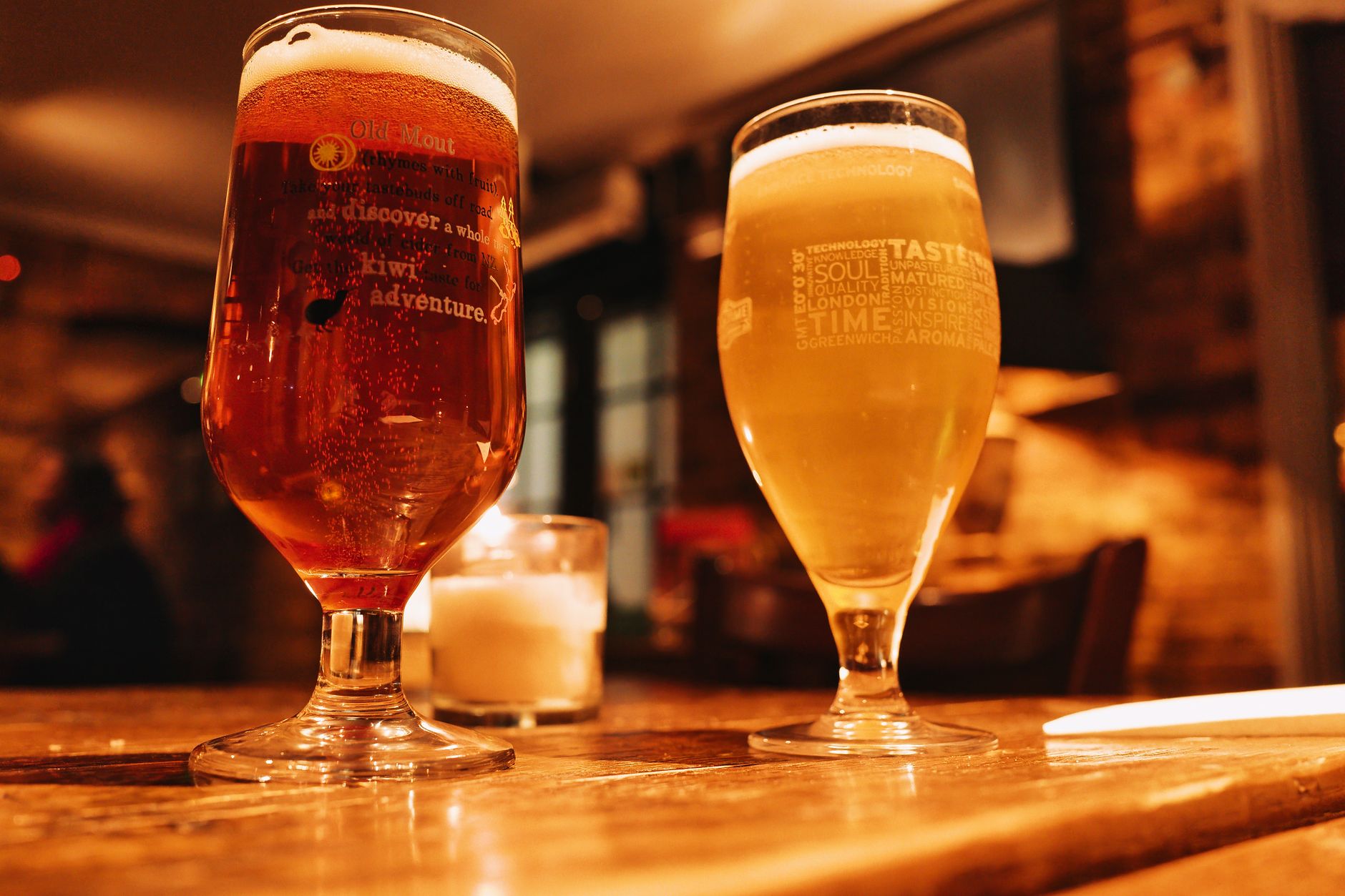
Beer is a beloved beverage enjoyed around the world, often served on hot days or during social gatherings. But amidst its enjoyment, a common question arises: is beer hydrating or dehydrating? This article explores the science behind beer’s effects on hydration, helping you understand how it interacts with your body’s fluid balance.
Throughout this guide, we will delve into the constituents of beer, its alcohol content, effects on hydration, and the overall impact on your body. Whether you are a casual drinker or a connoisseur, understanding the hydration dynamics of beer can help you make informed choices about your beverage consumption, especially in warmer climates or during physical activities.
Is Beer Hydrating Or Dehydrating?
Beer is often considered dehydrating due to its alcohol content, which can lead to increased urine production. However, it also contains water, which can contribute to hydration. The overall effect of beer on hydration depends on various factors, including alcohol concentration, individual tolerance, and consumption amounts.
Understanding Beer Composition
To analyze whether beer is hydrating or dehydrating, we first need to understand what beer is made of.
Ingredients of Beer
Beer is typically composed of four primary ingredients:
- Water: The main component, which generally makes up about 90-95% of beer.
- Malt: Provides sugars that ferment into alcohol, contributes to flavor and body.
- Hops: Adds bitterness and aroma, also acts as a natural preservative.
- Yeast: Responsible for fermentation, converting sugars into alcohol and carbon dioxide.
While the water content in beer suggests it has hydrating properties, the alcohol content complicates this assumption.
Alcohol Content and Its Effects
The alcohol content of beer varies widely, typically ranging from about 3% to 12% alcohol by volume (ABV), with many craft beers sitting around 5-7% ABV. Higher alcohol concentrations can potentially lead to more pronounced diuretic effects, as alcohol inhibits the production of an antidiuretic hormone called vasopressin, which helps the body retain water.
Hydration vs. Dehydration: The Science Behind It
Understanding hydration and dehydration requires looking deeper into how the body balances fluids. Here’s what you need to know:
The Role of Antidiuretic Hormone (ADH)
The body regulates hydration primarily through ADH. When dehydrated, the body secretes more ADH, prompting the kidneys to conserve water. Alcohol consumption slows down ADH production, thus increasing urine output and potentially leading to dehydration.
Fluid Balance in Beer Consumption
When you consume beer, the water content can initially contribute to hydration. However, as you consume more and the alcohol starts to exert its diuretic effects, the overall hydration levels can decrease. Drinking beer in moderation may not pose severe hydration issues, but chugging multiple high-ABV beers can have a considerably dehydrating effect.
Factors Affecting Hydration from Beer
Several factors influence whether beer acts as a hydrating or dehydrating drink for an individual:
1. Quantity Consumed
The amount of beer consumed has a significant impact. One or two beers probably won’t lead to marked dehydration, especially if consumed alongside water. However, excessive drinking can overwhelm the body’s ability to maintain hydration.
2. Alcohol Content
As mentioned earlier, the higher the alcohol content, the stronger the diuretic effect. Opting for light beers or lower alcohol options can mitigate dehydration effects, especially in social scenarios where prolonged drinking occurs.
3. Individual Differences
Individual tolerance to alcohol varies, which affects hydration levels. Factors such as body weight, hydration status prior to drinking, and underlying health conditions influence how alcohol and hydration impact you.
4. Accompanying Foods
Eating while drinking can help mitigate the effects of alcohol. Food slows the absorption of alcohol into your bloodstream, potentially reducing the diuretic effect and preserving hydration. Snack on water-rich foods like fruits and vegetables while enjoying beer to enhance hydration levels.
Practical Tips for Hydration While Enjoying Beer
Here are some practical tips to help maintain hydration when enjoying beer:
- Drink Water Between Beers: Alternating beer with water can help offset the dehydrating effects of alcohol. Aim for one glass of water for every beer consumed.
- Choose Lower ABV Beers: Light beers or those with lower alcohol content can be a better choice for extended drinking sessions.
- Stay Hydrated Before and After Drinking: Ensuring optimal hydration levels before and after drinking can help combat potential dehydration from beer.
- Watch Your Food Choices: Pair your beer with healthful, hydrating snacks like salads or fruit platters to assist hydration.
Signs of Dehydration
It’s essential to be vigilant about the signs of dehydration, especially when consuming alcoholic beverages. Common symptoms include:
- Thirst
- Dry mouth and throat
- Dizziness or light-headedness
- Dark yellow urine or decreased urine output
- Fatigue
If you notice any of these symptoms while drinking beer, it may be time to slow down or hydrate with water.
Exploring the Hydrating Potential of Non-Alcoholic Beer
The rise in popularity of non-alcoholic beers provides an interesting alternative for those looking for a refreshing beverage without the dehydrating effects of alcohol. Non-alcoholic beers generally contain lower or no alcohol, allowing them to contribute positively to hydration levels.
Benefits of Non-Alcoholic Beer
- Hydration: With water being the primary ingredient, non-alcoholic beers hydrate similarly to other non-alcoholic beverages.
- Nutrient Content: Some non-alcoholic beers retain vitamins and minerals from the brewing process, adding potential nutritional benefits.
- Flavor Variety: The evolving landscape of non-alcoholic beer includes a variety of flavors for different palates, making it an enjoyable option.
Conclusion: Balancing Beer and Hydration
In summary, beer can be both hydrating and dehydrating, largely determined by factors like alcohol content and quantity consumed. The key is moderation and being mindful of your body’s hydration needs. Alternating beer with water and consuming lower ABV options can help preserve hydration while still enjoying your favorite drink.
Understanding the science behind beer and hydration equips you to make informed choices in social settings or when celebrating. Always be conscious of how different types of beer affect your body and your hydration. Cheers to responsible drinking!
For additional tips, be sure to explore our guides on crafting a saison recipe or trying out a refreshing hard kombucha recipe as delightful alternatives during your next gathering!