
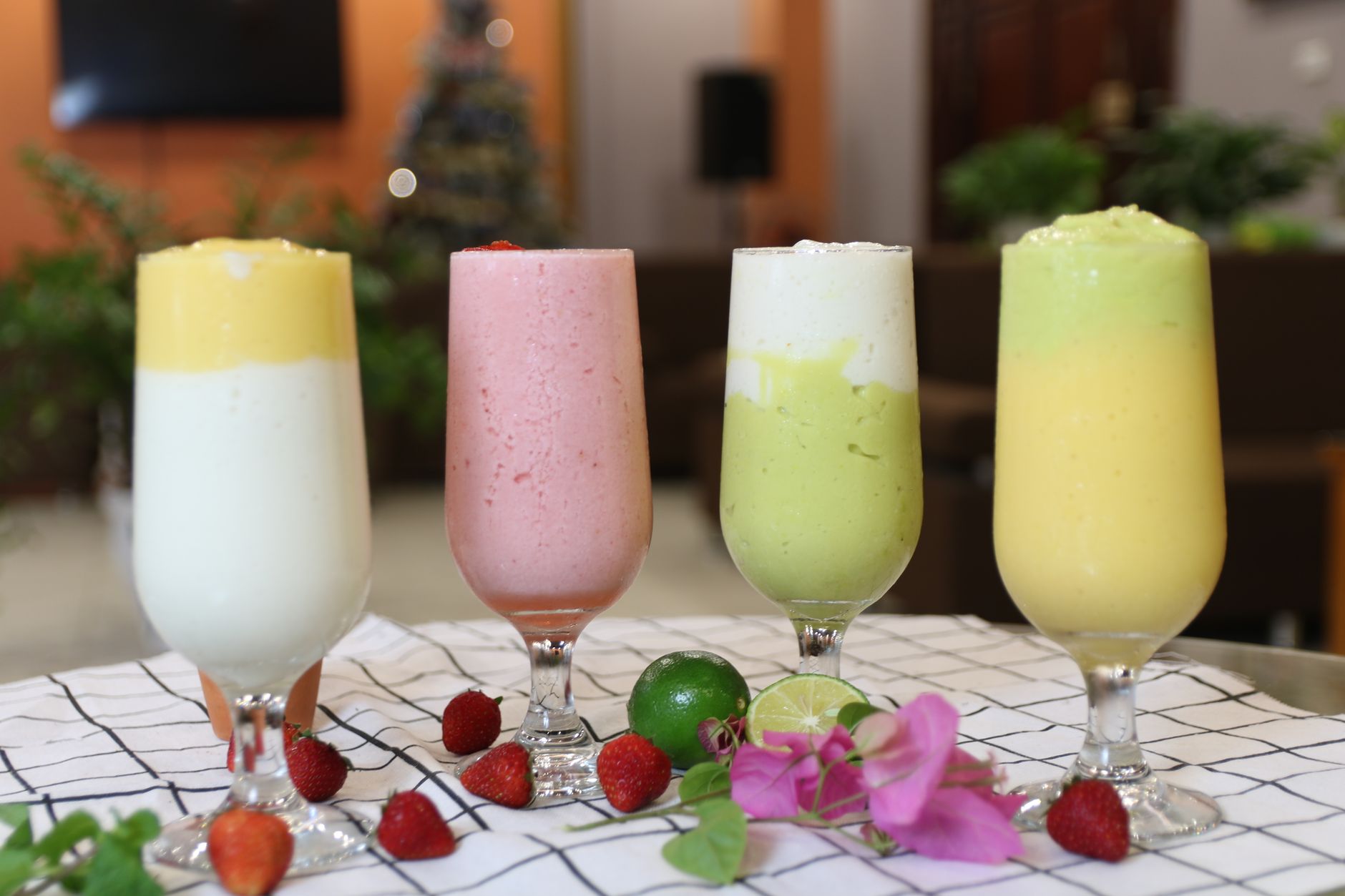
A smoothie can be an excellent breakfast choice for many individuals. Packed with vitamins, minerals, and fiber, smoothies offer a quick and convenient way to incorporate a variety of nutritious ingredients into your morning routine. Whether you prefer a fruit-based smoothie or a nutrient-dense green blend, the options are virtually limitless.
This article will explore the benefits of smoothies as a breakfast option, address safety considerations, and provide useful tips to help you craft the perfect morning blend.
Is A Smoothie A Good Breakfast?
Yes, a smoothie can be a good breakfast option, especially when made with a combination of whole ingredients that provide a balance of nutrients. A well-crafted smoothie can deliver protein, fiber, healthy fats, and essential vitamins, making it a satisfying choice to start your day.
Benefits of Smoothies as Breakfast
Starting your day with a smoothie can offer several advantages:
- Nutrient-dense: Smoothies can easily combine a variety of fruits, vegetables, and other ingredients, making them a potent source of vitamins and minerals.
- High in fiber: Incorporating whole fruits and vegetables adds fiber to your diet, which aids digestion and keeps you feeling full longer.
- Convenience: Smoothies are quick to prepare and can be consumed on the go, making them ideal for busy mornings.
- Customizable: You can adjust the ingredients to fit your dietary preferences or nutritional goals, whether they are high-protein, low-carb, or packed with greens.
Safety Considerations
While smoothies can be a healthy option, it is important to consider safety when preparing and consuming them:
- Choose fresh ingredients: Always select ripe, fresh fruits and vegetables. Wash them thoroughly to reduce the risk of contamination.
- Use dairy and non-dairy products carefully: For those using yogurt or milk, be mindful of expiration dates and food safety guidelines to ensure freshness.
- Mind your portions: Although nutritious, smoothies can also be calorie-dense. Be aware of your serving sizes to avoid excessive calorie intake.
- Check food allergies: Be cautious with ingredients if you have known allergies or sensitivities. Common allergens include nuts, dairy, and certain fruits.
Crafting a Balanced Smoothie
To create a well-rounded smoothie, consider incorporating the following components. A balanced blend typically includes a source of protein, healthy fats, fiber, and a variety of fruits and vegetables.
1. Base Liquid
You can use a variety of options for your smoothie base, such as:
- Water
- Milk (dairy or plant-based)
- Fruit juice (100% juice without added sugars)
- Coconut water
The base liquid helps blend the ingredients smoothly and adds flavor.
2. Fruits
Fruits add natural sweetness and flavor to your smoothie.
- Berries (strawberries, blueberries, raspberries): High in antioxidants and low in calories.
- Bananas: Provide creaminess and natural sweetness.
- Mangoes and pineapples: Add tropical flavor and essential vitamins.
- Avocado: Offers healthy fats and a creamy texture.
3. Vegetables
Including veggies boosts vitamins and minerals without adding many calories.
- Spinach: A mild leafy green that blends well and is rich in iron and folate.
- Kale: Offers a nutrient punch with vitamins A, C, and K.
- Zucchini: Adds bulk and fiber without strong flavors.
4. Protein Source
Protein helps keep you satiated and can provide energy throughout the morning.
- Greek yogurt: A great source of protein and probiotics.
- Protein powder: Can be plant-based (like pea or hemp) or whey-based.
- Nut butter: Adds protein and healthy fats (almond, peanut, or cashew).
5. Healthy Fats
Healthy fats are essential for overall health and assist in nutrient absorption.
- Chia seeds: Packed with omega-3 fatty acids and fiber.
- Flaxseeds: Another source of omega-3 fatty acids, which also provides fiber.
- Nuts: Almonds, walnuts, and others add crunch and flavor.
6. Flavor Enhancements
Add flavor without excess sugar by using:
- Cinnamon or vanilla extract
- Honey or maple syrup (in moderation)
- Cocoa powder for a chocolaty twist
Tips for the Best Smoothies
To help you create delicious smoothies, consider the following tips:
- Start with ice: If you prefer a cold smoothie, blend a small amount of ice into your mixture.
- Layer ingredients properly: Start with the liquid base, followed by leafy greens, then fruits, protein, and any additional flavors or spices. This ensures a smoother blend.
- Taste as you go: Adjust sweetness and flavor according to your preference. Start with a little and add more as needed.
- Use frozen ingredients: Consider adding frozen fruits or veggies, which can make your smoothie colder and creamier without ice dilution.
Common Mistakes to Avoid
To prevent frustrating outcomes when making your smoothies, be aware of these common mistakes:
- Using too much liquid can lead to a runny consistency. Focus on adding just enough for your preferred thickness.
- Not blending long enough might leave chunks of fruit or vegetables. Aim for a smooth consistency.
- Overloading with sweet ingredients can result in an overly sugary smoothie. Balance fruits with leafy greens and fiber-rich fillers.
- Not cleaning the blender immediately after use can make cleanup difficult. Rinse out the blender right away.
Make-Ahead Smoothie Ideas
If you have a busy morning schedule, consider these make-ahead tips for smoothies:
- Freezer packs: Prepare smoothie ingredients in portioned bags and freeze them. In the morning, just toss the contents into the blender with your liquid base.
- Pre-blend and store: Blend smoothies the night before and store them in an airtight container in the refrigerator. Consume within 24 hours for the best taste and nutrient retention.
Variations and Flavor Combinations
Experimenting with different ingredients can keep your breakfast smoothies exciting. Here are some popular combinations:
1. Tropical Green Smoothie
- 1 cup spinach
- 1 banana
- 1/2 cup pineapple
- 1/2 cup coconut water
- 1 tablespoon chia seeds
2. Berry Blast Smoothie
- 1 cup mixed berries (fresh or frozen)
- 1/2 banana
- 1/2 cup Greek yogurt
- 1 tablespoon honey (optional)
- 1 cup almond milk
3. Peanut Butter & Banana Smoothie
- 1 banana
- 2 tablespoons peanut butter
- 1/2 cup oats
- 1 cup skim milk or almond milk
- Optional: 1 tablespoon cocoa powder
Storage and Reheating Smoothies
If you need to store smoothies, follow these guidelines:
- Refrigerate in an airtight container for up to 24 hours. Keep in mind that smoothies may separate, and you’ll need to give them a quick shake or stir before drinking.
- For longer storage, freeze individual portions in ice cube trays or freezer-safe containers. This way, you can blend them fresh later on!
Conclusion
Incorporating smoothies into your breakfast routine can provide a nutritious and satisfying way to start your day. With endless combinations of fruits, veggies, and boosts, you can keep your morning blends balanced and exciting. Remember to prioritize fresh ingredients and mindful preparation to maximize the health benefits.
Get creative with your morning meal! For delicious recipes, check out the Panera Strawberry Smoothie Recipe and the Triple Berry Smoothie Recipe for inspiration.