
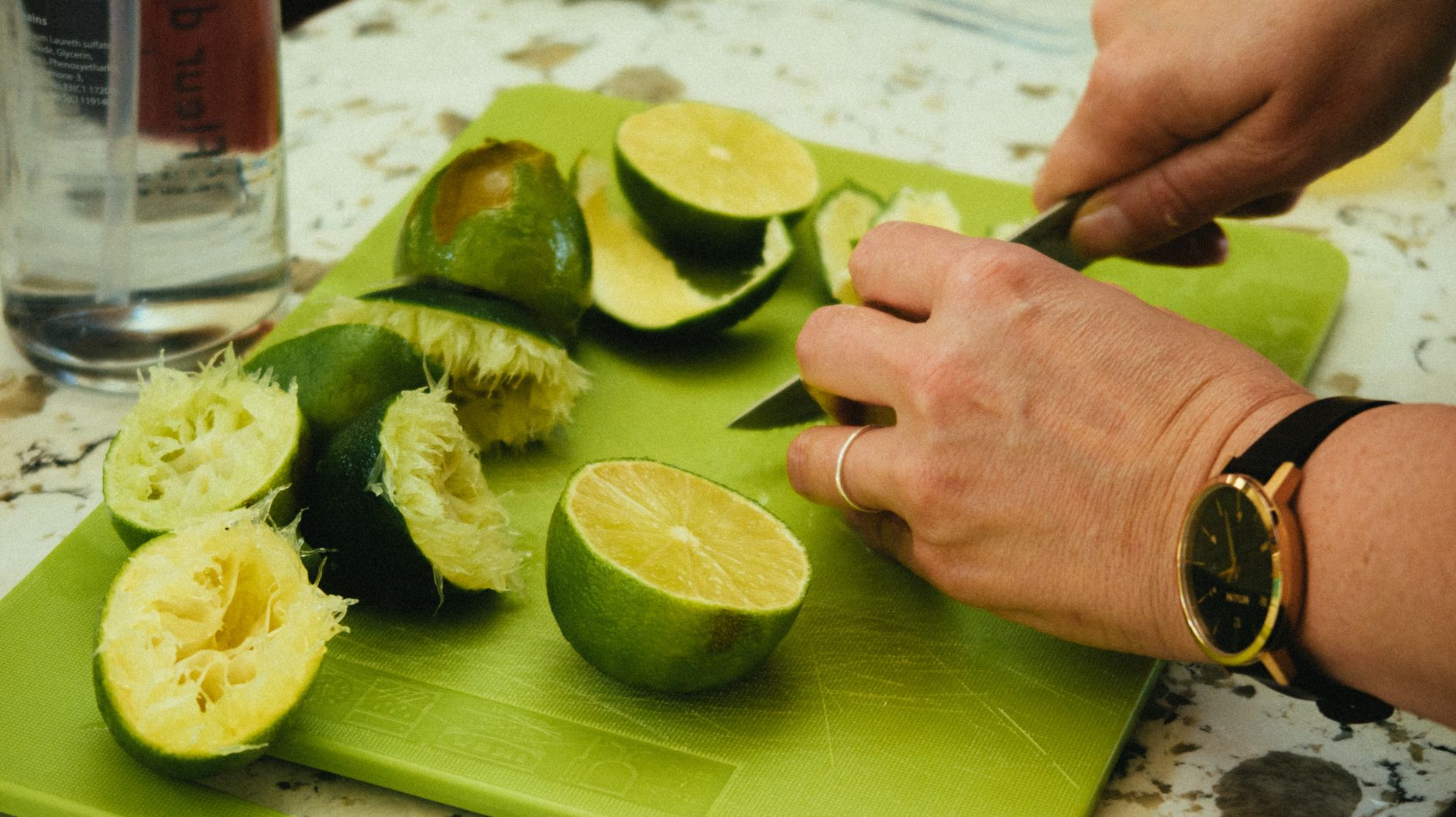
Limes are a staple ingredient in many cuisines, popular for their tart flavor and vibrant zest. Whether you’re crafting a refreshing drink or adding a citrus kick to your culinary creations, knowing how much juice you can expect from one lime is essential. This guide will help you understand the average juice yield from a lime, along with tips for maximizing juice extraction and practical substitutions.
In this article, we’ll explore how many tablespoons of juice you can typically extract from one lime, how to properly juice a lime, and key factors that can affect yield. You’ll also find advice on selecting the best limes and how to store them effectively for future use.
1 Lime Equals How Much Juice?
On average, one medium-sized lime yields about 2 tablespoons of juice. This can vary depending on the lime’s size, ripeness, and freshness. A small lime may produce around 1 tablespoon, while a larger lime or one that is particularly juicy can yield up to 3 tablespoons or more.
Factors That Affect Lime Juice Yield
Several factors can influence how much juice you can extract from a lime:
- Size and Variety: Limes come in various sizes and types, primarily the Persian, Key, and Finger limes. Persian limes are typically larger and juicier, while Key limes are smaller and have a more intense flavor.
- Ripeness: A ripe lime will generally produce more juice than an unripe one. Look for limes that are slightly soft when you squeeze them, as this indicates ripeness.
- Freshness: Fresh limes tend to yield more juice than older ones. Always choose the freshest limes available for optimal juice extraction.
- Temperature: Allowing limes to come to room temperature before juicing can help maximize yield, as warmed fruit releases juice more easily.
How to Juice a Lime Effectively
Juicing a lime may seem straightforward, but there are techniques to ensure you get every drop of juice:
- Choose the Right Lime: Select a lime that is firm yet slightly soft to touch, indicating it is ripe.
- Roll the Lime: Before cutting, roll the lime on a countertop with the palm of your hand. This helps break down the membranes inside, making it easier to extract juice.
- Cut the Lime: Cut the lime in half crosswise. For maximum juice, you may even cut it into quarters.
- Use a Juicer or Squeezer: A handheld juicer or citrus squeezer is ideal for extracting juice efficiently. If you don’t have one, you can also use a fork to manually press the fruit. Insert the fork into the lime half and twist while applying pressure.
- Strain the Juice: If desired, strain the juice through a fine mesh sieve to remove any seeds and pulp, especially if you’re using it in cocktails or delicate dishes.
Practical Tips for Juicing and Storage
Now that you know how to juice limes efficiently, here are some additional tips to maximize your lime use:
- Juice in Batches: If you have several limes, juice them all at once and store the excess juice in an airtight container in the refrigerator for up to a week. You can also freeze lime juice in ice cube trays for longer storage.
- Utilize the Zest: Don’t throw away lime peels! The zest can add flavor to recipes, from baked goods to marinades.
- Store Whole Limes Properly: Keep limes in the refrigerator to extend their shelf life. When stored properly, they can last several weeks.
- Choose Organic when Possible: Organic limes tend to have better flavor and less wax on the skin, making them ideal for zesting.
Substitutions for Lime Juice
If you run out of lime juice, there are several substitutions you can use in a pinch:
- Lemon Juice: The most common substitute for lime juice. Use the same amount of lemon juice as the lime juice called for in the recipe.
- Vinegar: White wine vinegar or apple cider vinegar can add a similar acidity. Use about half the amount of vinegar compared to lime juice.
- Citric Acid: This powder can be mixed with water to create a lime juice equivalent. About 1 teaspoon of citric acid mixed with 2 tablespoons of water can replace 1 tablespoon of lime juice.
- Other Citrus Juices: Orange juice can add sweetness, while grapefruit juice brings a bitter note. Adjust quantities to taste, as they will shift the flavor profile.
Culinary Uses of Lime Juice
Understanding how much juice you can extract from a lime provides crucial insight for various dishes and drinks:
- Drinks: Lime juice is a key ingredient in cocktails such as Margaritas and Mojitos. Knowing the yield helps you balance flavors correctly.
- Marinades: Lime juice acts as an acid that tenderizes meat and adds flavor, making it great for marinades.
- Dressings and Sauces: Lime juice enhances the brightness of dressings and sauces, especially in recipes like taco toppings or vinaigrettes.
- Desserts: Lime juice can be used in desserts like key lime pie or sorbets, where its acidity balances sweetness.
Common Mistakes in Juicing Limes
When juicing limes, a few common pitfalls can lead to disappointing results:
- Using Unripe Limes: Juicing unripe limes can yield little juice and may be overly sour. Always choose ripe limes.
- Juicing Cold Limes: Juicing straight from the refrigerator can lead to less juice extraction. Room temperature limes are generally juicier.
- Over-extracting: While it’s tempting to squeeze every last drop, sometimes squeezing too hard can lead to bitter flavors from the pith.
Recipe Ideas using Lime Juice
Lime juice is incredibly versatile in the kitchen. Here are some recipe ideas that utilize lime juice:
- Mojito: A refreshing cocktail that combines lime juice, mint, sugar, soda water, and rum.
- Fish Tacos: Use lime juice in a marinade for fish or drizzle lime juice over assembled tacos for brightness.
- Thai Salad: A vibrant salad dressed with lime juice, fish sauce, and chili, combining the flavors of sweet, salty, and sour.
- Lime Sorbet: A tangy dessert made with lime juice, sugar, and water, perfect for hot days.
Conclusion
Knowing that one lime typically yields about 2 tablespoons of juice can help you cook and plan effectively. With this guide, you’re well-equipped to maximize your lime usage in drinks, marinades, and a variety of dishes. Whether you’re replacing lime juice or finding creative culinary uses for limes, understanding juice extraction is crucial.
If you’re looking for refreshing drink recipes, consider trying your hand at limeade or something with a citrus twist. Check out the limeade recipe for a delicious drink or the tequila lime wings recipe for a zesty appetizer that pairs perfectly with your favorite beverages.