
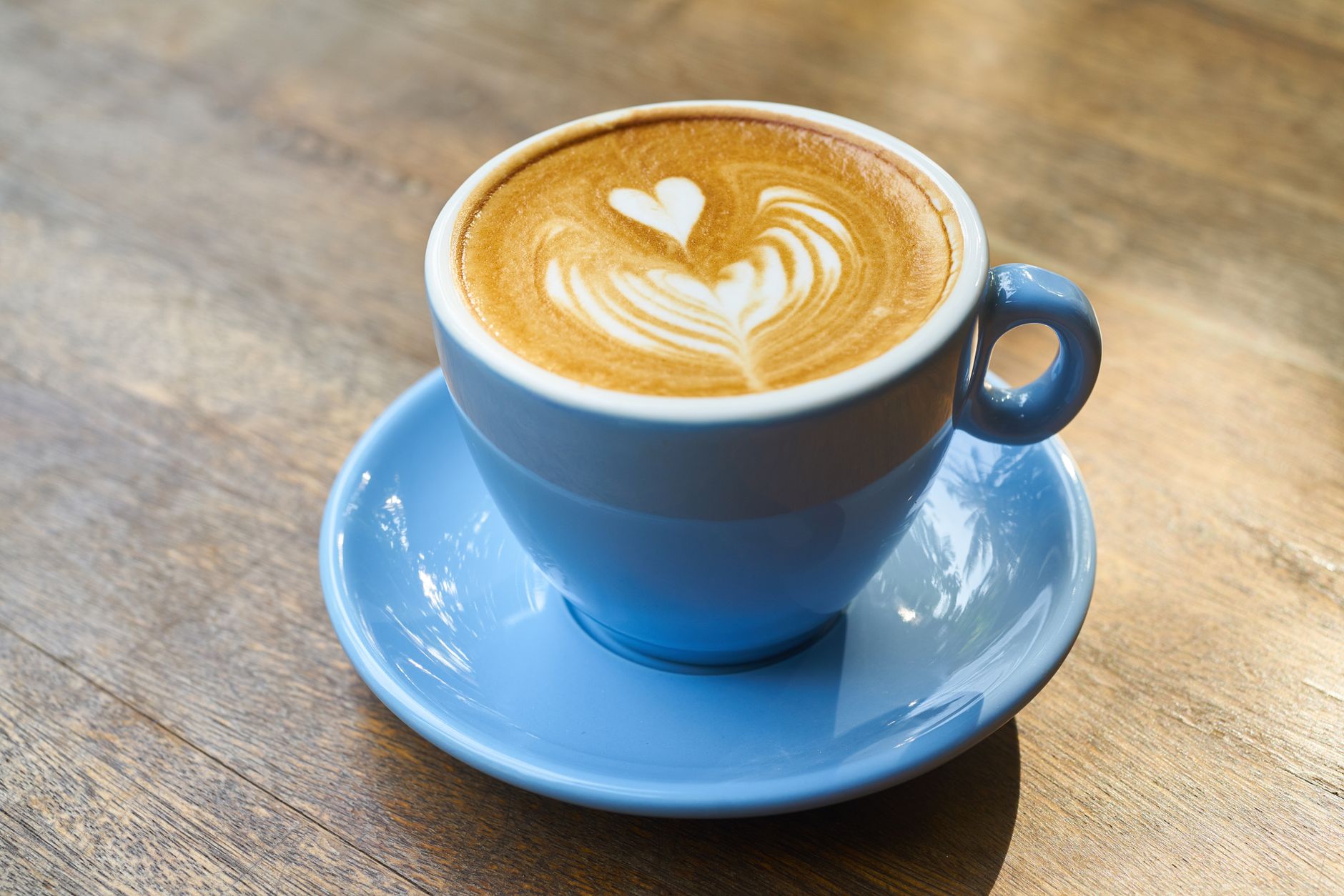
Espresso is a concentrated coffee beverage that forms the foundation for many popular coffee drinks. Known for its rich flavor and creamy texture, espresso is enjoyed on its own or as an essential ingredient in various drinks such as lattes and cappuccinos. Understanding espresso involves exploring its history, preparation methods, and applications.
This guide will delve into what espresso is, the process of making it, the equipment needed, and tips for making the perfect cup. Whether you are a coffee aficionado or a casual drinker, learning about espresso will enhance your appreciation of this beloved beverage.
What Is Espresso?
Espresso is a strong, concentrated form of coffee made by forcing hot water through finely-ground coffee beans. The result is a small volume of rich coffee with a robust flavor and a layer of crema – a creamy, golden foam that forms on top. Espresso has a unique brewing process and specific grind size that distinguish it from regular brewed coffee.
The History of Espresso
The origins of espresso can be traced back to Italy in the early 20th century. The term “espresso” means “pressed out” in Italian, referring to the method of brewing where hot water is forced through coffee grounds. The first espresso machine was invented in 1884 by Angelo Moriondo, but it was Luigi Bezzera, who made significant improvements in 1901, that popularized the espresso machine we recognize today.
Since then, espresso has evolved into a cultural phenomenon, particularly in Italy and other parts of Europe, and has become integral to the coffee culture worldwide.
Understanding the Espresso Process
To make espresso, several key elements come into play: coffee beans, grind size, water temperature, pressure, and extraction time. Each of these factors contributes to the final flavor and quality of the espresso.
Key Elements of Espresso Making
- Coffee Beans: Espresso is typically made from Arabica or Robusta beans, or a blend of the two. Arabica beans offer a sweeter, more nuanced flavor, while Robusta beans lend a bolder taste with higher caffeine content.
- Grind Size: The coffee must be finely ground to ensure proper extraction. A fine grind increases the surface area of the coffee, allowing for quicker extraction of flavors during brewing.
- Water Temperature: Ideal brewing temperature for espresso is between 190°F to 205°F (88°C to 96°C). Water that’s too hot can extract undesirable flavors, while cooler water can lead to under-extraction.
- Pressure: Traditional espresso machines extract coffee by forcing water through the coffee grounds at around 9 bars of pressure. This high pressure results in a rich and creamy espresso.
- Extraction Time: A typical espresso shot takes about 25 to 30 seconds to brew. Under-extraction can lead to sour flavors, while over-extraction can result in bitterness.
Essential Equipment for Making Espresso
To make high-quality espresso, it is crucial to have the right equipment. Here are the basic tools you’ll need:
- Espresso Machine: This machine forces hot water through the coffee grounds. Options range from manual to automatic machines, each varying in complexity and price.
- Grinder: A burr grinder is recommended for consistent grind size, which is crucial for optimal extraction.
- Tamper: This is used to compress the coffee grounds evenly in the portafilter, creating an optimal brew surface.
- Portafilter: This component holds the coffee grounds during brewing. It attaches to the espresso machine.
- Scale: A digital scale helps in measuring coffee grounds accurately for consistency in brewing.
- Barista Tools: A milk frother or steam wand is helpful for making drinks like lattes and cappuccinos.
How to Make Espresso
Making espresso can be broken down into a few simple steps. Here’s a step-by-step guide to brewing your own espresso:
- Gather Your Ingredients: You will need freshly roasted coffee beans (approximately 18-20 grams) for a double shot of espresso.
- Grind the Coffee: Use a burr grinder to grind the beans to a fine consistency. The grind should feel like table salt.
- Measure and Pack the Grounds: Weigh out 18-20 grams of the ground coffee into the portafilter. Use a tamper to pack the grounds evenly, applying firm pressure.
- Preheat the Machine: Ensure your espresso machine is turned on and heated to the proper temperature.
- Brew the Espresso: Lock the portafilter into the machine and start the brewing process. Aim for 25 to 30 seconds of extraction time.
- Serve: Once extracted, your espresso should have a golden crema on top. Serve immediately in a pre-warmed espresso cup.
Common Espresso-Based Drinks
Espresso is the base for many popular coffee beverages. Here’s a look at some of the most common drinks:
- Americano: Prepared by diluting a shot of espresso with hot water, resulting in a similar strength to brewed coffee.
- Latte: A combination of one shot of espresso and steamed milk, often topped with a small amount of milk foam.
- Cappuccino: Similar to a latte, but with equal parts espresso, steamed milk, and milk foam.
- Mocha: A chocolate-flavored variant of a latte, typically including cocoa powder or chocolate syrup.
- Macchiato: An espresso “stained” with a small amount of frothy milk or cream.
Tips for Brewing the Perfect Espresso
To elevate your espresso-making skills, consider the following tips:
- Use Fresh Beans: Always use freshly roasted coffee beans within two weeks of roasting for optimal flavor.
- Invest in a Quality Grinder: A good burr grinder is essential for achieving a consistent grind size.
- Keep Your Equipment Clean: Regularly clean your espresso machine and grinder to prevent the buildup of coffee oils and residues.
- Experiment with Brew Ratios: Adjust the coffee-to-water ratio to suit your taste preference.
- Practice Your Technique: Perfecting your tamping and brewing methods takes time. Don’t hesitate to make adjustments as needed.
Troubleshooting Common Espresso Problems
Sometimes things don’t go as planned while making espresso. Here are some common issues and their solutions:
- Sour Taste: This may indicate under-extraction due to a coarse grind, low brewing temperature, or insufficient brewing time. Adjust these factors accordingly.
- Bitterness: Over-extraction is often the culprit, caused by a fine grind, high water temperature, or an extended brewing time. Consider fine-tuning these elements.
- Weak Crema: Ensure you’re using fresh coffee beans and the right amount of pressure when tamping. A consistent grind size is also critical.
Storing Coffee for Espresso
To maintain the freshness and flavor of your coffee beans, proper storage is essential. Consider these storage tips:
- Keep Sealed: Store coffee beans in an airtight container to prevent exposure to oxygen, which can cause them to go stale.
- Cool and Dark Place: Find a cool, dark spot in your kitchen away from light, heat, and moisture.
- Avoid Fridges: Contrary to popular belief, refrigerating coffee beans can introduce moisture; it’s best to keep them at room temperature.
Variations and Alternatives to Espresso
Not everyone may have an espresso machine, but there are alternatives to enjoy a similar taste. Here are a few methods to consider:
- Moka Pot: This stove-top brewing device creates a strong coffee similar to espresso by boiling water and forcing steam through coffee grounds.
- AeroPress: Using an AeroPress with fine grounds can create a concentrated coffee that approximates espresso.
- French Press: By using a finer grind and steeping for a shorter time, you can produce a strong brew that resembles espresso.
In summary, understanding and mastering espresso can significantly enhance your coffee experience. From the basics of equipment to intricate brewing techniques, the journey of making espresso is both an art and a science. Take your time to explore different beans, brewing methods, and recipes to find what suits your palate the best.
For further inspiration, why not try making a delicious Ketel One Espresso Martini or a Brown Shaken Espresso to experience the versatile nature of espresso in cocktails? Both recipes can elevate your appreciation for this concentrated coffee sensation.