
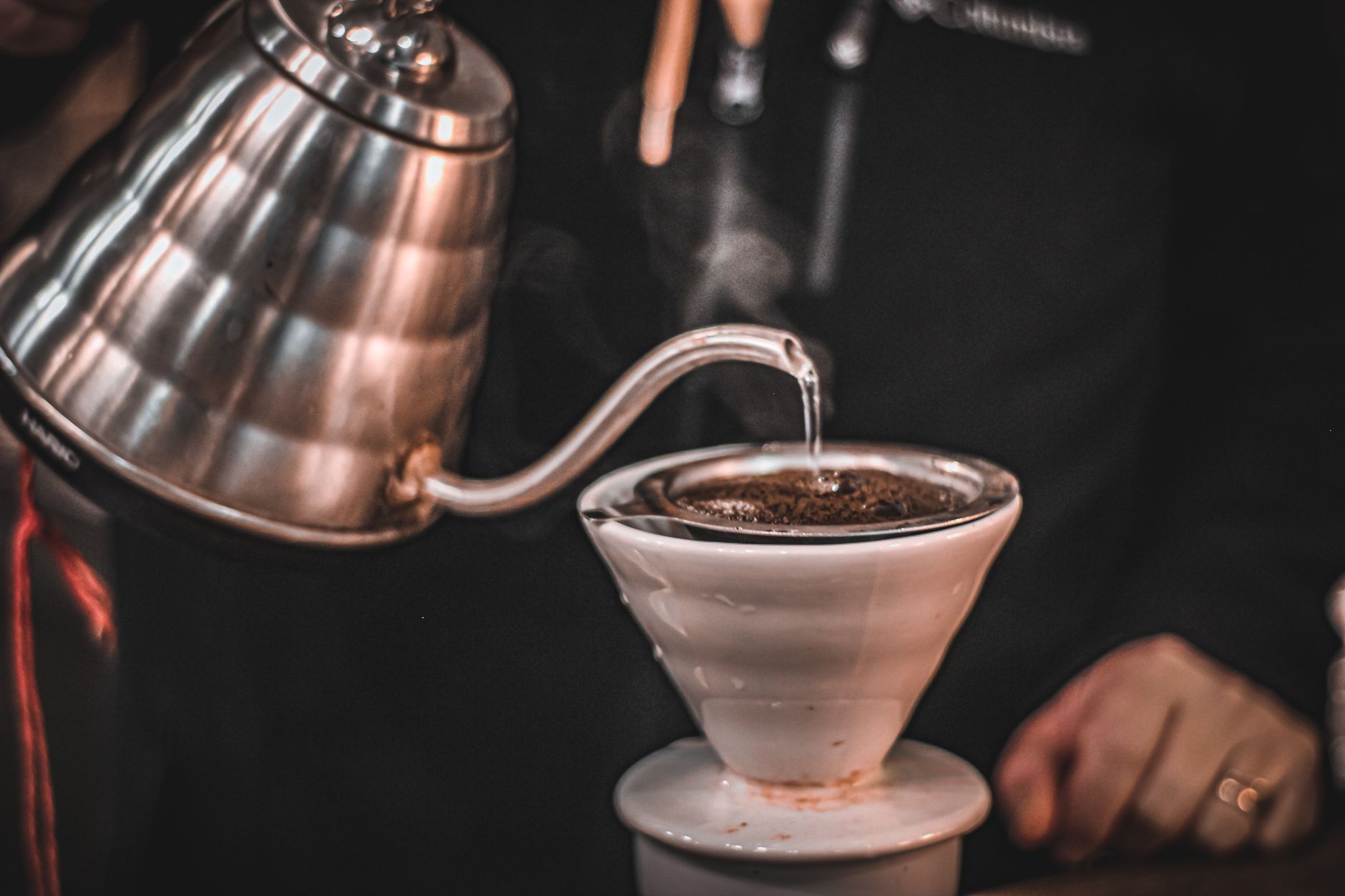
Pour over coffee offers a delightful brewing method that allows coffee enthusiasts to control each step of the process. With its ability to highlight distinct flavor profiles and aromatic qualities, this technique yields a clean and vibrant cup of coffee. In this guide, you’ll learn essential tips for brewing pour over coffee perfectly every time.
Whether you’re a novice looking to experiment or a seasoned barista refining your skills, understanding the fundamentals of pour over brewing can elevate your coffee experience. From selecting the right equipment to mastering your technique, this article will provide you with everything you need to brew a delicious cup of pour over coffee.
How To Brew Pour Over Coffee?
To brew pour over coffee, you will need freshly ground coffee, hot water, and a pour over cone or dripper. The process involves carefully pouring hot water over coffee grounds in a circular motion, allowing the water to extract flavors gradually. Follow these steps for a great cup.
Essential Equipment for Pour Over Coffee
To successfully brew pour over coffee, you’ll need a few key pieces of equipment:
- Coffee dripper or cone: A popular option is the Hario V60, but there are others like Chemex and Kalita Wave.
- Filter paper: Use the appropriate filters for your dripper, usually cone-shaped or flat-bottomed.
- Coffee scale: A digital scale is helpful for measuring coffee and water accurately.
- Kettle: A gooseneck kettle allows for precise pouring. Electric kettles with temperature control are beneficial.
- Freshly roasted coffee: Choose a high-quality coffee bean for the best flavor.
- Grinder: A burr grinder ensures even consistency in your coffee grounds.
- Hot water: Ideally around 200°F (about 93°C).
Ingredients for Pour Over Coffee
Ingredients are straightforward but vital to the brewing process. Here’s what you’ll need:
- Coffee beans: 2 tablespoons (about 10-12 grams) of coffee per cup (8 oz) of water.
- Water: 6 to 9 ounces (180-270 ml) of filtered water, depending on desired strength.
Step-by-Step Brewing Instructions
Follow these detailed steps to brew your pour over coffee:
- Boil water: Start by boiling water. Once it reaches a rolling boil, remove it from heat and let it cool for about 30 seconds, targeting a temperature of around 200°F (93°C).
- Measure coffee: Weigh out 2 tablespoons (about 10-12 grams) of coffee beans for each 6 to 9 ounces of water. Adjust the ratio based on your taste preference.
- Grind coffee: Grind the coffee beans to a medium-coarse consistency. The texture should resemble granulated sugar.
- Prepare the dripper: Place your dripper on top of your coffee cup or carafe. If you’re using a paper filter, rinse it with hot water to eliminate any paper taste and warm the dripper.
- Add coffee grounds: Place the ground coffee into the filter, ensuring it levels evenly.
- Bloom the coffee: Pour a small amount of hot water over the grounds (about twice the weight of the coffee) to saturate them evenly. Let it bloom for 30-45 seconds. This step allows carbon dioxide to escape, enhancing overall flavor.
- Pour the remaining water: Slowly pour the hot water in a circular motion over the coffee grounds. Start from the center and spiral outward, then back to the center. Aim for a steady and controlled pour. Pour enough water to cover all the grounds but without letting it overflow.
- Complete extraction: Allow the water to drip through the coffee, which should take around 2-3 minutes. The total brew time should be about 3-4 minutes, adjusting based on your taste preference.
- Remove dripper: Once the coffee has finished dripping, remove the dripper and discard the used coffee grounds and filter.
- Serve and enjoy: Pour your freshly brewed coffee into a cup or enjoy it directly from the carafe.
Tips for Brewing the Perfect Pour Over Coffee
Here are some practical tips to enhance your pour over experience:
- Quality coffee beans: Use freshly roasted, high-quality beans for the best flavor profile.
- Storage: Store coffee beans in an airtight container in a cool, dark place to prolong freshness.
- Water quality: Use filtered water to avoid impurities that could affect taste.
- Grinding: Consistency in grind size is crucial for even extraction; avoid coarse and fine particles mixed together.
- Tuning your brew: If the coffee tastes weak, try a finer grind or increase the grounds. If it’s overly bitter, try a coarser grind or reduce brewing time.
- Experiment: Don’t hesitate to experiment with your coffee-to-water ratio until you find your preferred taste.
Common Mistakes to Avoid
A few common mistakes can impact the final cup:
- Improper grind size: A grind that’s too fine can lead to over-extraction, while a grind that’s too coarse might lead to under-extraction.
- Incorrect water temperature: Water that’s boiling or too cool affects extraction—ideally use water at around 200°F (93°C).
- Pouring technique: Pouring too quickly can result in uneven extraction. Utilize a controlled, slow pour.
- Neglecting bloom: Skipping the bloom step diminishes flavor potential.
Pour Over Coffee Variations
Once you master the basic brew, try these delicious variations:
- Iced pour over: Brew your coffee over ice for a refreshing iced coffee option. Use the same coffee-to-water ratio, but use ice instead of water.
- Flavored coffee: Add spices like cinnamon or flavors such as vanilla to your coffee grounds for a unique twist.
- Different beans: Experiment with different origins and roasts to discover varied flavor profiles. A light roast might offer bright acidity, while a dark roast may provide deeper chocolate notes.
Storing and Reheating Your Brew
For best results, brew only the amount of coffee you plan to drink. However, if you need to store leftovers, follow these guidelines:
- Storage: Store any leftover coffee in an airtight container at room temperature or in the refrigerator.
- Reheating: If reheating coffee, use a microwave or hot water bath. Avoid boiling, as it can alter flavor and sentiment.
Understanding Coffee Extraction
At the core of brewing coffee is the concept of extraction—the process of dissolving flavors and oils from coffee grounds. Factors affecting extraction include:
- Water temperature: Higher temperatures extract compounds faster.
- Grind size: Finer grounds extract quicker.
- Brewing time: Longer brewing times extract more flavor.
Learning how these variables interact will assist you in tailoring your brew to your preferences more accurately.
Conclusion
Brewed pour over coffee offers a simple yet exquisite experience for coffee lovers. By focusing on quality ingredients, proper techniques, and careful measurements, you can unlock the full potential of your coffee beans. With practice, you will gain confidence in brewing a perfect cup of pour over coffee, elevating your mornings and coffee breaks.
If you’re interested in exploring related recipes and techniques, check out our guide on making iced coffee concentrate or discover the flavors of our brown sugar coffee recipe.