
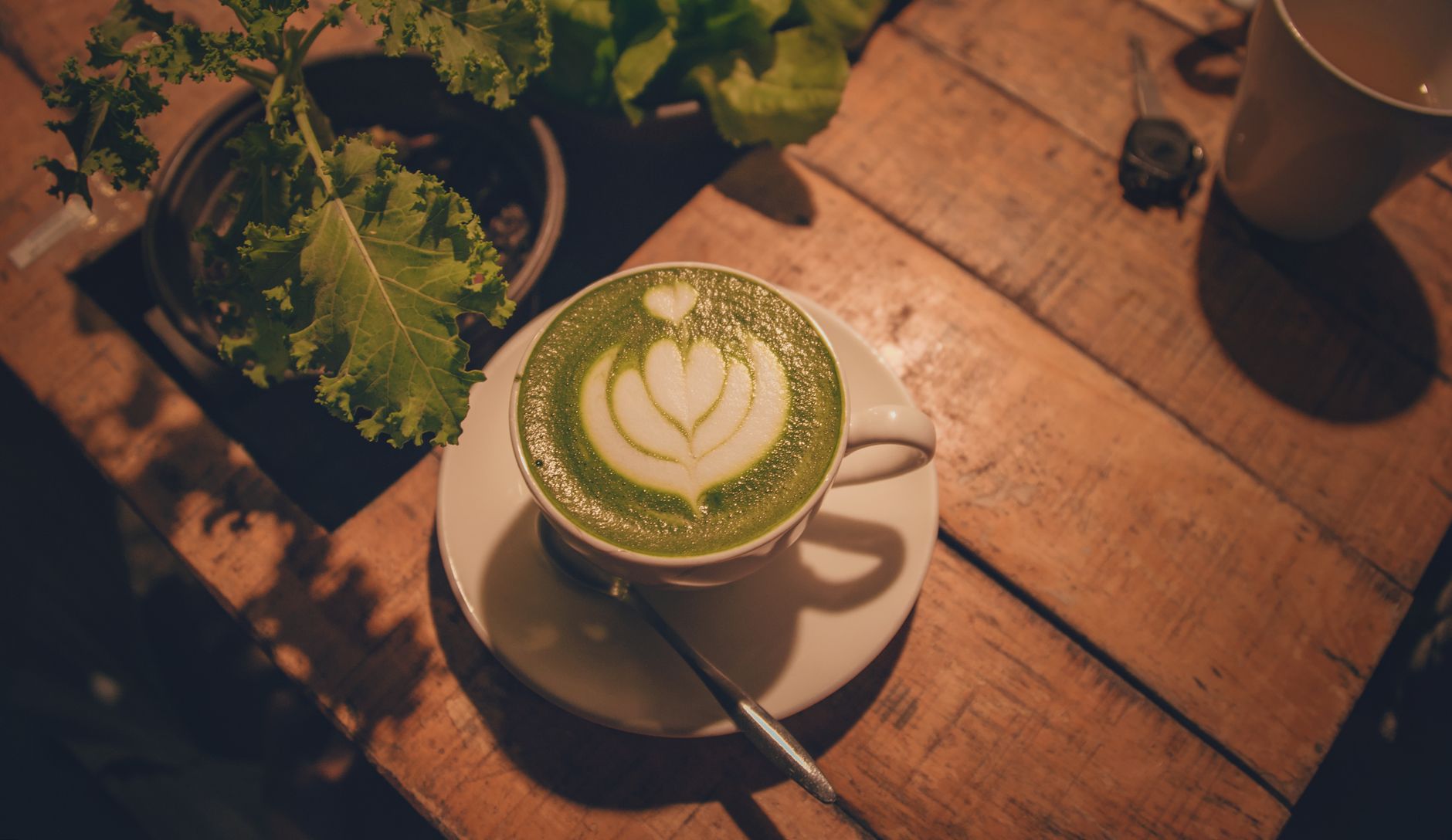
Matcha, a finely ground powder made from specially grown green tea leaves, is celebrated for its vibrant flavor and rich health benefits. One of the most common questions surrounding matcha is whether it contains caffeine, and if so, how much. Understanding matcha’s caffeine content can help those who enjoy it determine how it fits into their daily routines.
This article explores the caffeine content in matcha, its effects compared to other caffeinated beverages, and how it can be enjoyed in various forms. Whether you’re seeking a healthy energy boost or simply curious about this popular green tea, we’ve got you covered.
Does Matcha Have Caffeine?
Yes, matcha does contain caffeine. On average, one cup of matcha provides about 70 milligrams of caffeine, depending on factors like the serving size and preparation method. This amount is lower than a standard cup of coffee, which typically contains around 95 milligrams of caffeine.
Understanding Caffeine in Matcha
To fully appreciate why matcha has caffeine, it’s essential to understand the plant from which it is derived. The caffeine in matcha comes from the same caffeine-containing compound found in other teas and coffee. However, matcha offers a distinct experience due to the way it’s produced and consumed.
The Production of Matcha
Matcha is made from high-quality shade-grown tea leaves. This shading process enhances the levels of chlorophyll and amino acids, including L-theanine, which can influence how caffeine affects the body. The leaves are hand-picked, steamed, dried, and then ground into a fine powder.
Comparison to Other Caffeinated Beverages
Here’s how matcha stacks up against other common sources of caffeine:
| Beverage | Caffeine Content (per 8 oz.) |
|---|---|
| Coffee | 95 mg |
| Black Tea | 47 mg |
| Green Tea | 30 mg |
| Matcha | 70 mg |
With caffeine levels higher than green tea but lower than coffee, matcha provides a moderate boost suitable for many people looking for an alternative source of caffeine.
The Unique Effects of Matcha’s Caffeine
Unlike coffee, which can lead to a spike in energy followed by a crash, matcha’s caffeine is released more gradually. This slower release can be attributed to the presence of L-theanine, an amino acid that promotes relaxation without drowsiness. As a result, matcha can enhance focus and promote calm alertness, making it a popular choice among those who seek a more balanced energy boost.
The Role of L-theanine
L-theanine works to counteract some of the potential side effects of caffeine, such as jitteriness and anxiety. It is known to improve cognitive performance and can help mitigate the nervous energy often associated with caffeine consumption. This makes matcha particularly appealing for those who want an energetic pick-me-up that doesn’t come with the anxious feelings sometimes linked to other caffeinated drinks.
How to Prepare Matcha
Preparing matcha properly can enhance its flavor and maximize its health benefits. Here’s a step-by-step guide to making a traditional cup of matcha:
Essential Tools
- Matcha powder (high-quality for optimal flavor)
- Matcha bowl (Chawan)
- Bamboo whisk (Chasen)
- Scoop (Chashaku) or teaspoon
- Hot water (not boiling, ideally around 175°F / 80°C)
Preparation Method
- Measure out 1 to 2 teaspoons of matcha powder, depending on your desired strength.
- Sift the matcha into a bowl to eliminate any clumps, promoting a smoother texture.
- Add around 2 ounces of hot water (about 175°F) to the bowl with the matcha.
- Using the bamboo whisk, whisk the matcha and water together using a zig-zag motion until you achieve a frothy texture.
- If desired, add more water to reach your preferred strength and enjoy!
Creative Ways to Enjoy Matcha
While the classic preparation of matcha is delightful, there are numerous ways to incorporate this vibrant powder into your diet. Here are some popular and delicious options:
Matcha Lattes
For a creamy alternative, consider a matcha latte. Simply combine matcha powder with steamed milk of your choice, and sweeten to taste. Dairy, almond, coconut, or oat milk all pair well with matcha.
Matcha Smoothies
Add a teaspoon of matcha powder to your favorite smoothie recipe for an extra boost of antioxidants and a hint of earthy flavor. This pairs well with fruits like bananas or avocados.
Matcha Desserts
Matcha can also be used in baking. Incorporate it into recipes for cakes, cookies, and even ice creams. The vibrant green color and subtle flavor elevate desserts, creating visually appealing and uniquely flavored treats.
Matcha in Savory Dishes
Interestingly, matcha can also enhance savory dishes. Use it in salad dressings, marinades, or sauces to add depth and a hint of umami flavor.
Common Mistakes When Preparing Matcha
While making matcha may seem simple, there are some common pitfalls to watch out for:
- Using boiling water: This can scorch the delicate tea leaves, creating a bitter taste. Aim for water around 175°F.
- Improper whisking: Failing to whisk thoroughly can result in clumps. Use a zig-zag motion for optimal frothiness.
- Poor quality matcha: Not all matcha is created equal. Opt for high-quality ceremonial grade for the best flavor and health benefits.
Storage and Shelf Life of Matcha
To maintain the freshness and potency of matcha, proper storage is essential:
- Store matcha in a cool, dark place, ideally in an airtight container to prevent exposure to light and air.
- Avoid storing it in the refrigerator, as moisture can affect its flavor and texture.
- Used within 6 months to a year for optimum flavor, as matcha can lose its potency over time.
Conclusion
Matcha is a unique and versatile ingredient that provides caffeine along with a myriad of health benefits. With an average caffeine content lower than coffee but accompanied by calming properties, it’s an excellent choice for those looking to enhance focus and energy in a balanced way. Whether enjoyed in its traditional preparation or incorporated into lattes, smoothies, and desserts, matcha holds a special place in the world of tea and beverages.
If you’re eager to explore the delightful world of matcha further, consider trying recipes like a Vanilla Matcha Latte or a Honey Lavender Latte to discover new flavor combinations and enjoy the benefits of this vibrant green powder.