
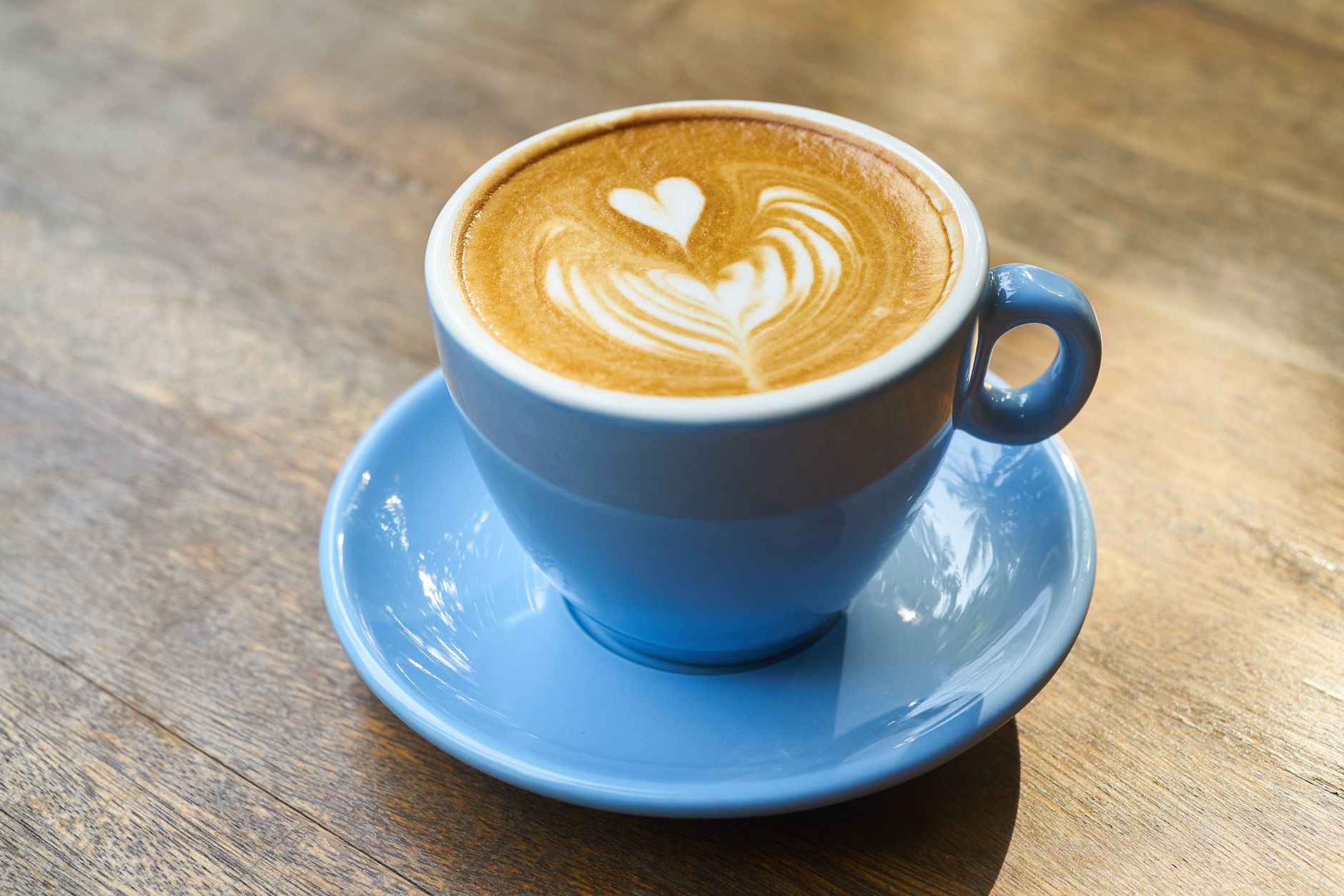
Caffeine is a significant player in the daily routine of millions worldwide, often sourced from a comforting cup of coffee. Understanding the caffeine content in coffee can help you manage your intake effectively, whether for a boost of energy or to prevent overstimulation. This guide will provide a comprehensive overview of how much caffeine is in a cup of coffee, various factors influencing it, and some fascinating facts about this beloved beverage.
Coffee is more than just a drink; it’s a ritual for many. From a robust espresso shot to a creamy latte, different brewing methods result in varying caffeine levels. Let’s uncover the details and answer the questions surrounding caffeine content in coffee.
How Much Caffeine Is In A Cup Of Coffee?
The caffeine content in a standard cup of coffee typically ranges from 95 to 200 milligrams, depending on several factors, including the type of coffee bean, brewing method, and serving size. On average, an 8-ounce (237-milliliter) cup of brewed coffee contains about 95 milligrams of caffeine.
Factors Affecting Caffeine Content
Understanding the caffeine levels in coffee requires exploring the variables that influence it. Here are some key factors:
Type of Coffee Bean
The type of coffee bean significantly impacts caffeine content. The two most common types are:
- Arabica: Typically contains less caffeine, averaging 75-150 mg per 8-ounce cup.
- Robusta: Generally has a higher caffeine concentration, averaging 150-200 mg per 8-ounce cup.
Brewing Method
The way coffee is brewed can also alter its caffeine content. Here are a few popular methods:
- Drip Coffee: An 8-ounce serving usually contains about 95 mg of caffeine.
- Espresso: A single shot (1 ounce) has about 63 mg of caffeine, so a double shot would contain approximately 126 mg. Due to smaller serving sizes, espresso can sometimes feel more potent.
- French Press: This method yields about 107 mg of caffeine per 8-ounce serving due to extended steeping time.
- Cold Brew: Often possesses a higher caffeine concentration, averaging around 100-200 mg per 8-ounce cup, depending on the coffee to water ratio used.
- Instant Coffee: Typically contains less caffeine, averaging around 30-90 mg per 8-ounce cup.
Serving Size
The size of the serving also plays a role. Specialty coffee drinks, such as lattes or frappes, may include multiple shots of espresso, significantly increasing their caffeine levels. A 16-ounce (475-milliliter) latte with two shots of espresso could contain upwards of 200-250 mg of caffeine.
Decaffeinated Coffee
While decaffeinated coffee is not entirely caffeine-free, it typically contains a mere 2-5 mg of caffeine per 8-ounce cup. This option allows you to enjoy the flavor of coffee without significant stimulation.
Comparing Caffeine Content in Different Coffee Beverages
Understanding caffeine content across coffee variations lends clarity to your choices. Here’s a comparative breakdown:
| Coffee Beverage | Caffeine Content (Approx.) |
|---|---|
| Brewed Coffee (8 oz) | 95 mg |
| Espresso (1 oz) | 63 mg |
| French Press (8 oz) | 107 mg |
| Cold Brew (8 oz) | 100-200 mg |
| Instant Coffee (8 oz) | 30-90 mg |
| Decaf Coffee (8 oz) | 2-5 mg |
| Latte (16 oz with 2 shots of espresso) | 200-250 mg |
| Mocha (16 oz with 2 shots of espresso) | 200-300 mg |
The Importance of Caffeine Knowledge
Being informed about caffeine content can enhance your coffee experience. This knowledge allows you to make sensible choices to suit your lifestyle and needs, whether you’re aiming for a boost before a workout, managing your intake for sleep quality, or simply enjoying varied coffee flavors.
Health Considerations
While caffeine offers several benefits, excessive consumption may lead to negative side effects, including anxiety, insomnia, digestive issues, and increased heart rate. Moderation is key, with most health experts suggesting a limit of 400 mg of caffeine per day for most adults, roughly equating to four 8-ounce cups of brewed coffee.
Caffeine and Sensitivity
Individual reactions to caffeine can vary widely. Some people may find their energy levels perk up with a single cup, while others may experience jitters or discomfort. If you’re unsure of your tolerance, it may be beneficial to start with smaller amounts and gradually increase your intake.
How to Reduce Caffeine Intake
For those who wish to decrease their caffeine consumption, consider these practical steps:
- Switch to Decaf: Gradually replace regular coffee with decaffeinated options.
- Alter Brewing Methods: Using a brewing method that extracts less caffeine, like cold brewing, can lower your intake.
- Limit Size: Opt for smaller servings or sizes when purchasing coffee drinks.
- Monitor Additives: Be mindful of other sources of caffeine, such as tea, chocolate, and energy drinks, to keep your overall intake in perspective.
Fun Coffee Facts
Here are some intriguing coffee facts that may surprise you:
- Coffee beans are actually the seeds of the coffee cherry fruit.
- Dark roast coffee often has slightly less caffeine than light roast due to the roasting process.
- The world consumes about 2.25 billion cups of coffee daily!
- Finland holds the record for the highest coffee consumption per capita.
Conclusion
Understanding how much caffeine is present in your cup of coffee enables you to make informed decisions based on your personal preferences and health considerations. With a variety of beans, brewing methods, and beverages to choose from, there is a coffee option suitable for everyone. Whether you enjoy a classic cup of drip coffee or prefer a strong espresso, knowing the caffeine content can enhance your appreciation for this beloved beverage.
Explore more about coffee recipes and brewing techniques to elevate your coffee game. For a refreshing twist, try making iced coffee concentrate. Alternatively, satisfy your sweet tooth with a brown sugar coffee recipe for a delightful experience. Enjoy your next cup!