
That first sip of a long black coffee hits different when you’ve pulled it yourself, doesn’t it? There’s something almost meditative about the ritual: the sound of water heating, the rich aroma filling your kitchen, and that perfect balance of espresso and hot water coming together in your cup.
A long black is the Australian answer to an Americano, but with a crucial difference that makes all the difference. This recipe teaches you how to craft a smooth, balanced cup at home with just two ingredients and a bit of technique.
Why You’ll Love This Recipe
This coffee hits the sweet spot between strength and smoothness. You get the espresso intensity without the bitterness that comes from over-extraction.
- Quick to make: ready in under 5 minutes from start to finish.
- Minimal equipment needed: just an espresso machine and a kettle.
- Perfect coffee shop quality at home without the markup.
- Customizable strength by adjusting water to espresso ratio.
- Uses just two ingredients, so quality matters and waste is zero.
My Experience Making This Recipe
I started making long blacks at home about three years ago after getting tired of paying seven dollars for what should be a simple drink. The first week, I pulled shots that were either too weak or tasted oddly bitter.
Then I realized my mistake: I was adding water to espresso like an Americano, when I should have been doing the opposite. The difference was instant and remarkable.
Now I make one almost every morning, and I’ve gotten friends hooked on them too. People are always surprised that something so smooth and full-bodied comes from just espresso and water.
Recipe Overview
- Recipe Name: Long Black Coffee
- Servings: 1 cup
- Prep Time: 1 minute
- Brew Time: 3 minutes
- Total Time: 4 minutes
- Course: Beverage
- Cuisine: Australian
- Calories per Serving: 2
Equipment You Will Need
- Espresso machine with group head and portafilter.
- Electric kettle or stovetop kettle.
- Coffee grinder (burr grinder recommended).
- Tamper for compressing grounds.
- 8 to 10 ounce cup or mug.
- Scale (optional but helpful for consistency).
- Thermometer (optional, for water temperature monitoring).
Ingredients for Long Black Coffee
- Fresh espresso beans: 18 to 20 grams (about 2 tablespoons whole beans), medium-dark roast.
- Hot water: 150 to 200 milliliters (5 to 7 fluid ounces), around 195 to 205 degrees Fahrenheit.
Ingredient Notes and Substitutions
- Espresso beans must be fresh and ground immediately before brewing to preserve the oils and aromatics that give the drink its body. You can use any quality espresso blend, though single-origin beans work beautifully if you prefer brighter, more distinct flavors.
- Water temperature is critical: too hot burns the espresso and creates bitterness, while too cool results in under-extraction and weak flavor. If you don’t have a thermometer, let boiled water cool for about 30 seconds before using.
How to Make Long Black Coffee
Step 1: Heat Your Water
Fill your kettle with fresh, filtered water and heat it to 195 to 205 degrees Fahrenheit. Using filtered water removes minerals and impurities that can cloud the flavor and leave sediment in your cup.
Step 2: Grind Your Beans
Grind 18 to 20 grams of fresh espresso beans on a medium-fine setting, similar to table salt texture. Grinding right before brewing preserves the volatile oils that give your coffee its richness and aroma.
Step 3: Prepare Your Cup
Place your cup directly under the espresso machine’s group head. If your machine has a pre-warming function, run a brief flush of hot water through it first to bring the entire group head up to temperature.
Step 4: Dose and Tamp the Portafilter
Distribute the ground coffee evenly in the portafilter basket and tamp down firmly with about 30 pounds of pressure, keeping the tamper level. A good tamp ensures even water flow through the puck, preventing channeling and weak spots in your extraction.
Step 5: Lock in the Portafilter
Insert the portafilter into the group head and turn it clockwise until it stops. Make sure it’s locked in completely so no water leaks from the sides during brewing.
Step 6: Pour the Hot Water
Pour about 100 to 120 milliliters of hot water directly into your cup, filling it roughly halfway. You’re creating a bed of hot water in the cup first; this is what makes a long black different from an Americano and gives it superior crema and flavor.
Step 7: Pull Your Espresso Shots
Start the espresso machine and let it pull two shots directly into the hot water. The entire extraction should take 25 to 30 seconds, and you should pull about 50 to 60 milliliters of espresso.
The water beneath the espresso cushions the crema and prevents it from breaking apart, keeping your drink smooth and rich-tasting. This is the magic of a long black over an Americano.
Step 8: Taste and Adjust
Take a sip and note the flavor balance. If it tastes thin or weak, your next shot needs a finer grind or a longer pull; if it’s bitter or harsh, grind coarser or shorten the extraction time.
Pro Tip: Water to espresso ratio matters more than you think. Start with a 1:3 ratio (two shots to 150 milliliters total) and adjust based on your taste, moving toward 1:4 if you prefer a longer, lighter drink.
Tips for the Best Long Black Coffee
- Use whole beans and grind immediately before brewing. Pre-ground coffee loses its aromatics within minutes of grinding.
- Keep your espresso machine clean and backflushed regularly to remove old coffee oils that can create rancid flavors.
- Use filtered or bottled water, not tap water, which can contain chlorine and minerals that interfere with extraction.
- Aim for a 25 to 30 second extraction time. Faster pulls taste sour; slower pulls taste bitter.
- Preheat your cup with hot water before pouring your coffee. A cold cup kills the temperature and dulls the flavor.
- Drink your long black immediately while it’s hot, as the flavors shift and flatten as it cools.
Common Mistakes to Avoid
- Adding espresso to water instead of water to espresso. This creates an Americano, not a long black, and the crema breaks down immediately.
- Using water that’s too hot, above 210 degrees Fahrenheit, which over-extracts the espresso and creates a bitter, harsh taste.
- Pulling the espresso shot too slowly or too quickly. The sweet spot is 25 to 30 seconds; outside that range, you get either sour or burnt flavors.
- Using stale beans or pre-ground coffee. Coffee oxidizes quickly, and stale beans produce flat, lifeless shots.
- Skipping the tamp or tamping unevenly. This causes water to flow through weak spots and results in under-extracted, weak coffee.
Serving Suggestions
A long black stands beautifully on its own as a morning ritual, but it also pairs well with breakfast or a light snack. The smooth body and balanced flavor complement pastries, toast, and fruit without overwhelming your palate.
- With a butter croissant or pain au chocolat for a classic Australian cafe experience.
- Alongside scrambled eggs and whole grain toast for a complete breakfast.
- With biscotti or almond cookies that you can dunk between sips.
- After lunch as a gentle pick-me-up without the intensity of back-to-back shots.
- On its own in the afternoon if you want caffeine but prefer something lighter than a cappuccino.
Variations to Try
- Long Black with a Twist of Citrus: Add a small strip of lemon or orange zest to the cup before pulling the espresso. The citrus oils cut through the richness and add brightness.
- Honey Sweetened Long Black: Stir in half a teaspoon of raw honey after brewing. Honey adds subtle floral notes that complement the espresso without the sharpness of sugar.
- Long Black with a Splash of Milk: Pour a small splash of warm milk into the finished drink for a smoother, slightly rounded flavor. This bridges the gap between a long black and a flat white.
- Double Shot Long Black: Use three shots of espresso instead of two for a stronger, more intense cup. Adjust water accordingly to maintain balance.
- Cold Long Black: Prepare the long black as usual, then pour it over ice. The temperature change actually highlights subtle flavor notes that hot brewing sometimes masks.
Dietary Adaptations
- Gluten-Free: Long black coffee is naturally gluten-free. Just verify that your espresso beans are certified gluten-free if you have celiac disease, though most commercial beans are.
- Dairy-Free: The basic recipe contains no dairy. If you want creaminess, add a splash of oat or almond milk instead of regular milk.
- Vegan: Long black coffee is completely vegan as written. No animal products are used in the brewing process.
- Low-Carb or Keto: Black coffee fits perfectly into low-carb and keto diets with zero grams of carbohydrates per serving.
Storage and Reheating
Refrigerator
Long black coffee doesn’t store well for more than a few hours. Drink it fresh for the best flavor and crema.
- If you must store it, transfer to an airtight container and refrigerate for up to 4 hours maximum.
- The crema will collapse and the oils will separate, resulting in a less pleasant drinking experience.
Freezer
Freezing long black coffee is not recommended, as the texture and flavor degrade significantly when thawed.
- The crema breaks down and the coffee tastes flat and lifeless after thawing.
Reheating
If you have leftover cold long black, reheating it in the microwave is your best option.
- Heat in 30 second intervals until warm, stirring between intervals to distribute heat evenly.
- Avoid boiling, as high temperatures create a bitter, burnt taste.
Nutrition Information
| Nutrient | Amount |
|---|---|
| Calories | 2 |
| Total Fat | 0 grams |
| Saturated Fat | 0 grams |
| Carbohydrates | 0 grams |
| Fiber | 0 grams |
| Sugar | 0 grams |
| Protein | 0.3 grams |
| Sodium | 5 milligrams |
| Cholesterol | 0 milligrams |
These values are calculated for a basic long black with no added milk, sugar, or other ingredients. Nutritional content varies slightly based on the exact espresso bean variety and water hardness.
Frequently Asked Questions
What’s the difference between a long black and an Americano?
A long black has hot water in the cup first, then espresso poured on top. An Americano has espresso first, then water added. This order makes a massive difference in crema preservation and overall flavor smoothness.
Can I make a long black without an espresso machine?
Not really, because you need genuine espresso pressure to create the proper extraction and crema. A Moka pot or AeroPress can approximate the drink, but the result won’t have the same body or mouthfeel.
How long can I store brewed espresso before making the long black?
Pull the espresso shots immediately before adding water. Espresso loses its crema and flavor within 1 to 2 minutes of brewing, so timing is critical.
Why does my long black taste bitter?
Bitterness usually comes from over-extraction: water that’s too hot, a pull time longer than 30 seconds, or beans that are too finely ground. Dial back one of these variables for your next shot.
Is a long black stronger than a regular coffee?
Yes, a long black is stronger than most drip coffee because it uses concentrated espresso shots. However, it’s less intense than drinking shots straight because the water dilutes the espresso slightly.
What coffee beans work best for long blacks?
Medium to dark roast espresso blends work beautifully. Look for beans labeled “espresso” rather than single-origin varieties, as espresso blends are specifically designed for pressure-based extraction.
Final Thoughts
Making a long black at home transforms your morning into something intentional and rewarding. Once you dial in your technique, you’ll find yourself pulling shots that rival your favorite cafe.
Start with this recipe, but don’t be afraid to experiment with bean origin, water temperature, and pull time. Your perfect cup is out there, and the journey of finding it is half the fun.
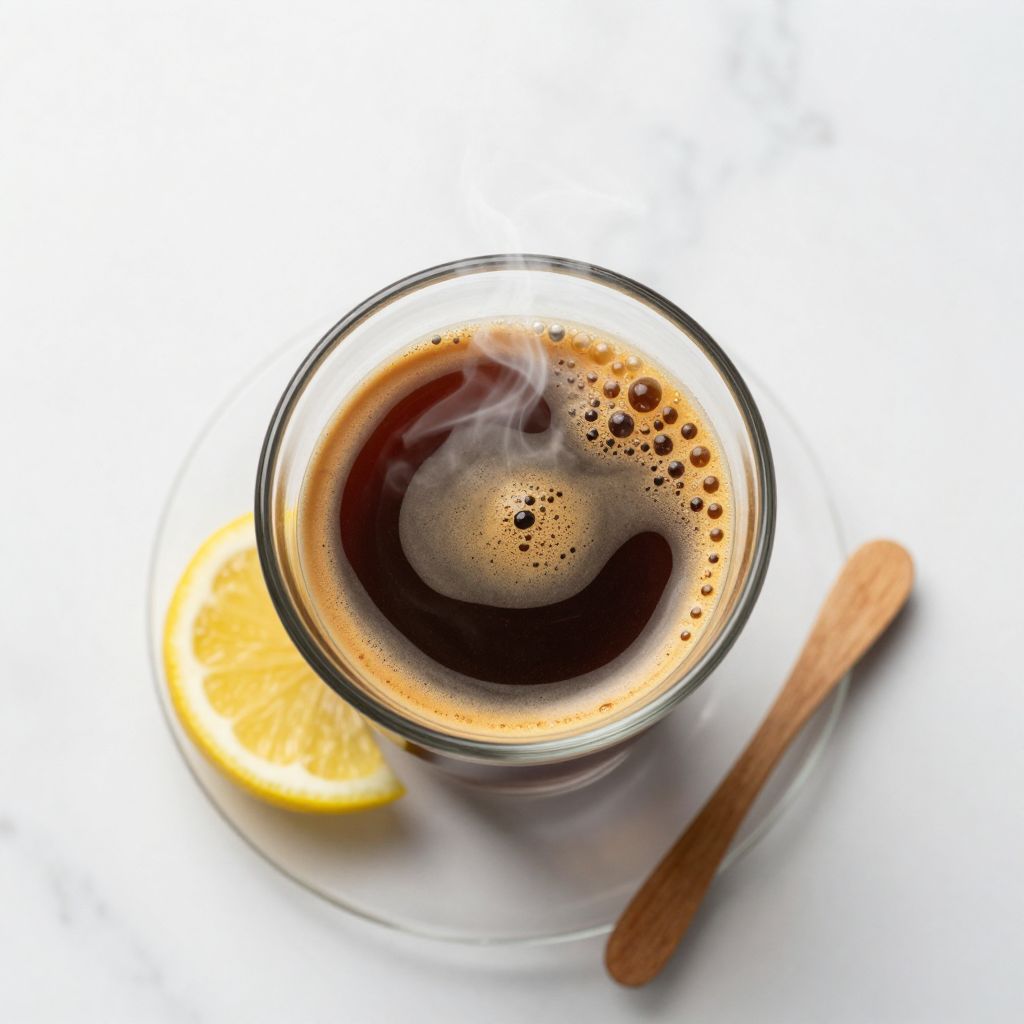
Long Black Coffee
Ingredients
Equipment
Method
- Fill your kettle with fresh, filtered water and heat it to 200 degrees Fahrenheit. Using filtered water removes minerals and impurities that can cloud the flavor and leave sediment in your cup.
- Grind 18 grams of fresh espresso beans on a medium-fine setting, similar to table salt texture. Grinding right before brewing preserves the volatile oils that give your coffee its richness and aroma.
- Place your cup directly under the espresso machine's group head. If your machine has a pre-warming function, run a brief flush of hot water through it first to bring the entire group head up to temperature.
- Distribute the ground coffee evenly in the portafilter basket and tamp down firmly with about 30 pounds of pressure, keeping the tamper level. A good tamp ensures even water flow through the puck, preventing channeling and weak spots in your extraction.
- Insert the portafilter into the group head and turn it clockwise until it stops. Make sure it's locked in completely so no water leaks from the sides during brewing.
- Pour about 100 milliliters of hot water directly into your cup, filling it roughly halfway. You're creating a bed of hot water in the cup first; this is what makes a long black different from an Americano and gives it superior crema and flavor.
- Start the espresso machine and let it pull two shots directly into the hot water. The entire extraction should take 25 to 30 seconds, and you should pull about 50 milliliters of espresso. The water beneath the espresso cushions the crema and prevents it from breaking apart, keeping your drink smooth and rich-tasting.
- Take a sip and note the flavor balance. If it tastes thin or weak, your next shot needs a finer grind or a longer pull; if it's bitter or harsh, grind coarser or shorten the extraction time.