
Imagine starting your day with a refreshing glass of juice that not only tastes great but also supports your heart health. This high blood pressure juice recipe combines nutrient-rich ingredients to help manage blood pressure while delivering a burst of flavor. With its vibrant colors and delightful taste, this juice is a great way to incorporate more fruits and vegetables into your diet. Let’s explore the ingredients and steps to create this heart-healthy drink!
Why You’ll Love This Recipe
This juice is packed with flavor and health benefits. You will enjoy its refreshing taste while knowing you are doing something good for your body.
- Rich in antioxidants and vitamins.
- Easy to prepare in just a few minutes.
- Deliciously sweet and tangy flavor profile.
- Supports heart health naturally.
- Versatile ingredients that can be mixed and matched.
My Experience Making This Recipe
When I first tried this juice, I was taken aback by the vibrant colors and incredible aroma. The combination of fruits and vegetables made my kitchen feel like a health retreat.
After just one sip, I was hooked. The taste was refreshing, and I felt good knowing I was nourishing my body with every drop.
Recipe Overview
- Recipe Name: High Blood Pressure Juice
- Servings: 2
- Prep Time: 10 minutes
- Cook Time: 0 minutes
- Total Time: 10 minutes
- Course: Beverage
- Cuisine: Healthy
- Calories per Serving: 120
Equipment You Will Need
- Juicer or blender
- Cutting board
- Knife
- Measuring cups
- Strainer (if using a blender)
Ingredients for High Blood Pressure Juice
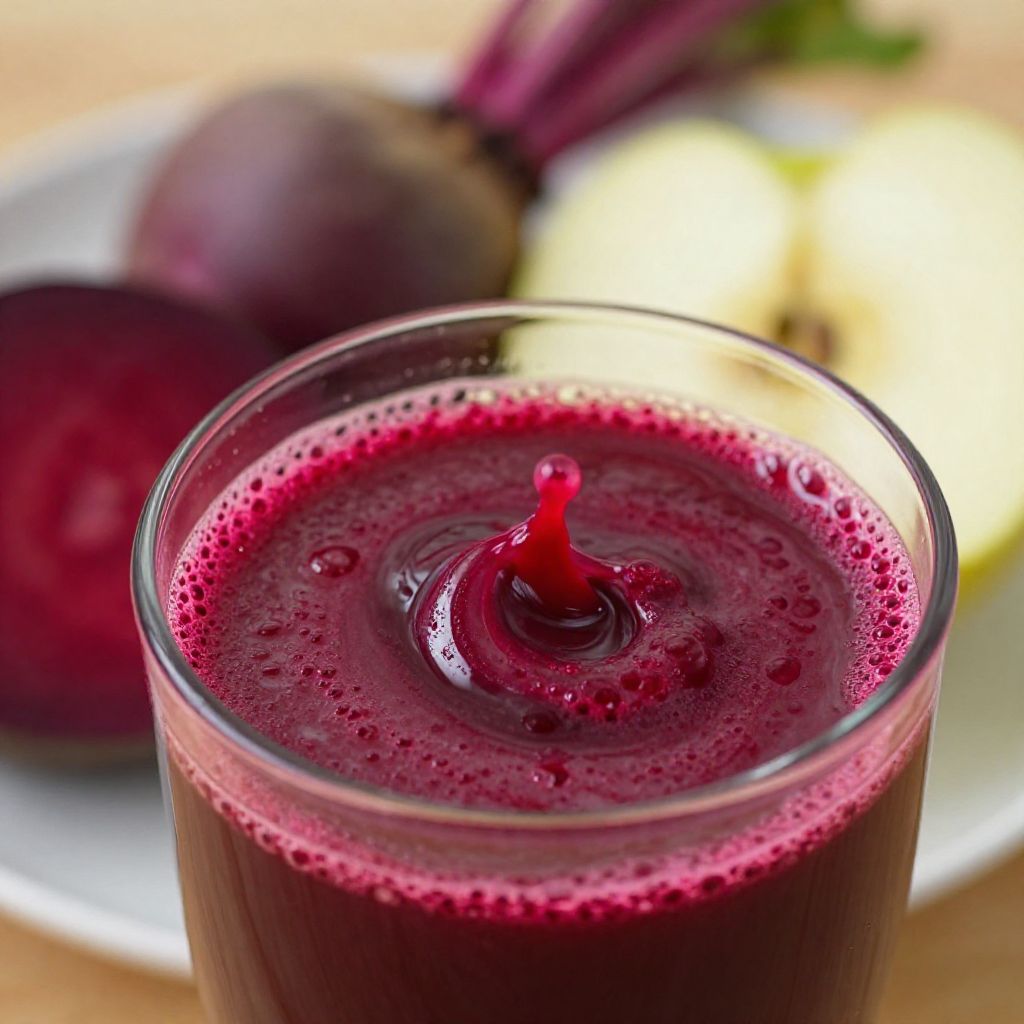
- 2 cups of chopped beets
- 1 medium apple, cored and chopped
- 1 medium carrot, peeled and chopped
- 1 cup of spinach leaves
- 1 tablespoon of lemon juice
- 1 cup of water (or coconut water for added electrolytes)
Ingredient Notes and Substitutions
- Beets: These are packed with nitrates, which help relax blood vessels. You can substitute with cooked red cabbage for a different flavor.
- Apple: Adds sweetness and balances the earthiness of beets. Pears can be used as a substitute for a similar sweetness.
- Carrot: Provides a natural sweetness and is rich in beta-carotene. Sweet potatoes can be used for a richer taste.
- Spinach: Loaded with potassium, it helps manage blood pressure. Kale can be a great substitute for a more robust flavor.
- Lemon juice: Adds brightness and enhances flavor. Lime juice can be used for a different citrus note.
How to Make High Blood Pressure Juice
Step 1: Prepare Your Ingredients
Wash and chop all the fruits and vegetables as indicated in the ingredient list. Proper preparation helps ensure even blending and maximum flavor extraction.
Step 2: Juice the Ingredients
If using a juicer, feed the chopped ingredients through the machine, starting with the softer items like spinach. This order helps extract juice more efficiently.
Step 3: Blend if Necessary
If using a blender, add the chopped ingredients with water. Blend until smooth, then strain through a fine mesh strainer to remove pulp for a smoother juice.
Step 4: Add Lemon Juice
Stir in the lemon juice after juicing to enhance the flavor and add a zesty kick. This step brightens up the overall taste of the juice.
Step 5: Taste and Adjust
Before serving, taste the juice and adjust the sweetness or acidity as needed. If it’s too thick, you can add more water to reach your desired consistency.
Step 6: Chill or Serve Immediately
You can either chill the juice in the refrigerator for a refreshing cold drink or serve it immediately over ice. Fresh juice is best enjoyed right away for optimal nutrients.
Step 7: Garnish (Optional)
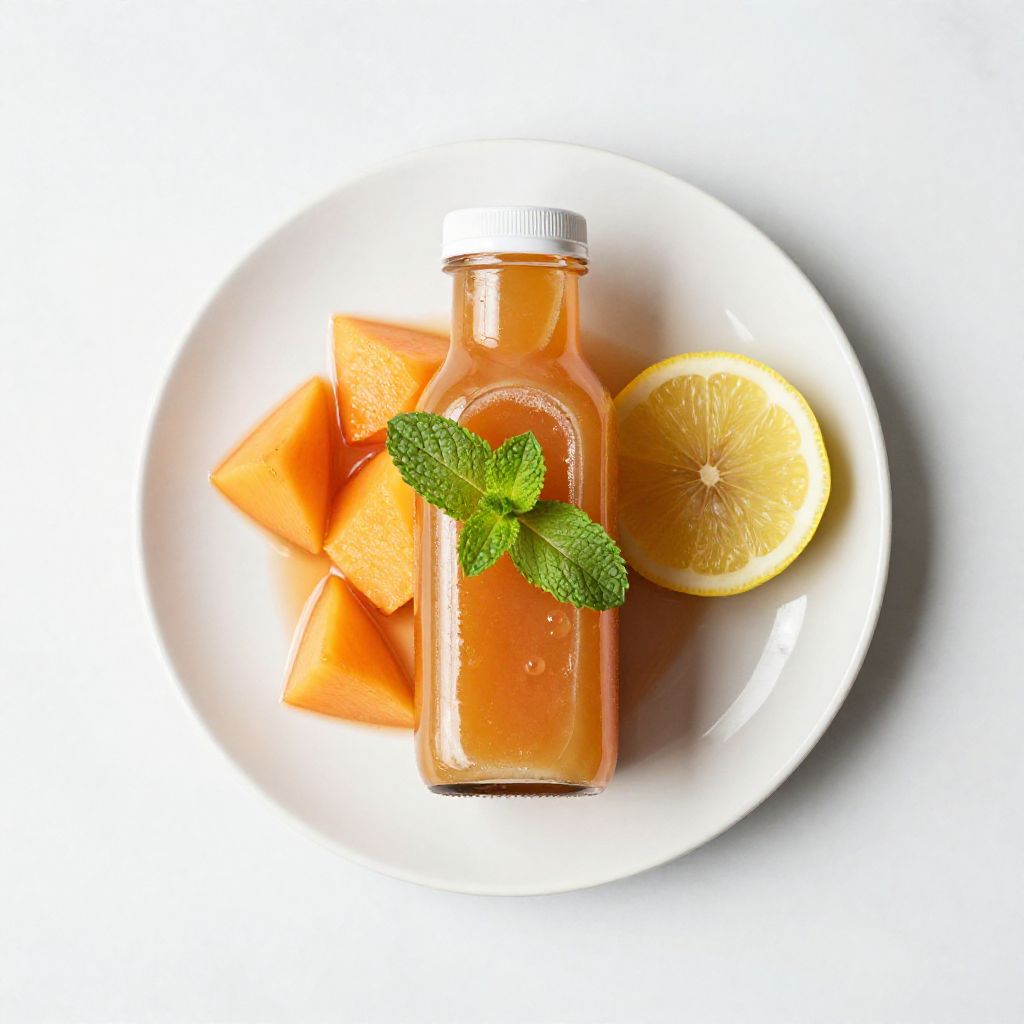
For a nice touch, garnish with a slice of lemon or a sprig of mint. This adds a lovely visual element and an extra hint of freshness.
Step 8: Clean Up
Clean your equipment promptly, especially the juicer or blender, to prevent residue from hardening. A quick wash makes future juicing a breeze.
Pro Tip: For an even fresher taste, use organic ingredients whenever possible.
Tips for the Best High Blood Pressure Juice
- Use fresh, organic ingredients for the best flavor and health benefits.
- Drink the juice immediately after making it to enjoy maximum nutrients.
- Adjust the ratio of ingredients based on your taste preference.
- Experiment with additional ingredients like ginger or turmeric for added health benefits.
- Store any leftovers in an airtight container in the fridge for up to 24 hours.
Common Mistakes to Avoid
- Not washing the produce thoroughly; dirt can affect flavor.
- Using overripe fruits; they can make the juice taste off.
- Not straining the juice when using a blender; the pulp can be unappealing.
- Making too much at once; fresh juice tastes best immediately.
Serving Suggestions
This juice pairs perfectly with a light breakfast or as a mid-afternoon pick-me-up. Enjoy it with:
- Whole grain toast with avocado
- A light salad topped with nuts
- Yogurt and granola
- Oatmeal or porridge
Variations to Try
- Add a handful of kale for an extra nutrient boost.
- Include ginger for a spicy kick and additional anti-inflammatory benefits.
- Substitute orange juice for lemon for a sweeter, citrusy flavor.
- Mix in some berries for added antioxidants and sweetness.
Dietary Adaptations
- Gluten-free: This juice is naturally gluten-free.
- Dairy-free: No dairy is used, making it suitable for all diets.
- Vegan: This recipe is completely plant-based.
- Low-carb/keto: Be mindful of the fruit content to keep carbs low.
Storage and Reheating
Refrigerator
Store any leftover juice in an airtight container in the refrigerator. It’s best consumed within 24 hours for optimal freshness.
- Use a glass container for better preservation.
- Avoid plastic if possible, as it can affect taste.
Freezer
If you want to keep it longer, pour the juice into ice cube trays. Once frozen, transfer the cubes to a freezer bag.
- Frozen juice cubes can be added to smoothies.
- Thaw in the refrigerator before consuming.
Reheating
Reheating is not applicable for juice, as it is best served cold. Enjoy it fresh or chilled.
Nutrition Information
| Nutrient | Amount |
|---|---|
| Calories | 120 |
| Total Fat | 0g |
| Saturated Fat | 0g |
| Carbohydrates | 30g |
| Fiber | 5g |
| Sugar | 20g |
| Protein | 3g |
| Sodium | 100mg |
| Cholesterol | 0mg |
This nutrition information is approximate and may vary based on ingredient choices.
Frequently Asked Questions
Can I make this juice ahead of time?
Yes, you can make it a day in advance, but it is best consumed fresh for maximum nutrients.
What if I don’t have a juicer?
You can use a blender, just strain the juice afterward to remove the pulp.
Can I use frozen fruits instead of fresh?
Yes, frozen fruits can work, but they might alter the texture slightly.
Why should I peel the carrots?
Peeling carrots removes dirt and bitterness, resulting in a smoother juice.
Can I substitute beets with something else?
Yes, cooked red cabbage or even pomegranate juice can be used for a different flavor profile.
Final Thoughts
This high blood pressure juice recipe is a delicious and healthy way to support your heart while enjoying a burst of flavor. I encourage you to give it a try and customize it to your own taste.
For more exciting recipes, feel free to explore how to make an antioxidant juice or a refreshing hibiscus juice.
High Blood Pressure Juice
Ingredients
Equipment
Method
- Wash and chop all fruits and vegetables as indicated in the ingredient list.
- If using a juicer, feed the chopped ingredients through the machine, starting with spinach for efficient extraction.
- If using a blender, combine the chopped ingredients and water, blend until smooth, then strain through a fine mesh strainer to remove pulp.
- Stir in the lemon juice after juicing or blending to enhance the flavor.
- Taste the juice and adjust sweetness or acidity as needed, adding more water if it is too thick.
- Chill the juice in the refrigerator or serve immediately over ice for a refreshing drink.
- Optionally garnish with a slice of lemon or a sprig of mint for extra freshness.
- Clean your equipment promptly to prevent residue from hardening.