
The first sip of Puerto Rican eggnog, also called coquito, tastes like Christmas wrapped in a glass: creamy, warm, and touched with spiced rum and coconut. This beloved holiday drink shows up at every family gathering across Puerto Rico and in Puerto Rican homes worldwide, passed from grandmothers to grandchildren as a cherished tradition.
What makes coquito special is its richness and the balance of sweetness with warming spices like cinnamon and nutmeg. Unlike American eggnog, this version leans heavily on coconut milk and evaporated milk, creating a silky texture that coats your mouth in the best way possible.
The best part? You can make a big batch ahead of time, and it actually tastes better after a few days as the flavors meld together. Whether you’re sharing it with family or bringing a bottle as a gift, homemade coquito always impresses.
Why You’ll Love This Recipe
This Puerto Rican eggnog strikes the perfect balance between tradition and ease, requiring just a few quality ingredients and minimal hands-on time. Once you taste it, store-bought eggnog will feel boring by comparison.
- Rich, creamy texture from coconut and evaporated milk without being heavy
- Warm spice notes of cinnamon, nutmeg, and clove that feel festive and cozy
- Make-ahead friendly: tastes even better after a few days in the fridge
- Naturally sweetened without being cloying or overly sugary
- Works as a sip on its own or mixed into holiday cocktails
My Experience Making This Recipe
The first time I made coquito from scratch, I called my Puerto Rican neighbor to check my ratios because I wanted to get it right. She laughed and told me to trust my instincts, then showed up three days later asking for a bottle.
What surprised me most was how the flavors deepened over time, with the spices becoming more integrated and the coconut flavor mellowing slightly. My family started requesting it weeks before the holidays, and now I make double batches just to keep up with demand.
The sensory experience of making it is half the joy: cracking eggs, smelling the fresh spices, watching the mixture transform from separated liquids into something luxurious and unified. My kitchen smells like a Puerto Rican bodega during the holidays.
Recipe Overview
- Recipe Name: Puerto Rican Eggnog (Coquito)
- Servings: 12 to 14 servings
- Prep Time: 15 minutes
- Cook Time: 0 minutes
- Total Time: 15 minutes, plus chilling
- Course: Beverage
- Cuisine: Puerto Rican
- Calories per Serving: 185
Equipment You Will Need
- Large mixing bowl
- Whisk or electric mixer
- Measuring cups and spoons
- Fine-mesh strainer (optional, for smooth texture)
- Glass bottles or jars for storage
- Wooden spoon for stirring
Ingredients for Puerto Rican Eggnog
- 12 large egg yolks
- 1 can (14 ounces) sweetened condensed milk
- 1 can (12 ounces) evaporated milk
- 1 can (13.5 ounces) coconut milk (full-fat, not light)
- 1 cup dark rum or spiced rum
- 1 teaspoon vanilla extract
- 1/2 teaspoon ground cinnamon
- 1/4 teaspoon ground nutmeg
- 1/8 teaspoon ground clove
- Pinch of salt
Ingredient Notes and Substitutions
- Egg yolks provide richness and a silky mouthfeel that defines authentic coquito. If you’re concerned about raw eggs, use pasteurized eggs or heat the yolks gently to 160F before mixing.
- Sweetened condensed milk adds creaminess and sweetness in one ingredient. Evaporated milk works as a 1:1 substitute if you want less sweetness overall.
- Coconut milk creates the distinctive tropical flavor of coquito. Unsweetened almond or oat milk will change the character, so use full-fat coconut milk for authenticity.
- Dark or spiced rum is traditional and adds warmth and depth. Brandy, cognac, or even bourbon work if you prefer a different flavor profile.
- Ground spices work perfectly fine, but freshly grated nutmeg and cinnamon will give you noticeably brighter flavor if you have them on hand.
How to Make Puerto Rican Eggnog
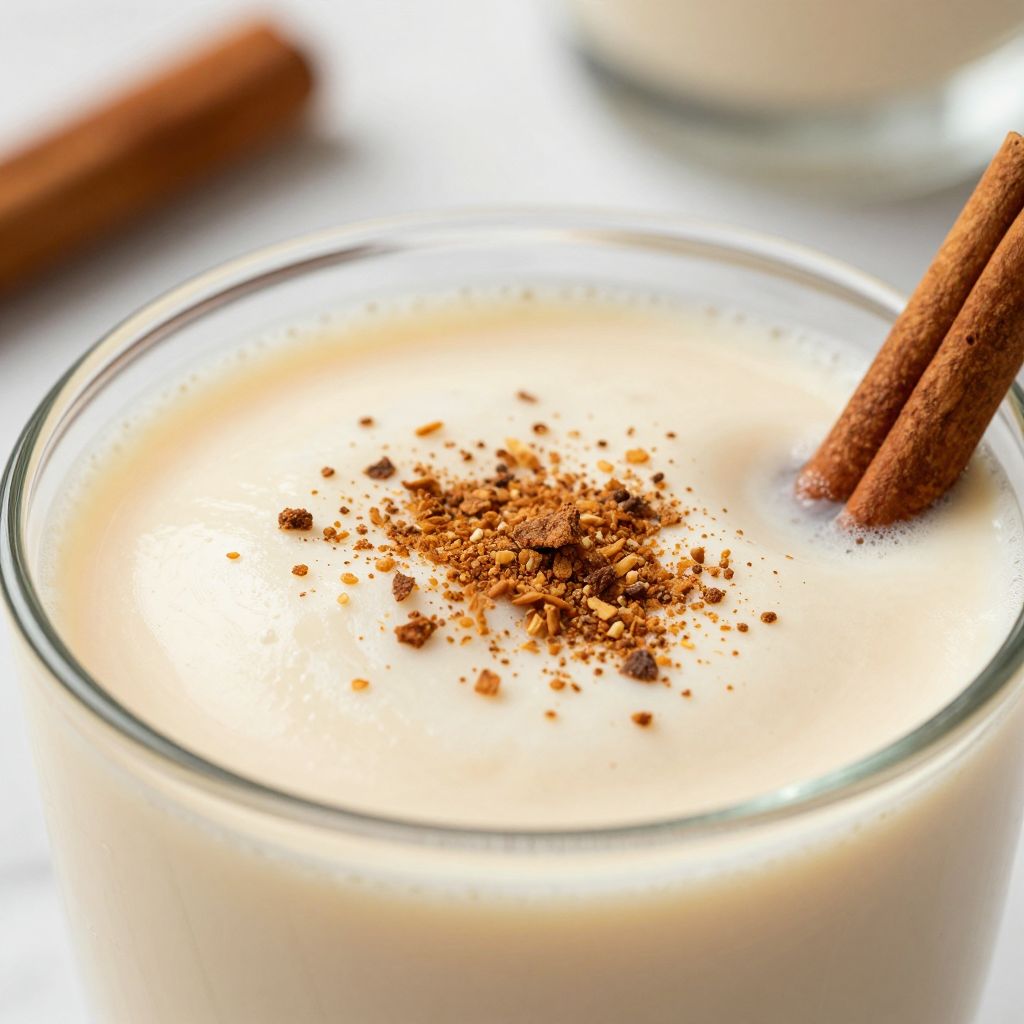
Step 1: Separate and Prepare Your Egg Yolks
Crack your 12 eggs carefully, separating the yolks from the whites and placing them in a large mixing bowl. You want only the yolks for this recipe, so any white mixed in will make the final texture grainy and less silky.
Step 2: Whisk the Egg Yolks Until Pale
Whisk or beat the egg yolks on medium speed for 2 to 3 minutes until they turn pale yellow and increase slightly in volume. This aeration helps create a lighter, creamier texture in the final eggnog.
Step 3: Add the Sweetened Condensed Milk
Pour in the sweetened condensed milk slowly while whisking constantly to combine it smoothly with the yolks. Stopping to scrape down the bowl ensures all ingredients incorporate evenly without lumps.
Step 4: Incorporate the Evaporated Milk
Add the evaporated milk in a steady stream while continuing to whisk gently to combine. This step adds body and creaminess without additional sweetness, balancing the condensed milk.
Step 5: Mix In the Coconut Milk
Pour in the full-fat coconut milk and whisk until the mixture is completely smooth and uniform in color. If your coconut milk has separated, shake the can well before opening to ensure the cream is distributed throughout.
Step 6: Add the Spices and Vanilla
Sprinkle in the cinnamon, nutmeg, clove, salt, and vanilla extract, whisking thoroughly to distribute the spices evenly. These spices are what transform regular eggnog into authentic Puerto Rican coquito, so make sure they’re fully incorporated with no lumps.
Step 7: Strain the Mixture
Pour the mixture through a fine-mesh strainer into a clean bowl, pressing gently with a spoon to remove any specks of spice that might feel gritty. This step is optional but creates a silkier, more refined final texture.
Step 8: Add the Rum
Pour in your dark rum or spiced rum and stir well to combine, making sure the alcohol is fully incorporated. The rum serves as both a flavoring agent and a preservative, allowing your coquito to keep longer in the fridge.
Step 9: Chill and Let Flavors Meld
Transfer the eggnog to clean glass bottles or jars and refrigerate for at least 2 hours, though overnight is ideal. The flavors deepen and meld beautifully over the first few days, so making it ahead of time actually improves the final result.
Pro Tip: Make your coquito at least 3 days before you plan to serve it; the spices will be more integrated and the flavors more balanced, tasting far superior to fresh batches.
Tips for the Best Puerto Rican Eggnog
- Use fresh, high-quality rum because you can taste the difference in a drink this simple. Cheap rum will stand out harshly, while good rum adds warmth and complexity.
- Don’t skip the whisking step when beating the yolks; this aeration is what creates the signature light, fluffy texture that makes coquito special.
- Taste as you go when adding spices, particularly if you’re using freshly ground versions, which are more potent than pre-ground varieties.
- Store your coquito in glass bottles with tight-fitting lids to preserve flavor and prevent oxidation from exposure to air.
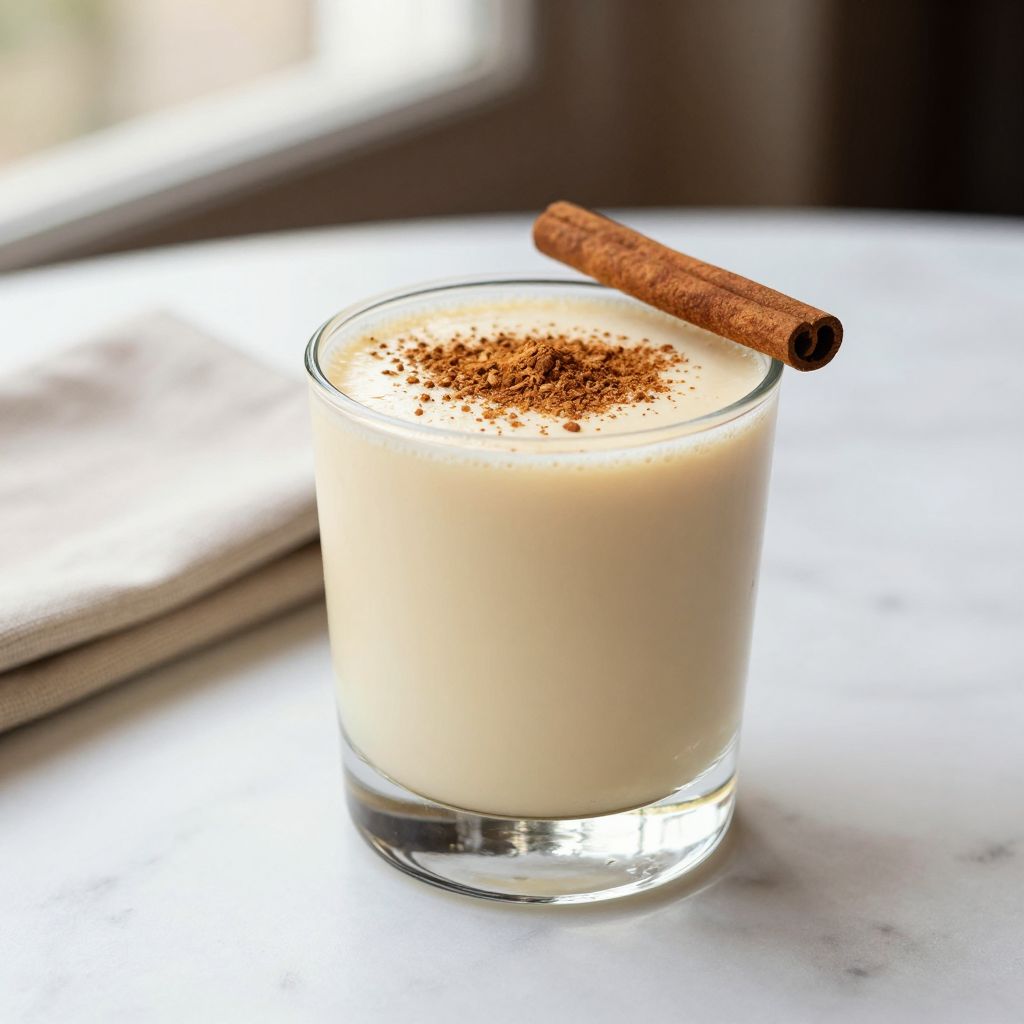
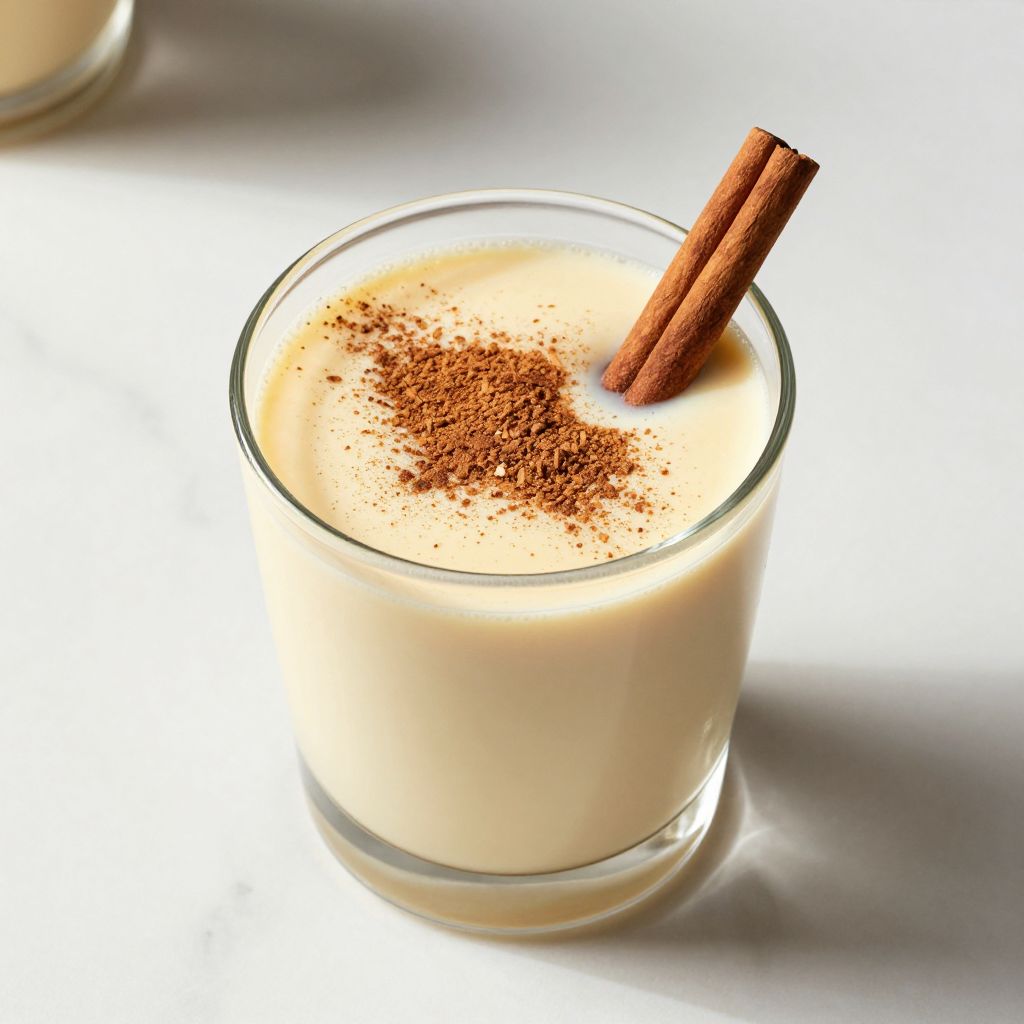
- Serve coquito chilled in small glasses or mugs, optted with a sprinkle of cinnamon or nutmeg on top for visual appeal and an extra flavor hint.
- Double the batch without hesitation; people always want more, and it stores beautifully for weeks in the fridge.
Common Mistakes to Avoid
- Using light coconut milk instead of full-fat creates a thin, watery eggnog that lacks the creamy richness that defines coquito. Always reach for full-fat coconut milk.
- Overwhisking the finished mixture can cause the emulsion to break, resulting in separation of the liquids. Whisk gently once the spices and rum are added.
- Skipping the resting period means you’ll miss out on flavor development that makes homemade eggnog so much better than drinking it fresh. Patience pays off.
- Adding the rum before the other ingredients fully combine can cause the mixture to separate or curdle if the emulsion isn’t stable first.
- Using warm ingredients instead of room-temperature ones increases the risk of the eggs cooking slightly or the mixture separating unexpectedly.
Serving Suggestions
Serve your coquito chilled in small glasses, since it’s rich and best enjoyed in small sips rather than large pours. You can also warm it gently on the stovetop for cold winter nights, though most Puerto Rican families prefer it cold and creamy.
- Sip it straight as a dessert drink after holiday meals
- Mix it into coffee or hot chocolate for a spiked version of both drinks
- Layer it with additional rum to make a richer, boozier version for adult gatherings
- Serve it as a gift in beautiful glass bottles with a handwritten label
- Use it as a base for holiday cocktails mixed with champagne or ginger beer
Variations to Try
- Almond Coquito: Replace half the coconut milk with unsweetened almond milk and add 1/2 teaspoon of almond extract for a nuttier, more delicate flavor profile.
- Spiced Rum Coquito: Use spiced rum and add a pinch of star anise to deepen the warm spice notes and add subtle licorice undertones.
- Dairy-Free Coquito: Substitute the evaporated and condensed milk with full-fat coconut milk and cashew cream blended smooth for a creamy vegan option.
- Brandy Coquito: Swap the rum for cognac or brandy to create a lighter, slightly floral version with more sophisticated flavors.
- Extra-Spiced Coquito: Double the cinnamon and nutmeg, and add 1/4 teaspoon of ginger powder for those who love bold, warming spice.
Dietary Adaptations
- Gluten-Free: This recipe is naturally gluten-free, but verify your rum and spices are certified gluten-free if that’s a concern for your guests.
- Dairy-Free: Use full-fat coconut milk in place of all dairy products, and blend it with soaked cashews or macadamia nuts to replicate the creamy texture of condensed and evaporated milk.
- Vegan: Replace the egg yolks with 1/2 cup of aquafaba (liquid from canned chickpeas) beaten until foamy, which creates a similar airy texture.
- Low-Carb/Keto: Substitute sweetened condensed milk with monk fruit-sweetened condensed milk, and use full-fat coconut milk as your base for a keto-friendly version.
Storage and Reheating
Refrigerator
Store your finished coquito in glass bottles with tight-fitting lids in the coldest part of your refrigerator. Properly stored, it will keep for 4 to 6 weeks without any issues.
- Always use clean, sterilized bottles to prevent contamination
- Leave at least 1/2 inch of headspace to allow for slight expansion
- Check for any signs of separation or off smells before serving
Freezer
Coquito can be frozen for up to 3 months in airtight containers, though some people prefer not to freeze it since the texture can change slightly. If you do freeze it, thaw it in the refrigerator overnight before serving.
- Use freezer-safe glass jars or containers to prevent cracking
- Leave headspace for expansion during freezing
- Label with the date so you know when you made it
Reheating
To serve warm coquito, heat it gently on the stovetop over low heat, stirring frequently to prevent separation. Never boil it, as high heat will cause the eggs and cream to curdle.
- Heat slowly to 140F if you prefer warm eggnog
- Stir constantly to maintain an even temperature throughout
- Serve immediately in mugs rather than letting it sit at room temperature
Nutrition Information
| Nutrient | Amount |
|---|---|
| Calories | 185 |
| Total Fat | 12g |
| Saturated Fat | 9g |
| Carbohydrates | 14g |
| Fiber | 0g |
| Sugar | 13g |
| Protein | 3g |
| Sodium | 65mg |
| Cholesterol | 110mg |
These values are approximate and based on standard ingredients; nutrition will vary depending on your specific brands and any substitutions you make.
Frequently Asked Questions
Can I make coquito without alcohol?
Yes, you can omit the rum entirely, though the flavor profile will be noticeably sweeter and less complex. Add 1 teaspoon of rum extract to approximate the depth the actual rum provides.
Is it safe to use raw eggs in coquito?
Raw eggs carry a small risk of salmonella, so use pasteurized eggs from the store or gently heat the yolks to 160F before mixing. Most Puerto Rican families use fresh eggs without concern, but decide based on your comfort level.
How long does homemade eggnog last?
Properly stored in the fridge, coquito keeps for 4 to 6 weeks thanks to the preservative power of rum and the acidity of the eggs. The high alcohol content and lack of perishable ingredients other than eggs makes it very shelf-stable.
Why does my coquito look separated?
Separation happens when the emulsion breaks, usually from overwhisking, using very cold ingredients, or adding alcohol before the mixture is stable. Try gently rewhisking it or blending it in a food processor briefly to bring it back together.
Can I make this recipe with fewer eggs?
The 12 egg yolks are essential for creaminess and emulsification, so reducing them will result in a thinner, less luxurious drink. Stick with the full amount for the authentic texture and richness.
What’s the difference between coquito and regular eggnog?
Puerto Rican coquito uses coconut milk and evaporated milk instead of heavy cream, creating a lighter but still rich drink with tropical flavors. Regular eggnog relies on cream and dairy, making it heavier, while coquito emphasizes coconut and warm spices.
Final Thoughts
Making Puerto Rican eggnog at home connects you to a tradition that’s been passed down through generations, and the results taste so much better than anything store-bought. Your family will recognize the love that goes into every sip, and you’ll find yourself making multiple batches each holiday season.
Don’t wait for a special occasion to try this recipe; make a batch this week and taste the difference homemade coquito makes. Your neighbors, friends, and family will be asking you for bottles by the time the holidays roll around.
Explore More Festive Drinks
If you enjoyed this recipe, consider exploring other holiday beverage traditions that bring warmth and celebration to your home.
Looking to expand your eggnog repertoire? Try this spiked eggnog recipe with rum for an elevated American-style version, or discover this Southern Comfort eggnog recipe for a whiskey-forward twist on the classic.
Puerto Rican Eggnog (Coquito)
Ingredients
Equipment
Method
- Separate 12 large egg yolks into a large mixing bowl, discarding the whites or saving them for another use.
- Whisk the egg yolks on medium speed for 2 to 3 minutes until pale yellow and slightly increased in volume.
- Slowly pour in the sweetened condensed milk while whisking constantly until smooth.
- Add the evaporated milk in a steady stream while whisking gently to combine.
- Pour in the full-fat coconut milk and whisk until the mixture is completely smooth and uniform in color.
- Sprinkle in ground cinnamon, nutmeg, clove, a pinch of salt, and vanilla extract, then whisk thoroughly to distribute the spices evenly.
- Strain the mixture through a fine-mesh strainer into a clean bowl to remove any lumps or gritty spice specks.
- Stir in 1 cup of dark rum or spiced rum until fully incorporated.
- Transfer the coquito to glass bottles or jars, seal tightly, and refrigerate for at least 2 hours or overnight to chill and allow the flavors to meld.