
There’s something magical about the fizz of homemade club soda on a hot afternoon, that satisfying carbonation hitting your lips before the clean, mineral taste takes over. Club soda is one of the simplest beverages you can make at home, yet it transforms everything from mocktails to sparkling water cocktails with just a few basic ingredients and the right equipment.
Making your own club soda saves money, eliminates plastic waste, and gives you complete control over the carbonation level and mineral content. Whether you’re a health-conscious home cook, a budding bartender, or someone tired of buying endless bottles at the store, this recipe delivers crisp, refreshing results every single time.
Why You’ll Love This Recipe
Homemade club soda offers flexibility, sustainability, and genuine satisfaction that store-bought versions simply cannot match. You control every variable, from how bubbly your water gets to which minerals you add for that signature crisp taste.
- Customizable carbonation levels to suit your exact preference
- Saves money over time compared to buying bottled versions
- Reduces plastic waste and supports eco-friendly living
- Perfect base for mocktails, cocktails, and simple refreshers
- Uses affordable, accessible ingredients and equipment
My Experience Making This Recipe
I first tried making club soda after investing in a basic carbonation system, expecting it to be overly complicated or produce mediocre results. Within minutes of my first batch, I realized how straightforward the process was and how much better homemade club soda tasted than the flat, plasticky versions sitting in my fridge.
The real breakthrough came when I started experimenting with different mineral combinations and carbonation levels. My friends stopped reaching for regular soda and started asking for my homemade club soda at gatherings, which honestly felt better than any compliment I’d received on a home-cooked meal.
What surprised me most was the cost savings after just a few weeks, and how much less packaging waste I generated. Now I make fresh batches weekly, and it’s become my go-to base for everything from simple spritzers to sophisticated cocktails.
Recipe Overview
- Recipe Name: Homemade Club Soda
- Servings: 1 liter (four 8-ounce servings)
- Prep Time: 5 minutes
- Cook Time: 0 minutes
- Total Time: 5 minutes
- Course: Beverage
- Cuisine: American
- Calories per Serving: 0
Equipment You Will Need
- Carbonation system (siphon bottle, CO2 cartridges, or seltzer maker)
- Filtered or distilled water pitcher
- Measuring spoons
- Small mixing bowl
- Stirring spoon
- Glass bottles with tight-sealing lids
- Funnel (optional but helpful)
- Thermometer for water temperature
Ingredients for Homemade Club Soda
- Filtered or distilled water: 1 liter (room temperature or chilled)
- Baking soda: 1/4 teaspoon
- Kosher salt: 1/8 teaspoon
- Food-grade potassium bicarbonate: 1/8 teaspoon (optional, for mineral content)
- CO2 cartridges or carbonation source: as directed by your system
Ingredient Notes and Substitutions
- Filtered or distilled water: This removes chlorine and impurities that can interfere with carbonation and flavor. If filtering isn’t available, tap water works but may taste slightly off; bottled water is your backup option.
- Baking soda: This creates the alkaline mineral base that mimics store-bought club soda’s pH balance and contributes that signature bite. You can skip it entirely if you prefer neutral pH water, though the taste will be noticeably flatter.
- Kosher salt: The mineral adds subtle flavor depth and mimics the sodium content of commercial club soda. Sea salt works as a one-to-one substitute but may introduce iodine flavors; avoid table salt because anti-caking agents cloud the water.
- Potassium bicarbonate: This mineral enhances the crisp taste and electrolyte content, making your club soda feel more authentic. You can replace it with a pinch of baking soda, though the flavor profile shifts slightly.
- CO2 cartridges: Choose from home soda makers (SodaStream-style), siphon bottles with chargers, or paintball-grade cartridges depending on your system. Each method produces slightly different carbonation levels and requires specific handling.
How to Make Homemade Club Soda
Step 1: Gather and Prepare Your Water
Measure out one liter of filtered or distilled water and ensure it’s at room temperature or slightly chilled, ideally between 50 and 65 degrees Fahrenheit. Cold water absorbs and holds carbonation much better than warm water, which is why temperature matters for achieving that lasting fizz.
Step 2: Combine Your Mineral Ingredients
Pour the baking soda, kosher salt, and potassium bicarbonate into a small mixing bowl. Stir these dry ingredients together thoroughly to break up any clumps, ensuring even distribution when they dissolve into your water.
Step 3: Dissolve the Minerals
Add the mineral mixture to your pitcher of cold water, stirring vigorously for about one minute until everything dissolves completely. The water should look crystal clear with no visible particles; if any sediment remains, let it settle for 30 seconds and pour carefully into your carbonation bottle, leaving the sediment behind.
Step 4: Chill Your Water Further
Place your mineralized water in the refrigerator or freezer for 10 to 15 minutes to bring the temperature down to its coldest point. This extra chill step significantly improves carbonation absorption and gives your finished club soda that snappy, long-lasting fizz.
Step 5: Prepare Your Carbonation System
Follow your specific carbonation device’s instructions to prepare it for use, whether that means inserting CO2 cartridges, charging the siphon, or powering on your seltzer maker. Each system has unique requirements, so referring to your manufacturer’s guide prevents errors that waste carbonation.
Step 6: Pour Water Into Your Carbonation Bottle
Transfer your chilled mineralized water into your carbonation bottle, filling it to the fill line indicated by your device’s manufacturer. Filling to the correct level prevents overflow during carbonation and ensures optimal gas distribution throughout your water.
Step 7: Carbonate Your Water
Activate your carbonation system according to its specific instructions, delivering CO2 into the sealed bottle for the recommended time or number of bursts. Most home systems require two to four bursts for medium carbonation; start conservatively and repeat if you prefer extra fizz after tasting.
Step 8: Release Pressure and Taste
Carefully release any pressure from your carbonation bottle by slowly opening the valve or lid, listening for the satisfying hiss of carbonation. Pour a small sample into a glass, taste it, and adjust if needed by adding another brief carbonation burst for more fizz or leaving it as is if you’re satisfied.
Step 9: Transfer and Store Your Club Soda
Pour your finished club soda into clean glass bottles with airtight seals, leaving minimal headspace to preserve carbonation. Refrigerate immediately and consume within one to two weeks for optimal fizz and flavor, though properly sealed bottles maintain carbonation for up to a month.
Pro Tip: The colder your water and the longer you let it sit after carbonation before opening, the better your carbonation retention, so patience truly rewards you with superior fizz.
Tips for the Best Homemade Club Soda
- Use filtered water exclusively to prevent chlorine and mineral buildup that interfere with carbonation and taste quality. Cheap water means disappointing results, so this single step transforms your finished product noticeably.
- Never carbonate warm water, as it releases gas rapidly and wastes your CO2 cartridges or charges. Invest five extra minutes in chilling for dramatically better carbonation success.
- Start with conservative carbonation levels and taste before adding more, since over-carbonation creates an unpleasantly sharp bite that’s difficult to fix. You can always add more fizz, but you cannot remove it.
- Keep your carbonation system and bottles scrupulously clean, rinsing thoroughly after each use to prevent bacterial growth and off flavors. Mold and residue accumulate quickly in moist equipment.
- Invest in quality glass bottles with tight-sealing lids, as cheap bottles leak carbonation rapidly and plastic containers leach flavors into your water. Dedicated glass soda bottles or repurposed beer bottles work perfectly.
- Make club soda in batches weekly rather than attempting to store large quantities, since carbonation gradually escapes even from sealed bottles over time. Fresh batches taste noticeably crisper.
Common Mistakes to Avoid
- Using tap water directly without filtering removes none of the chlorine and minerals that create off-flavors and prevent proper carbonation. This single mistake ruins otherwise perfect technique.
- Carbonating room-temperature or warm water wastes your gas cartridges and produces flat, disappointing results that make you question the entire process. Temperature control is non-negotiable for success.
- Overfilling your carbonation bottle prevents proper gas mixing and often causes overflow when you activate the system, creating messy cleanup and wasted product. Always respect the fill line.
- Storing club soda in clear plastic bottles or unsealed containers causes rapid carbonation loss and allows light to degrade water quality. Glass with tight seals is your only option for longevity.
- Neglecting to chill your finished club soda before consuming sacrifices carbonation retention and results in noticeably flatter, warmer drinks that disappoint. Refrigeration immediately after carbonation is essential.
Serving Suggestions
Your homemade club soda becomes the perfect foundation for countless refreshing beverages and mixers, from simple spritzers to sophisticated cocktails. Serve it ice-cold in tall glasses with fresh fruit, herbs, or as a mixer for spirits and juices.
- Mix with fresh lemon or lime juice and a touch of honey for an instant homemade lemonade base
- Combine with cranberry juice, fresh rosemary, and vodka for an elevated holiday cocktail
- Pour over ice with muddled fresh mint, cucumber, and a splash of white wine for a sophisticated spritzer
- Mix with ginger beer and bourbon for a spicy, crisp take on the classic Moscow Mule
- Serve plain with ice as a refreshing, zero-calorie alternative to sugary sodas and flavored beverages
Variations to Try
- Flavored Club Soda: Add a splash of natural fruit juice or extract to your club soda after carbonation for subtle flavor without added sugar. Passion fruit, grapefruit, or berry extracts work beautifully without overwhelming the crisp mineral taste.
- Herbal Club Soda: Steep dried herbs like chamomile, lavender, or hibiscus in your water before carbonation, then strain and carbonate the infused liquid. This creates sophisticated, caffeine-free beverages that feel luxurious and taste complex.
- Extra-Strength Carbonation: Carbonate your water twice by repeating the carbonation process after the initial burst, creating intensely fizzy water that rivals premium imports. This creates a sharper mouthfeel that some people prefer for cocktails.
- Reduced-Mineral Club Soda: Skip the baking soda and salt entirely for neutral-pH carbonated water, which works beautifully for people sensitive to minerals or those preferring a cleaner taste. The flavor becomes noticeably more delicate without mineral notes.
- Sports Hydration Soda: Add a pinch of sea salt and a squeeze of lemon juice to your finished club soda for an electrolyte-enhanced refresher that replenishes after workouts. This creates a naturally fizzy sports drink without artificial additives.
Dietary Adaptations
- Gluten-Free: Club soda is naturally gluten-free, with no gluten-containing ingredients in the base recipe or any typical variations. All mineralized versions remain completely safe for celiac and gluten-sensitive individuals.
- Dairy-Free: This recipe contains zero dairy products in any form, making it suitable for all dairy-free and vegan diets without modification. Carbonated water and minerals create a completely plant-based beverage.
- Vegan and Vegetarian: Club soda is 100% vegan and vegetarian, requiring no animal-derived ingredients or processing methods that violate dietary principles. All variations and flavoring options remain compatible with plant-based lifestyles.
- Low-Carb and Keto: Plain club soda contains zero carbohydrates and zero calories, making it an ideal beverage for ketogenic and low-carb diets. Avoid flavored versions made with sugar or juice unless using zero-carb sweeteners.
- Low-Sodium: Omit the kosher salt and use only baking soda and potassium bicarbonate for a mineral-enhanced version with minimal sodium content. This adaptation works well for people managing blood pressure or sodium-restricted diets.
Storage and Reheating
Refrigerator
Store your finished club soda in sealed glass bottles on a refrigerator shelf away from the door, where temperature fluctuates constantly and degrades carbonation. Properly sealed club soda maintains optimal fizz for one to two weeks when refrigerated consistently.
- Keep bottles upright to minimize surface area exposure to air
- Store away from direct light and heat sources
- Check seals weekly for any leaks or degradation
- Use oldest batches first to rotate stock
Freezer
Freezing club soda is not recommended, as carbonation escapes rapidly during the freezing process and the expansion of frozen liquid can burst bottles. Additionally, thawing releases remaining carbonation, leaving you with flat, expensive water.
- Avoid freezing to preserve carbonation and prevent bottle damage
- If you accidentally freeze club soda, thaw slowly in the refrigerator and consume immediately
Reheating
Club soda requires no reheating and is never served warm, as heat causes rapid carbonation loss and defeats the beverage’s purpose. Always serve cold or at room temperature for optimal flavor and mouthfeel.
- Serve club soda ice-cold directly from the refrigerator
- Add fresh ice cubes to glasses for enhanced chilling
- Never heat or warm club soda under any circumstances
Nutrition Information
| Nutrient | Amount |
|---|---|
| Calories | 0 |
| Total Fat | 0 g |
| Saturated Fat | 0 g |
| Carbohydrates | 0 g |
| Fiber | 0 g |
| Sugar | 0 g |
| Protein | 0 g |
| Sodium | 60 mg |
| Cholesterol | 0 mg |
Club soda provides zero calories and zero carbohydrates, making it an ideal beverage for any dietary goal or restriction, though sodium content varies based on your mineral additions and the specific water source you use.
Frequently Asked Questions
Can I use tap water directly without filtering?
Tap water contains chlorine, fluoride, and mineral deposits that negatively impact carbonation quality and create unpleasant off-flavors. Filtering takes five minutes and transforms your results so dramatically that skipping it wastes your effort and equipment.
How long does homemade club soda stay carbonated?
Properly sealed club soda maintains strong carbonation for one to two weeks when refrigerated consistently. After two weeks, carbonation gradually escapes even from sealed bottles, so making fresh batches weekly ensures optimal fizz and flavor.
What’s the difference between club soda and seltzer water?
Club soda contains added minerals like sodium bicarbonate and potassium bicarbonate that create a slightly salty, crisp taste. Seltzer is plain carbonated water with no mineral additives, making it taste cleaner and more neutral.
Can I make club soda without specialized carbonation equipment?
Specialized carbonation equipment is essential for creating true club soda, as other methods like yeast fermentation or chemical reactions produce inconsistent results. Home carbonation systems are affordable and reusable, making them a worthwhile investment for regular club soda drinkers.
Why does my homemade club soda taste flat after a few days?
Carbonation naturally escapes from any container over time, and improper seals accelerate this process dramatically. Invest in quality glass bottles with airtight lids, store in the coldest part of your refrigerator, and use club soda within one week for best results.
Can I add flavoring to my club soda before carbonation?
Adding juice, syrups, or extracts before carbonation can interfere with proper gas absorption and create safety issues if sealed bottles build up excessive pressure. Add flavoring after carbonation for consistent results and safer handling.
Is homemade club soda more expensive than store-bought?
After the initial investment in carbonation equipment (typically 30 to 100 dollars), homemade club soda costs just pennies per liter compared to store-bought versions. You recoup your equipment investment within a few months through dramatic savings.
Final Thoughts
Making your own club soda transforms a simple luxury into an accessible, sustainable habit that saves money and reduces waste while delivering superior flavor and customization. Once you experience the crisp, refreshing results of homemade club soda, you’ll wonder why you ever relied on expensive store-bought alternatives.
Start with this basic recipe, experiment with carbonation levels and mineral combinations, and enjoy sharing your homemade club soda with friends and family. The satisfaction of serving a perfectly carbonated beverage that you created yourself is genuine and rewarding.
Explore more refreshing beverage options by checking out our Italian cream soda recipe for a sweeter alternative, or try our natural soda recipe for flavor-infused carbonated drinks that go beyond plain club soda.
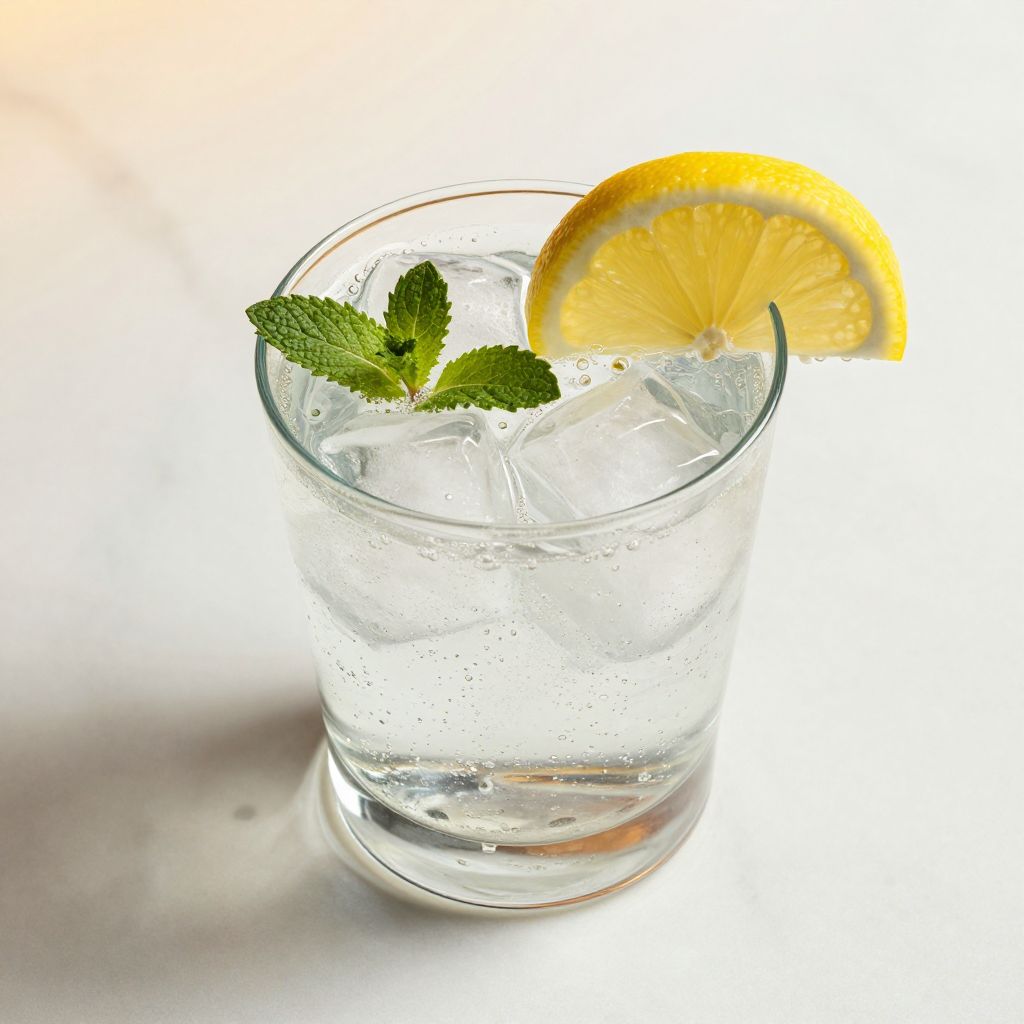
Homemade Club Soda
Ingredients
Equipment
Method
- Measure out 1 liter of filtered or distilled water and chill it to between 50 and 65°F (10-18°C) for optimal carbonation.
- Combine 1/4 teaspoon baking soda, 1/8 teaspoon kosher salt, and 1/8 teaspoon food-grade potassium bicarbonate in a small mixing bowl and stir thoroughly to break up any clumps.
- Add the mineral mixture to the chilled water and stir vigorously for one minute until completely dissolved, then let sediment settle for 30 seconds and carefully pour the clear water into the carbonation bottle.
- Refrigerate the mineralized water for 10 minutes to ensure it is as cold as possible before carbonation.
- Prepare your carbonation system by inserting CO2 cartridges or charging the siphon bottle according to the manufacturer’s instructions.
- Fill the carbonation bottle to the indicated fill line with the chilled mineralized water to prevent overflow during carbonation.
- Carbonate the water by applying 2 to 4 bursts of CO2 as directed by your system, starting with two bursts for medium carbonation and adjusting after tasting.
- Slowly release pressure by opening the bottle valve, pour a small sample into a glass, taste, and add more bursts if additional carbonation is desired.
- Transfer the finished club soda into clean glass bottles with airtight seals, leaving minimal headspace, then refrigerate immediately.