
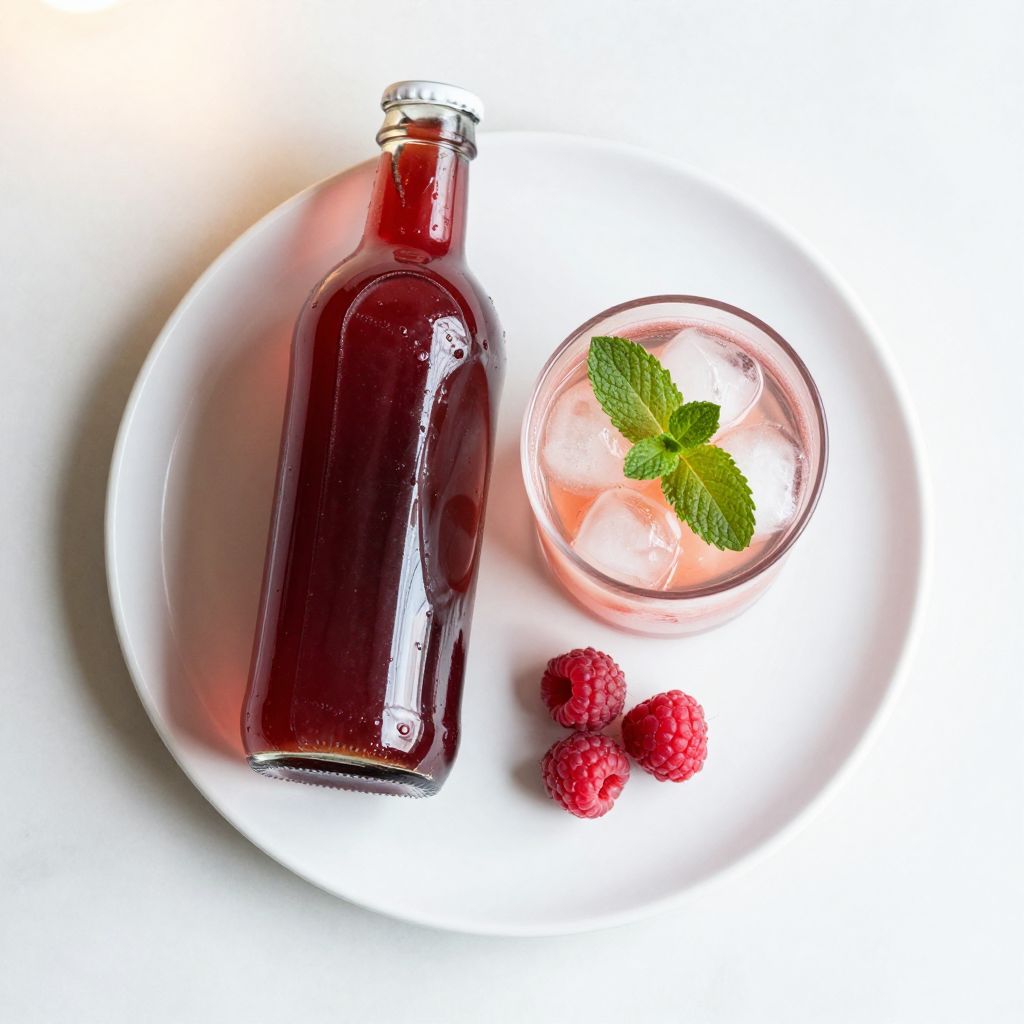
There’s something magical about a bottle of homemade cordial sitting in your fridge, waiting to transform a simple glass of water into something vibrant and delicious. I still remember the first time I made cordial from scratch and realized how much better it tastes than the store-bought versions loaded with artificial flavors and additives.
This cordial recipe is a game-changer for anyone who loves flavored drinks but wants to skip the mystery ingredients. It’s versatile, takes minimal effort, and gives you complete control over sweetness and flavor intensity.
Whether you dilute it with sparkling water for a refreshing spritz, mix it into cocktails, or pour it over ice on a hot day, this recipe becomes your secret weapon for instant flavor. Ready to make your own?
Why You’ll Love This Recipe
Homemade cordial beats the bottled stuff in every way that matters. You know exactly what goes into it, you save money in the long run, and you get to customize the flavor to your exact taste.
- Takes just 15 minutes of active work to prepare
- Makes enough cordial to last several weeks when stored properly
- Costs a fraction of buying pre-made bottles repeatedly
- Works with any fruit, herb, or flavor combination you can dream up
- No artificial preservatives, colors, or mystery ingredients required
My Experience Making This Recipe
The first time I tested this cordial, I chose fresh raspberries and a touch of lemon. The kitchen smelled absolutely incredible as the fruit simmered with the sugar and water.
What surprised me most was how potent the concentrate becomes. One part cordial to four parts water created this perfectly balanced, fruity drink that my entire family requested repeatedly.
My neighbor tasted it and immediately asked for the recipe because it reminded her of cordials she’d enjoyed while traveling in Europe. That’s when I knew this was the real deal.
Recipe Overview
- Recipe Name: Homemade Cordial
- Servings: Makes approximately 24 servings (when diluted with water)
- Prep Time: 10 minutes
- Cook Time: 15 minutes
- Total Time: 25 minutes
- Course: Beverage
- Cuisine: British, Universal
- Calories per Serving: 45 calories per tablespoon (concentrate only)
Equipment You Will Need
- Medium saucepan with a heavy bottom
- Wooden spoon for stirring
- Fine mesh strainer or cheesecloth
- Glass bottles for storage with tight-fitting lids
- Measuring cups and spoons
- Funnel for pouring into bottles
- Knife and cutting board for prep
Ingredients for Homemade Cordial
- 2 pounds fresh fruit (raspberries, strawberries, blackberries, or any berry of your choice)
- 2 cups granulated white sugar
- 2 cups filtered water
- 3 tablespoons fresh lemon juice
- 1 tablespoon citric acid powder (acts as a preservative and brightens flavor)
- Optional: 1 cinnamon stick, 4 whole cloves, or 3 sprigs fresh mint for flavor variation
Ingredient Notes and Substitutions
- Fresh fruit: You use ripe, quality fruit because it delivers maximum flavor and natural pectin for body. If fresh fruit is unavailable, frozen berries work nearly as well; thaw them first and drain excess liquid.
- Granulated sugar: White sugar dissolves cleanly and lets fruit flavor shine through without competition. Honey or agave nectar can replace sugar one-to-one, though they’ll add their own subtle notes and affect shelf life slightly.
- Filtered water: You choose filtered water to avoid chlorine and impurities that can dull flavor. Tap water works if filtered water isn’t available, though the taste might be marginally less clean.
- Lemon juice: Fresh lemon juice provides natural brightness and acid that balances sweetness. Bottled lemon juice works in a pinch but tastes slightly flat compared to fresh; use the same amount.
- Citric acid powder: This ingredient preserves your cordial and prevents spoilage without adding vinegar flavor. If you can’t find it, increase lemon juice to 4 tablespoons, though your cordial won’t keep quite as long.
How to Make Homemade Cordial
Step 1: Prepare Your Fruit
Rinse your fresh berries under cold water and pat them completely dry with paper towels. Removing excess water prevents dilution and helps the cordial concentrate develop maximum flavor intensity.
Step 2: Combine Fruit and Water
Place your prepared berries and the filtered water into your medium saucepan over medium heat. The water should just barely cover the fruit; if your berries pack tightly, add a splash more water to ensure even cooking.
Step 3: Bring to a Simmer
Allow the mixture to come to a gentle simmer, then reduce heat to medium-low. You want small bubbles breaking the surface steadily, not a rolling boil that destroys delicate fruit flavors.
Step 4: Cook the Fruit Down
Let the fruit simmer for 8 to 10 minutes, stirring occasionally with your wooden spoon. As it cooks, the fruit softens and releases its juice, creating a richly flavored base for your cordial.
Step 5: Strain the Fruit Solids
Set your fine mesh strainer over a clean bowl and carefully pour the cooked fruit mixture through it, pressing gently with the back of your spoon to extract all liquid. Do not squeeze aggressively or you’ll push fruit pulp through, which clouds the cordial.
Step 6: Return Liquid to the Saucepan
Pour the strained fruit liquid back into your saucepan over medium heat. This is your base cordial concentrate, and everything that follows builds on this foundation.
Step 7: Add Sugar and Citric Acid
Stir in your granulated sugar and citric acid powder, stirring constantly until both dissolve completely and the mixture becomes clear. This takes about 2 to 3 minutes of steady stirring; don’t let it boil hard or you risk crystallizing the sugar.
Step 8: Add Lemon Juice
Remove the saucepan from heat and stir in your fresh lemon juice. The acid cuts through the sweetness and brightens the fruit flavor, creating a more balanced and sophisticated-tasting cordial.
Step 9: Cool Before Bottling
Allow your cordial to cool to room temperature, which typically takes 20 to 30 minutes. Pouring hot cordial into glass bottles can crack them or cause the lids to warp.
Step 10: Bottle and Store
Using your funnel, carefully pour the cooled cordial into clean glass bottles with tight-fitting lids. Store in a cool, dark place or refrigerate for extended shelf life.
Pro Tip: Always use completely dry bottles and lids when storing cordial; any lingering moisture can introduce mold or unwanted fermentation over time.
Tips for the Best Homemade Cordial
- Choose fruit that’s ripe but still firm; overripe berries often taste mushy and lack flavor definition. Test by gently squeezing; the fruit should yield slightly but not collapse.
- Don’t skip the straining step even though it takes extra time. Tiny fruit particles create cloudiness and gritty texture that ruins the drinking experience.
- Taste your cordial before bottling and adjust sweetness if needed by adding a touch more sugar. Cordial should taste slightly too sweet on its own because it gets diluted when you drink it.
- Experiment with spice additions like cinnamon, cloves, or star anise by simmering them with the fruit for more complex flavor. Remove them before straining to keep the cordial clear.
- Make several small batches with different fruits and try blending them together once bottled. A mix of raspberry and blackberry creates something entirely new.
- Keep your bottles away from direct sunlight, which fades both the color and flavor over several weeks. A cool pantry or refrigerator shelf works perfectly.
Common Mistakes to Avoid
- Using frozen fruit without thawing and draining it first dilutes your cordial with excess water and weakens the final flavor. Always prep frozen berries properly before cooking.
- Boiling the mixture aggressively instead of simmering gently breaks down aromatic compounds that make cordial taste fresh and vibrant. Keep the heat moderate and patient.
- Skipping the citric acid and relying solely on lemon juice reduces your cordial’s shelf life to just one or two weeks instead of several months. The citric acid acts as a true preservative.
- Bottling the cordial while it’s still warm creates condensation inside the lid, which eventually leads to mold growth and spoilage. Always cool to room temperature first.
- Making cordial with low-quality or underripe fruit produces a thin, uninspiring flavor that doesn’t justify the effort. Use the best fruit you can find.
Serving Suggestions
The magic of cordial is its versatility. Mix one part cordial with four parts still or sparkling water for your everyday drink, or adjust the ratio based on how intense you want the flavor.
- Stir a tablespoon into still water over ice for a simple afternoon refresher
- Combine cordial with sparkling water and fresh mint for an elegant mocktail
- Mix into prosecco or champagne for a DIY cocktail that looks impressive
- Drizzle over vanilla ice cream or yogurt as a syrup topping
- Blend into smoothies for additional fruit flavor and natural sweetness
Variations to Try
- Citrus Cordial: Replace berries with the juice and zest of 6 lemons, 4 limes, and 2 oranges simmered with the sugar and water. The result is bright, tangy, and perfect for tropical-style drinks.
- Stone Fruit Cordial: Use 2 pounds of chopped peaches, plums, or apricots instead of berries for a warmer, more delicate flavor profile. Stone fruits create a silkier mouthfeel.
- Herbal Cordial: Add 4 to 5 sprigs of fresh herbs like lavender, rosemary, or basil during simmering, then strain out before bottling. Each herb transforms the cordial into something completely different.
- Spiced Cordial: Include cinnamon sticks, star anise, cloves, or ginger while the fruit cooks for warmth and complexity. This works beautifully with berries or stone fruits.
- Low-Sugar Cordial: Replace half the sugar with honey or reduce sugar by 25 percent, understanding that shelf life shortens slightly and the concentrate won’t be quite as thick. The flavor intensity remains strong.
Dietary Adaptations
- Gluten-Free: This cordial recipe contains no gluten by default; all ingredients are naturally gluten-free. No adaptations needed.
- Dairy-Free: Homemade cordial contains no dairy products whatsoever. It pairs perfectly with non-dairy milk alternatives if you’re making smoothies.
- Vegan: This recipe is entirely vegan with no animal products included. Sugar, fruit, water, and citric acid are all plant-based.
- Low-Carb or Keto: Replace granulated sugar with erythritol or monk fruit sweetener at a 1-to-1 ratio, though the texture may be slightly thinner. The flavor profile remains excellent on a low-carb diet.
Storage and Reheating
Refrigerator
Properly stored cordial keeps in your refrigerator for up to three months when sealed in clean glass bottles. The cool temperature significantly slows any microbial growth and preserves flavor intensity.
- Always use a clean spoon to remove cordial from the bottle, never drink directly from it
- Keep the lid tightly sealed between uses to prevent contamination and oxidation
- If you notice any cloudiness, mold, or off smell, discard immediately
Freezer
Cordial freezes beautifully for up to six months in freezer-safe containers or ice cube trays. Freezing extends shelf life significantly beyond refrigeration.
- Leave an inch of headspace in containers because cordial expands slightly when frozen
- Freeze cordial in ice cube trays for portion control, then transfer frozen cubes to freezer bags
- Thaw cordial in the refrigerator before using, never at room temperature
Reheating
Cordial doesn’t typically require reheating since you drink it cold or at room temperature diluted with water. If you’ve frozen cordial in cubes, simply thaw before mixing with water or other beverages.
- Never heat cordial in a microwave or on the stovetop after it’s been stored, as heat can break down flavors
- Thawed cordial tastes freshest when used within two weeks
Nutrition Information
| Nutrient | Amount |
|---|---|
| Calories | 45 |
| Total Fat | 0g |
| Saturated Fat | 0g |
| Carbohydrates | 11g |
| Fiber | 0.5g |
| Sugar | 10g |
| Protein | 0.2g |
| Sodium | 2mg |
| Cholesterol | 0mg |
These nutritional values are per tablespoon of cordial concentrate before dilution. When mixed with water at a typical 1:4 ratio, calories and sugar content drop to approximately 11 calories and 2.5g sugar per serving.
Frequently Asked Questions
Can I make cordial without citric acid?
Yes, you can increase the fresh lemon juice to 4 tablespoons, though your cordial won’t preserve as long and may spoil within 2 to 3 weeks. Citric acid truly makes a difference in longevity.
What’s the difference between cordial and syrup?
Cordial uses less sugar and more fruit juice, creating a more delicate concentrate that requires dilution with water. Syrup contains more sugar and is thicker, often used directly on food without dilution.
Can I use canned or bottled fruit juice instead of fresh fruit?
Bottled juice works, though fresh fruit creates superior flavor and texture. Use 4 cups of pure fruit juice in place of fresh fruit and water, then proceed with the recipe.
How do I know when my cordial has gone bad?
Signs of spoilage include visible mold, cloudiness, off-putting smell, or fizzing when you open the bottle. When in doubt, throw it out rather than risk foodborne illness.
Can I make large batches and store them long-term?
Absolutely, cordial keeps frozen for up to six months or refrigerated for three months in sealed glass bottles. Making large batches is efficient and gives you cordial on hand whenever you need it.
What dilution ratio works best?
Most people prefer one part cordial to four parts water, though you can adjust based on personal taste preference. Start at 1:4 and either add more cordial for intensity or more water for a lighter drink.
Can I add alcohol to cordial for cocktails?
Cordial works beautifully in cocktails and pina colada recipes or mixed drinks. Simply stir your desired amount of cordial with spirits and other mixer ingredients as you would any syrup-based cocktail.
Final Thoughts
Making your own cordial transforms the way you think about flavored drinks. It’s cheaper, tastes infinitely better, and gives you complete control over what goes into your glass.
Once you’ve made your first batch, you’ll find yourself experimenting with flavors and blends, sharing bottles with friends, and wondering why you ever bought the commercial stuff. Start this weekend and taste the difference quality ingredients and simple technique can make.
If you’re interested in expanding your beverage repertoire, explore more drink recipes and techniques. For inspiration, check out this fantastic lime cordial recipe that pairs beautifully with soda water or spirits for sophisticated refreshment at home.
Homemade Cordial
Ingredients
Equipment
Method
- Rinse fresh berries under cold water and pat completely dry with paper towels.
- Place berries and filtered water into a medium saucepan over medium heat, ensuring the water just covers the fruit.
- Bring the mixture to a gentle simmer, then reduce heat to medium-low to maintain small bubbles without a rolling boil.
- Simmer for 8 to 10 minutes, stirring occasionally until the fruit softens and releases its juice.
- Pour the cooked fruit mixture through a fine mesh strainer set over a bowl, pressing gently with the back of a spoon to extract all liquid.
- Return the strained liquid to the saucepan over medium heat.
- Stir in granulated sugar and citric acid powder, stirring constantly until completely dissolved and the mixture becomes clear, about 2 to 3 minutes.
- Remove the saucepan from heat and stir in fresh lemon juice until combined.
- Allow the cordial to cool to room temperature, about 20 to 30 minutes, before bottling.
- Using a funnel, pour the cooled cordial into clean, dry glass bottles with tight-fitting lids and store in a cool, dark place or refrigerate.