
Picture yourself on a warm summer afternoon, surrounded by wild grapevines heavy with plump, purple muscadines, ready to transform into something magical.
Muscadine wine is a Southern tradition that tastes like bottled sunshine and pure nostalgia.
This wine captures the sweet, musky flavor of fresh muscadines in a way that feels both approachable for beginners and rewarding for experienced winemakers.
What makes this recipe shine is its simplicity: you need just a handful of ingredients and patience, not fancy equipment or complex chemistry.
The result is a naturally sweet wine with an unmistakable character that no store-bought version can replicate.
Why You’ll Love This Recipe
Muscadine wine offers a genuine taste of the South with minimal fuss and maximum flavor payoff.
- Uses just five basic ingredients you can find locally or online
- Fermentation is forgiving, making it perfect for first-time winemakers
- Ready to drink in 4 to 6 months, not years of waiting
- Creates a naturally sweet wine without artificial additives
- One batch yields five gallons of affordable, personalized wine
My Experience Making This Recipe
I first made muscadine wine during a late August trip to my grandmother’s house in North Carolina, where her property was covered in wild vines.
Picking those grapes by hand, my fingers stained purple, felt like I was harvesting liquid heritage.
The fermentation process unfolded slowly in her basement, and each week when I checked the carboy, the aroma grew more complex and inviting.
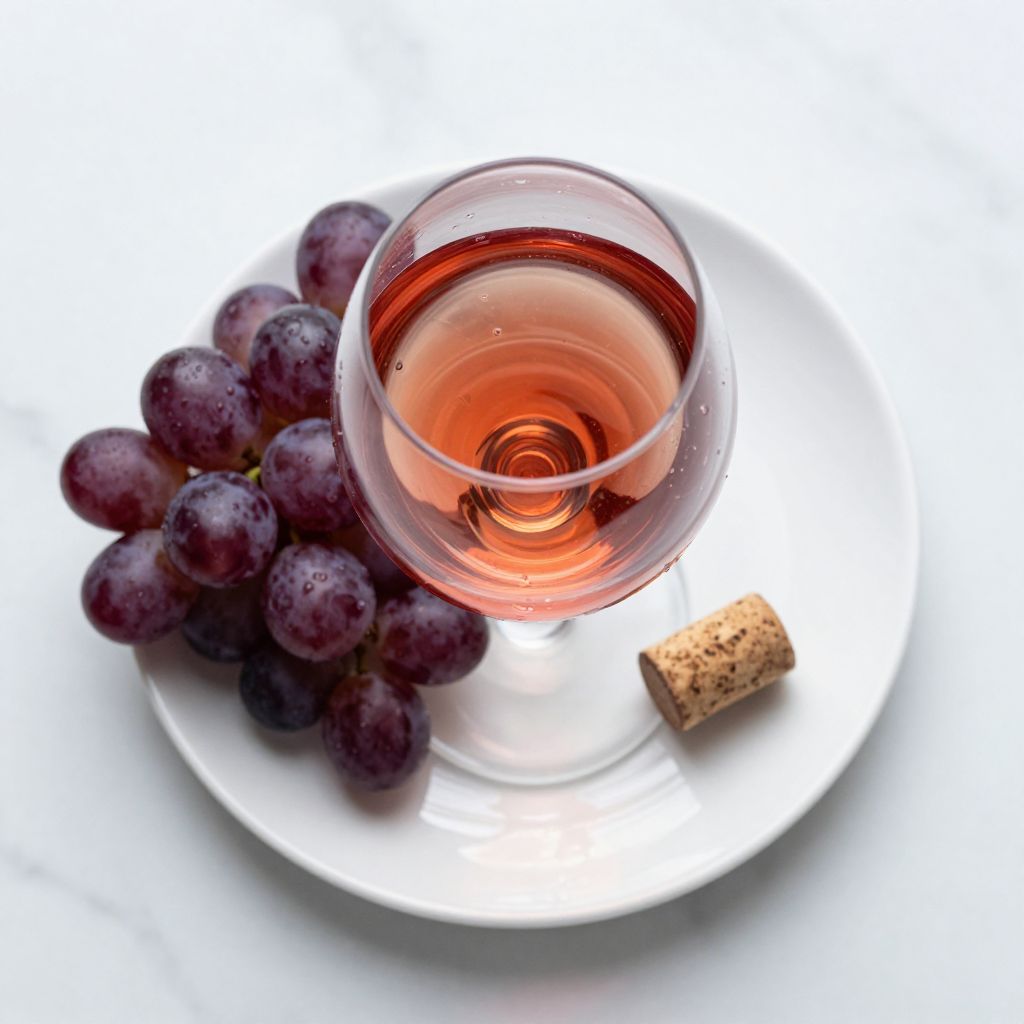
When I bottled it after five months, the color had shifted from murky to a beautiful deep rose gold, and the taste was dangerously smooth.
Friends who tried it swore I’d bought it from a vineyard, which became my favorite part of the whole experience.
Recipe Overview
- Recipe Name: Muscadine Wine
- Servings: Makes 5 gallons (approximately 25 five-ounce servings)
- Prep Time: 45 minutes
- Fermentation Time: 4 to 6 months
- Total Time: 4 to 6 months plus bottling
- Course: Beverage
- Cuisine: Southern American
- Alcohol Content: Approximately 10 to 12 percent ABV
Equipment You Will Need
- 5-gallon glass carboy with airlock and stopper
- Large food-grade plastic bucket with spigot
- Hydrometer (optional but recommended)
- Wine bottles and corks or screw caps
- Large pot or kettle
- Mesh strainer or cheesecloth
- Wooden spoon for stirring
- Funnel
- Thermometer
- Siphoning tube or auto-siphon
- Sanitizing solution (sodium metabisulfite or bleach)
- Measuring cups and spoons
Ingredients for Muscadine Wine
- Muscadine grapes: 15 pounds fresh, ripe muscadines (or 5 gallons of fresh muscadine juice)
- Sugar: 5 to 7 pounds granulated white sugar (depending on grape sweetness)
- Water: 1 gallon filtered or distilled water
- Wine yeast: 1 packet (5 grams) of Saccharomyces cerevisiae or champagne yeast
- Yeast nutrient: 1 teaspoon (optional, helps fermentation)
Ingredient Notes and Substitutions
- Muscadine grapes: These thick-skinned grapes ferment beautifully and create a distinctive musky, sweet profile that defines the wine. If fresh muscadines are unavailable, you can substitute with 5 gallons of store-bought muscadine juice, though the flavor won’t be quite as vibrant.
- Sugar: Sugar feeds the yeast and increases alcohol content, creating the right balance of sweetness and alcohol. You can reduce sugar slightly if you prefer a drier wine, but this changes fermentation speed and final flavor.
- Water: Water dilutes the juice to proper fermentation strength and prevents overly dense must. Tap water works if you don’t have filtered water, though chlorine can inhibit yeast.
- Wine yeast: Wine yeast ferments more reliably than baker’s yeast and creates better flavor compounds. Bread yeast works in a pinch, but produces off-flavors and may ferment too quickly.
- Yeast nutrient: Nutrient provides nitrogen and minerals that yeast needs to thrive, especially important with fruit-only recipes. You can omit it if necessary, but fermentation may stall or produce unpleasant sulfur aromas.
How to Make Muscadine Wine
Step 1: Sanitize All Equipment
Before you begin, sanitize every piece of equipment that will touch your wine with a sanitizing solution diluted per package directions. Bacteria or wild yeast contamination can ruin an entire batch, so this step is absolutely non-negotiable.
Step 2: Crush and Destem Your Muscadines
Rinse fresh muscadines and remove them from the stems, discarding any moldy or damaged fruit. Crush each grape by hand or with a potato masher to break the skin and release the juice, transferring the crushed fruit and juice into your sanitized plastic bucket.
Step 3: Mix Sugar and Water
Heat one gallon of water until steaming, then dissolve your measured sugar (5 to 7 pounds depending on grape ripeness) completely. Heating helps sugar dissolve faster and creates a syrup that mixes evenly into your must.
Step 4: Combine Must and Syrup
Pour the warm sugar syrup into your bucket with crushed muscadines and stir thoroughly to combine. The mixture should feel warm but not hot to the touch (ideally around 70 to 75 degrees Fahrenheit before adding yeast).
Step 5: Hydrate and Add Yeast
Sprinkle wine yeast and yeast nutrient into a small cup of warm water and let sit for 10 minutes to hydrate, then pour into your must and stir well. Hydrating yeast before pitching it ensures strong, reliable fermentation.
Step 6: Primary Fermentation
Cover your bucket loosely with a clean towel and let it sit at room temperature (65 to 75 degrees Fahrenheit) for 5 to 7 days. During this time, yeast rapidly consumes sugar, producing alcohol and carbon dioxide, and you’ll see vigorous bubbling and foam.
Step 7: Strain and Transfer to Carboy
After 5 to 7 days, use a fine mesh strainer or cheesecloth to strain out all grape solids, pouring the liquid into your sanitized glass carboy. Leave as much sediment behind as possible to avoid off-flavors; a small amount of liquid left behind is better than including pulp.
Step 8: Fit Airlock and Secondary Fermentation
Fill the carboy to just below the neck, fit your airlock with sanitized stopper, and place the carboy in a cool, dark place between 60 and 70 degrees Fahrenheit. Secondary fermentation takes 3 to 5 months as yeast slowly converts remaining sugar to alcohol.
Step 9: Rack as Needed
After 2 to 3 months, use a sanitized siphon to carefully rack (siphon) the clear wine off the sediment layer into a fresh, sanitized carboy. This removes dead yeast and impurities, creating a clearer final product with better flavor.
Step 10: Test for Dryness and Bottle
After 4 to 6 months total, the airlock will slow dramatically and sediment will settle on the carboy bottom, signaling fermentation completion. Use a hydrometer if you have one to confirm fermentation has stopped, then rack one final time into sanitized wine bottles with clean corks or screw caps.
Pro Tip: Keep your fermentation temperature steady between 60 and 75 degrees Fahrenheit; wild temperature swings stress yeast and create off-flavors, so avoid placing your carboy near heating vents or windows.
Tips for the Best Muscadine Wine
- Choose fully ripe, deeply purple muscadines if possible; underripe grapes ferment too dry and lack that signature musky sweetness.
- Keep detailed notes on dates, temperatures, and observations; this helps you perfect your process and troubleshoot any issues in future batches.
- Maintain consistent cool temperatures during secondary fermentation; cooler temperatures ferment more slowly and produce cleaner, more refined flavors.
- Use a hydrometer to track fermentation progress; it removes guesswork and tells you exactly when fermentation stops and your wine is ready.
- Don’t rush to bottle; leaving wine on yeast for an extra month develops complexity and improves clarity without harming quality.
- Sanitize obsessively; one contaminated tool can create vinegar or off-flavors that spoil the entire batch.
Common Mistakes to Avoid
- Using moldy or damaged grapes introduces wild yeasts and bacteria that ferment unpredictably and create unpleasant flavors.
- Failing to sanitize equipment properly invites contamination that transforms wine into vinegar or spoils the batch entirely.
- Fermenting at temperatures above 80 degrees Fahrenheit stresses yeast, creates off-flavors, and may produce vinegar instead of wine.
- Bottling too early before fermentation completes traps carbon dioxide, causing bottles to explode or creating unstable wine.
- Leaving wine on sediment for months without racking creates sulfur aromas and muddy flavors from dead yeast breakdown.
Serving Suggestions
Muscadine wine shines best when served chilled to 45 to 55 degrees Fahrenheit, letting its natural sweetness and musky character come through without being cloying.
- Sip alongside Southern comfort foods like fried chicken, barbecue, or pecan pie for authentic regional pairings
- Serve as a dessert wine after dinner, especially with chocolate or berry-based desserts
- Mix with sparkling water for a light, refreshing spritzer on warm afternoons
- Enjoy at outdoor gatherings and picnics where its approachable sweetness appeals to varied palates
- Pair with mild cheeses, honey, and nuts for an elegant but informal tasting experience
Variations to Try
- Dry muscadine wine: Reduce sugar to 3 to 4 pounds and ferment completely dry for a crisp wine that pairs better with food instead of sipping straight.
- Spiced muscadine wine: Add 2 to 3 cinnamon sticks, 4 to 5 whole cloves, and one star anise during primary fermentation for warm, aromatic complexity.
- Muscadine blush wine: Use a mix of red and bronze muscadines, racking off solids after just 3 to 4 days for a lighter color and crisper flavor.
- Honey muscadine wine: Replace 2 pounds of sugar with 3 pounds of raw honey for a rounder, more complex sweetness and smoother mouthfeel.
- Herbal muscadine wine: Add fresh mint, elderflower, or hibiscus flowers during fermentation for botanical notes that complement the natural musky flavor.
Dietary Adaptations
- Gluten-free: Muscadine wine is naturally gluten-free, though ensure your yeast and any additives carry gluten-free certification if this matters to you.
- Vegan: Standard wine yeast is vegan, but some fining agents used commercially aren’t; to keep your wine vegan, skip fining entirely or use pea protein.
- Low-sugar: Reduce sugar to 3 to 4 pounds and ferment completely dry, though you’ll lose the signature sweetness that defines traditional muscadine wine.
- Sulfite-free: Omit sulfites entirely, though this increases spoilage risk; store in a cool place and consume within 6 months for safety.
Storage and Reheating
Refrigerator
Bottled muscadine wine keeps indefinitely in a cool, dark cabinet away from direct light and heat, with no refrigeration needed.
- Store bottles upright or on their side if using corks (though screw caps work better for home winemakers)
- Keep in a dark cabinet where temperature stays between 50 and 70 degrees Fahrenheit
- The wine actually improves slightly over the first year as flavors meld and settle
Freezer
Freezing wine is not recommended; alcohol content prevents true freezing, and thawing can separate components and alter flavor.
- Wine’s alcohol prevents it from solidifying at standard freezer temperatures
- Repeated freezing and thawing damages the delicate flavor balance
Reheating
Muscadine wine is served chilled, never heated, so reheating doesn’t apply, though you can warm it slightly for mulled wine variations if desired.
- Serve chilled to 45 to 55 degrees Fahrenheit straight from the bottle
- If making mulled wine, warm gently with spices but never boil, which burns off alcohol
Nutrition Information
| Nutrient | Amount |
|---|---|
| Calories | 120 |
| Total Fat | 0g |
| Saturated Fat | 0g |
| Carbohydrates | 4g |
| Fiber | 0g |
| Sugar | 3g |
| Protein | 0g |
| Sodium | 10mg |
| Cholesterol | 0mg |
Muscadine wine contains no fat, protein, or cholesterol, with minimal sodium and modest residual sugar depending on how long you let it ferment.
Frequently Asked Questions
Can I Use Muscadine Juice Instead of Fresh Grapes?
Yes, five gallons of store-bought muscadine juice works perfectly and skips the crushing step entirely. The flavor won’t match fresh grapes exactly, but it produces excellent wine with far less effort.
How Long Before My Wine is Ready to Drink?
Most batches ferment completely in 4 to 6 months, though you can taste it sooner if you’re curious. The wine actually improves for the first year as flavors settle, so patience pays off.
What If Fermentation Stops Too Early?
If your airlock stops bubbling before the wine tastes dry, check temperature, stir the carboy gently, or add fresh yeast nutrient and rehydrated yeast to restart. Fermentation can stall from temperature drops or nutrient depletion, and both issues are recoverable.
Can I Use Regular Bread Yeast Instead of Wine Yeast?
Bread yeast technically works but produces off-flavors and ferments too vigorously, creating an unpleasant final product. Wine yeast is inexpensive and specifically bred for wine fermentation, so it’s worth the small cost difference.
Why Does My Wine Smell Like Rotten Eggs?
Sulfur aromas mean yeast is stressed from cold temperatures or nutrient depletion, but this smell usually disappears after racking and aging for a few more weeks. Warm your carboy to 65 to 70 degrees Fahrenheit and be patient; the odor is temporary.
Should I Add Sulfites to My Wine?
Sulfites are optional for home winemakers and mainly prevent oxidation and spoilage over years of storage. Most home batches consume or age within a year without sulfites, so you can skip them if you prefer a naturally produced wine.
What’s the Difference Between Racking and Bottling?
Racking transfers wine from one carboy to another, leaving behind sediment to improve clarity and flavor. Bottling is the final transfer into wine bottles where the wine sits permanently, so it’s racking’s more permanent cousin.
Final Thoughts
Muscadine wine brings the warmth of Southern tradition into your home with nothing more than grapes, sugar, time, and patience.
This recipe rewards you with a uniquely flavored wine that stores beautifully and improves year after year, making it worth every moment of waiting.
Whether you’re a first-time winemaker or a curious home cook, muscadine wine sits within reach, and the satisfaction of opening a bottle you made yourself beats any store-bought option.
Start your batch this season and join a lineage of home winemakers stretching back generations.
Explore More Winemaking Recipes
If you enjoyed making muscadine wine, consider exploring other fruit wine possibilities that share similar fermentation techniques and rewarding results.
Learn more about homemade wine recipes that guide you through different fruit and flavor combinations, or try your hand at blueberry wine recipe for a completely different taste experience that ferments just as beautifully.
Muscadine Wine
Ingredients
Equipment
Method
- Sanitize all equipment using a sanitizing solution per package directions.
- Rinse and destem muscadine grapes, discarding any moldy or damaged fruit.
- Crush grapes by hand or with a potato masher in a large bucket to release the juice.
- Heat 1 gallon of water until steaming (about 170°F) and dissolve 5 to 7 pounds of sugar until fully dissolved.
- Stir the warm sugar syrup into the crushed grapes and let cool to 70 to 75°F before adding yeast.
- Hydrate yeast and yeast nutrient in a small cup of warm water (80°F) for 10 minutes, then stir into the must.
- Cover the bucket loosely with a towel and let ferment at 65 to 75°F for 5 to 7 days (primary fermentation), noting vigorous bubbling.
- After primary fermentation, strain out solids using a mesh strainer or cheesecloth and transfer the liquid to a sanitized 5-gallon carboy.
- Fit the airlock and stopper, then ferment in a cool, dark place at 60 to 70°F for 3 to 5 months (secondary fermentation).
- Rack the wine by siphoning off sediment into a fresh carboy after 2 to 3 months to improve clarity.
- After 4 to 6 months total when airlock activity slows and hydrometer readings are stable, rack and bottle the wine.