
Imagine steeping a cup of something that tastes like toasted earth and bitter coffee, yet comes straight from your backyard or a health food store shelf.
Dandelion root tea is one of those remedies that bridges the gap between folk medicine and modern wellness, offering a rich, grounding flavor that feels almost comforting in its intensity. This recipe walks you through roasting, grinding, and brewing dandelion roots into a smooth, caffeine-free beverage that pairs beautifully with quiet mornings or cozy afternoons. What makes it special is how simple it really is: just roots, water, and patience transform into something that tastes like it took hours to craft, when it actually takes about 20 minutes from start to sip.
Why You’ll Love This Recipe
Dandelion root tea delivers bold flavor without any of the jitters that come with caffeine, making it perfect for any time of day. It’s budget-friendly, shelf-stable, and works as either a daily ritual or an occasional treat.
- Completely caffeine-free with a naturally rich, slightly bitter taste reminiscent of roasted coffee
- Easy to make from dried roots you can buy or forage and dry yourself
- Loaded with potential wellness benefits including improved digestion and liver support
- Pairs well with honey, milk, or spices like cinnamon for customization
- Stores for months, so you can batch-make and enjoy anytime
My Experience Making This Recipe
The first time I made dandelion root tea, I wasn’t sure what to expect. The roasting process filled my kitchen with this warm, slightly smoky aroma that made me think I was brewing something far more complicated than it actually was.
When I took that first sip, I was surprised by how smooth and satisfying it tasted. The bitterness wasn’t harsh; it was clean and earthy, with subtle notes that reminded me of roasted grain and a hint of natural sweetness underneath.
Now I make a batch every couple of weeks and keep it on hand for mornings when I want something hot and grounding without reaching for my fifth cup of coffee. My guests are always curious when they see me brewing it, and most are genuinely impressed by how good it tastes.
Recipe Overview
- Recipe Name: Dandelion Root Tea
- Servings: 4 cups
- Prep Time: 5 minutes
- Cook Time: 15 minutes
- Total Time: 20 minutes
- Course: Beverage
- Cuisine: Herbal
- Calories per Serving: 5
Equipment You Will Need
- Coffee grinder or spice grinder
- Kettle or pot for boiling water
- Tea strainer or fine mesh sieve
- Teacup or mug
- Measuring spoon
- Small bowl for cooling roasted roots (optional but helpful)
Ingredients for Dandelion Root Tea
- Dried dandelion roots: 1 tablespoon per cup of tea (adjust to taste)
- Water: 1 cup per serving, filtered or spring water preferred
- Honey: 1 teaspoon (optional, for sweetness)
- Milk or cream: 1 to 2 tablespoons (optional, for richness)
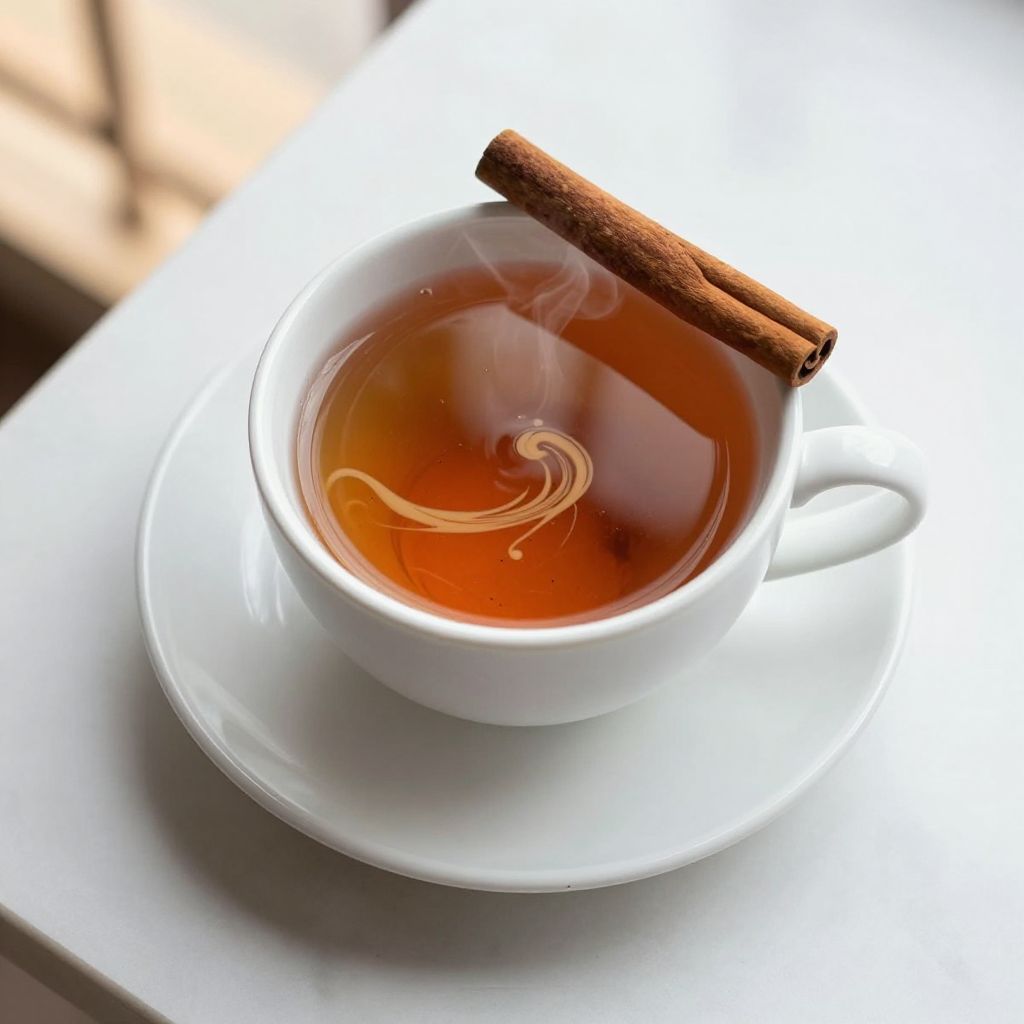
- Cinnamon stick: One small piece (optional, for depth)
Ingredient Notes and Substitutions
- Dried dandelion roots: These are the foundation of the recipe; they provide the earthy, slightly bitter flavor that makes this tea unique. If you cannot find dried roots, you can forage fresh roots, wash them, slice them into small pieces, dry them in a low oven at 200 degrees Fahrenheit for 2 to 3 hours, and use them immediately.
- Water quality: Filtered or spring water creates a cleaner cup than tap water, which can carry chlorine and other minerals that muddy the tea’s flavor. Tap water works fine if that’s all you have available, though.
- Honey: Honey adds subtle sweetness and complements the earthy tones beautifully. Maple syrup or agave work just as well if you prefer a different sweetener.
- Milk or cream: Dairy milk, oat milk, or almond milk all soften the tea’s bitterness and add richness. Skip it entirely for a leaner, more herbalist experience.
- Cinnamon stick: Cinnamon enhances warmth and natural sweetness without adding sugar. A pinch of ginger, cardamom, or vanilla also pair beautifully with dandelion root tea.
How to Make Dandelion Root Tea
Step 1: Measure Your Dried Dandelion Roots
Pour 1 tablespoon of dried dandelion roots into your grinder or mortar for each cup of tea you plan to make. Start with this ratio and adjust up or down based on how strong you like your tea.
Step 2: Grind the Roots
Pulse the roots in a coffee grinder until they break down into smaller pieces, about the size of coarse sand. You don’t need a fine powder; chunks actually help with extraction and flavor.
Step 3: Boil Fresh Water
Fill your kettle with filtered water and bring it to a rolling boil, which is around 212 degrees Fahrenheit. Hot water is essential for properly extracting the roots’ flavors and any beneficial compounds they contain.
Step 4: Add Roots to Your Cup or Teapot
Place your ground dandelion roots directly into a cup, teapot, or infuser basket. Using an infuser or strainer basket makes cleanup easier, but steeping directly in the cup and straining afterward works just as well.
Step 5: Pour Hot Water Over the Roots
Carefully pour the boiling water over the roots, filling your cup or teapot completely. The roots will immediately start releasing their deep, earthy color into the water.
Step 6: Steep for 5 to 10 Minutes
Cover your cup or teapot with a lid or saucer to keep heat in, and let the tea steep. A 5-minute steep gives you a lighter, more delicate cup; 10 minutes creates a deeper, more intense flavor with stronger bitterness.
Step 7: Strain the Tea
Pour the tea through a fine mesh strainer into a fresh cup, leaving the spent roots behind. If you steeped in a teapot, pour slowly to avoid any particles ending up in your cup.
Step 8: Customize and Serve
Stir in honey, milk, or other additions if you like, then sip slowly while it’s still hot. The tea tastes best when you take time to actually enjoy it rather than rushing through it.
Pro Tip: If your dandelion roots taste too bitter on first sip, you either steeped too long or used too much root; next time, reduce steeping time to 5 minutes or use 3/4 tablespoon of root per cup instead of a full tablespoon.
Tips for the Best Dandelion Root Tea
- Buy roots from reputable herbal suppliers or wildcrafting companies rather than generic grocery stores, where quality varies wildly. Good roots smell earthy and roasted, never musty or moldy.
- Store dried roots in an airtight container away from light and heat to preserve their flavor for up to a year. A dark glass jar in a cool cupboard is ideal.
- Experiment with water temperature; some people prefer water that’s cooled slightly to 200 degrees Fahrenheit, which creates a smoother, less astringent cup.
- Try blending dandelion root with other roots like chicory or burdock for more complexity and a flavor that tastes even more like a coffee substitute.
- Make a larger batch and keep it in the fridge for up to 3 days; reheat gently or serve cold over ice for a refreshing summer drink.
- If you forage your own roots, dig in fall or early spring when the roots are most nutrient-dense, and always verify the plants you’re harvesting are genuinely dandelions before processing.
Common Mistakes to Avoid
- Steeping for too long: Dandelion root tea becomes unpleasantly bitter and astringent after 10 minutes; stick to 5 to 8 minutes for the best balance.
- Using too much root per cup: More isn’t always better with this tea; overfilling your cup with roots creates a harsh, undrinkable result that discourages you from trying again.
- Starting with low-quality or musty roots: Poor-quality roots taste terrible and might harbor mold or other contaminants; invest in fresh, high-quality dried roots from trusted sources.
- Skipping the grinding step: Whole roots won’t release their flavors properly into hot water, leaving you with weak, underwhelming tea that tastes like hot water with a faint bitter hint.
- Using cold or lukewarm water: Dandelion roots need truly hot water to extract properly; cold steeping takes several hours and yields a thin, disappointing cup.
Serving Suggestions
Dandelion root tea shines as a morning ritual or an afternoon pick-me-up, pairing perfectly with quiet moments or light conversation. Serve it warm in your favorite mug, or chill it for a refreshing alternative when you want something cold.
- With honey and a splash of cream for a smooth, indulgent version that feels almost dessert-like
- Alongside toast, biscuits, or pastries for a light breakfast pairing
- With a cinnamon stick stirred in for extra warmth and spiced flavor that feels comforting
- Cold over ice with a slice of lemon for a refreshing summer drink
- In a thermos during outdoor activities, since the bold flavor holds up well and tastes satisfying even after cooling slightly
Variations to Try
- Dandelion Root and Chicory Blend: Mix equal parts ground dandelion root and chicory root for a flavor that’s even closer to coffee, with added sweetness and smoothness that chicory contributes.
- Spiced Dandelion Tea: Add a pinch of ginger, cardamom, or nutmeg to your cup before steeping for warmth and complexity that transforms the tea into something more dessert-like and indulgent.
- Milk-Based Dandelion Latte: Steep the roots longer (8 to 10 minutes), then blend with steamed milk, honey, and vanilla extract for a creamy beverage that feels more like a coffee substitute.
- Cold-Brewed Dandelion Tea: Combine roots with room-temperature water in a jar and refrigerate overnight for a smoother, less bitter tea that tastes naturally sweet and clean.
- Dandelion Root and Burdock Blend: Combine dandelion root with burdock root for deeper earthiness and additional wellness benefits; this blend is popular in Japanese herbal traditions.
Dietary Adaptations
- Gluten-free: Pure dandelion root tea is naturally gluten-free; just verify your dried roots haven’t been processed in a facility that handles wheat or barley to avoid cross-contamination.
- Dairy-free: Skip milk entirely or use oat, almond, coconut, or soy milk instead; the tea tastes excellent on its own without any dairy additions.
- Vegan: Dandelion root tea is vegan as-is; use plant-based milk and agave or maple syrup instead of honey if you follow a strict vegan diet.
- Low-carb and keto: This tea contains virtually no carbohydrates; enjoy it plain or with heavy cream and a sugar-free sweetener for a keto-friendly warm beverage.
Storage and Reheating
Refrigerator
Brewed dandelion root tea keeps in the fridge for up to 3 days in a sealed container. The flavor deepens slightly as it sits, becoming more concentrated and earthy.
- Store in a glass container to prevent any flavor transfer
- Keep away from strong-smelling foods like onions or garlic
- Shake or stir before serving since roots can settle to the bottom
Freezer
You can freeze brewed tea in ice cube trays for up to 3 months, making it easy to blend into smoothies or thaw for a quick cup later. This method preserves flavor better than storing liquid tea long-term.
- Pop cubes out of the tray once frozen and store in a freezer bag
- Label with the date so you know when you made it
- Thaw at room temperature or gently reheat in a saucepan
Reheating
Reheat chilled tea gently in a saucepan over low heat or in a microwave-safe mug in the microwave. Avoid bringing it to a boil again, which can make it taste stale or over-extracted.
- Stovetop: Pour into a small saucepan and warm over medium-low heat for 2 to 3 minutes until steaming
- Microwave: Heat in a mug for 60 to 90 seconds until hot
- Add fresh honey or milk after reheating for the best flavor
Nutrition Information
| Nutrient | Amount |
|---|---|
| Calories | 5 |
| Total Fat | 0 g |
| Saturated Fat | 0 g |
| Carbohydrates | 1 g |
| Fiber | 0 g |
| Sugar | 0 g |
| Protein | 0 g |
| Sodium | 5 mg |
| Cholesterol | 0 mg |
Nutrition values are approximate and calculated for plain brewed tea without milk, honey, or other additions. Adding sweeteners or dairy will increase calories and carbohydrates accordingly.
Frequently Asked Questions
Can I use fresh dandelion roots instead of dried?
Yes, but fresh roots require drying first. Dig roots in fall or early spring, wash thoroughly, slice them into half-inch pieces, and dry them in a 200-degree oven for 2 to 3 hours until brittle, then use them like dried roots.
Does dandelion root tea taste like coffee?
It’s similar in some ways: it’s dark, earthy, and warming, with a subtle bitterness. It’s not a true coffee substitute but rather its own distinct beverage that appeals to people who like bold, roasted flavors.
How long can I store dried dandelion roots?
Dried roots stay fresh for 1 to 2 years when stored in an airtight container away from heat and light. Smell them before using; if they smell musty or moldy, discard them.
Is dandelion root tea safe for everyone?
Most people tolerate it well, but if you’re pregnant, nursing, taking medications for diabetes or blood pressure, or have allergies to ragweed or related plants, consult a healthcare provider first. Some people experience mild digestive changes when they first try it.
Can I make a larger batch and store it?
Yes, brew a big pot, let it cool, and refrigerate in a sealed container for up to 3 days. You can also freeze brewed tea in ice cube trays for longer storage and easy reheating.
What’s the difference between roasting roots and using them raw?
Some people roast their dried roots slightly in a dry skillet before grinding to deepen the flavor and increase the coffee-like quality. If your roots already taste roasted and toasty, you can skip this step.
Final Thoughts
Dandelion root tea might seem like an unusual choice at first, but once you taste it, you’ll understand why herbalists and wellness enthusiasts have relied on it for generations. It’s approachable enough for beginners yet deep enough to keep experienced tea drinkers curious and coming back for more.
Give this recipe a try, experiment with steep times and additions until you find your perfect cup, and let us know what you think. Your backyard (or local health food store) holds more flavor potential than you might realize.
Explore More Herbal Tea Recipes
If you enjoyed making dandelion root tea, you might also love exploring other nourishing herbal beverages that support wellness and satisfy your taste for something warm and comforting.
Try brewing chaga tea for an earthy mushroom-based drink with its own unique depth and wellness benefits. When cold and flu season arrives, sore throat tea recipe offers soothing relief with honey, ginger, and other warming ingredients that feel like a hug in a mug.
Dandelion Root Tea
Ingredients
Equipment
Method
- Measure 1 tablespoon of dried dandelion roots per cup of tea (prep time: 5 minutes).
- Grind the dried roots in a coffee grinder until they resemble coarse sand (about 1 minute).
- Bring 4 cups of filtered water to a rolling boil (212°F) in a kettle or pot (about 5 minutes).
- Place the ground dandelion roots into a teapot, infuser basket, or directly into cups.
- Pour the boiling water over the roots, covering them completely, and cover the vessel.
- Steep the tea for 5 to 10 minutes, depending on desired strength and bitterness.
- Strain the tea through a fine mesh sieve into cups to remove spent roots.
- Stir in honey, milk or cream, and a cinnamon stick if desired, then serve hot.