
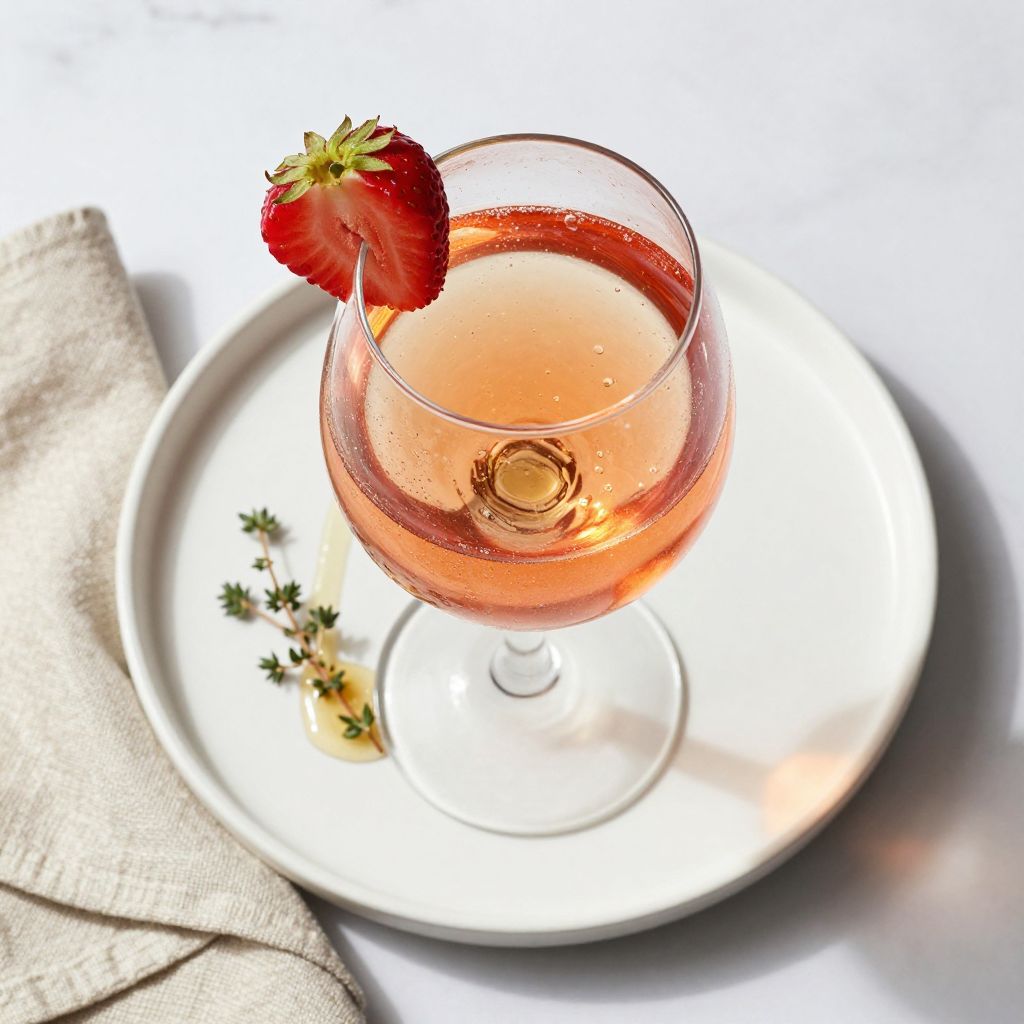
Imagine cracking open a bottle of golden liquid that tastes like summer captured in glass, with wild strawberries singing through every sip. Strawberry mead is an ancient honey wine that transforms three simple ingredients into something genuinely magical, and making it at home is far easier than you might think.
This recipe sits at the intersection of nostalgia and modern home fermentation, giving you a craft beverage that tastes nothing like commercial wine and everything like a personal triumph. The beauty of strawberry mead lies in its balance: the subtle sweetness of honey, the tart brightness of strawberries, and the gentle complexity that emerges after weeks of fermentation.
Whether you are a seasoned fermentation enthusiast or someone who has never made anything fizzy before, this recipe guides you through every stage with clarity and confidence. Let us get started.
Why You’ll Love This Recipe
Strawberry mead rewards patience with extraordinary flavor and opens a door into the world of fermentation that feels approachable, not intimidating.
- Simple ingredient list with no special additives or complicated chemistry required
- Beautiful golden-pink color that impresses guests before they even taste it
- Lower alcohol content than wine, sitting around 10-12% ABV for a balanced drink
- Makes a generous batch of about 5 bottles from a single carboy
- Fermentation happens passively, meaning minimal active work once you pitch the yeast
My Experience Making This Recipe
I first made strawberry mead on a whim during a late spring farmer’s market visit when I spotted baskets of local strawberries at peak ripeness. The whole process felt like conducting a slow-motion experiment, watching the murky mixture gradually clarify over weeks into something that actually looked like a real beverage.
The first taste was electric: bright, complex, and nothing like the overly sweet meads I expected. My partner kept returning to the glass, asking if I had added some secret ingredient, when really the strawberries had simply done their job, providing natural flavor and body to the honey base.
The best part came months later when I served bottles to friends at a dinner party, and watching their surprise when they realized I had made it myself felt better than any store-bought wine ever could. The mead had developed subtle floral notes and a genuine dryness that made it work across courses, from appetizers through dessert.
Recipe Overview
- Recipe Name: Strawberry Mead
- Servings: Makes approximately 5 bottles (750ml each)
- Prep Time: 30 minutes
- Fermentation Time: 3-4 months (primary plus secondary)
- Total Time: 3-4 months plus 2 weeks conditioning
- Course: Beverage
- Cuisine: Medieval European (modern interpretation)
- Alcohol Content: Approximately 10-12% ABV
- Calories per Serving: 120 calories per 5oz glass
Equipment You Will Need
- 1-gallon glass carboy or demijohn (primary fermentation vessel)
- Airlock and rubber bung that fits your carboy
- Large stainless steel pot (8+ quarts)
- Long-handled wooden spoon for stirring
- Hydrometer (optional but recommended for tracking fermentation)
- Thermometer for monitoring temperature
- Fine mesh strainer or cheesecloth
- Siphon and tubing for racking (transferring between vessels)
- Bottles and caps for storage (750ml wine bottles work perfectly)
- Large glass mixing bowl or secondary fermenter
- Sanitizer (Star San or similar food-grade option)
- Funnel
Ingredients for Strawberry Mead
- Raw honey: 3 pounds (approximately 1.4 kg), the foundation of your mead
- Fresh strawberries: 4-5 pounds (approximately 2-2.3 kg), hulled and halved
- Water: 1 gallon (3.8 liters), filtered or distilled preferred
- Wine yeast: 1 packet of champagne yeast or dry wine yeast (such as Lalvin D-47 or Nottingham)
- Yeast nutrient: 1 teaspoon (optional but improves fermentation vigor)
- Acid blend or lemon juice: 1/2 teaspoon (helps balance pH)
Ingredient Notes and Substitutions
- Raw honey provides the fermentable sugars and backbone flavor; it creates the body and alcohol content. Substitute with wildflower or clover honey if raw is unavailable, though you may lose some subtle floral complexity.
- Fresh strawberries deliver the signature tartness and vibrant color; they also contribute natural pectin and structure. Frozen strawberries work if fresh are out of season, though thaw them first and drain excess liquid.
- Water makes up the bulk of your mead and should be relatively neutral to let honey and strawberries shine. Use tap water if it is clean, though filtering removes chlorine that can interfere with fermentation.
- Wine yeast ferments more cleanly and completely than bread yeast; champagne yeast produces a drier final product. Switch to ale yeast if you want a fruitier, slightly sweeter result.
- Yeast nutrient gives microbes the nitrogen they need for healthy fermentation and reduces stuck fermentation risk. You can omit it if you prefer a slower fermentation, though results improve with it included.
- Acid blend balances the honey’s sweetness and helps preserve the mead by lowering pH. Substitute 1/2 tablespoon of fresh lemon juice if acid blend is unavailable.
How to Make Strawberry Mead
Step 1: Sanitize Your Equipment
Before you begin, sanitize every piece of equipment that will touch your mead, including the carboy, airlock, spoon, and any other tools. Even tiny bacteria colonies can colonize your batch and turn it to vinegar, so this step is not optional.
Step 2: Prepare Your Honey Base
Pour the water into your large pot and gently warm it to about 140 degrees Fahrenheit; you want it warm enough to make honey pourable but not so hot that you kill yeast later. Add your 3 pounds of honey and stir slowly until fully dissolved, taking care not to introduce excessive air bubbles.
Step 3: Cool and Transfer to Carboy
Let the honey mixture cool to room temperature, around 65-75 degrees Fahrenheit, which takes roughly an hour if you let it sit undisturbed. Once cooled, carefully pour the mixture into your sanitized carboy using a funnel to avoid spills and aeration.
Step 4: Add Strawberries
Place your halved strawberries directly into the carboy; they will float initially and gradually settle as fermentation progresses. The strawberries introduce wild yeast on their skins and provide the flavor and color that defines your finished mead.
Step 5: Pitch the Yeast
Sprinkle your wine yeast packet and yeast nutrient directly onto the surface of the liquid; this method is called dry pitching and reduces contamination risk. Within 24-48 hours, you should see visible signs of fermentation: tiny bubbles rising through the liquid and foam forming on the surface.
Step 6: Primary Fermentation
Install your airlock on the carboy and place it in a dark location at a stable temperature between 65-75 degrees Fahrenheit. Fermentation will proceed for 2-3 weeks, with peak activity in the first week, then gradually slowing as yeast consumes the honey sugars.
Step 7: Rack to Secondary
Once fermentation slows noticeably and the carboy develops a layer of sediment on the bottom, carefully siphon the clear mead into a clean secondary vessel, leaving the fruit and sediment behind. This racking step removes the mead from dead yeast cells and spent fruit, which would otherwise create off-flavors during the extended aging phase.
Step 8: Age and Clarify
Return your clean carboy to its dark corner with the airlock installed, and let it age for another 4-8 weeks, or longer if you prefer. The mead will gradually clarify as remaining particles settle, developing deeper, more complex flavors the longer you wait.
Step 9: Bottle and Condition
Once the mead is clear and fermentation has completely stopped, siphon it into sanitized bottles and cap them loosely for 2-3 weeks at room temperature. This conditioning phase allows any remaining carbonation to develop naturally and gives the flavors final time to integrate before you seal and store.
Pro Tip: Keep detailed notes of your fermentation timeline, temperature swings, and observations; this record becomes invaluable if you want to tweak future batches or troubleshoot any issues.
Tips for the Best Strawberry Mead
- Use the ripest, most fragrant strawberries you can find; underripe berries lack the concentrated flavor that makes this mead special, and frozen berries work better than unripe fresh ones.
- Keep your fermentation area dark and at a stable temperature; wild temperature swings stress yeast and can create off-flavors in the final product.
- Resist the urge to check on your mead constantly; every time you open the carboy, you risk introducing oxygen and potential contamination, so trust the process and check only when necessary.
- If fermentation stalls before the gravity drops significantly, warm the carboy slightly to 75-80 degrees Fahrenheit for a few days to kick-start activity again.
- Taste your mead at different stages to track its development; you may find you prefer it at 2 months versus 4 months, which helps you dial in your perfect timeline.
- Store finished mead bottles upright in a cool, dark place, not in direct sunlight, which will fade the beautiful pink color over time.
Common Mistakes to Avoid
- Using pasteurized or ultra-filtered honey removes beneficial compounds and can slow fermentation; raw or minimally processed honey ferments faster and tastes better.
- Pitching yeast into a mixture that is still too warm will kill the yeast cells before they establish; always cool to room temperature first.
- Adding too much sugar from the honey can create a mead so sweet and thick that yeast struggles to ferment it completely, leaving you stuck with a half-fermented batch.
- Transferring too early or too often introduces oxygen and disturbs the sediment, leading to cloudiness and potential oxidation of delicate fruit flavors.
- Ignoring sanitation and using unwashed equipment or contaminated water introduces bacteria that spoil your mead long before you ever taste it.
Serving Suggestions
Strawberry mead drinks beautifully on its own, chilled to 45-50 degrees Fahrenheit in a wine glass, but it also pairs wonderfully across a meal. The fruit-forward, slightly dry character complements both savory and sweet dishes in unexpected ways.
- Serve as an aperitif before a summer dinner, where its gentle sweetness awakens the palate without overwhelming it
- Pair with soft cheeses like chèvre or brie, where the tartness cuts through the richness
- Enjoy alongside light seafood dishes, particularly grilled shrimp or pan-seared scallops
- Serve with desserts that feature berries, stone fruits, or honey, where the mead echoes flavors on the plate
- Use as a base for mead cocktails mixed with fresh herbs like basil or thyme for added complexity
Variations to Try
- Strawberry-Honey-Lavender Mead: Add 1-2 tablespoons of dried culinary lavender buds in the secondary fermentation for floral complexity that bridges honey and fruit.
- Rose Petal Strawberry Mead: Substitute 1 pound of the strawberries with rose petals and rose water for a romantic twist that emphasizes delicate aromatics.
- Spiced Strawberry Mead: Include a cinnamon stick, 3-4 whole cloves, and a small piece of fresh ginger in the secondary fermentation for warm spice notes.
- Higher Alcohol Strawberry Mead: Increase honey to 4 pounds for a more robust, warming mead with higher ABV approaching 13-14 percent.
- Dry Strawberry Mead: Reduce honey to 2.5 pounds and use an aggressive yeast strain like EC-1118 for a very dry, wine-like final product.
Dietary Adaptations
- Gluten-Free: Strawberry mead is naturally gluten-free; just ensure your yeast packet and any additives carry gluten-free certification if you have celiac disease.
- Dairy-Free: This recipe contains no dairy by default, making it suitable for vegan and dairy-free diets, though verify your yeast nutrient if using one.
- Vegan: Honey is sometimes debated in vegan circles; substitute agave nectar or brown rice syrup in equal volume, though the flavor will shift away from the classic mead profile.
- Low-Carb/Keto: The fermentation process converts most sugars to alcohol, leaving minimal residual carbs in dry mead, making it compatible with low-carb diets more than wine is.
Storage and Reheating
Refrigerator
Sealed bottles of finished strawberry mead keep for 1-2 years in the refrigerator without noticeable quality loss. The cold temperature slows any remaining chemical reactions and preserves the fresh strawberry character.
- Store bottles upright to minimize contact between the liquid and cork
- Keep temperature steady between 45-50 degrees Fahrenheit
- Protect from light exposure to preserve color and flavor
Freezer
Mead does not freeze solid at standard freezer temperatures because of its alcohol content, but extended freezing can cause separation and flavor degradation. Store only if you plan to use it within 6 months.
- Freeze in glass bottles with headspace to allow slight expansion
- Use only if you cannot refrigerate for extended periods
Reheating
Strawberry mead is served chilled, never heated, as warming degrades the delicate fruit aromatics that make it special. If you want to use mead in a warm cocktail or mulled beverage, do so sparingly and add just before serving.
- Never heat mead above 140 degrees Fahrenheit
- For mulled mead applications, add at the end and warm gently rather than boiling
Nutrition Information
| Nutrient | Amount |
|---|---|
| Calories | 120 |
| Total Fat | 0g |
| Saturated Fat | 0g |
| Carbohydrates | 2g |
| Fiber | 0g |
| Sugar | 1g |
| Protein | 0g |
| Sodium | 5mg |
| Cholesterol | 0mg |
Nutrition values are approximate and based on a 5-ounce serving of finished strawberry mead with approximately 10-12 percent alcohol by volume. Values vary slightly depending on fermentation efficiency and residual sugar in your final batch.
Frequently Asked Questions
Can I use frozen strawberries instead of fresh?
Absolutely, and many people prefer them since they are often cheaper and available year-round. Thaw frozen berries completely and drain any excess liquid before adding them to your carboy to avoid diluting your batch.
How do I know when fermentation is complete?
Fermentation is complete when the airlock stops bubbling for several days and the gravity reading on your hydrometer stays steady for a week. If you lack a hydrometer, wait until the mixture clears completely and then wait another week to confirm it is truly done.
What if my mead tastes too sweet?
Your yeast may not have consumed all available sugar, which sometimes happens if fermentation stalled early. Try warming the carboy slightly to restart yeast activity, or accept that you have a sweeter mead and adjust future batches by reducing honey.
Can I add sulfites to preserve my mead?
You can add potassium sorbate or potassium metabisulfite after fermentation finishes to prevent future fermentation and extend shelf life. Add 1/4 teaspoon per gallon, wait 24 hours, then bottle; this is optional but recommended for long-term storage past one year.
Why is my mead cloudy after bottling?
Cloudiness usually means sediment was disturbed during transfer or fermentation has restarted slightly in the bottle. Let it sit undisturbed for several weeks; particles will settle and clarify naturally, or use a fining agent like gelatin before your next batch.
Can I make this mead with wildflower honey?
Wildflower honey works beautifully and adds subtle floral notes that complement the strawberries. Avoid very dark honeys like buckwheat, which overpower the fruit character and create a heavier final product.
Final Thoughts
Making strawberry mead transforms fermentation from an intimidating mystery into an achievable craft that rewards patience with something genuinely special. You are not just mixing ingredients; you are creating a beverage with personality and soul.
This recipe stands as proof that home fermentation belongs in any kitchen, regardless of your experience level. Start a batch today, and in three months you will have something to genuinely be proud of.
If you enjoyed this recipe, explore more fermented beverages that push your creativity further. Try making strawberry wine for a different take on your favorite fruit, or dive into cyser, the delicious blend of cider and mead that expands your fermentation horizons. Each batch teaches you something new about your palate and your craft, turning a simple hobby into a genuine passion.
Strawberry Mead
Ingredients
Equipment
Method
- Sanitize every piece of equipment that will touch the mead using a food-grade sanitizer.
- In a large stainless steel pot, gently warm 1 gallon of water to 140°F (60°C). Add 3 pounds of raw honey and stir until fully dissolved, about 5 minutes.
- Allow the honey mixture to cool to 65-75°F (18-24°C), about 1 hour, then transfer it to a sanitized 1-gallon carboy using a funnel.
- Add 4-5 pounds of hulled and halved fresh strawberries directly into the carboy.
- Sprinkle 1 packet of wine yeast and 1 teaspoon of yeast nutrient onto the surface of the liquid (dry pitch). Do not stir.
- Install an airlock and ferment at 65-75°F (18-24°C) in a dark place for 2-3 weeks, or until activity slows.
- Siphon the mead off the sediment into a secondary fermenter, leaving behind the fruit and lees.
- Attach an airlock and age the mead at 65-75°F (18-24°C) for 4-8 weeks, or until clear.
- Siphon the clear mead into sanitized bottles, cap loosely, and condition at room temperature for 2-3 weeks before sealing.