
The smell of fermenting persimmons fills your kitchen with something between autumn and magic, and suddenly you’re making wine from fruit you weren’t sure what to do with anyway. Persimmon wine is a hidden gem in the home fermentation world, delivering a naturally sweet, fruity beverage that rivals store-bought versions at a fraction of the cost.
This recipe transforms humble persimmons into something special without requiring advanced winemaking skills or fancy equipment. The process takes patience more than effort, and the payoff is a smooth, golden wine with subtle honey notes and bright fruit character.
Why You’ll Love This Recipe
Persimmon wine sits at the sweet spot between approachable and impressive, giving you a satisfying fermentation project that delivers real results. You get a naturally sweet wine without adding loads of sugar, and the fruit flavors come through beautifully in every sip.
- Uses abundant fall fruit that’s often overlooked or wasted.
- Requires minimal special equipment beyond a fermentation vessel and airlock.
- Naturally sweet finish means less sugar adjustment than many fruit wines.
- Ready to drink in 2-3 months, though it improves with age.
- Makes an impressive homemade gift that tastes like you spent way more effort than you did.
My Experience Making This Recipe
I first made persimmon wine almost by accident when a friend dropped off a box of fuyu persimmons and I had no idea what to do with them. I stumbled through the first batch using an old winemaking book and was shocked when it actually turned into something delicious.
The fermentation was quiet and steady, which I appreciated after years of dealing with temperamental beer batches that would suddenly go sideways. About six weeks in, I opened the carboy to taste and found myself holding a glass of actual wine that tasted like drinking autumn in the best way possible.
My family went through the first bottle embarrassingly fast, and now I make a batch every fall without fail. The whole house smells incredible during fermentation, and visitors always ask what I’m cooking when really I’m just making wine.
Recipe Overview
- Recipe Name: Persimmon Wine
- Servings: 5 bottles (750ml each)
- Prep Time: 30 minutes
- Fermentation Time: 8-10 weeks
- Total Time: 8-10 weeks plus aging
- Course: Beverage
- Cuisine: Homemade/American
- Calories per Serving: 120 per 5oz glass
Equipment You Will Need
- 1-gallon glass carboy or fermentation jug
- Airlock and rubber bung (or clean cloth for initial fermentation)
- Large mesh strainer or cheesecloth
- Long wooden spoon or stirring rod
- Hydrometer (optional but helpful for tracking fermentation)
- Wine bottles and corks or caps for storage
- Sanitizer (Star San or bleach solution)
- Measuring cups and spoons
- Small funnel
- Siphon or auto-siphon for racking
Ingredients for Persimmon Wine
- 3 pounds of ripe persimmons (fuyu or astringent varieties work; soft and sweet is what you want)
- 1 pound of sugar (white granulated sugar for fermentation)
- 1/2 teaspoon of acid blend (or 1 tablespoon fresh lemon juice)
- 1/4 teaspoon of tannin (optional but adds structure)
- 1 teaspoon of yeast nutrient
- 1 packet of wine yeast (Lalvin K1-V1116 or EC-1118 both work beautifully)
- Water (filtered or boiled and cooled, about 2 gallons)
- 1/4 teaspoon of pectic enzyme (optional, helps break down fruit solids)
Ingredient Notes and Substitutions
- Persimmons: Ripe persimmons are essential because they contain more sugar for fermentation and better flavor. If you can only find firm ones, let them sit at room temperature for several days until they’re very soft and sweet.
- Sugar: White sugar ferments cleanly and lets the fruit flavors shine through. Brown sugar or honey will work but will add their own flavors that compete with the persimmons.
- Acid blend: Adds brightness and prevents the wine from tasting dull. Fresh lemon or orange juice works if you skip the commercial acid blend, though the flavor will be slightly different.
- Wine yeast: Bread yeast won’t give you clean results and can produce off-flavors. Wine yeast is inexpensive and designed to ferment to higher alcohol levels without stress.
- Water: Use filtered water if your tap water is heavily chlorinated. Chlorine can interfere with fermentation, so boil and cool tap water if that’s all you have.
How to Make Persimmon Wine
Step 1: Sanitize All Equipment
Wash your carboy, airlock, stirring spoon, and any other equipment with hot soapy water, then rinse thoroughly. Sanitize everything with a bleach solution (one tablespoon per gallon of water) or commercial sanitizer like Star San, and let sit for five minutes before rinsing well again.
This step prevents wild bacteria or mold from competing with your yeast and ruining the batch. Clean equipment is the difference between wine and vinegar.
Step 2: Prepare the Persimmons
Wash the persimmons and cut out any blemished spots, then slice them in half and remove the seeds. You want the soft, sweet flesh, so scoop it out and put it in a large bowl.
Don’t peel them unless they’re damaged; the skin and flesh work together during fermentation. Mashing the fruit slightly with a fork helps release more juice and increases contact with yeast.
Step 3: Combine Fruit and Water
Put the prepared persimmons into your sanitized carboy along with one gallon of cool, filtered water. If you’re using a narrow-mouth carboy, you can blend the persimmons first to fit them through easier, but leaving them in pieces works too.
The water dilutes the natural sugars to a fermentable level and gives the yeast room to work. Too much fruit too little water makes a thick, slow fermentation, while the right ratio ensures steady, clean fermentation.
Step 4: Add Yeast Nutrients and Acid
Sprinkle the pectic enzyme, acid blend, tannin, and yeast nutrient into the carboy and stir well with a long spoon or rod. These ingredients support yeast health and improve the wine’s final flavor and clarity.
Yeast nutrient prevents stuck fermentation by giving the yeast the nitrogen and minerals it needs to multiply. Acid keeps the wine bright and prevents spoilage organisms from taking hold.
Step 5: Prepare and Add Yeast
Dissolve the wine yeast in a quarter cup of warm (not hot) water and let it sit for five minutes to activate. Pour it into the carboy and stir gently but thoroughly to mix it through the must.
Activating yeast in warm water wakes it up so fermentation starts quickly and confidently. A fast-starting fermentation outcompetes any wild yeasts or bacteria that might be hanging around.
Step 6: Cover and Begin Fermentation
Cover the carboy with a clean cloth or loose lid for the first 24-48 hours while vigorous fermentation begins. This initial stage can be messy as CO2 comes off rapidly, so use the cloth method rather than sealing it tight.
After 48 hours of vigorous bubbling, fit the carboy with a sanitized rubber bung and airlock filled with water. The airlock lets CO2 escape while preventing oxygen and bacteria from getting in.
Step 7: Monitor and Rack the Wine
Let fermentation proceed for 6-8 weeks, checking occasionally that the airlock still has water and watching for activity to slow dramatically. When bubbling nearly stops (maybe one bubble every 10 seconds), it’s time to rack the wine off the fruit and sediment.
Racking separates clear wine from the settled fruit solids and dead yeast at the bottom. Use a sanitized siphon to gently draw wine from the top into a clean carboy, leaving the sediment behind.
Step 8: Clear and Age the Wine
After racking, cover the carboy again with an airlock and let it sit in a cool, dark place for 2-3 weeks to allow any remaining particles to settle. The wine should look much clearer at this point, though you may see more sediment accumulate.
If it’s still cloudy after this time, you can rack once more to improve clarity. Patience here yields a more professional-looking final product, though some haze is normal in homemade wine.
Pro Tip: Take a gravity reading with a hydrometer at the start and at the end of fermentation to confirm the yeast did its job and converted the sugar to alcohol. A starting gravity around 1.090 and a final gravity around 1.000 means you’ve got a dry wine around 12% alcohol, exactly what you want.
Tips for the Best Persimmon Wine
- Use very ripe persimmons with deep color and soft texture, as they contain maximum sugar and flavor. Underripe fruit makes thin, sour wine that fermentation won’t fix.
- Keep fermentation temps between 60-70 degrees Fahrenheit for the cleanest, most stable results. Too warm speeds fermentation but can produce off-flavors, while too cold causes stuck fermentation.
- Don’t skip the acid blend or lemon juice, as it prevents the wine from tasting flat and boring. Persimmons are naturally low in acid, so this addition is essential to balance sweetness.
- Resist opening the carboy constantly to smell or taste the wine during fermentation. Each time you open it, you risk contamination and lose the protection of the airlock.
- Bottle the finished wine in clean, sterilized bottles with proper corks or caps to prevent oxidation. Wine that spent 10 weeks fermenting deserves proper storage that protects it from air.
- Let the bottled wine rest for at least two weeks before drinking to allow flavors to marry and improve. It’s drinkable sooner but genuinely tastes better after a month or more of bottle age.
Common Mistakes to Avoid
- Using unripe persimmons results in harsh, astringent wine with little sweetness to balance the tannins. Always wait until persimmons are nearly too soft to handle.
- Skipping sanitization invites wild yeast and bacteria to colonize your must before your wine yeast gets established. One contaminated batch teaches this lesson quickly and painfully.
- Sealing the carboy tightly during initial fermentation can cause pressure buildup and cracking. The first 48 hours need to breathe freely or you’re asking for trouble.
- Adding too much sugar produces a wine that’s cloying and unbalanced, even if fermentation completes. One pound of sugar per gallon is the right ratio for persimmons.
- Racking too many times removes the wine from beneficial sediment and increases exposure to air, darkening color and risking oxidation. Generally, two racks are plenty.
Serving Suggestions
Persimmon wine drinks beautifully slightly chilled, around 50-55 degrees, which brings out the fruit character without muting the delicate flavors. It pairs with a surprising range of foods and makes an elegant after-dinner drink on its own.
- Serve with soft cheeses like brie or fresh goat cheese for a simple, sophisticated pairing.
- Enjoy alongside spiced desserts like pumpkin cake or ginger cookies where the wine’s sweetness complements warm spices.
- Pour with light poultry dishes like roasted chicken with herbs, where the wine’s acidity cuts through richness.
- Sip on its own as a dessert wine at the end of a fall or winter meal.
- Mix into champagne for a festive persimmon mimosa or serve with sparkling water for a lighter aperitif.
Variations to Try
- Spiced Persimmon Wine: Add one cinnamon stick, three whole cloves, and a piece of fresh ginger during fermentation for warming spice notes. The persimmons and spices play beautifully together and create a wine that feels like autumn in a glass.
- Persimmon-Pear Wine: Substitute half the persimmons with ripe pears to add floral complexity and increase natural acid. Pears contribute a lighter texture while persimmons provide the backbone sweetness.
- Honey Persimmon Wine: Replace one-quarter of the sugar with honey to add subtle honeycomb aromatics and a silkier mouthfeel. This variation takes longer to clear but rewards patience with incredible complexity.
- Low Sugar Persimmon Wine: Reduce sugar to three-quarters of a pound to create a drier wine that emphasizes fruit rather than sweetness. This works best if you enjoy less sweet wine and don’t mind a slightly lighter body.
- Orange Persimmon Wine: Add the zest and juice of two oranges during fermentation to brighten the fruit profile and add citrus complexity. The citrus plays a supporting role that elevates rather than overwhelms the persimmons.
Dietary Adaptations
- Gluten-Free: This recipe is naturally gluten-free as written. Verify that your wine yeast and nutrient are certified gluten-free if this matters for your household.
- Dairy-Free: Persimmon wine contains no dairy ingredients, making it suitable for anyone avoiding milk products.
- Vegan: Some wine fining agents contain animal products, but home fermentation without fining means this wine is vegan-friendly as long as you skip commercial finings like isinglass.
- Lower Alcohol: Reduce sugar to half a pound to produce a lighter wine around 8-9% alcohol instead of 12%. The trade-off is less body and slightly faster spoilage, so drink lower alcohol batches within six months.
Storage and Reheating
Refrigerator
Persimmon wine stores beautifully in the refrigerator once bottled, where it keeps for 1-2 years without degradation. Cool temperatures slow oxidation and preserve the bright fruit flavors you worked to develop.
- Store bottles upright in the coldest part of your refrigerator.
- Keep away from strong-smelling foods that might transfer flavor through the cork.
- Check periodically for any leakage that indicates a bad seal.
Freezer
Freezing persimmon wine is not recommended because the alcohol content can cause crystallization and separation of flavors. The texture changes unpleasantly upon thawing, and you’ll lose the delicate fruit profile.
- If you must freeze, use freezer-safe bottles and expect some flavor degradation.
- Leave significant headspace because wine expands when frozen.
Reheating
Persimmon wine should never be heated, as this damages the delicate flavors and causes alcohol to evaporate. Serve it chilled straight from the refrigerator or at slightly warmer temperatures if you prefer.
- Allow bottled wine to sit at room temperature for 15-20 minutes before serving if you want less chill but not warm wine.
- Never microwave or heat wine directly, as this ruins quality.
Nutrition Information
| Nutrient | Amount |
|---|---|
| Calories | 120 |
| Total Fat | 0g |
| Saturated Fat | 0g |
| Carbohydrates | 5g |
| Fiber | 0g |
| Sugar | 4g |
| Protein | 0g |
| Sodium | 2mg |
| Cholesterol | 0mg |
These values are approximate and based on a standard 5-ounce serving of finished wine. Actual nutrition will vary slightly depending on fermentation completeness and final alcohol content.
Frequently Asked Questions
Can I use astringent persimmons instead of fuyu persimmons?
Yes, astringent varieties work fine as long as they’re completely ripe and soft. You may want to add slightly more acid since astringent types can taste mouth-puckering when underripe, but fully ripened astringent persimmons ferment beautifully.
What if my fermentation seems stuck and stopped too early?
If bubbling stops before the wine reaches dryness (gravity still above 1.010), try gently warming the carboy to 65-70 degrees and swirling it to rouse the yeast. If that fails, you can add fresh yeast, though the stuck fermentation usually indicates temperature problems rather than dead yeast.
How do I know when fermentation is truly done?
The best indicator is a gravity reading two days apart showing no change, which confirms the yeast finished its work. Visually, fermentation is done when bubbling stops completely and sediment settles on the bottom into a compact layer.
Can I drink the wine if it’s still slightly cloudy after bottling?
Yes, the wine is safe to drink if it’s still cloudy, though it’s not ideal for appearance. The cloudiness is usually just yeast or protein particles that pose no health risk but will continue settling over months if given time in the bottle.
What does the wine taste like compared to commercial fruit wines?
Homemade persimmon wine tastes brighter and more genuine than most commercial versions because you control the ingredients and fermentation. Store-bought fruit wines often contain added flavors or preservatives that mask the natural fruit character you’ll experience in your batch.
Can I make this recipe with fresh persimmon juice instead of whole fruit?
Fresh juice works but gives less complex results because you remove the skins and solids that contribute tannin and body. If using juice, reduce water to about one gallon since juice is already liquid, and increase acid slightly since you’ve lost the fruit solids that provide structure.
Final Thoughts
Making persimmon wine is a rewarding project that transforms humble fruit into something genuinely special, and the process teaches you the basics of fermentation without overwhelming complexity. You’ll finish with bottles you made yourself, which taste better partly because you poured time and attention into creating them.
If you’ve never fermented anything before, this recipe is an excellent starting point that builds confidence without demanding advanced skills or expensive gear. Start your batch this fall and you’ll be lifting a glass of golden persimmon wine in just two months.
If you enjoyed making persimmon wine and want to explore more fermentation projects, check out this guide to homemade wine recipes that covers various fruits and techniques. You might also be interested in trying blueberry wine, which ferments using similar methods but delivers entirely different flavor results.
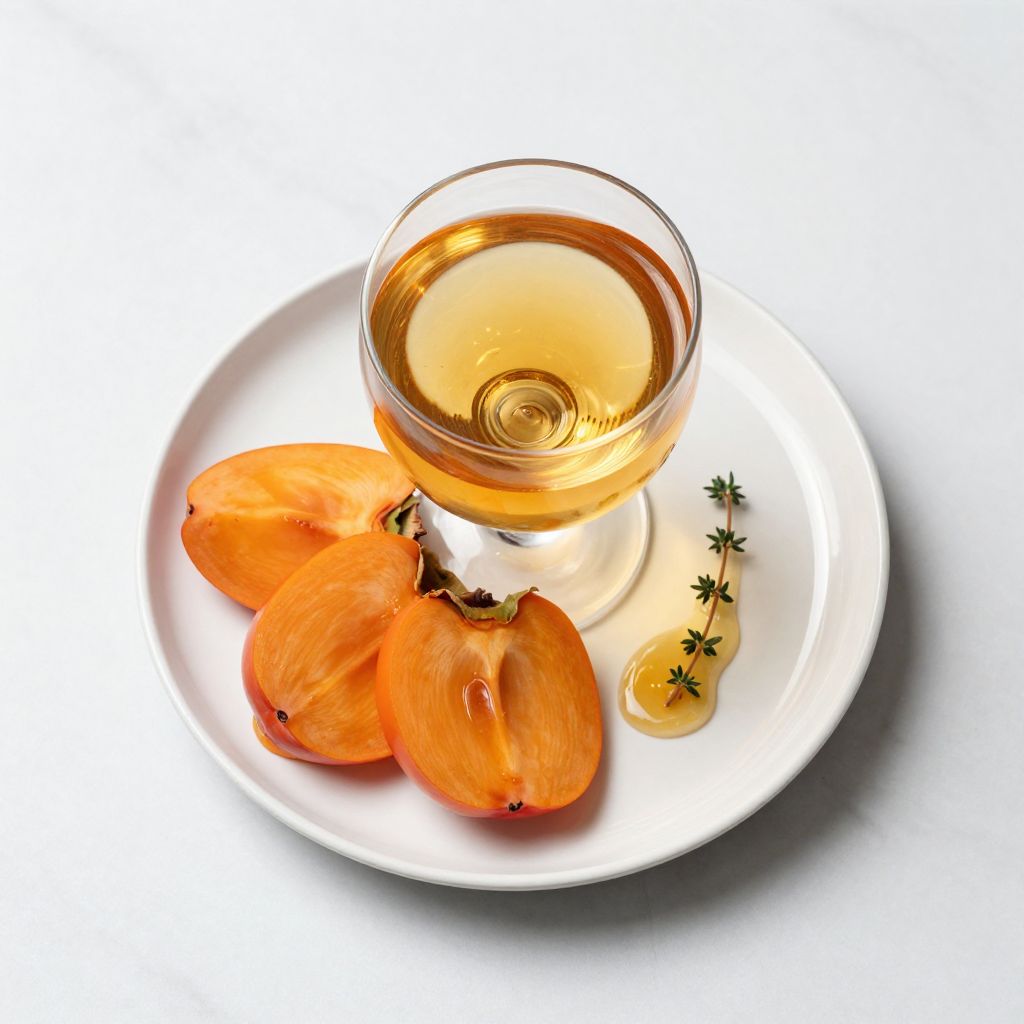
Persimmon Wine
Ingredients
Equipment
Method
- Sanitize all equipment by washing with hot soapy water and rinsing, then sanitize with a bleach solution or commercial sanitizer. Rinse and let sit for five minutes.
- Wash and halve persimmons, remove seeds and blemishes, scoop flesh into a bowl, and mash slightly with a fork.
- Transfer persimmons to a sanitized carboy, add one gallon of cool filtered water.
- Add pectic enzyme, acid blend, tannin, and yeast nutrient to the carboy and stir well.
- Activate wine yeast by dissolving in 1/4 cup warm water for five minutes, then add to the carboy and stir gently.
- Cover the carboy with a clean cloth for 24-48 hours, then fit a rubber bung and airlock after vigorous fermentation starts.
- Allow fermentation for 6-8 weeks until bubbling slows, then rack the wine off sediment into a clean carboy.
- Age the wine in a cool dark place for 2-3 weeks, then rack again if needed for clarity.
- Bottle the finished wine in sanitized bottles with corks or caps and let rest for at least two weeks before drinking.