
Picture yourself holding a glass of something golden and alive, where wild raspberries meet the ancient magic of fermented honey. Raspberry mead is a centuries-old honey wine that tastes like summer in a bottle, with bright berry notes that sing against a smooth, slightly sweet finish.
This recipe strips away the mystique and gives you a straightforward path to making mead at home without fancy equipment or years of winemaking experience. The beauty of raspberry mead lies in its simplicity: quality honey, fresh raspberries, yeast, and patience do all the heavy lifting. Many home brewers skip fruit meads thinking they’re complicated, but this version proves that wrong.
Whether you’re a curious beginner or a seasoned fermentation enthusiast, this recipe delivers a sophisticated, naturally fruity wine that rivals anything you’d buy at a meadery. Ready to transform honey and berries into liquid gold?
Why You’ll Love This Recipe
Raspberry mead combines the complexity of traditional mead with the fresh, vibrant character of real fruit. It’s approachable enough for first-time fermenters yet rewarding enough to impress experienced palates.
- Low barrier to entry: minimal equipment needed, no special skills required.
- Naturally beautiful color and flavor that develops over just three to four months.
- Versatile final product works as an aperitif, dessert wine, or impressive homemade gift.
- Uses affordable ingredients and scales easily if you want to make larger batches.
- Ferments reliably with standard wine yeast, making success highly predictable.
My Experience Making This Recipe
I first attempted mead out of pure curiosity, convinced I’d either create something undrinkable or need a chemistry degree to succeed. Instead, I ended up with a gorgeous, ruby-hued wine that tasted better than meads I’d paid good money for at specialty shops.
The sensory rewards start immediately: the aroma of fermenting raspberries filling your kitchen, the visual drama of watching a cloudy must gradually clarify into something crystalline and inviting. Friends who tasted it were shocked I’d made it myself, which is always the best kind of validation.
What surprised me most was how forgiving the process felt once I stopped overthinking it. Mead doesn’t demand perfection; it rewards patience and basic cleanliness, which made the whole experience genuinely enjoyable rather than stressful.
Recipe Overview
- Recipe Name: Raspberry Mead
- Servings: Approximately 4 bottles (750ml each)
- Prep Time: 30 minutes
- Fermentation Time: 3 to 4 months
- Total Time: 3 to 4 months plus racking time
- Course: Beverage
- Cuisine: Medieval/Historical
- Calories per Serving: 130 calories per 5oz glass
Equipment You Will Need
- Large glass carboy (1-gallon or 5-gallon size depending on batch size)
- Airlock and rubber bung (to fit your carboy neck)
- Large stainless steel pot for heating water
- Long-handled spoon or stirrer for mixing
- Hydrometer (optional but helpful for tracking fermentation)
- Racking cane or siphon tubing
- Sanitizing solution (Star San or similar)
- Cheesecloth or fine mesh strainer
- Glass bottles for storage (wine bottles work perfectly)
- Thermometer to monitor temperature
- Kitchen scale for measuring ingredients
Ingredients for Raspberry Mead
- Raw or unpasteurized honey: 3 pounds
- Fresh raspberries: 3 pounds
- Water: 1 gallon (filtered or dechlorinated)
- Wine yeast: 1 packet (Lalvin D-47 or Champagne yeast recommended)
- Yeast nutrient: 1 teaspoon
- Acid blend (optional): 1/2 teaspoon, for balance
- Honey for back-sweetening (optional): 8 ounces, added after fermentation
Ingredient Notes and Substitutions
- Raw honey brings superior flavor and wild yeast complexity compared to pasteurized honey. If unavailable, use the highest quality wildflower or clover honey you can find, though the final character will be slightly more neutral.
- Fresh raspberries deliver authentic fruit flavor and natural tannins that frozen berries cannot match. Frozen raspberries work in a pinch but will produce a slightly muddier flavor profile.
- Wine yeast (Lalvin D-47) creates a clean, dry finish that lets fruit shine through. Champagne yeast ferments faster but can produce a harsher alcohol burn; bread yeast will create off-flavors and unpredictable results.
- Yeast nutrient feeds the yeast and prevents stuck fermentations that would ruin your batch. Skip it only if willing to risk incomplete fermentation.
- Acid blend balances the mead’s sweetness if your raspberries are particularly low in natural acidity. Lemon juice (1/2 teaspoon) works as a substitute.
How to Make Raspberry Mead
Step 1: Sanitize All Equipment
Begin by sanitizing every piece of equipment that will touch your mead, including the carboy, airlock, spoon, and any other tools. Unsanitized equipment introduces wild yeasts and bacteria that will spoil your batch faster than you can say “vinegar.”
Step 2: Prepare Your Fruit
Gently rinse the fresh raspberries under cool water and spread them on a clean cloth to dry slightly. Do not crush them yet; you want them intact to prevent excess tannins and browning during the mashing process.
Step 3: Heat Water and Dissolve Honey
Heat your filtered water to approximately 160 to 170 degrees Fahrenheit, then add the honey slowly while stirring continuously. This gentle heating dissolves the honey completely without damaging delicate flavor compounds that high temperatures destroy.
Step 4: Cool the Must
Allow the honey water to cool to room temperature (approximately 68 to 72 degrees Fahrenheit) before adding any ingredients. Hot liquid will kill your yeast, so patience here prevents disaster downstream.
Step 5: Add Raspberries and Nutrients
Once cooled, pour the honey water into your sanitized carboy, then gently add the whole raspberries. Stir in the yeast nutrient and acid blend, which provide essential minerals and balance the final flavor.
Step 6: Pitch the Yeast
Rehydrate your wine yeast according to the packet instructions (usually mixing with warm water and letting it sit for 15 minutes), then pour it into the carboy and stir gently to distribute. Rehydration activates dormant yeast cells and dramatically improves fermentation reliability compared to pitching dry yeast directly.
Step 7: Cover and Monitor Early Fermentation
Affix the airlock and rubber bung to your carboy and place it in a cool, dark location between 65 and 75 degrees Fahrenheit. Within 24 to 48 hours, you should see active bubbling through the airlock, which signals that fermentation is underway.
Step 8: Wait for Primary Fermentation
Allow the mead to ferment actively for two to three weeks, during which time the yeast consumes the honey’s sugars and raspberries settle to the bottom. You’ll see vigorous bubbling initially, which will gradually slow as the yeast exhausts the available sugar.
Step 9: Rack Away from Fruit Solids
Once bubbling slows significantly, use a sanitized racking cane to siphon the clear liquid away from the berry sediment into a fresh carboy. This “racking” step removes spent yeast and solids that can impart bitter, off-putting flavors if left in contact too long.
Step 10: Secondary Fermentation and Clarification
Reattach the airlock to the new carboy and allow the mead to ferment for another six to eight weeks, during which time it will gradually clarify and develop complexity. Periodically check that the airlock still contains water, which prevents oxygen from entering while allowing carbon dioxide to escape.
Step 11: Final Racking and Aging
Rack the mead one more time into clean bottles for aging, which can continue for several more months or even years if you have the patience. Most raspberry meads reach optimal flavor after three to four months total from start to finish, though patience rewards you with increasingly refined results.
Pro Tip: Keep a simple fermentation log noting the date you started, temperature range, and any observations about color or aroma, which helps you improve future batches and troubleshoot if something goes wrong.
Tips for the Best Raspberry Mead
- Use the freshest, ripest raspberries available, as underripe berries produce thin, one-dimensional flavor. Peak ripeness (late summer) delivers maximum fruit impact in the finished mead.
- Maintain consistent temperature throughout fermentation, as wild swings between 50 and 80 degrees Fahrenheit stress yeast and create off-flavors. A temperature-controlled closet or cabinet solves this problem perfectly.
- Resist the urge to taste or stir frequently, as every time you open the carboy, you risk infection and oxidation. Patience and curiosity rarely coexist in fermentation.
- Rack your mead when the airlock activity drops noticeably but before all sediment fully accumulates, which typically occurs every three to six weeks. This timing balances clarity with yeast health.
- Consider back-sweetening with honey once fermentation completes if you prefer a slightly sweet mead, as completely dry results can taste thin. Add honey slowly and taste as you go, adjusting to preference.
- Store finished mead in a cool, dark place, as light and warmth gradually degrade color and flavor over time. Properly stored mead improves for years, but negligent storage wastes your efforts.
Common Mistakes to Avoid
- Using pasteurized or ultra-filtered honey strips away the wild yeasts and complexity that make homemade mead special. Raw honey costs slightly more but transforms the final result.
- Fermenting at temperatures above 75 degrees Fahrenheit accelerates yeast metabolism in ways that create harsh alcohol flavors and thin body. Your finished mead will taste like mistakes rather than sophistication.
- Leaving fruit solids in the carboy for months creates bitter, funky flavors that even aging cannot fix. Early racking is your insurance policy against ruined batches.
- Pitching yeast directly into very cold must slows fermentation dramatically and risks a stuck fermentation where yeast simply stops working. Waiting for room temperature and rehydrating yeast ensures vigorous, reliable fermentation.
- Using chlorinated tap water introduces chemicals that yeast finds hostile and fermentation finds unpredictable. Filtered, distilled, or dechlorinated water prevents unnecessary complications.
Serving Suggestions
Raspberry mead shines when served properly chilled in wine glasses, where its color and aromatic complexity can be fully appreciated. The versatility of this drink means it pairs beautifully with both food and occasion.
- Serve as an aperitif before a summer dinner, where its brightness prepares the palate for sophisticated flavors to come.
- Pair with soft cheeses and honey-drizzled charcuterie for an elegant charcuterie board that lets the mead’s fruit character stand out.
- Offer as a dessert wine alongside berry tarts, shortcakes, or other fruit-forward pastries where its natural sweetness and berry notes complement perfectly.
- Chill and serve at brunch with fresh fruit and cream, where it elevates a simple meal into something memorable and special.
- Gift bottles to friends and family with a handwritten label detailing the ingredients and fermentation timeline, a personal touch that storebought wine cannot match.
Variations to Try
- Blackberry or Blueberry Mead: Swap raspberries one-to-one with blackberries or blueberries for darker color and deeper fruit character. Blueberries produce a more wine-like result with earthier undertones.
- Spiced Raspberry Mead: Add one cinnamon stick, three whole cloves, and a small piece of fresh ginger during secondary fermentation for warming spice notes. Remove spices after two weeks to prevent overpowering the delicate raspberry flavor.
- Dry Raspberry Mead: Reduce the honey to 2.5 pounds and skip back-sweetening for a bone-dry mead with more pronounced raspberry acidity. This version pairs exceptionally well with food rather than standing alone.
- Hybrid Cyser: Replace half the water with fresh apple juice and use two pounds raspberries plus one pound honey for a lighter, more refreshing variation. This creates something between mead and cider that ferments faster and tastes fresher.
- Oak-Aged Raspberry Mead: Add a small oak spiral or toasted oak chips during secondary fermentation for subtle vanilla and wood complexity. Oak aging deepens color and adds sophistication that impresses experienced palates.
Dietary Adaptations
- Gluten-Free: All ingredients are naturally gluten-free, making this mead safe for anyone avoiding gluten without modification. Just verify that your yeast nutrient lacks hidden gluten additives.
- Vegan: This recipe is fully vegan as written, using honey and plant-based yeast with no animal products. Note that some fermentation communities debate whether honey consumption aligns with vegan philosophy, so personal interpretation matters.
- Low-Sugar: Allow fermentation to complete fully without back-sweetening, resulting in a dry mead with less than one gram of residual sugar per serving. Fermentation consumes nearly all honey sugars, making the final alcohol content higher but sweetness minimal.
- Organic: Source certified organic honey and raspberries to align with organic preferences, though fermentation happens naturally regardless of organic status. Organic honey costs more but delivers peace of mind about pesticide exposure.
Storage and Reheating
Refrigerator
Store finished mead in sealed wine bottles in the refrigerator, where it remains fresh for up to two years. Cool temperatures slow oxidation and chemical breakdown dramatically.
- Keep bottles upright rather than on their sides, as corks can degrade faster in mead than in wine.
- Prevent light exposure by storing in a dark cabinet or wrapping bottles loosely with paper.
- Check bottles periodically for leaks or unusual aromas indicating spoilage.
Freezer
Mead can technically freeze, but freezing risks expanding the liquid and cracking glass bottles or pushing out corks. Avoid freezing finished mead unless desperate.
- If you must freeze, leave significant headspace in plastic bottles specifically designed to withstand freezing.
- Plan to use frozen mead within six months of freezing for best quality.
Reheating
Most mead drinkers prefer it chilled or at room temperature rather than heated, as warming mutes delicate fruit flavors. However, mulled mead has merit as a winter beverage.
- Heat mead gently in a saucepan with cinnamon, cloves, and orange slices without boiling, which would evaporate alcohol and delicate aromatics.
- Never microwave mead, as uneven heating creates hot spots that accelerate deterioration.
- Serve warm mead within 30 minutes of heating for best flavor.
Nutrition Information
| Nutrient | Amount |
|---|---|
| Calories | 130 |
| Total Fat | 0g |
| Saturated Fat | 0g |
| Carbohydrates | 8g |
| Fiber | 0g |
| Sugar | 4g |
| Protein | 0g |
| Sodium | 5mg |
| Cholesterol | 0mg |
Nutritional values assume completely dry mead with no residual sugar and a serving size of 5 ounces, typical for wine glasses. Back-sweetening increases carbohydrate and sugar content proportionally to the amount of honey added.
Frequently Asked Questions
Can I use frozen raspberries instead of fresh?
Frozen raspberries work if fresh ones are unavailable, though the final flavor profile will be slightly muddier with less bright acidity. Thaw them completely before adding to prevent temperature shock to your fermentation.
How do I know when fermentation is truly complete?
When the airlock stops bubbling entirely for several days and the mead clarifies noticeably, fermentation has likely completed. A hydrometer reading that stays constant for three days confirms fermentation has stopped.
Is it safe to bottle mead that still has slight cloudiness?
Light cloudiness from residual yeast is fine and will settle further in the bottle over weeks, but heavy cloudiness indicates ongoing fermentation and bottling risks exploding bottles. When in doubt, wait another two weeks.
Why does my mead taste harsh or have a hot alcohol burn?
Fermentation at high temperatures produces harsh alcohol compounds that aging gradually mellows, so patience is your ally here. Keeping future batches at 65 to 72 degrees Fahrenheit prevents this problem entirely.
Can I add more raspberries to increase fruit flavor?
Adding more than 3 pounds of raspberries per gallon risks overpowering bitterness from excessive tannins and the mead becoming more juice than wine. If fruit flavor tastes muted, back-sweetening with honey highlights what fruit character exists rather than drowning it in more berries.
How much alcohol does finished raspberry mead contain?
A dry mead from this recipe typically reaches 11 to 13 percent alcohol by volume, similar to many wines. A hydrometer reading at the start and finish lets you calculate exact alcohol content if you prefer precision.
Final Thoughts
Making raspberry mead at home rewards you with far more than just a delicious beverage: you gain the confidence that comes from creating something complex and beautiful entirely by your own hands. The process teaches patience, observation, and respect for fermentation’s quiet magic, skills that transfer to every kitchen project you undertake.
Your first batch might not be perfect, and that’s precisely the point. Each batch teaches you something about your particular water, kitchen temperature, and taste preferences, making the next batch noticeably better. Start with this recipe, trust the process, and prepare to be amazed at what you’ve created.
If you find yourself falling in love with honey fermentation, explore related recipes like cyser recipe that blends apple and honey, or venture into cocktail territory with a raspberry mule recipe that celebrates similar fruit flavors in mixed drinks. Your fermentation journey is just beginning, and the possibilities are genuinely limitless.
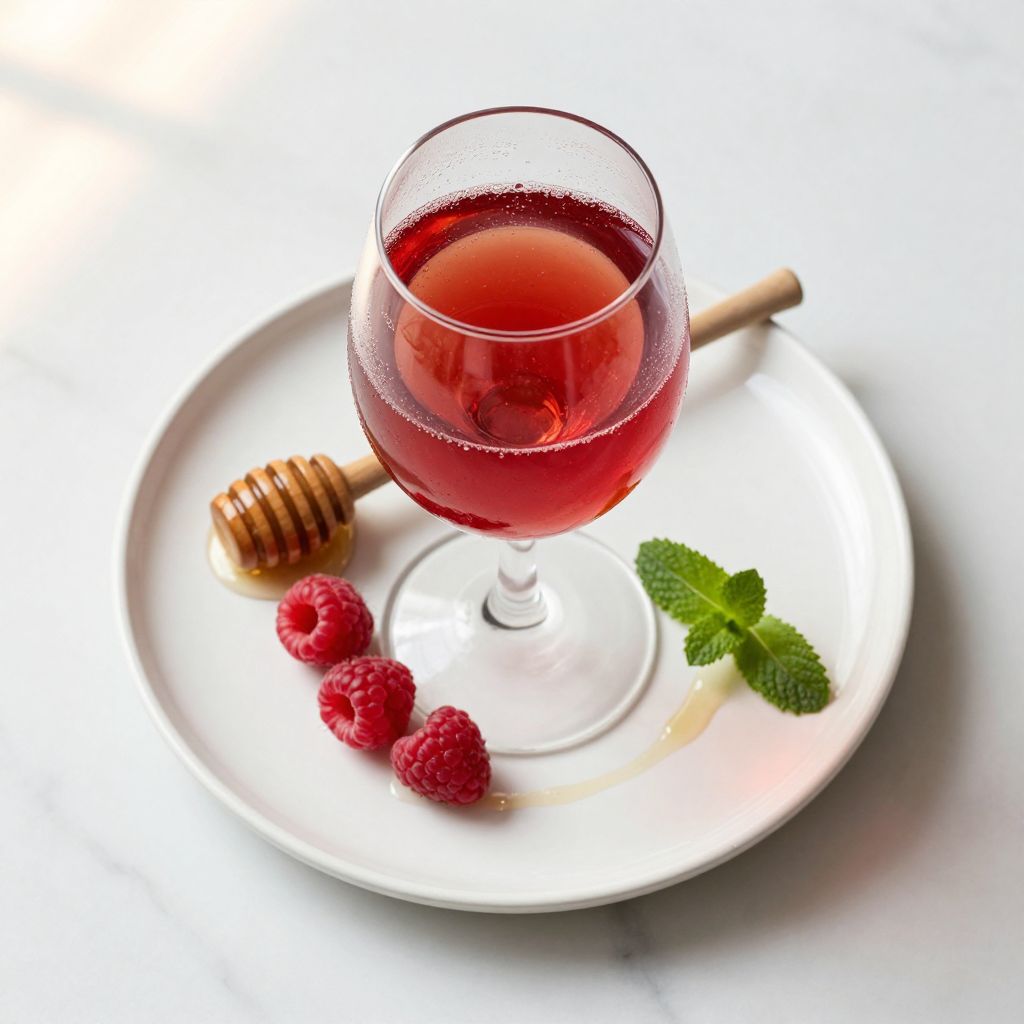
Raspberry Mead
Ingredients
Equipment
Method
- Sanitize all equipment, including the carboy, airlock, spoon, and racking cane, with a sanitizing solution.
- Rinse 3 pounds of fresh raspberries under cool water and pat dry with a clean cloth.
- Heat 1 gallon of filtered water to 160°F to 170°F in a large pot, then gradually whisk in 3 pounds of honey until fully dissolved.
- Allow the honey water to cool to 68°F to 72°F, then transfer it to the sanitized carboy.
- Add the rinsed raspberries, 1 teaspoon yeast nutrient, and 1/2 teaspoon acid blend to the carboy and gently stir.
- Rehydrate the wine yeast according to packet instructions, then pitch into the must and stir gently to combine.
- Seal the carboy with the airlock and ferment at 65°F to 75°F for 2 to 3 weeks until vigorous bubbling subsides.
- Rack the mead off the raspberry sediment into a clean carboy, attach the airlock, and continue secondary fermentation at 65°F to 75°F for 6 to 8 weeks.
- Optionally back-sweeten with 8 ounces of honey, stirring gently, then rack into sanitized bottles and cork.
- Age the bottled mead in a cool, dark place for at least 3 months before serving.