
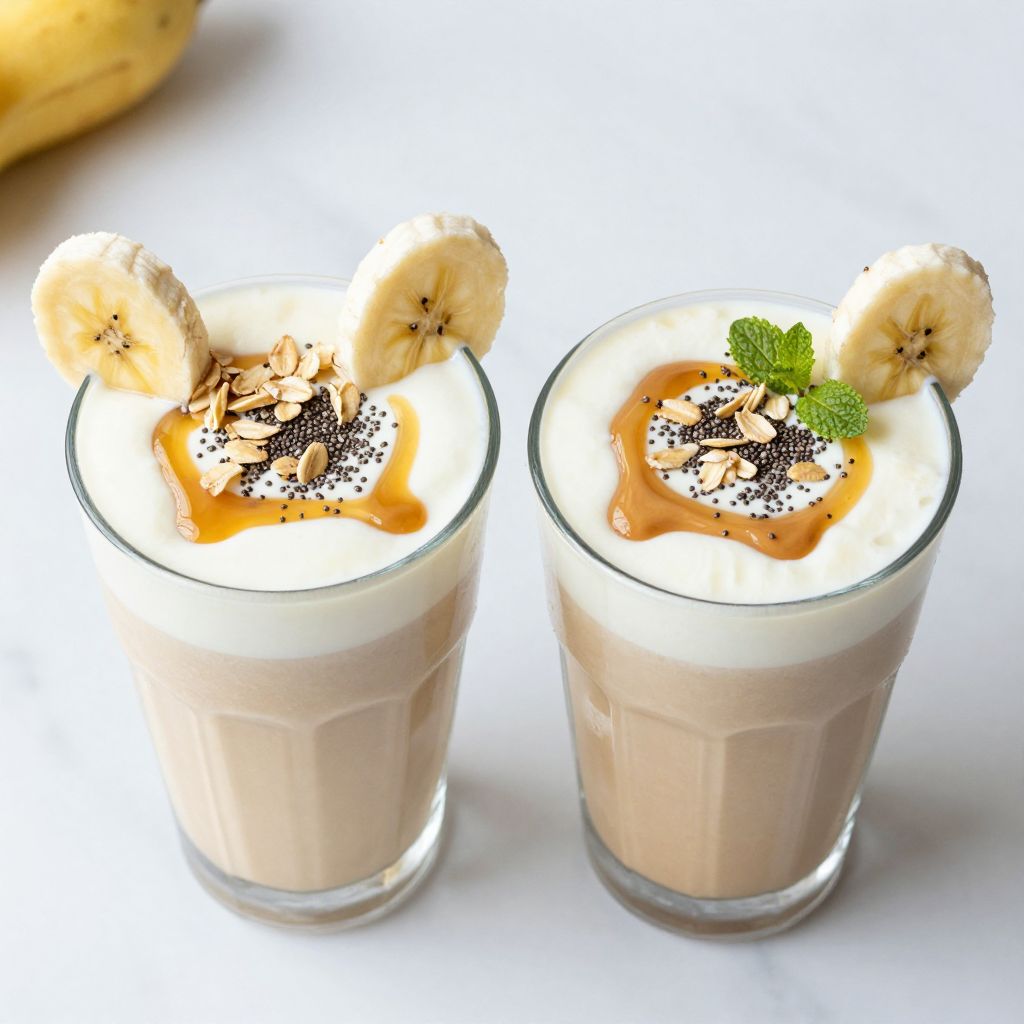
There’s something deeply satisfying about sipping a smoothie that actually fills you up and fuels your body for hours instead of leaving you hungry an hour later. A high calorie smoothie isn’t about indulgence for its own sake; it’s about smart nutrition packed into a glass that tastes like a treat.
Whether you’re an athlete needing serious post-workout calories, someone recovering from illness, a busy parent who needs portable nutrition, or simply someone tired of thin, unsatisfying smoothies, this recipe delivers real substance. The magic lies in layering whole ingredients: creamy bases, calorie-dense additions, and enough protein to keep you satisfied long after you drink it.
This smoothie comes together in under five minutes but feels indulgent enough to enjoy guilt-free. Let’s build something that actually nourishes you.
Why You’ll Love This Recipe
This high calorie smoothie strikes the perfect balance between nutrition and satisfaction, making it ideal for anyone who needs serious fuel without spending hours in the kitchen.
- Packed with 400-500 calories per serving while tasting completely delicious and not overly heavy
- Keeps you full for hours thanks to protein, healthy fats, and fiber working together
- Takes five minutes from blender to glass, perfect for hectic mornings
- Customizable to your taste preferences without sacrificing nutrition
- Works for athletes, people managing weight gain, and anyone needing portable nutrition
My Experience Making This Recipe
I developed this recipe out of necessity when my usual thin smoothies stopped cutting it during marathon training season. I’d blend something fruity, drink it, and feel hungry thirty minutes later, which defeated the purpose entirely.
After experimenting with different ratios and ingredients, I landed on this combination and never looked back. The first time I made it, the thickness surprised me; it actually requires a powerful blender to handle the density, which tells you something about how substantive this smoothie really is.
My training partners started asking what I was drinking because I actually had sustained energy through long workouts. Now I make batches for friends, and everyone comments on how it tastes indulgent while actually being genuinely nutritious.
Recipe Overview
- Recipe Name: High Calorie Smoothie
- Servings: 2 smoothies
- Prep Time: 5 minutes
- Cook Time: 0 minutes
- Total Time: 5 minutes
- Course: Breakfast or Snack
- Cuisine: American
- Calories per Serving: 450 calories
Equipment You Will Need
- High-powered blender (Vitamix or equivalent)
- Measuring cups and spoons
- Tall drinking glasses or smoothie cups
- Spoon for stirring (optional, if settling occurs)
- Cutting board and knife for fresh fruit prep
Ingredients for High Calorie Smoothie
- Greek yogurt: 1 cup (plain, full-fat)
- Whole milk: 1 cup
- Natural peanut butter: 3 tablespoons
- Banana: 2 medium, peeled and frozen
- Oats: 1/2 cup (old-fashioned rolled oats)
- Honey: 2 tablespoons
- Chia seeds: 1 tablespoon
- Vanilla extract: 1/2 teaspoon
- Ice cubes: 1/2 cup (optional, for thickness)
Ingredient Notes and Substitutions
- Greek yogurt: Provides creamy texture and significant protein. Substitute with regular yogurt if needed, though you’ll lose some protein density and may need to add extra milk for consistency.
- Whole milk: Creates a rich base that doesn’t thin the smoothie. Use 2% or plant-based milk if preferred, but whole milk contributes important calories and creaminess.
- Natural peanut butter: Delivers healthy fats and calories without added sugars. Almond butter or tahini work well as replacements with slightly different flavor profiles.
- Frozen bananas: Provide natural sweetness and thickness without needing much ice. Use fresh bananas if frozen unavailable, but add extra ice cubes to thicken.
- Oats: Add fiber, sustained energy, and thickness that keeps you full. Substitute with granola for extra crunch, though this increases sugar slightly.
- Honey: Sweetens naturally while adding quick carbs for energy. Maple syrup or agave nectar work as one-to-one swaps.
- Chia seeds: Pack omega-3s and fiber that aid digestion and satiety. Flax seeds provide nearly identical benefits with earthier flavor.
How to Make High Calorie Smoothie
Step 1: Prep Your Frozen Bananas
Peel your bananas and slice them into thirds, then place them in a freezer bag at least two hours ahead (overnight is ideal). Frozen bananas blend into a creamy texture that mimics soft serve ice cream without requiring added ice that dilutes flavor.
Step 2: Measure Your Base Liquids
Pour one cup of whole milk and one cup of Greek yogurt into your blender pitcher. These form your creamy base and should go in first to help everything blend smoothly without clumping.
Step 3: Add Your Protein and Fats
Scoop three tablespoons of natural peanut butter directly into the blender. This concentrated ingredient adds serious calories and protein while creating richness that makes the smoothie feel indulgent.
Step 4: Pour in Your Oats
Add half a cup of old-fashioned rolled oats to the blender. Oats break down during blending and create a thicker, more substantial smoothie that keeps you satisfied longer than liquid-only versions.
Step 5: Add Sweeteners and Seeds
Add two tablespoons of honey, one tablespoon of chia seeds, and half a teaspoon of vanilla extract. These ingredients layer flavor and add nutritional complexity without making the smoothie taste artificial or overly sweet.
Step 6: Add Your Frozen Bananas
Add your frozen banana slices to the blender. Frozen fruit goes in last to help push everything down toward the blades as the blender works.
Step 7: Blend on High Speed
Start your blender on low speed for five seconds to break down large pieces, then increase to high speed and blend for 45 to 60 seconds. The smoothie should reach a thick, creamy consistency that still pours easily into glasses.
Step 8: Check Consistency and Add Ice if Needed
If your smoothie seems thinner than desired, add ice cubes a few at a time while blending. If it’s too thick to drink through a straw, add a splash of milk and blend briefly to loosen it up.
Step 9: Pour and Serve Immediately
Divide the smoothie between two tall glasses and serve right away. This prevents separation and ensures you get the full creamy texture the smoothie was designed to deliver.
Pro Tip: Freeze ripe bananas as soon as they develop brown flecks rather than waiting for them to fully ripen; this ensures you always have frozen bananas ready and prevents waste.
Tips for the Best High Calorie Smoothie
- Use a high-powered blender with at least 1000 watts of power; underpowered blenders struggle with frozen fruit, oats, and nut butter, leaving chunky texture.
- Add liquid ingredients first, then dry ingredients, then frozen items; this order prevents ingredients from sticking to the blender bottom and ensures even blending.
- If peanut butter seems to stick to the blender walls, blend briefly without bananas first to incorporate it, then add the bananas; this prevents clumping.
- Don’t skip the chia seeds; they absorb liquid and expand in your stomach, dramatically increasing satiety beyond what the calorie count suggests.
- Make smoothies immediately before drinking rather than blending ahead; separation occurs quickly once everything combines, and texture suffers after sitting.
- If targeting specific calorie goals, use a food scale for ingredients rather than cups; volumes vary significantly based on packing and ingredient moisture.
Common Mistakes to Avoid
- Using skim milk or non-fat yogurt: This strips away the healthy fats and calories that make the smoothie satisfying, leaving you hungry shortly after drinking.
- Overfilling the blender: Packed blenders don’t blend evenly and can cause the motor to overheat; fill only two-thirds full for proper circulation.
- Forgetting to freeze bananas: Fresh bananas create thin, watery smoothies; frozen bananas are essential for that thick, indulgent texture.
- Blending too briefly: Incomplete blending leaves oats and seeds chunky and unpleasant; aim for at least 45 seconds on high speed for smooth results.
- Adding too much ice: Ice dilutes flavor and can make the smoothie watery rather than creamy; let frozen bananas do the thickening work.
Serving Suggestions
This high calorie smoothie works beautifully on its own, but you can elevate it further by pairing it thoughtfully with complementary items. The richness of the smoothie pairs particularly well with lighter breakfast elements that won’t make you feel overstuffed.
- Serve alongside whole grain toast with a thin spread of almond butter for extra texture contrast and sustained carbs
- Pair with a small handful of granola sprinkled on top for crunch and added visual appeal
- Follow with a hard-boiled egg about thirty minutes later for additional protein if this is your pre-workout meal
- Enjoy with fresh berries on the side to add brightness and visual color without adding excessive calories
- Serve in a thick-walled glass to keep it cold longer during leisurely consumption
Variations to Try
- Chocolate Peanut Butter Version: Add two tablespoons of unsweetened cocoa powder and reduce honey to one tablespoon, letting cocoa provide bitter balance to sweetness. This creates a dessert-like smoothie that tastes indulgent while maintaining nutrition.
- Tropical High Calorie Smoothie: Replace bananas with frozen mango and pineapple, swap peanut butter for coconut cream, and use coconut milk instead of regular milk. The result tastes like a beach vacation in a glass with equally satisfying calories.
- Coffee-Powered Version: Brew one cup of strong cold brew coffee and use it in place of one cup of milk for a caffeine boost and deeper flavor. This works perfectly for athletes needing both energy and calories pre-workout.
- Berry Bliss Variation: Add one cup of frozen mixed berries along with the bananas and reduce honey to one tablespoon. The tartness of berries balances the richness of peanut butter beautifully.
- Protein Powder Addition: Stir in one scoop of vanilla or chocolate protein powder with the yogurt to push calories toward 550 and protein toward 35 grams. This works especially well for serious athletes.
Dietary Adaptations
- Dairy-Free: Use coconut milk or oat milk for the liquid, replace Greek yogurt with coconut yogurt, and use almond butter instead of peanut butter. The smoothie loses some protein and calories but remains rich and satisfying.
- Vegan: Swap yogurt for silken tofu or coconut yogurt, use plant milk, keep peanut butter, and add one scoop of plant-based protein powder to replace lost protein from yogurt. The flavor remains excellent with slightly different mouthfeel.
- Gluten-Free: Use certified gluten-free oats instead of regular rolled oats; everything else in the recipe is naturally gluten-free. No flavor or texture changes occur with this swap.
- Low-Carb/Keto: Replace banana with half an avocado, reduce honey to one teaspoon, keep everything else the same, and add one tablespoon of MCT oil. Calories remain similar but carbs drop to around 25 grams.
- Nut-Free: Replace peanut butter with tahini or sunflower seed butter and use oat milk instead of dairy milk. The calorie and protein content remains comparable though flavor profile shifts noticeably.
Storage and Reheating
Refrigerator
Smoothies separate quickly once blended, and texture suffers dramatically within an hour as oats absorb liquid and ingredients settle. Best practice involves blending immediately before drinking rather than storing finished smoothie.
- If you must store it, keep it in an airtight glass container for up to four hours maximum
- Shake or stir vigorously before drinking to recombine separated layers
- Expect thicker, less appealing texture compared to fresh blending
Freezer
You can freeze individual smoothie portions in ice cube trays or freezer bags, then blend the frozen cubes with fresh milk when ready to drink. This creates a slushier smoothie but preserves most flavors and nutritional value.
- Freeze in portions and thaw at room temperature for 15 minutes before blending with additional milk
- Use frozen smoothie cubes within two months for best quality
- Add fresh banana or berries when reblending to refresh flavor
Reheating
This smoothie is meant to be served cold and shouldn’t be heated. Warmth damages the yogurt’s live cultures, wilts the texture, and destroys some nutrient density.
- Keep everything cold from start to finish, including your blender pitcher if possible
- Use frozen fruit and chilled milk for optimal results
- Chill glasses briefly before pouring for maximum coldness retention
Nutrition Information
| Nutrient | Amount |
|---|---|
| Calories | 450 |
| Total Fat | 18g |
| Saturated Fat | 5g |
| Carbohydrates | 52g |
| Fiber | 6g |
| Sugar | 32g |
| Protein | 18g |
| Sodium | 95mg |
| Cholesterol | 15mg |
These values are estimates based on standard ingredient sizes and brands. Actual nutrition varies based on specific products used; always verify packaging information if tracking macros for specific fitness or health goals.
[hprm-recipe id=”6112″]
Frequently Asked Questions
Can I make this smoothie without a high-powered blender?
Regular blenders struggle significantly with frozen bananas and whole oats, potentially resulting in chunky, unpleasant texture. If you only have a basic blender, use fresh bananas and substitute quick oats for rolled oats, though you’ll lose some of the sustained thickness.
How can I make this smoothie even thicker?
Add half an avocado or another tablespoon of peanut butter for richness without excessive calories. You can also increase oats to three-quarters cup, though this adds more liquid absorption and requires slightly more milk for blending.
Is this smoothie good for weight gain?
Yes, at 450 calories per serving with good protein content, this smoothie supports healthy weight gain when consumed regularly. The protein prevents these calories from becoming empty calories and helps build muscle rather than just fat.
Can I prep the ingredients ahead and blend them later?
You can prep a smoothie pack by combining frozen bananas, oats, chia seeds, and honey in a freezer bag, then add liquids and peanut butter when ready to blend. This takes the work out of daily smoothie making without sacrificing quality.
What’s the difference between this and a protein shake?
This smoothie uses whole food ingredients and gets its protein naturally from yogurt and peanut butter, while protein shakes rely on protein powder. Whole food smoothies digest differently and provide more micronutrients and fiber than powder-based options.
Will this smoothie curb my appetite if I’m trying to lose weight?
This high calorie smoothie works better for weight gain or maintenance than for weight loss, since 450 calories is substantial. If losing weight, reduce peanut butter to one tablespoon and skip the chia seeds to cut it roughly in half.
Can I drink this smoothie post-workout?
Absolutely, this smoothie delivers carbs and protein in the ideal ratio for post-workout recovery. The banana provides quick carbs to replenish glycogen while the peanut butter and yogurt supply protein for muscle repair.
Final Thoughts
A truly satisfying smoothie changes how you approach breakfast and snacking, eliminating the frustration of drinking something that leaves you hungry thirty minutes later. This high calorie smoothie delivers real nutrition alongside genuine indulgence, proving that healthy eating doesn’t mean suffering through thin, disappointing drinks.
Make a batch this week and notice how sustained your energy feels and how much longer you stay satisfied. Your body will thank you, and you’ll likely find yourself making this smoothie regularly because it actually tastes like something you want to drink.
Ready to explore more nutritious beverages that fuel your body? Check out this lactation smoothie recipe for added nutrition during specific life stages, or try this mango banana smoothie recipe for a tropical twist on the smoothie concept. Both offer different flavors while delivering the satisfying substance your body deserves.