
There’s something magical about that first sip of homemade lemonade on a hot summer afternoon, the kind that tastes like sunshine and childhood memories mixed together. Making your own lemonade concentrate puts you in control of the sweetness, tartness, and freshness, so you can create something far better than anything from a bottle or powder packet.
This concentrate is a game of simple math: fresh lemons, sugar, and water combine into a syrupy base that keeps for weeks and turns into refreshing lemonade whenever you want it. Best of all, you’ll actually know what’s in your drink, and you’ll spend less money than buying pre-made versions.
Why You’ll Love This Recipe
Homemade lemonade concentrate delivers pure lemon flavor without artificial ingredients or mystery additives. You make it once and enjoy fresh lemonade all week long.
- Ready in under 30 minutes from start to finish
- Keeps in the refrigerator for up to 3 weeks, making it perfect for busy weeks
- Costs a fraction of store-bought versions and bottled lemonade
- Use it straight as a concentrate or dilute it with water or sparkling water
- Perfect base for cocktails, mocktails, and flavored variations
My Experience Making This Recipe
I started making concentrate after a friend gifted me a bag of Meyer lemons from her tree, and I couldn’t use them fast enough as fresh juice. The concentrate changed everything because it stretched those lemons into enough lemonade for two full weeks of afternoon drinks.
The smell when you simmer the lemon juice with sugar is incredible, filling your kitchen with bright citrus that somehow smells even better than fresh lemons alone. My kids actually asked for lemonade instead of other sugary drinks because they could taste how real it was.
The concentrate proved so useful that I now make a batch every month, even without free lemons. I’ve gifted jars to friends who immediately started using it for everything from water flavoring to salad dressings.
Recipe Overview
- Recipe Name: Homemade Lemonade Concentrate
- Servings: Makes about 2 cups concentrate (approximately 16 servings of lemonade)
- Prep Time: 15 minutes
- Cook Time: 10 minutes
- Total Time: 25 minutes
- Course: Beverage
- Cuisine: American
- Calories per Serving: 45 calories per 2-tablespoon serving of concentrate
Equipment You Will Need
- Citrus juicer or reamer
- Fine mesh strainer
- Medium saucepan
- Wooden spoon for stirring
- Measuring cups and spoons
- Glass storage jars with lids
- Knife and cutting board
- Optional: cheesecloth for extra filtration
Ingredients for Lemonade Concentrate
- Fresh lemons: 10 to 12 medium lemons (about 2 cups fresh juice)
- Granulated sugar: 2 cups
- Water: 1 cup, divided (plus more for diluting when serving)
- Salt: 1/4 teaspoon
Ingredient Notes and Substitutions
- Fresh lemons: Fresh lemon juice delivers bright, authentic flavor that bottled juice simply cannot match. If you absolutely must use bottled lemon juice, use 2 cups, though the flavor will be noticeably flatter and less vibrant.
- Granulated sugar: White sugar dissolves cleanly and lets the lemon flavor shine through without competing flavors. You can substitute honey or agave nectar in equal amounts, but both will add their own distinct sweetness that may mask some lemon brightness.
- Water: Filtered or tap water works perfectly; the small amount of water here just helps dissolve the sugar. Distilled water also works fine if you have mineral-heavy tap water.
- Salt: A tiny pinch of salt balances the tartness and rounds out the flavor without making it taste salty. You can omit it, but you’ll notice the lemonade tastes slightly more one-dimensional.
How to Make Lemonade Concentrate
Step 1: Select and Wash Your Lemons
Choose lemons that feel heavy for their size, which indicates they’re juicy inside. Wash them under cool running water and rub gently to remove any dirt or waxy coating.
Step 2: Cut and Juice the Lemons
Roll each lemon on the counter with medium pressure to break down the pulp inside and release more juice. Cut the lemons in half and use a citrus juicer or reamer to extract the juice into a bowl, pressing firmly to get every drop.
Step 3: Strain the Fresh Juice
Pour the lemon juice through a fine mesh strainer into a clean bowl, pressing gently on any pulp to extract remaining juice while catching seeds and large solids. This step prevents gritty texture in your final concentrate.
Step 4: Measure Your Juice
You should have close to 2 cups of fresh lemon juice; if you have slightly less, that’s fine, and if you have more, use all of it. Accurate juice measurement ensures the concentrate isn’t too sweet or too tart.
Step 5: Combine Juice, Sugar, and Water in a Saucepan
Pour the strained lemon juice into a medium saucepan and add 2 cups sugar along with 1 cup water. Stir with a wooden spoon until the sugar begins to dissolve.
Step 6: Heat the Mixture
Place the saucepan over medium heat and bring the mixture to a gentle simmer, stirring occasionally. You don’t want a rolling boil; a quiet simmer allows the flavors to meld without cooking off the bright lemon aroma.
Step 7: Add Salt and Simmer
Once the mixture simmers, add 1/4 teaspoon of salt and stir to combine. Let the mixture simmer gently for 5 to 10 minutes, which helps the sugar fully dissolve and deepens the lemon flavor slightly.
Step 8: Cool the Concentrate
Remove the saucepan from heat and let the concentrate cool to room temperature, about 30 minutes. Cooling prevents condensation inside your storage jar and stops the cooking process so the flavor stays bright.
Step 9: Transfer to Storage Containers
Pour the cooled concentrate into clean glass jars with tight-fitting lids. Store in the refrigerator, where it will keep for 2 to 3 weeks.
Pro Tip: Make a double batch and freeze half in ice cube trays for grab-and-go portions that thaw in minutes and add instant lemonade flavor to any glass of water.
Tips for the Best Lemonade Concentrate
- Use room-temperature lemons rather than cold ones, as they yield more juice and release it more easily when you apply pressure.
- Don’t skip straining the juice; it removes seeds, pulp, and bitter white pith that would cloud your concentrate and affect flavor.
- Taste the concentrate before storing it and adjust sweetness if needed by adding a tablespoon of sugar or a splash of lemon juice, then stir and cool.
- Keep your storage jars meticulously clean and use a spoon every time you scoop concentrate, never dipping a used glass or straw directly into the jar.
- Label your jar with the date you made the concentrate so you know when to use it by and don’t accidentally keep it too long.
- For serving, use about 2 to 3 tablespoons of concentrate per 8-ounce glass, adjusting to your taste preference and desired sweetness level.
Common Mistakes to Avoid
- Boiling the mixture instead of simmering it; high heat cooks off the delicate lemon aroma and can make the concentrate taste cooked or flat.
- Using bottled lemon juice as a shortcut; it lacks the brightness of fresh juice and often contains preservatives that flatten the flavor.
- Skipping the salt; while it seems unnecessary, this tiny amount actually rounds out sharp tartness and improves the overall taste balance.
- Storing the concentrate in direct sunlight or a warm spot; heat darkens it and weakens the flavor, so refrigeration is essential.
- Not cooling the concentrate completely before storing; warm concentrate creates condensation inside the jar, which can cause mold or fermentation.
Serving Suggestions
Serve your homemade lemonade concentrate cold in tall glasses over ice, diluted with still or sparkling water to your taste preference. The concentrate is also incredibly versatile as a base for other drinks and recipes.
- Classic lemonade with ice water and a lemon wheel garnish for everyday refreshment
- Sparkling lemonade made by mixing concentrate with club soda or seltzer for a fizzy version
- Cocktails and mocktails where 2 tablespoons of concentrate replaces fresh juice and sugar
- Iced tea by mixing concentrate with brewed black or herbal tea for a citrus twist
- Salad dressing base when whisked with olive oil and vinegar for a bright vinaigrette
Variations to Try
- Strawberry Lemonade Concentrate: Puree 1 pound of fresh strawberries and fold into the cooled concentrate for a fruity, summery version that pairs beautifully with sparkling water.
- Raspberry Lemonade: Strain 1 cup of fresh or thawed frozen raspberries into the concentrate for a tart, berry-forward flavor that feels more sophisticated than plain lemonade.
- Honey Lemonade Concentrate: Replace half the sugar with honey for a smoother, more mellow sweetness that works especially well in cocktails and warm lemonade.
- Ginger Lemonade Concentrate: Simmer 2 tablespoons of grated fresh ginger with the juice and sugar for a spicy kick that makes this concentrate especially soothing when diluted with warm water.
- Mint Lemonade Concentrate: Steep a handful of fresh mint leaves in the hot concentrate for 10 minutes, strain out the leaves, then cool; the mint adds brightness without competing with the lemon.
Dietary Adaptations
- Vegan: This recipe is naturally vegan; all ingredients are plant-based with no animal products involved.
- Gluten-Free: This concentrate contains no gluten ingredients, making it safe for anyone with celiac disease or gluten sensitivity.
- Low-Sugar or Keto: Replace the 2 cups of sugar with 1 cup of erythritol or monk fruit sweetener, though the flavor will taste slightly less rounded and may have a subtle aftertaste.
- Paleo: Use raw honey or pure maple syrup instead of granulated sugar in equal amounts for a paleo-friendly sweetener that adds depth.
Storage and Reheating
Refrigerator
Store your concentrate in clean glass jars with tight lids on the coldest shelf of your refrigerator. It will keep for 2 to 3 weeks.
- Always use a clean spoon to scoop concentrate, never a used glass or utensil
- Keep the lid tightly sealed between uses to prevent contamination
- Watch for any mold, cloudiness, or off smells, which indicate spoilage
Freezer
Freeze concentrate in ice cube trays for convenient single-serving portions that thaw quickly. Once frozen, transfer the cubes to a freezer bag and store for up to 3 months.
- Each cube represents about 2 tablespoons of concentrate, perfect for one 8-ounce glass
- Thaw at room temperature or add directly to warm water for instant hot lemonade
Reheating
There’s no reheating needed since you’ll dilute the concentrate with cold or warm water when serving. For hot lemonade on cold days, simply stir 2 tablespoons of concentrate into 8 ounces of hot water.
- Adjust water temperature and concentrate ratio to your taste preference
- Stir gently until the concentrate fully dissolves into the water
Nutrition Information
| Nutrient | Amount |
|---|---|
| Calories | 45 |
| Total Fat | 0g |
| Saturated Fat | 0g |
| Carbohydrates | 12g |
| Fiber | 0g |
| Sugar | 11g |
| Protein | 0g |
| Sodium | 65mg |
| Cholesterol | 0mg |
Nutrition values are based on 2 tablespoons of concentrate per serving and do not include the water used for diluting when serving as lemonade.
Frequently Asked Questions
Can I use bottled lemon juice instead of fresh?
You technically can, but the flavor will suffer because bottled juice lacks the brightness of fresh lemons and often contains preservatives. Fresh lemon juice is worth the minimal extra effort and delivers noticeably better results.
How much water should I add when serving the concentrate?
A typical ratio is 2 to 3 tablespoons of concentrate per 8 ounces of water, but taste and adjust to your preference. Some people like stronger lemonade with less water, while others prefer it more diluted and refreshing.
Can I make this without sugar or with less sugar?
You need some sugar to balance the tartness of lemon and create the syrupy consistency that makes a concentrate work, but you can reduce it slightly or use honey or agave instead. Reducing sugar too much results in a thin, sour mixture that tastes more like straight juice than a concentrate.
What’s the difference between this concentrate and lemonade syrup?
A lemonade syrup recipe typically contains more sugar and sometimes additional ingredients like corn syrup to create a thicker, sweeter product for pouring over ice cream or mixing into cocktails. This concentrate uses less sugar and is designed for diluting into drinking lemonade.
Can I add other flavors to the concentrate?
Absolutely; you can infuse it with berries, herbs, ginger, or other fruits during the simmering stage or after it cools. Just make sure to strain out solids and cool the mixture completely before storing.
Does the concentrate get cloudy over time?
A slight cloudiness or sediment settling at the bottom is normal and doesn’t mean the concentrate has spoiled. If the cloudiness appears suddenly or you notice any mold, off odors, or sour smell, discard the batch.
Final Thoughts
Making your own lemonade concentrate is one of those small kitchen projects that pays off every single day with better flavor and less waste. Once you taste the difference fresh lemon juice makes, you’ll never go back to powdered or bottled versions.
Give this recipe a try this week, and you’ll find yourself making it regularly whenever fresh lemons look good at the market. Share jars with friends and neighbors; homemade concentrate makes a thoughtful gift that keeps giving all summer long.
Explore More Refreshing Recipes
If you loved making this homemade concentrate, you’ll enjoy exploring other citrus-based beverages and summer drinks. Try making a strawberry lemonade concentrate recipe for a fruity variation that’s equally easy to prepare and even more versatile for special occasions.
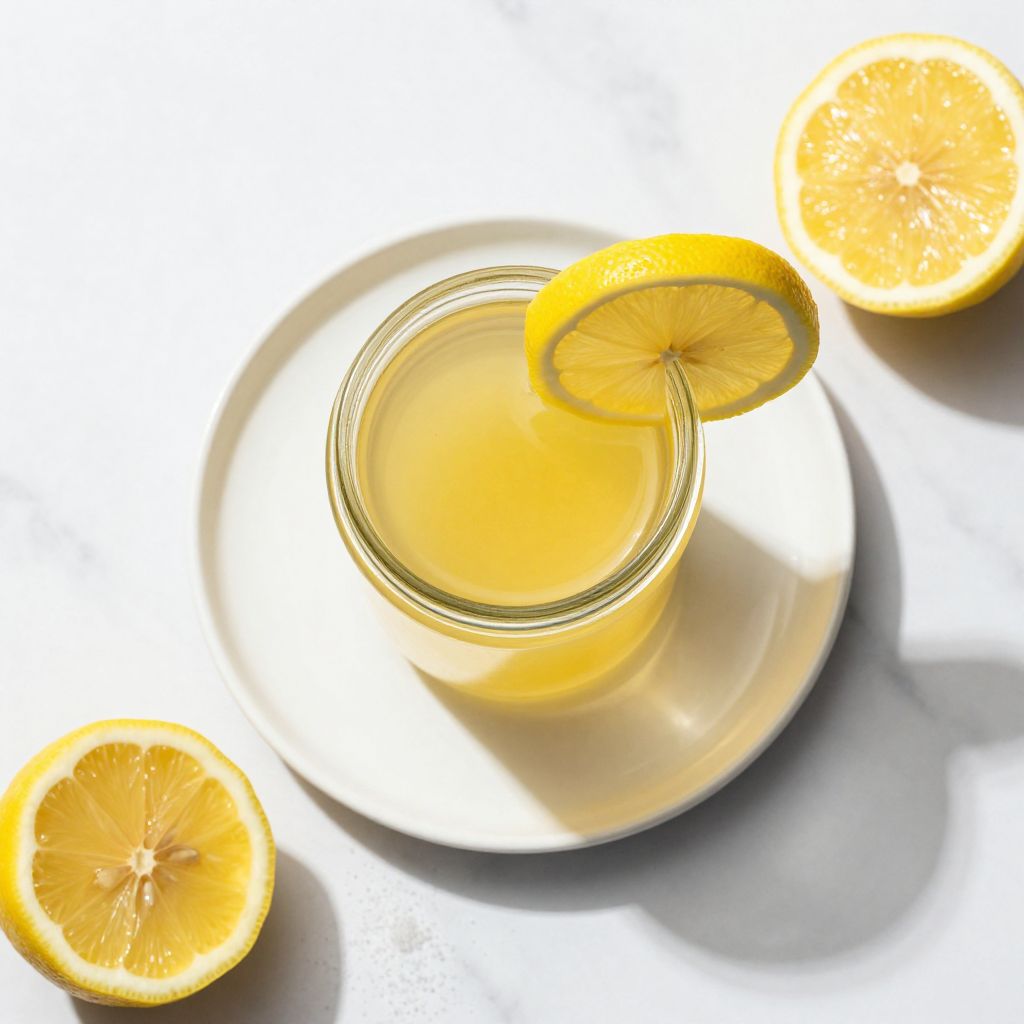
Homemade Lemonade Concentrate
Ingredients
Equipment
Method
- Wash and dry the lemons under cool running water to remove any dirt or wax.
- Roll each lemon on the counter with medium pressure, then cut in half and juice using a citrus juicer or reamer to collect about 2 cups of juice.
- Pour the fresh lemon juice through a fine mesh strainer into a bowl, pressing on pulp to extract juice and discarding seeds and solids.
- Measure the strained juice and pour it into a medium saucepan. Add 2 cups of granulated sugar and 1 cup of water.
- Stir the mixture with a wooden spoon over medium heat until the sugar begins to dissolve, about 2 minutes.
- Bring the mixture to a gentle simmer (do not boil), then add 1/4 teaspoon salt and stir to combine.
- Maintain a gentle simmer for 5 to 10 minutes, stirring occasionally, until the sugar is fully dissolved and the flavors meld.
- Remove the saucepan from heat and let the concentrate cool to room temperature, about 30 minutes.
- Transfer the cooled lemonade concentrate into clean glass jars with tight-fitting lids and refrigerate up to 3 weeks or freeze in ice cube trays for up to 3 months.