
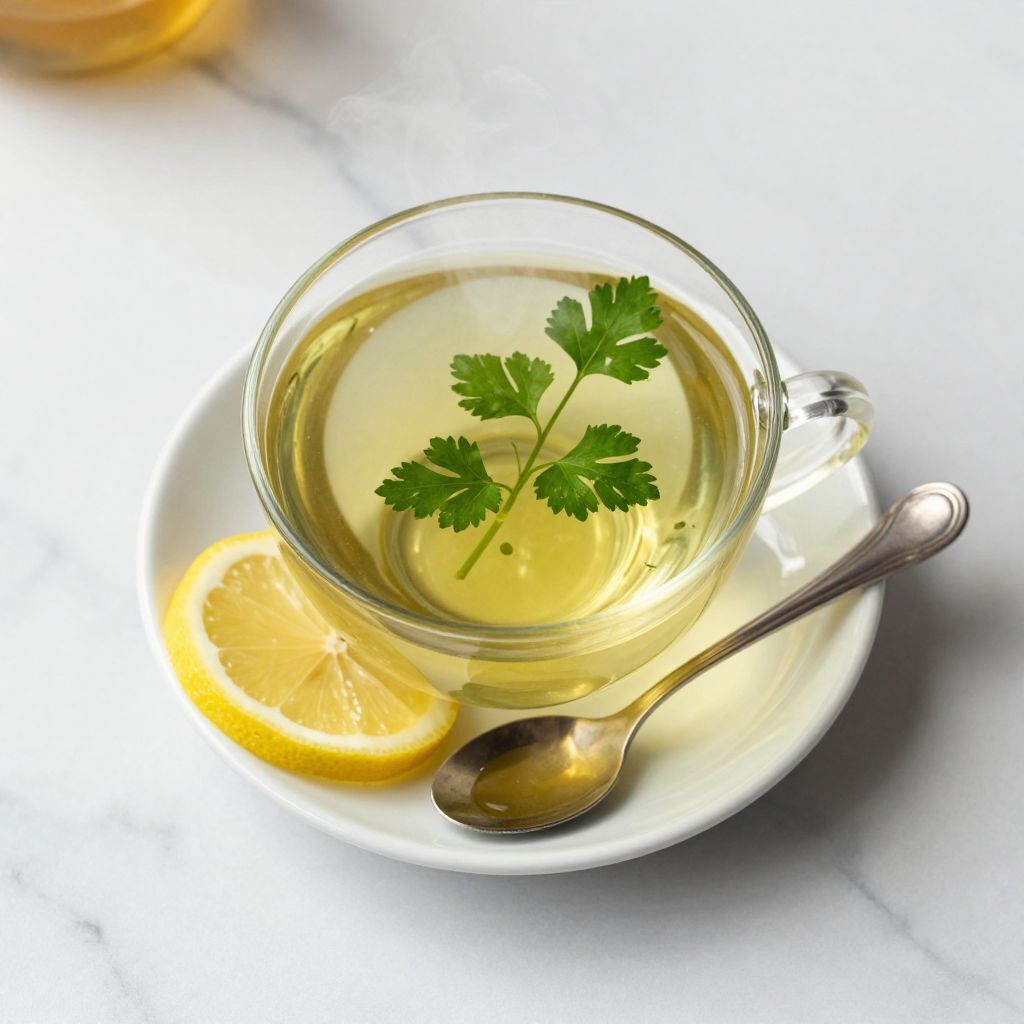
There’s something quietly restorative about sipping a cup of fresh parsley tea on a quiet morning, watching the steam curl up and carrying with it the clean, herbaceous aroma of garden greenery.
Parsley tea is one of those simple remedies that sits at the intersection of everyday cooking and natural wellness, requiring nothing more than hot water and a bunch of fresh herbs you might already have in your kitchen.
This recipe delivers a light, slightly peppery flavor that feels refreshing rather than medicinal, making it a genuine pleasure to drink rather than a chore you force down for health reasons.
Whether you’re looking for a caffeine-free afternoon drink, a digestive support after meals, or simply a way to use up those herbs before they wilt, this guide walks you through everything you need to make perfect parsley tea every single time.
Why You’ll Love This Recipe
This tea checks all the boxes for a drink that fits seamlessly into your routine without demanding much effort or investment.
- Incredibly simple: just four ingredients and five minutes from start to sip
- Uses fresh herbs you likely already have at home or can grab for pocket change at any market
- Naturally caffeine-free, so you can drink it morning, noon, or night without affecting sleep
- Pairs beautifully as a palate cleanser after heavy meals or as a calming ritual before bed
- Budget-friendly and sustainable: one bunch of parsley makes multiple cups
My Experience Making This Recipe
The first time I made parsley tea properly, I was skeptical, honestly. I thought it would taste like chewing on grass clippings steeped in hot water, but I was completely wrong.
When I poured the hot water over the fresh parsley, the kitchen filled with this bright, clean scent that somehow felt both energizing and calming at the same time. The first sip surprised me with how smooth and subtly herbaceous it tasted, nothing bitter or overwhelming.
Now I make it regularly, especially after dinner when I want something warming that won’t keep me up at night. My partner actually started requesting it, which told me everything I needed to know about how good this simple recipe truly is.
Recipe Overview
- Recipe Name: Fresh Parsley Tea
- Servings: 1 to 2 cups
- Prep Time: 3 minutes
- Cook Time: 5 minutes
- Total Time: 8 minutes
- Course: Beverage
- Cuisine: Herbal/International
- Calories per Serving: 5
Equipment You Will Need
- One kettle or small pot
- One teapot or heat-safe mug
- One fine-mesh strainer or tea infuser
- One spoon for stirring
- One cutting board and sharp knife (optional, for chopping)
Ingredients for Parsley Tea
- Fresh flat-leaf parsley: 1/4 cup loosely packed leaves and tender stems
- Filtered water: 1.5 to 2 cups
- Fresh lemon juice: 1/2 teaspoon (optional but recommended)
- Raw honey: 1/2 teaspoon (optional for sweetness)
Ingredient Notes and Substitutions
- Fresh flat-leaf parsley: This is the star of the show, chosen for its brighter flavor compared to curly parsley. If you only have curly parsley on hand, use it without worry; just increase the quantity slightly since it’s less dense and flavor-packed.
- Filtered water: Filtered water prevents mineral buildup and off-flavors that can come from tap water or chlorine. If filtered water isn’t available, regular tap water works perfectly fine in a pinch.
- Fresh lemon juice: Lemon juice brightens the herbaceous notes and adds a subtle tartness that balances the earthy flavor. A thin lemon slice works if you don’t have juice available.
- Raw honey: Honey adds natural sweetness and pairs beautifully with parsley’s clean flavor. Agave nectar or maple syrup offer similar results if you avoid honey for any reason.
How to Make Parsley Tea
Step 1: Wash and Prep Your Parsley
Rinse your fresh parsley under cool running water to remove any dirt or debris clinging to the leaves and stems. Pat it dry gently with a clean kitchen towel, since excess water dilutes the final tea.
Step 2: Roughly Chop the Parsley
Use a sharp knife to chop the parsley into bite-sized pieces, including both the tender leaves and the thinner stems. Chopping increases the surface area exposed to hot water, which allows the herbs to release their flavor more efficiently.
Step 3: Bring Water to a Boil
Pour your filtered water into a kettle and bring it to a rolling boil over high heat. The high temperature is crucial for extracting the parsley’s beneficial compounds and flavor quickly without requiring a long steep time.
Step 4: Add Parsley to Your Teapot or Infuser
Place your chopped parsley directly into a teapot or a fine-mesh infuser basket, depending on what you prefer to use. Using an infuser makes cleanup easier since you avoid loose leaf bits floating in your cup.
Step 5: Pour Hot Water Over the Parsley
Pour the freshly boiled water over the parsley slowly, watching it immediately begin to soften and release its color into the water. Pour all 1.5 to 2 cups of water depending on how strong you prefer your tea to taste.
Step 6: Steep for 5 Minutes
Let the parsley steep undisturbed for exactly five minutes, resisting the urge to stir or squeeze the herbs during this time. Five minutes strikes the perfect balance between extracting full flavor and avoiding any unwanted bitterness that comes from over-steeping.
Step 7: Strain into Your Drinking Cup
After five minutes, carefully pour the tea through a fine-mesh strainer into your preferred mug or cup, catching all the leaf particles. Take your time with this step to avoid splashing and to ensure you capture all the aromatic tea without the herbs.
Step 8: Add Lemon and Honey
Stir in the fresh lemon juice and raw honey if you’re using them, adjusting to your taste preferences. The lemon brightens the flavor noticeably, while the honey adds a smooth sweetness that rounds out the herbaceous notes.
Pro Tip: Don’t throw away the steeped parsley leaves after making tea; compost them or add them to vegetable stock for extra flavor and nutrition.
Tips for the Best Parsley Tea
- Use the freshest parsley you can find, preferably from your garden or a farmers market where it was harvested recently. Wilted or browning parsley produces a weaker, less pleasant tea.
- Experiment with water temperature if your kettle has variable heat settings; some prefer slightly cooler water around 190 to 200 degrees Fahrenheit to avoid extracting any harsh tannins.
- Double the parsley amount if you prefer a stronger, more herbaceous tea with bolder flavor. This allows you to customize the intensity to your personal taste.
- Serve the tea while it’s hot for the fullest flavor, though it’s also lovely chilled over ice on warm days with extra lemon juice.
- Make a larger batch by multiplying the ingredients and storing it in the refrigerator for up to three days, reheating gently when you want a cup.
- Pair parsley tea with a light snack like whole grain toast or fresh fruit to create a simple, nourishing afternoon ritual.
Common Mistakes to Avoid
- Using dried parsley instead of fresh creates a significantly weaker and less flavorful tea. Fresh parsley delivers the bright, clean taste that makes this recipe special.
- Steeping longer than five minutes can introduce bitterness and an overly strong, unpleasant taste that overwhelms rather than refreshes. Stick to the timing for the best result.
- Using water that isn’t hot enough fails to extract the parsley’s full flavor and beneficial compounds effectively. Always use freshly boiled water for maximum flavor extraction.
- Skipping the lemon juice removes the brightness that balances the earthiness of the parsley, leaving the tea tasting flat and one-dimensional. That tartness is essential.
- Packing the parsley too densely into your infuser prevents water from circulating freely, resulting in uneven steeping and weaker flavor overall. Leave some breathing room.
Serving Suggestions
This tea shines in so many different moments and pairings throughout your day, from quiet mornings to busy afternoons. Think of it as a blank canvas that adapts to whatever your day requires.
- Serve after a heavy meal or rich dinner as a gentle digestive aid that feels soothing and light
- Enjoy on a cold evening with a small plate of biscuits or shortbread cookies for a comforting pause
- Pair with fresh berries or a light salad for a complete, nourishing afternoon snack
- Chill it and serve over ice with fresh mint leaves during warm weather months for a refreshing alternative to sugary beverages
- Offer as an after-dinner tea when hosting friends, presented in delicate cups for a sophisticated, wellness-focused touch
Variations to Try
- Parsley and Ginger Tea: Add one thin slice of fresh ginger root to the parsley during steeping for warmth and a subtle spice that complements the herbaceous flavor beautifully.
- Parsley and Mint Blend: Mix equal parts fresh parsley with fresh mint leaves before steeping to create a brighter, more refreshing flavor with cooling properties.
- Parsley and Fennel Tea: Add one teaspoon of fennel seeds to the parsley for a slightly sweet, licorice-tinged flavor that aids digestion even more effectively.
- Golden Milk Parsley Tea: Stir a pinch of turmeric and a tiny splash of coconut milk into the finished tea for an anti-inflammatory twist with earthy warmth.
- Parsley and Chamomile Blend: Combine fresh parsley with dried chamomile flowers in equal amounts for a calming blend that tastes floral and herbaceous at once.
Dietary Adaptations
- Gluten-Free: This recipe is naturally gluten-free as written; parsley contains no gluten whatsoever, making it safe for anyone with celiac disease or gluten sensitivity.
- Dairy-Free: The recipe contains no dairy products, though if you add milk for creaminess, use any non-dairy milk like almond, oat, or coconut milk instead.
- Vegan: Simply skip the honey and use agave nectar or maple syrup instead, keeping the rest of the recipe exactly the same for a completely plant-based beverage.
- Low-Carb and Keto: This tea is extremely low in carbohydrates and fits perfectly into ketogenic eating patterns; skip the honey entirely or use a sugar substitute like stevia if desired.
Storage and Reheating
Refrigerator
Store cooled parsley tea in an airtight glass container in the refrigerator for up to three days. The flavor remains fresh and pleasant, though some of the herbaceous brightness fades slightly over time.
- Keep in the back of the fridge where it’s coldest for longest preservation
- Store away from strong-smelling foods like onions or fish that can transfer odors
Freezer
Parsley tea freezes well for up to one month, though the texture changes slightly upon thawing. Pour cooled tea into ice cube trays for convenient single-serving portions.
- Freeze in portions so you can thaw just what you need
- Transfer frozen cubes to a freezer bag after they’re solid to save space
Reheating
Gently reheat refrigerated or thawed parsley tea on the stovetop over low heat until steaming, stirring occasionally to ensure even warming. Avoid using a microwave, which can create hot spots and degrade some of the beneficial compounds in the tea.
- Heat slowly to avoid overheating and damaging delicate flavors
- Add fresh lemon juice after reheating to restore brightness that fades during storage
Nutrition Information
| Nutrient | Amount |
|---|---|
| Calories | 5 |
| Total Fat | 0g |
| Saturated Fat | 0g |
| Carbohydrates | 1g |
| Fiber | 0g |
| Sugar | 0g |
| Protein | 0g |
| Sodium | 15mg |
| Cholesterol | 0mg |
These values represent the tea without added honey or lemon juice; adding either ingredient will increase calories and carbohydrates slightly. This is an extremely low-calorie beverage that fits into virtually any dietary plan.
Frequently Asked Questions
Can I use dried parsley for this recipe?
Dried parsley produces a much weaker tea that tastes dusty and flat compared to fresh parsley. Stick with fresh herbs whenever possible for the best flavor and maximum benefit.
How long can I store fresh parsley before using it for tea?
Fresh parsley stays vibrant for about five to seven days when stored in a damp paper towel inside a plastic bag in the vegetable drawer. Use it as soon as possible for the strongest, brightest flavor.
Is parsley tea safe to drink every day?
Yes, parsley tea is safe for daily consumption in normal amounts, though some people with kidney issues should consult their doctor first. Pregnant women should also check with their healthcare provider before making it a daily habit.
Why does my parsley tea taste bitter?
Bitterness usually comes from steeping too long or using water that’s too hot or stayed hot for too long. Stick to exactly five minutes of steeping and use freshly boiled water that you pour immediately over the parsley.
Can I make parsley tea with frozen parsley?
Frozen parsley works in a pinch, though the leaves break down more easily and may require shorter steeping time. For the best results, use fresh parsley from the refrigerator or garden when possible.
What’s the difference between flat-leaf and curly parsley for tea?
Flat-leaf parsley has a brighter, more herbaceous flavor that shines in tea, while curly parsley tastes slightly more muted and requires more volume for the same flavor intensity. Both work, but flat-leaf is the superior choice for this recipe.
Final Thoughts
Making parsley tea is one of those small kitchen skills that delivers outsized satisfaction for almost no effort. You end up with a genuinely delicious, nourishing beverage that costs pennies to make and takes less than ten minutes from start to sip.
Try this recipe this week and notice how it fits naturally into your routine, becoming the quiet ritual you didn’t know you needed. Once you taste how good it truly is, you’ll find yourself reaching for fresh parsley not just for cooking but for this simple, restorative cup of tea.
Explore More Herbal Tea Recipes
If you enjoyed making this simple parsley tea, you’ll love exploring other herbal infusions that bring similar wellness and flavor to your daily routine.
Discover how to make lymphatic drainage tea recipe for a more specialized wellness focus, or try the refreshing brightness of peppermint tea recipe for a completely different flavor profile. Both offer the same simplicity and satisfaction you found in parsley tea, just with their own unique benefits and taste characteristics.
Fresh Parsley Tea
Ingredients
Equipment
Method
- Rinse the parsley under cool running water, then pat dry with a clean kitchen towel.
- Roughly chop the parsley into bite-sized pieces, including tender leaves and thin stems.
- Bring 1.5 to 2 cups of filtered water to a rolling boil in a kettle or small pot.
- Place the chopped parsley into a teapot or fine-mesh infuser basket.
- Pour the boiling water over the parsley in the teapot or infuser.
- Let the parsley steep undisturbed for 5 minutes.
- Strain the tea into a cup using a fine-mesh strainer, catching all leaf particles.
- Stir in 1/2 teaspoon fresh lemon juice and 1/2 teaspoon raw honey, if using.