
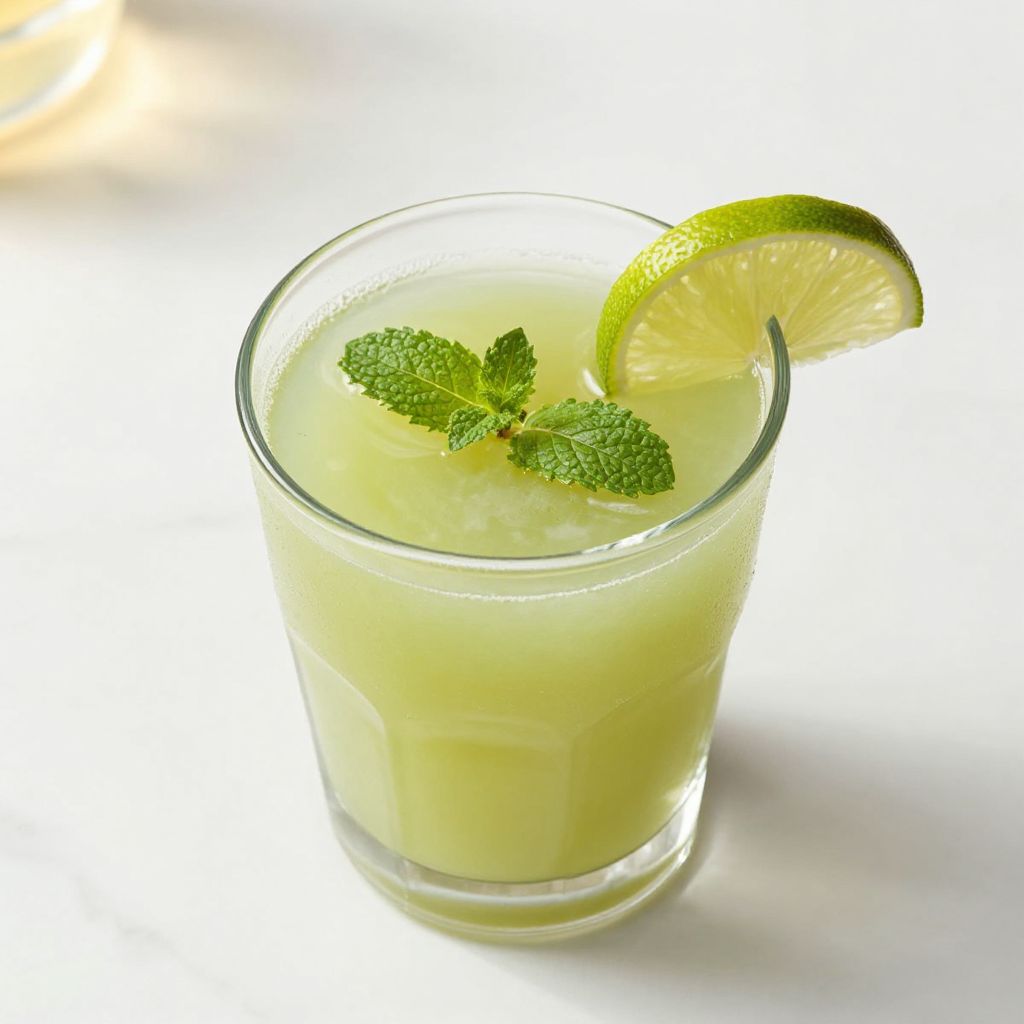
Picture yourself on a warm afternoon, holding a glass of silky, pale-green tea that tastes like tropical fruit meets creamy vanilla, with just enough tartness to make your taste buds wake up.
Soursop tea is one of those drinks that feels fancy but takes barely thirty minutes to make, and it delivers serious tropical flavor without any fuss. The fruit’s naturally sweet and slightly tangy profile needs just a touch of honey and a squeeze of lime to shine, making this an ideal pick for anyone curious about lesser-known fruits or looking for a caffeine-free pick-me-up that actually tastes exciting.
Why You’ll Love This Recipe
This tea combines simplicity with impressive flavor, delivering a creamy, naturally sweet beverage that feels like a mini vacation in a cup.
- No brewing required—just steep fresh soursop pulp and you’re done
- Naturally caffeine-free, so you can enjoy it any time of day
- Packed with vitamin C and antioxidants your body actually needs
- Naturally sweet with a custard-like creaminess that feels indulgent
- Works hot or cold, making it adaptable to any season
My Experience Making This Recipe
The first time I made soursop tea, I had no idea what to expect because I’d only eaten the fruit itself before. I scooped out the pulp, mixed it with hot water, and within seconds the water turned this gorgeous pale green color that made me think I’d done something wrong.
It tasted nothing like I expected, and I mean that in the absolute best way possible. The creaminess caught me off guard, almost like the tea was whispering that it belonged in a luxury spa rather than my kitchen.
My partner took one sip and asked if I could make it again the next day, which is basically the highest compliment a home cook can get. Now I make a batch every weekend, and it’s become my go-to when I want something refreshing that doesn’t require complicated technique or expensive ingredients.
Recipe Overview
- Recipe Name: Soursop Tea
- Servings: 4
- Prep Time: 10 minutes
- Cook Time: 15 minutes
- Total Time: 25 minutes
- Course: Beverage
- Cuisine: Caribbean
- Calories per Serving: 85
Equipment You Will Need
- Medium saucepan
- Fine-mesh strainer
- Wooden spoon
- Measuring cups and spoons
- Knife and cutting board
- Pitcher or serving glasses
- Whisk (optional, for mixing)
Ingredients for Soursop Tea
- 2 cups fresh soursop pulp (about 2 medium fruits)
- 4 cups filtered water
- 3 tablespoons raw honey (or to taste)
- 1/2 lime, juiced
- Pinch of sea salt
- 4 to 6 fresh mint leaves (optional garnish)
Ingredient Notes and Substitutions
- Soursop pulp: This fruit’s creamy texture and mild flavor form the entire backbone of the tea. If fresh soursop is unavailable, frozen soursop pulp works just as well and often costs less; thaw it completely before using.
- Honey: Raw honey preserves more enzymes and flavor complexity than processed honey. Maple syrup or coconut sugar deliver similar sweetness with slightly different undertones if you prefer.
- Lime juice: Fresh lime cuts through the richness and adds brightness. Lemon works as a substitute but shifts the flavor toward citrus rather than tropical.
- Water: Filtered water prevents mineral interference with the delicate fruit flavor. Spring water is the next best choice.
- Mint: Optional but recommended, mint adds a cooling element that balances the fruit’s richness. Basil offers an unexpected herbal spin if you want to experiment.
How to Make Soursop Tea
Step 1: Select and Prepare Your Soursop
Choose a soursop that yields slightly to gentle pressure, meaning it’s ripe but not mushy. Cut it in half and scoop out the white pulp with a spoon, discarding the large black seeds and the bumpy green skin.
Step 2: Measure and Transfer the Pulp
You need about two cups of pulp for this recipe, so aim for two medium fruits or one very large one. Place the pulp in a bowl and use a fork to break it up slightly, which helps it blend smoothly with the water.
Step 3: Heat Your Water
Pour four cups of filtered water into your saucepan and bring it to a gentle boil over medium-high heat. Hot water (not boiling) is ideal here, so once steam rises, reduce the heat slightly to keep it at around 180 to 190 degrees Fahrenheit.
Step 4: Combine Soursop and Water
Add the soursop pulp directly to the hot water and stir well with a wooden spoon, breaking up any remaining lumps. The water will turn a pale green or cream color within about thirty seconds as the fruit dissolves, which is exactly what you want.
Step 5: Steep the Mixture
Let the soursop and water sit together for about eight to ten minutes without covering the pot. This steeping time allows the fruit’s subtle flavors and creamy texture to fully infuse into the water.
Step 6: Strain Out Solids
Place a fine-mesh strainer over a pitcher and carefully pour the mixture through it, pressing gently on any remaining pulp with the back of your spoon. This gives you a smooth, silky tea without gritty texture, and takes only about two minutes.
Step 7: Sweeten and Season
Add the raw honey while the tea is still hot so it dissolves completely. Squeeze in the lime juice and add a tiny pinch of sea salt, which sounds odd but brings out the fruit’s natural sweetness without making the tea taste salty.
Step 8: Taste and Adjust
Take a small sip and decide if you want more honey, lime, or salt. Personal preference varies wildly, so trust your palate and make it exactly how you like it.
Step 9: Serve and Enjoy
Pour the tea into glasses while it’s still warm, add a couple of fresh mint leaves if you have them, and serve immediately. If you prefer it cold, let it cool to room temperature, then chill in the refrigerator for at least one hour before serving over ice.
Pro Tip: Make a larger batch and store it in the fridge for up to three days, allowing the flavors to meld even more and giving you refreshing tea on demand throughout the week.
Tips for the Best Soursop Tea
- Use the ripest soursop you can find, as underripe fruit tastes bland and missing that creamy quality that makes this tea special.
- Don’t skip the sea salt even though it seems counterintuitive, because it amplifies the fruit’s natural sweetness and makes the flavor pop.
- Brew at a lower temperature if possible, since very hot water can reduce some of the delicate aromatic compounds in the fruit.
- Freshly squeeze your lime juice rather than using bottled, as the oils in fresh juice taste noticeably brighter and more complex.
- Strain twice if the tea comes out gritty, using a cheesecloth-lined strainer the second time for ultra-smooth texture.
- Taste as you go because honey preferences vary wildly, and you can always add more sweetness but you cannot remove it.
Common Mistakes to Avoid
- Using unripe soursop results in a thin, nearly flavorless tea that tastes more like weak juice than a proper beverage, so ripeness really matters here.
- Boiling the fruit aggressively breaks down delicate flavors and can make the tea taste slightly bitter, so gentle heat is crucial.
- Forgetting to strain properly leaves you with a grainy texture that feels unpleasant on your tongue and undermines the luxurious mouthfeel.
- Adding honey to cold tea leaves lumps that won’t dissolve, so always sweeten while the liquid is hot.
- Using bottled lime juice instead of fresh creates a flat, chemical-tasting result that doesn’t have the brightness the recipe needs.
Serving Suggestions
Soursop tea shines on its own, but you can elevate it with simple pairings that complement its creamy, tropical nature.
- Pair with light coconut biscuits or shortbread cookies for an afternoon tea experience
- Serve alongside fresh tropical fruit like mango, papaya, or pineapple for a fruit-forward spread
- Enjoy with a slice of vanilla cake or coconut cake for a dessert-adjacent moment
- Combine with a light sandwich on whole grain bread for a balanced lunch beverage
- Offer at brunch alongside fresh pastries and fresh-squeezed juice
Variations to Try
- Soursop Iced Tea: Chill the prepared tea completely and serve over crushed ice with a splash of sparkling water for a lighter, more refreshing version that feels perfect for hot afternoons.
- Soursop Smoothie Tea: Blend the strained tea with half a frozen banana and a splash of coconut milk to create a creamier, more substantial drink that works as a light breakfast.
- Spiced Soursop Tea: Add a small pinch of ground ginger, cinnamon, or cardamom during steeping to introduce warm spice notes that deepen the tea’s complexity.
- Soursop Coconut Tea: Replace half the water with full-fat coconut milk for an even richer, more luxurious beverage that tastes like a tropical resort in a cup.
- Soursop Hibiscus Blend: Steep a small handful of dried hibiscus flowers with the soursop pulp to add tartness and a beautiful pink-red hue that looks striking in a glass.
Dietary Adaptations
- Gluten-free: This recipe is naturally gluten-free and requires no modifications.
- Dairy-free: The recipe contains no dairy, making it suitable for anyone avoiding milk products.
- Vegan: Use maple syrup or agave nectar instead of honey to keep the recipe completely plant-based.
- Low-sugar: Swap honey for stevia or monk fruit sweetener, though you’ll lose some of the honey’s depth and complexity in exchange for fewer calories.
Storage and Reheating
Refrigerator
Store soursop tea in an airtight pitcher or container for up to three days. The flavors meld and deepen slightly as it sits, making day-two tea often taste better than day-one.
- Keep it in the coldest part of your fridge, away from strong-smelling foods
- Give it a gentle stir before serving, as settling may occur
Freezer
Soursop tea freezes well for up to one month in an airtight freezer-safe container, though the texture becomes slightly icy when thawed. Freeze in ice cube trays for convenient single servings.
- Leave a half-inch of headspace in the container to prevent cracks from expansion
- Thaw in the refrigerator overnight rather than at room temperature
Reheating
Reheat cold soursop tea gently on the stovetop over low heat or in the microwave in thirty-second bursts until warm. Avoid boiling, as high heat can flatten the delicate flavor profile you worked to create.
- Stir occasionally to ensure even heating
- Taste and adjust sweetness after reheating if needed
Nutrition Information
| Nutrient | Amount |
|---|---|
| Calories | 85 kcal |
| Total Fat | 0.5 g |
| Saturated Fat | 0.1 g |
| Carbohydrates | 21 g |
| Fiber | 1.5 g |
| Sugar | 16 g |
| Protein | 1 g |
| Sodium | 15 mg |
| Cholesterol | 0 mg |
These values are estimates based on standard USDA nutritional data for soursop fruit and honey, and may vary depending on the exact ripeness and variety of your fruit.
Frequently Asked Questions
Can I use frozen soursop pulp instead of fresh?
Absolutely, and you might actually prefer it since it’s often cheaper and available year-round. Thaw it completely in the refrigerator before using, and the tea will taste virtually identical to the fresh version.
How do I know when soursop is ripe enough to use?
Look for a fruit that yields gently to thumb pressure but isn’t mushy or soft all over. The skin should be mostly green without large dark spots, and the fruit should have a light fragrance when held near your nose.
Can I make this tea with soursop juice instead of pulp?
Yes, but use about three-quarters cup of juice instead of two cups of pulp, and reduce the water slightly to maintain proper flavor balance. The result will be thinner and less creamy, so pulp is preferable for the best texture.
Is soursop tea safe to drink every day?
In normal amounts, soursop tea is safe for most people, though you should check with your doctor if you’re pregnant, nursing, or taking medications. Some research suggests soursop may interact with certain blood pressure medications, so moderation and medical consultation are wise.
Why does my tea look brown instead of pale green?
This usually means you used water that was too hot or you steeped it too long, which can oxidize the fruit and darken the color. It will still taste fine, but the visual appeal suffers slightly.
Can I add other fruits to soursop tea?
Yes, mango, passion fruit, or guava pair beautifully with soursop and won’t overpower its delicate flavor. Add about half a cup of additional fruit pulp or juice and reduce the soursop slightly to maintain balance.
Final Thoughts
Soursop tea deserves a spot in your regular drink rotation because it delivers tropical luxury without fussiness, and tastes like something you’d pay premium prices for at a health cafe. Making it at home costs a fraction of what you’d spend buying it, and you control exactly how sweet and how strong you want it.
Try this recipe this weekend and notice how the tea’s silky texture and custard-like sweetness can transport you somewhere warmer and slower than wherever you are right now. Once you’ve made it once, you’ll understand why it’s been a staple in Caribbean kitchens for generations, and you’ll probably want to make it again the very next day.
If you enjoyed exploring tropical flavors, you might also like learning how to brew chaga tea recipe for an earthy alternative, or discovering the refreshing qualities of peppermint tea recipe for something completely different. Both offer unique wellness benefits and taste profiles worth exploring.
Soursop Tea
Ingredients
Equipment
Method
- Select a ripe soursop that yields to gentle pressure, cut it in half, and scoop out 2 cups of white pulp, discarding seeds and skin.
- Place the soursop pulp in a bowl and break it up with a fork to ensure it blends smoothly.
- Pour 4 cups of filtered water into a medium saucepan and heat over medium-high heat until steaming at about 180 to 190°F.
- Add the prepared soursop pulp to the hot water and stir with a wooden spoon until the mixture turns pale green.
- Let the mixture steep, uncovered, for 8 to 10 minutes to allow flavors to infuse.
- Place a fine-mesh strainer over a pitcher and pour the tea through it, pressing gently on the pulp to extract all liquid (about 2 minutes).
- While the tea is still hot, stir in 3 tablespoons raw honey, the juice of 1/2 lime, and a pinch of sea salt.
- Taste the tea and adjust sweetness, lime, or salt to your preference.
- Serve warm in glasses with fresh mint leaves or chill in the refrigerator for at least 1 hour and serve over ice for iced tea.