
There’s something magical about the moment when honey and apple cider come together to create cyser, a drink that tastes like autumn decided to ferment itself into pure liquid gold. If you’ve ever wondered what happens when mead meets cider, cyser is your answer, and it’s far easier to make than you might think.
This ancient fermented beverage combines the floral sweetness of honey with the crisp complexity of apple cider, creating something that’s neither fully mead nor fully cider but somehow better than both. The result is a smooth, subtly sweet drink with incredible depth that improves with age and impresses everyone who tries it.
Why You’ll Love This Recipe
Cyser strikes that perfect balance between approachable and impressive, making it ideal for anyone curious about fermentation without needing years of experience.
- Simple ingredient list with just three main components
- Fermentation takes care of itself, requiring minimal daily effort
- The flavor profile is naturally complex and drinks smoothly
- It’s a conversation starter that tastes like you spent months perfecting it
- You end up with a bottle of something you literally cannot buy in stores
My Experience Making This Recipe
I started making cyser on a whim during my first fall with a home fermentation kit, expecting disaster and getting something genuinely delicious instead. The bubbling airlock became my kitchen’s heartbeat for weeks, and the transformation from sweet liquid to balanced, sophisticated drink felt like real alchemy.
My first batch earned the highest compliment I could get: my skeptical spouse asked for a second glass. Friends assumed I’d bought an expensive craft beverage, and I let them believe that for exactly long enough before revealing I’d made it in a glass carboy on my kitchen counter.
The best part? Watching cyser develop over months taught me patience in fermentation and confidence in trusting the process. Each bottle tasted slightly different depending on when I opened it, which meant I was constantly discovering new flavors in my own creation.
Recipe Overview
- Recipe Name: Cyser (Honey and Apple Cider Mead)
- Servings: 10 to 12 servings
- Prep Time: 15 minutes
- Fermentation Time: 4 to 6 weeks primary fermentation, plus aging
- Total Time: 2 to 3 months minimum before drinking
- Course: Beverage
- Cuisine: Medieval English, Fermented
- Calories per Serving: 95 to 110 calories
Equipment You Will Need
- 1-gallon glass carboy or fermentation vessel
- Airlock and rubber stopper to fit your carboy
- Large stainless steel pot for heating
- Long-handled spoon for stirring
- Sanitizing solution (Star San or similar)
- Hydrometer for measuring specific gravity (optional but helpful)
- Siphon tubing for racking
- Clean bottles with caps or corks for storage
- Thermometer for monitoring temperature
- Funnel for transferring liquid
Ingredients for Cyser
- Raw honey: 2.5 to 3 pounds
- Fresh apple cider: 1 gallon (unpasteurized if possible)
- Wine yeast: 1 package dry yeast (Lalvin 71B or Champagne yeast work well)
- Water: 1/2 cup for yeast activation
- Yeast nutrient (optional): 1 teaspoon
- Pectic enzyme (optional): 1/2 teaspoon for clarity
Ingredient Notes and Substitutions
- Raw Honey: Raw honey brings floral notes and live enzymes that enhance flavor complexity; pasteurized honey works but produces a cleaner, less nuanced result that some prefer.
- Apple Cider: Fresh, unpasteurized cider ferments faster and develops more interesting flavors; pasteurized cider still works but may ferment slower and taste flatter.
- Wine Yeast: Lalvin 71B adds tropical notes while Champagne yeast ferments clean and dry; bread yeast produces off-flavors and should be avoided entirely.
- Yeast Nutrient: Nutrient helps yeast stay healthy and complete fermentation fully; without it, fermentation may stall or produce sulfur smells that eventually fade.
- Pectic Enzyme: Enzyme breaks down fruit solids and improves clarity over time; skip it if you don’t mind slightly hazier cyser that tastes identical.
How to Make Cyser
Step 1: Sanitize All Equipment
Sanitize your carboy, airlock, rubber stopper, spoon, and any tools that will touch your cyser using Star San or another no-rinse sanitizer. Fermentation is a race between your yeast and wild microorganisms, and starting with clean equipment tips the odds heavily in your favor.
Step 2: Prepare Your Yeast
Heat 1/2 cup of water to 100 to 110 degrees Fahrenheit, then sprinkle your yeast into the warm water and let it sit for 10 minutes without stirring. This rehydration process wakes up the yeast and ensures robust fermentation that begins quickly and stays strong throughout.
Step 3: Heat the Cider and Honey
Pour your gallon of apple cider into a large pot and warm it to 65 to 75 degrees Fahrenheit, then slowly stir in your honey until fully dissolved. Gentle heating prevents oxidation and helps honey integrate smoothly without killing the delicate aromatics in fresh cider.
Step 4: Add Optional Ingredients
Stir in yeast nutrient and pectic enzyme if using, mixing thoroughly to distribute them evenly throughout the liquid. These additions support fermentation health and final clarity without changing the essential flavor profile.
Step 5: Transfer to Carboy
Pour the honey-cider mixture into your sanitized carboy using a funnel, filling it to within 2 inches of the top. This headspace prevents overflow during active fermentation when yeast produces vigorous foam and carbon dioxide.
Step 6: Pitch the Yeast
Pour your rehydrated yeast into the carboy, give everything a gentle stir with your sanitized spoon for about one minute, then fit the rubber stopper and airlock into place. Pitching yeast means adding it to your fermentation vessel, and stirring at this stage ensures even yeast distribution and strong fermentation onset.
Step 7: Monitor Fermentation
Place your carboy somewhere cool and dark, ideally between 65 and 75 degrees Fahrenheit, and watch the airlock bubble as fermentation begins. You should see active bubbling within 12 to 24 hours, with fermentation peaking around day 3 to 5, then gradually slowing over 4 to 6 weeks.
Step 8: Rack Your Cyser
After fermentation slows dramatically (usually around week 4 to 6), siphon your cyser into a clean carboy, leaving behind the layer of yeast sediment on the bottom. Racking removes dead yeast cells that can create off-flavors if left too long in contact with the finished liquid.
Step 9: Age and Clarify
Return your racked cyser to its carboy with a fresh airlock and let it sit in cool darkness for at least 4 to 8 weeks longer to clarify and mellow. Aging allows harsh alcoholic notes to integrate smoothly and allows any remaining particles to settle.
Step 10: Bottle and Store
Once your cyser is clear and tastes balanced, siphon it into clean bottles and cap or cork them tightly for storage in a cool, dark place. Cyser can age for years and actually improves with time, developing deeper complexity and smoother integration.
Pro Tip: Keep your cyser between 60 and 70 degrees Fahrenheit throughout fermentation and aging, and avoid direct sunlight, which breaks down color and flavor compounds over time.
Tips for the Best Cyser
- Use a thermometer throughout fermentation, as temperature swings above 80 degrees can produce funky off-flavors while temps below 60 degrees slow or stall fermentation completely.
- Resist the urge to open your carboy and smell it frequently, since exposure to oxygen and external air can introduce unwanted bacteria and oxidation.
- Keep detailed notes on your batch, recording honey type, cider brand, fermentation dates, and flavor observations so you can replicate successes and troubleshoot failures.
- If fermentation stalls before reaching dryness, gently stir the carboy or carefully increase temperature to 70 degrees to wake up sluggish yeast.
- Sample your cyser monthly during aging to understand how it develops, giving you confidence in the process and letting you know when it reaches peak drinking quality.
- Consider making a 5-gallon batch once you nail the 1-gallon recipe, since fermentation behaves identically but gives you more finished product to share and enjoy.
Common Mistakes to Avoid
- Boiling the cider or honey: High heat drives off delicate apple and floral aromatics that define great cyser, so heat gently and skip boiling entirely.
- Using pasteurized cider only: Pasteurization kills wild yeast and some flavor compounds, so fresh or frozen cider produces superior results with more complexity.
- Fermenting too warm: Temperatures above 80 degrees accelerate fermentation but produce harsh, solvent-like flavors that never fully integrate even with aging.
- Neglecting sanitation: One contaminating bacterium colony can spoil an entire batch, so sanitize everything and never skip this critical step.
- Racking too early: Moving cyser off its yeast before fermentation completes interrupts the process, so wait until bubbling slows dramatically before racking.
Serving Suggestions
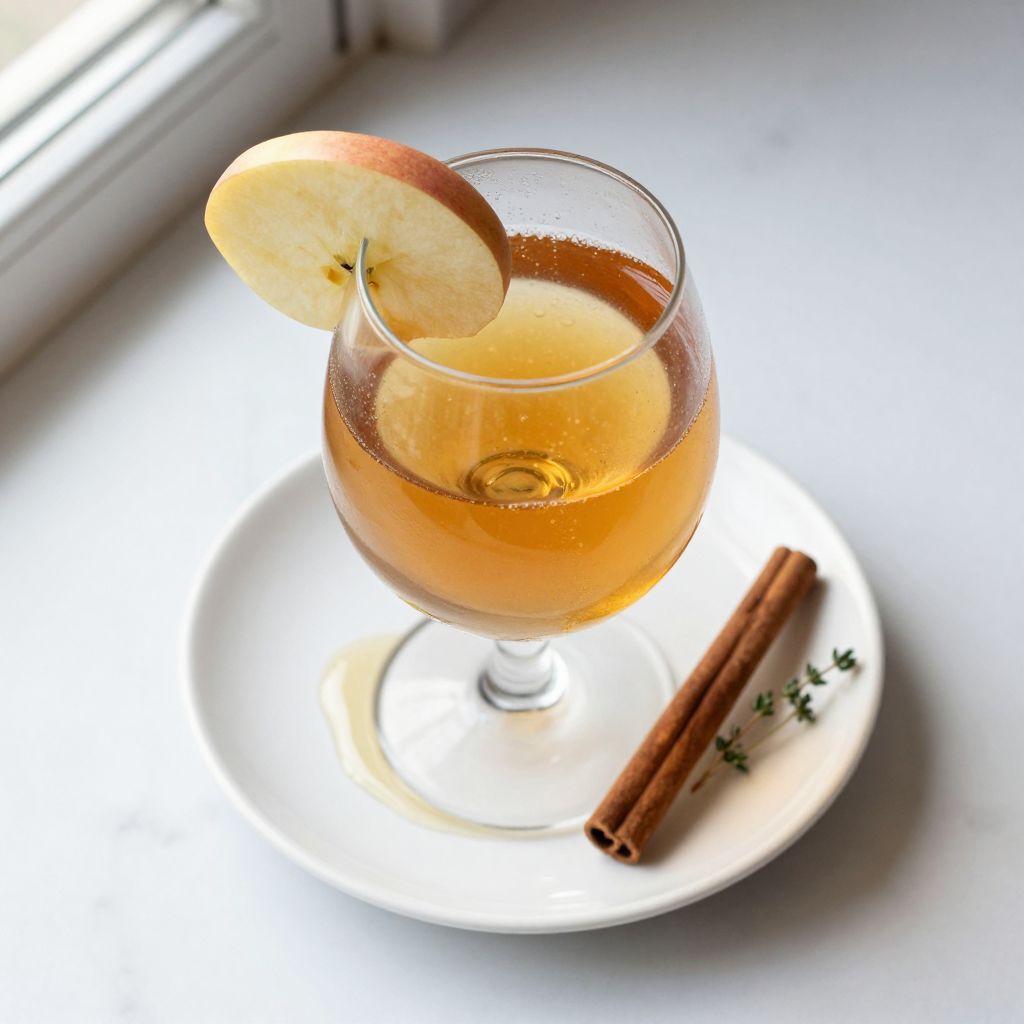
Cyser shines served cold in wine glasses, allowing you to appreciate its subtle aromatics and honey notes that warm spirits tend to mute. This versatile fermented drink pairs beautifully with autumn meals, cheese boards, and desserts.
- Serve chilled at 45 to 50 degrees Fahrenheit alongside aged cheddar and apple slices for a sophisticated afternoon pairing
- Pair with roasted pork or duck to let cyser’s acidity cut through richness while its honey sweetness complements savory depth
- Enjoy as a dessert beverage with apple pie or spiced cake, where its natural sweetness bridges the meal and dessert courses
- Warm gently (never boil) and serve as a cozy evening sipper, optionally with a cinnamon stick for subtle spice
- Mix into cocktails as a base spirit alongside brandy or whiskey for drinks with unexpected floral and orchard complexity
Variations to Try
- Spiced Cyser: Add a cinnamon stick, 3 whole cloves, and a slice of fresh ginger to your cyser during the last week of primary fermentation for warm spice notes that complement autumn flavors.
- Perry Cyser: Substitute 1/2 gallon of pear juice or perry cider for half your apple cider to create a more delicate, pear-forward version with floral complexity.
- Dry Cyser: Use less honey (2 pounds instead of 2.5 to 3) and Champagne yeast to produce a crisper, less sweet version that drinks like a dry apple wine.
- Fruit Cyser: Add one pound of additional fruit like blackberries, cranberries, or stone fruit during the last week of fermentation for deeper color and expanded flavor range.
- Herbal Cyser: Include dried herbs like chamomile, elderflower, or hibiscus during the last two weeks of fermentation to add botanical complexity and visual appeal.
Dietary Adaptations
- Gluten-Free: Cyser is naturally gluten-free since it contains no grains, though you should verify your yeast package hasn’t been processed in a facility handling gluten products.
- Vegan: Standard cyser is already vegan, containing only honey, cider, water, and yeast with no animal products, making it suitable for strict plant-based diets.
- Low-Sugar: Cyser ferments most of its sugar into alcohol, resulting in a naturally low-sugar beverage with only 2 to 4 grams of residual sugar per serving.
- Low-Alcohol: Stop fermentation early by bottling at higher gravity, or dilute finished cyser with sparkling water to reduce alcohol content from typical 10 to 12 percent down to 5 to 7 percent.
Storage and Reheating
Refrigerator
Store finished cyser bottles in the refrigerator for up to 2 years, where cold temperatures slow oxidation and preserve delicate flavors. The liquid stays fresh and carbonated if you’ve capped bottles tightly.
- Keep bottles upright and away from light to prevent flavor degradation
- Expect a slight sediment layer at the bottom of older bottles, which is harmless yeast
Freezer
Freezing cyser is not recommended since alcohol doesn’t freeze solid at home freezer temperatures and the expansion can crack bottles. If you want to preserve cyser long-term, the refrigerator remains your best option.
- Cyser keeps indefinitely in cool, dark storage without freezing
- Older cyser actually improves in flavor and smoothness over years
Reheating
Avoid heating cyser above 120 degrees Fahrenheit, as high heat damages delicate flavors and burns off some alcohol and aromatics. Gentle warming enhances comfort without compromising quality.
- Warm cyser slowly over low heat or by setting your bottle in warm water
- Add spices or sweetener after warming if desired, customizing your serving experience
Nutrition Information
| Nutrient | Amount |
|---|---|
| Calories | 95 to 110 |
| Total Fat | 0 grams |
| Saturated Fat | 0 grams |
| Carbohydrates | 3 to 5 grams |
| Fiber | 0 grams |
| Sugar | 2 to 4 grams |
| Protein | 0 grams |
| Sodium | 15 to 20 milligrams |
| Cholesterol | 0 milligrams |
Cyser provides fermented probiotics from live yeast cultures, though most yeast settles during fermentation and clarification. Nutritional values vary based on honey type, cider variety, and final fermentation duration.
Frequently Asked Questions
Can I use honey that has crystallized?
Crystallized honey works perfectly in cyser and actually dissolves easily when gently warmed with the cider. Crystallization doesn’t affect fermentation or final flavor at all.
What if my fermentation stalls and the airlock stops bubbling?
Stalled fermentation usually means yeast got cold, bored, or nutrient-starved, so gently stir your carboy and increase temperature to 70 degrees to restart the process. If that fails after a few days, add more yeast nutrient or pitch fresh yeast rehydrated in warm water.
How long until cyser is ready to drink?
You can taste cyser after 2 to 3 months, but it genuinely improves for 6 to 12 months as harsh notes integrate and flavors mellow. Many people find cyser hits its peak quality around 6 to 9 months of total aging.
Why does my cyser taste like rotten eggs or cabbage?
Sulfur smells indicate stressed yeast or overly warm fermentation and will fade completely within weeks as cyser ages in cool darkness. Avoid tasting again for at least a month, then revisit with patience rather than panic.
Can I add more honey or fruit after fermentation starts?
Adding honey mid-fermentation will restart the fermentation process but risk introducing new wild microorganisms, so wait until the final racking to add fruit or secondary fermentation ingredients. This staged approach keeps primary fermentation strong and focused.
Is cyser the same as fruit wine or apple wine?
Cyser is distinctly different from apple wine because it uses honey as its primary fermentable sugar source, creating honey-forward flavor complexity that pure apple wine cannot match. Apple wine relies entirely on apple sugars, while cyser blends both honey and apple into a unified beverage.
Final Thoughts
Making cyser transforms you from a beverage consumer into a beverage creator, and there’s real magic in watching simple ingredients become something complex and delicious through fermentation. This recipe works whether you’re a curious beginner or someone already experienced with homebrewing.
Your first batch of cyser will teach you more about fermentation than any article could, so stop reading, gather your ingredients, and start brewing. In three months, you’ll open a bottle of liquid that you made with your own hands, and that experience beats any store-bought product.
Looking to expand your fermentation adventures? Explore boozy butterbeer recipe for another creative fermented drink, or discover fruit moonshine mash recipe for stronger spirits that complement your cyser journey.
Cyser (Honey and Apple Cider Mead)
Ingredients
Equipment
Method
- Sanitize all equipment using a no-rinse sanitizer such as Star San.
- Heat 1/2 cup of water to 100 to 110°F, sprinkle in the yeast, and let rest for 10 minutes to rehydrate.
- Warm 1 gallon of apple cider to 65 to 75°F, then stir in 2.5 to 3 pounds of raw honey until fully dissolved.
- Add 1 teaspoon yeast nutrient and 1/2 teaspoon pectic enzyme (if using) and mix thoroughly.
- Transfer the honey–cider mixture into a sanitized 1-gallon glass carboy, leaving 2 inches of headspace.
- Pitch the rehydrated yeast into the carboy, stir gently for 1 minute, then fit with a rubber stopper and airlock.
- Ferment in a cool, dark place at 65 to 75°F for 4 to 6 weeks, monitoring the airlock until bubbling slows.
- Rack the cyser into a clean carboy, leaving sediment behind, then refit the airlock.
- Age in a cool, dark place at 60 to 70°F for 4 to 8 weeks until clear and mellow.
- Bottle the cyser into clean bottles, cap or cork tightly, and store in a cool, dark place for further aging.