
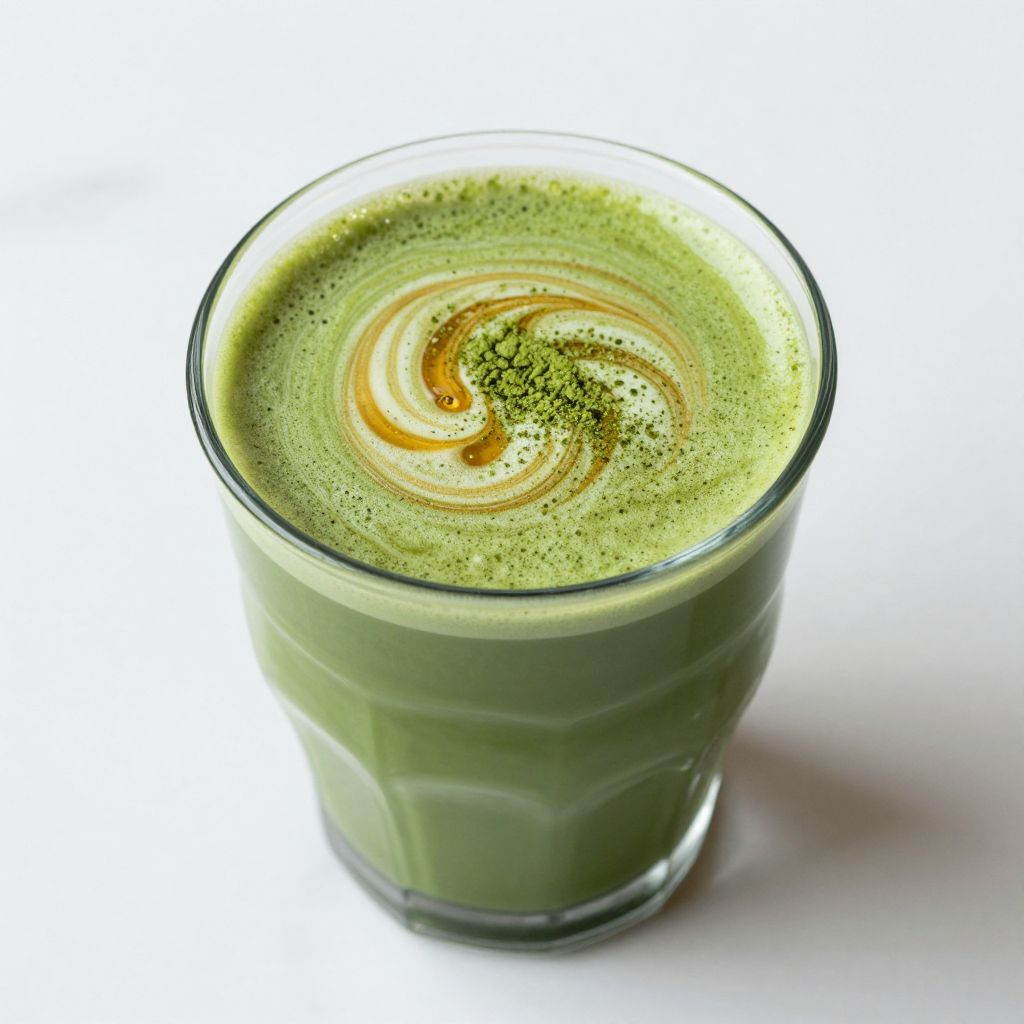
That first sip of matcha coffee hits different when the earthy green tea powder swirls into hot espresso, creating a smooth, caffeinated hug in a cup. This recipe blends the best of both worlds: the bold richness of coffee with the calming, antioxidant-packed matcha that doesn’t leave you jittery.
What makes this drink special is how quickly you can make it at home while nailing the café-quality texture that costs five dollars elsewhere. The creamy froth, balanced bitterness, and subtle sweetness come together in under five minutes, making it perfect for rushed mornings or leisurely afternoons.
Why You’ll Love This Recipe
This drink delivers café-quality results without the café price tag or the wait in line. You get a nutrient-dense beverage that tastes genuinely delicious, not like you’re choking down something healthy.
- Quick to prepare: ready in under five minutes from start to finish
- Customizable sweetness and milk ratios to match your taste preferences
- Natural energy boost from both matcha and espresso without the crash
- Beautiful presentation that makes your morning feel special
- Works hot or iced depending on the season and your mood
My Experience Making This Recipe
I first made this drink on a Tuesday morning when I wanted something different from my usual black coffee routine. The moment I whisked the matcha and watched it transform into that vibrant green foam, I knew I’d stumbled onto something worth repeating.
What surprised me most was how the two flavors don’t fight each other; instead, they create this sophisticated, balanced taste that feels more refined than either drink alone. My partner, who claims to hate matcha, actually asked for seconds and now requests this every weekend.
The best part? Once you nail the whisking technique, you feel like a barista in your own kitchen, and honestly, that’s worth something.
Recipe Overview
- Recipe Name: Matcha Coffee
- Servings: 1
- Prep Time: 3 minutes
- Cook Time: 2 minutes
- Total Time: 5 minutes
- Course: Beverage
- Cuisine: Fusion (Japanese and Italian)
- Calories per Serving: 95
Equipment You Will Need
- Matcha whisk (or small wire whisk as a substitute)
- Small bowl for whisking matcha
- Espresso machine or strong brewed coffee
- Milk frother (optional but recommended)
- Tall glass or coffee mug
- Kettle for hot water
- Measuring spoon
- Spoon for stirring
Ingredients for Matcha Coffee
- Matcha powder: 1 teaspoon, sifted
- Hot water: 3 tablespoons, 160 to 170 degrees Fahrenheit
- Espresso: 2 ounces (double shot), freshly brewed
- Whole milk or milk alternative: 4 ounces, steamed or frothed
- Honey or maple syrup: 1/2 teaspoon (adjust to taste)
- Pinch of sea salt: optional, enhances sweetness perception
Ingredient Notes and Substitutions
- Matcha Powder: Quality matcha determines the flavor and texture of your drink; ceremonial-grade matcha tastes smoother and less bitter than culinary-grade. If you cannot find matcha, you can substitute with 1/2 teaspoon of green tea powder mixed with 1/4 teaspoon of cornstarch, though the flavor profile shifts toward earthier and slightly astringent.
- Espresso: Two ounces of espresso provides the coffee backbone; if you lack an espresso machine, brew 2 ounces of very strong coffee (use a pour-over or French press with double the grounds). Strong brewed coffee works, but the drink becomes less balanced and more coffee-forward.
- Milk: Whole milk froths beautifully and adds richness; oat milk creates a creamy texture, while almond milk froths well but tastes slightly thinner. Non-dairy options work fine, but the overall mouthfeel changes slightly depending on the brand.
- Sweetener: Honey pairs naturally with matcha’s earthiness; agave nectar or brown sugar work equally well. If you skip sweetener entirely, the drink tastes more vegetal and mineral-forward, which some prefer.
- Sea Salt: A pinch amplifies the sweetness perception without making the drink taste salty; you can skip it, but it rounds out the flavor nicely.
How to Make Matcha Coffee
Step 1: Sift Your Matcha Powder
Sifting matcha breaks up any clumps and ensures a smooth, lump-free paste when you whisk it. This takes thirty seconds and makes a noticeable difference in the final texture.
Step 2: Heat Your Water to the Right Temperature
Water between 160 and 170 degrees Fahrenheit is hot enough to dissolve the matcha without scalding it and creating a bitter taste. If you boil water completely, let it cool for about two minutes before using it.
Step 3: Combine Matcha and Hot Water
Pour the three tablespoons of hot water into your small bowl, then add the sifted matcha powder. The water should be hot enough to help the powder dissolve quickly when you whisk.
Step 4: Whisk the Matcha into a Smooth Paste
Use your matcha whisk in a quick, circular motion for about thirty seconds until the matcha becomes a smooth, frothy paste with no visible lumps. The whisk creates the signature matcha foam and incorporates air, which creates the luxurious mouthfeel you’re after.
Step 5: Brew Your Espresso
While whisking your matcha, pull a double shot of espresso into a separate small cup or directly into your serving mug. If you’re using strong brewed coffee instead, make sure it’s piping hot so it blends well with the matcha.
Step 6: Combine Matcha and Espresso
Pour the matcha paste into your serving mug, then slowly add the hot espresso while stirring gently. The two will blend together, creating a beautiful swirl of green and dark brown.
Step 7: Steam or Froth Your Milk
Heat your milk to about 150 degrees Fahrenheit using a steam wand or milk frother, which creates a layer of microfoam on top. If you don’t have a frother, heat the milk on the stovetop and whisk it vigorously for thirty seconds to create some foam.
Step 8: Pour Milk and Add Sweetener
Add the honey or maple syrup to your matcha-espresso mixture first so it dissolves in the heat, then pour the steamed milk into the mug while holding back the foam with a spoon. Top with a small spoonful of foam, add a pinch of sea salt if you like, and serve immediately.
Pro Tip: Sift your matcha directly into the hot water rather than trying to whisk away clumps; this single habit eliminates the grainy texture that ruins so many homemade matcha drinks.
Tips for the Best Matcha Coffee
- Use fresh matcha powder stored in an airtight container away from light and heat; matcha oxidizes quickly and loses its vibrant green color and delicate flavor within weeks of opening.
- Invest in a proper matcha whisk if you drink this regularly, as it creates the ideal foam better than any other tool; you can find them online for under ten dollars.
- Don’t skip the sea salt pinch if you’re new to matcha’s earthy taste; it rounds out the flavor and makes the drink taste less vegetal without tasting salty.
- Pour the espresso slowly into the matcha paste to avoid splashing and to create that beautiful layered look before you mix it all together.
- Make this drink immediately after preparing each component so the espresso stays hot and the matcha foam doesn’t deflate before you serve it.
- Taste your drink before adding sweetener, as the espresso’s bitterness varies depending on the roast level and bean origin.
Common Mistakes to Avoid
- Using boiling water with matcha scorches the powder and creates a bitter, astringent taste that overshadows the coffee’s richness. Water hotter than 170 degrees Fahrenheit damages matcha’s delicate flavor compounds.
- Failing to sift the matcha powder leads to lumps that never fully dissolve, creating a gritty texture that feels chalky on your tongue. Take thirty seconds to sift; it changes everything.
- Over-whisking the matcha creates too much foam that separates and floats on top rather than blending smoothly with the espresso. Whisk for about thirty to forty seconds until you see a light froth, then stop.
- Using stale matcha powder results in a dull gray-green color and muted, slightly musty flavor instead of the bright, grassy taste you expect. Store matcha in an opaque, airtight container in a cool place and replace it every four to six weeks.
- Mixing the matcha and espresso too vigorously breaks up the foam and creates an unpleasant, watery texture. Stir gently to combine the two without deflating the matcha.
Serving Suggestions
Serve this drink in a tall glass or your favorite coffee mug while it’s hot and the foam is still intact. The visual appeal of the layers makes it feel special, and the temperature keeps all the flavors balanced.
- Pair with a buttery croissant or scone for a light breakfast that complements the drink’s earthy sweetness
- Serve alongside a simple fruit bowl with berries and yogurt for a more substantial morning meal
- Enjoy with a slice of lemon pound cake or white chocolate biscotti to echo the matcha’s subtle vanilla notes
- Drink alongside a soft-boiled egg on toast for a balanced breakfast with protein and carbs
- Have it with a small bowl of granola and honey for a combination that feels both indulgent and nourishing
Variations to Try
- Iced Matcha Coffee: Prepare the matcha paste as usual, pour it over ice in a tall glass, add cold espresso, then top with cold milk or cream for a refreshing summer version that tastes less sweet and more refreshing.
- Lavender Matcha Coffee: Add 1/4 teaspoon of culinary lavender powder to your hot water before whisking the matcha for a floral twist that pairs beautifully with honey; this elevates the drink’s complexity without overpowering the coffee.
- Matcha Coffee with Coconut Milk: Replace dairy milk with full-fat coconut milk for a tropical, rich version that tastes slightly sweeter and creates a unique foam when steamed.
- Sweetened Condensed Milk Matcha Coffee: Skip the honey and use one tablespoon of sweetened condensed milk instead for a dessert-like version that tastes creamy and indulgent without extra sugar.
- Vanilla Matcha Coffee: Add 1/4 teaspoon of vanilla extract to your matcha paste before whisking for a subtle sweetness that masks the earthiness and makes the drink taste more approachable for coffee purists.
Dietary Adaptations
- Gluten-Free: Matcha powder and espresso are naturally gluten-free, so this recipe works as written; simply verify your sweetener and milk options are certified gluten-free if you have celiac disease or non-celiac sensitivity.
- Dairy-Free: Swap the milk for oat milk, almond milk, or coconut milk, all of which froth well and create a creamy texture without dairy; oat milk froths the most similar to whole milk.
- Vegan: Use a plant-based milk and replace honey with maple syrup or agave nectar for a fully vegan version that tastes equally delicious and doesn’t compromise on flavor or texture.
- Low-Carb or Keto: Skip the honey entirely or use a keto-friendly sweetener like stevia or monk fruit; the drink still tastes balanced, though slightly more bitter and vegetal without sweetness to round it out.
Storage and Reheating
Refrigerator
Matcha coffee tastes best served fresh, but you can refrigerate leftover matcha paste in an airtight container for up to three days. The paste separates and darkens slightly, but it still works for iced drinks or can be whisked again with hot water.
- Store matcha paste separately from espresso to prevent oxidation and flavor loss
- Label your container with the date so you remember when you made it
Freezer
Freezing matcha paste is not recommended, as thawing breaks down the delicate matcha compounds and results in a grainy, separated texture. Instead, freeze whole matcha powder in an airtight container for up to six months in a dark freezer compartment.
- Keep matcha powder in an opaque bag or container to block light exposure
- Thaw matcha powder at room temperature before opening to prevent condensation
Reheating
If you’ve made this drink and let it cool, reheat it gently on the stovetop or in the microwave to about 160 degrees Fahrenheit. Do not boil it, as the heat damages the matcha’s flavor and creates bitterness.
- Reheat in short thirty-second microwave bursts, stirring between each one
- Whisk gently for a few seconds to recreate some foam before serving
Nutrition Information
| Nutrient | Amount |
|---|---|
| Calories | 95 |
| Total Fat | 3g |
| Saturated Fat | 1.5g |
| Carbohydrates | 12g |
| Fiber | 0.5g |
| Sugar | 10g |
| Protein | 4g |
| Sodium | 40mg |
| Cholesterol | 10mg |
These values assume whole milk and honey as sweetener; switching to non-dairy milk lowers fat and cholesterol slightly, while using a different sweetener changes the sugar content.
Matcha Coffee
Ingredients
Equipment
Method
- Sift the matcha powder into a small bowl to break up clumps, about 30 seconds.
- Heat water in a kettle and let it cool to 160–170°F, or boil then rest for 2 minutes.
- Pour 3 tablespoons of the hot water into the bowl with matcha powder.
- Whisk the matcha and water together in quick circular motions for 30 seconds until a smooth, frothy paste forms.
- Brew a 2-ounce double shot of espresso using your espresso machine or brew 2 ounces of strong coffee.
- Pour the matcha paste into your serving mug and slowly add the espresso while stirring gently to combine.
- Steam or froth 4 ounces of milk to about 150°F using a milk frother or steam wand, about 1–2 minutes.
- Stir the honey or maple syrup into the matcha-espresso mixture until dissolved.
- Pour the steamed milk into the mug, holding back the foam with a spoon, then top with foam and add a pinch of sea salt if desired.
- Serve immediately and enjoy the layered, creamy matcha coffee.
Notes
Frequently Asked Questions
Can I make matcha coffee without an espresso machine?
Yes, you can use any strong brewed coffee in place of espresso; brew it using a pour-over, French press, or AeroPress with extra grounds to get a bold flavor that stands up to the matcha. The drink tastes less concentrated and more coffee-forward, but it still works well.
How far in advance can I prepare the matcha paste?
Matcha paste stays fresh for about thirty minutes before it oxidizes and darkens, so prepare it just before you brew the espresso. For batch preparation, whisk the matcha and espresso separately, then combine them when you’re ready to serve.
Why does my matcha taste gritty?
Gritty matcha usually means you skipped sifting the powder or used water that was too cool to fully dissolve the matcha. Always sift matcha before whisking and use water between 160 and 170 degrees Fahrenheit to avoid this issue.
Is matcha coffee safe to drink every day?
Yes, matcha and espresso are both safe to consume daily for most adults; however, matcha contains about 25 to 70 milligrams of caffeine per serving and espresso adds another 75 milligrams, so be mindful of your total daily caffeine intake. Pregnant people should consult a healthcare provider before consuming large amounts of caffeine.
Can I use instant matcha packets instead of matcha powder?
Instant matcha packets contain additives and sugar, making them less ideal for this recipe; if you use them, skip the separate sweetener and adjust the powder amount according to the packet instructions. The flavor will be less vibrant and more sweet, so you lose some of the matcha’s nuance.
What’s the best way to store matcha powder long-term?
Keep matcha in an opaque, airtight container in a cool, dark place or in the refrigerator; freezing works too, but bring it to room temperature before opening to prevent condensation. Properly stored matcha stays fresh for four to six months and maintains its bright green color.
Final Thoughts
This matcha coffee recipe proves that café-quality drinks are entirely achievable at home with just a few minutes and the right technique. Once you master the whisking motion and water temperature, you’ll find yourself making this drink multiple times a week simply because it tastes better than anything you can buy.
If you’ve never tried matcha, this drink is the perfect introduction, since the espresso balances the matcha’s earthiness and makes it approachable for coffee lovers. Go ahead and make one today, and you’ll understand why this combination has become a favorite in specialty coffee shops worldwide.
If you love creative beverage recipes, explore more matcha creations like the Starbucks lavender matcha recipe for a floral twist, or try the lavender matcha latte recipe for another delicious variation on the matcha theme. Each offers a unique flavor profile while building on the skills you’ve learned here.