
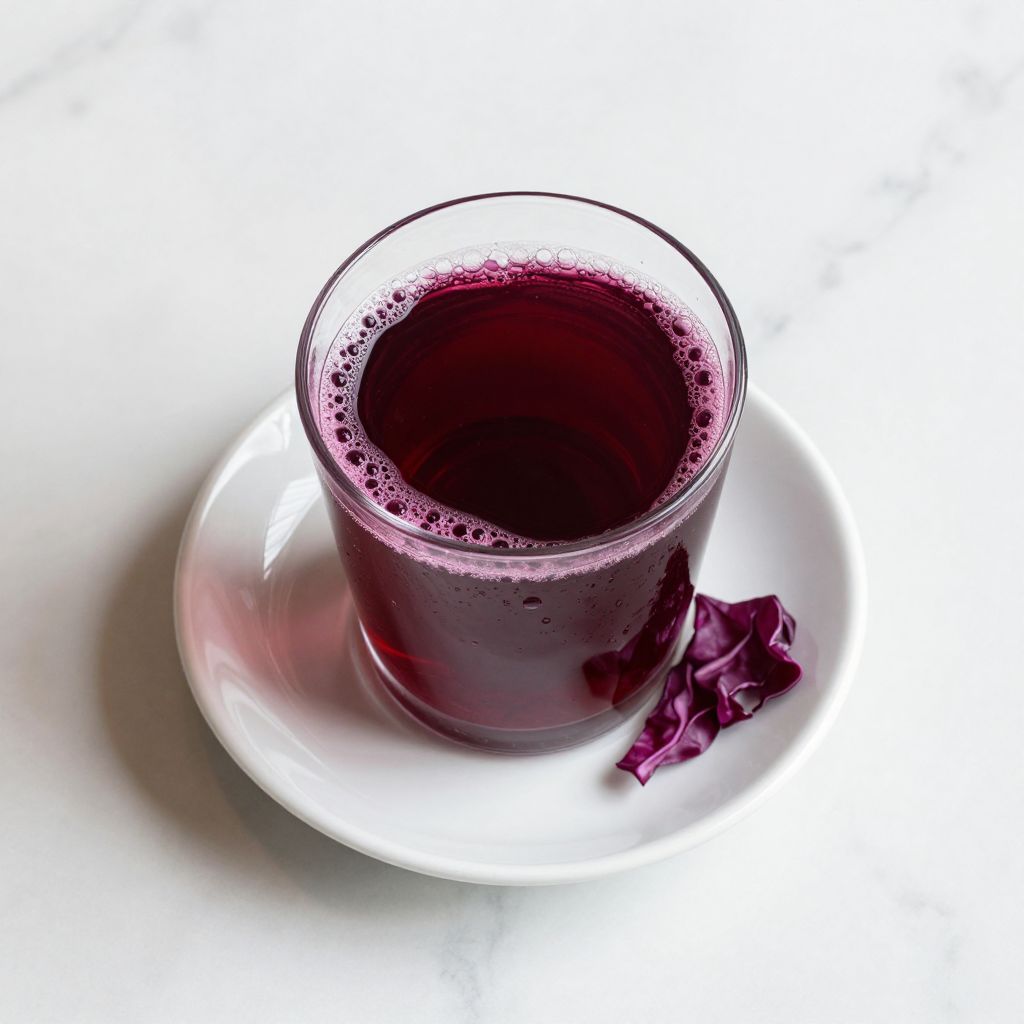
There’s something almost magical about watching a vibrant deep red transform into a glass of liquid jewels when you juice fresh red cabbage.
Red cabbage juice is one of those recipes that sounds more complicated than it actually is, yet delivers impressive results every single time. This naturally sweet and earthy juice works as a refreshing beverage on its own, a striking natural food coloring, or even a pH indicator for your next kitchen experiment.
What makes this recipe truly special is its simplicity paired with serious nutritional punch. Red cabbage delivers anthocyanins, antioxidants, and vitamin C in every sip, making this juice as good for your body as it tastes.
Why You’ll Love This Recipe
Red cabbage juice checks multiple boxes for home cooks looking for something healthy, visually stunning, and remarkably easy to make. You need just one ingredient and basic equipment to pull this off.
- Naturally sweet with zero added sugar needed
- Strikingly beautiful deep red color perfect for drinks and cooking projects
- Ready in under 10 minutes from start to finish
- Packed with antioxidants and vitamin C for immune support
- Works fresh, chilled, or frozen for later use
My Experience Making This Recipe
I first made red cabbage juice on a quiet Sunday morning when I wanted something different from my usual breakfast routine. The moment I started processing the cabbage, the kitchen filled with this earthy, slightly sweet aroma that instantly felt cleaner and more alive.
The first sip tasted nothing like I expected in the best way possible. Instead of that raw cabbage bite I worried about, the juice was naturally sweet with subtle berry notes hiding underneath the earthiness.
My partner took one look at the jewel-toned glass sitting on the counter and asked if I’d bought juice from some fancy health cafe. I loved having something so visually impressive come from my own kitchen, and honestly, I’ve made a batch almost every week since.
Recipe Overview
- Recipe Name: Red Cabbage Juice
- Servings: 2 servings
- Prep Time: 5 minutes
- Cook Time: 0 minutes
- Total Time: 5 minutes
- Course: Beverage
- Cuisine: International
- Calories per Serving: 35 calories
Equipment You Will Need
- Cold press juicer or centrifugal juicer
- Cutting board
- Sharp chef’s knife
- Glass measuring cups or jars
- Fine mesh strainer (optional, for extra pulp removal)
- Spoon for stirring
Ingredients for Red Cabbage Juice
- 1 medium head of red cabbage (about 2 to 2.5 pounds), roughly chopped
- Optional: pinch of sea salt to enhance flavor
Ingredient Notes and Substitutions
- Red cabbage: Red cabbage contains powerful anthocyanins and delivers natural sweetness that makes juicing worthwhile. You can substitute with purple cabbage (nearly identical) or mix in green cabbage for a more herbal, less sweet result, though you’ll lose the striking color.
- Sea salt: A tiny pinch of salt brings out the natural sweetness and makes the juice taste less flat and one-dimensional. If you’re avoiding sodium, simply skip this, but the juice will taste slightly more muted.
How to Make Red Cabbage Juice
Step 1: Select and Inspect Your Cabbage
Choose a firm red cabbage with no soft spots, blemishes, or yellowing leaves on the outside. A heavier cabbage for its size means more juice yield and better flavor concentration.
Step 2: Rinse the Cabbage Thoroughly
Run the entire head under cool running water, rubbing the surface with your hands to remove any dirt or debris. Pat it dry with a clean kitchen towel before cutting, since excess water dilutes your juice.
Step 3: Cut the Cabbage Into Wedges
Slice the cabbage in half from top to bottom, then cut each half into quarters or thick wedges. This size works perfectly for most juicers and makes feeding them through the chute easy and safe.
Step 4: Remove the Core
Cut away the thick central core from each wedge, as it’s tough and yields less juice than the leafy parts. Toss the cores into compost or save them for vegetable broth instead of wasting them.
Step 5: Feed the Cabbage Into Your Juicer
Set your juicer up over a large glass bowl or pitcher to catch the juice. Feed the cabbage wedges slowly through the chute, pushing gently with the plunger to avoid jamming and to maximize juice extraction.
Step 6: Process All the Cabbage
Continue feeding wedges through until you’ve processed the entire head. You should end up with roughly 1.5 to 2 cups of deep red liquid, depending on how juicy your particular cabbage is.
Step 7: Strain for Smoothness (Optional)
Pour the juice through a fine mesh strainer into a clean glass jar if you prefer it completely smooth without pulp. This step takes just a minute and creates a restaurant-quality texture, though keeping the pulp adds extra fiber.
Step 8: Season and Taste
Add a tiny pinch of sea salt and stir well to taste the result. The salt enhances the natural sweetness and makes the juice taste more balanced and less earthy than it would plain.
Pro Tip: Drink red cabbage juice immediately for maximum nutrient content, or chill it for up to 3 days in an airtight glass bottle to preserve color and flavor.
Tips for the Best Red Cabbage Juice
- Use a cold press juicer instead of a centrifugal model if you have access to one. Cold presses produce less heat friction, which preserves more antioxidants and creates a sweeter, cleaner tasting juice.
- Chill your glasses in the freezer for 5 minutes before serving to make the juice taste colder and more refreshing without diluting it with ice.
- Drink the juice within 3 days of making it for the best flavor and maximum nutrients, as oxidation gradually breaks down the beneficial compounds.
- Save the pulp left behind in your juicer and add it to soups, stews, or roasted vegetable dishes for extra nutrients and fiber.
- Make a double batch and freeze the extra juice in ice cube trays, then pop out the cubes and store them in a freezer bag for smoothies and cocktails.
- Combine red cabbage juice with other juices like beet or carrot to create unique flavor blends and boost the nutritional profile even further.
Common Mistakes to Avoid
- Juicing a warm or room-temperature cabbage results in oxidation that dulls the color and reduces nutrient density. Always start with a cold cabbage or chill it in the refrigerator before juicing.
- Including the tough central core in your juicer clogs the machine and wastes your time for minimal juice return. Remove it completely before feeding the cabbage through.
- Storing juice in plastic containers instead of glass allows chemicals to leach into the liquid and changes the flavor subtly. Use only glass jars and bottles for storage.
- Adding ice directly to your juice dilutes it as the ice melts and waters down the flavor. Chill the juice itself in the fridge instead, or use frozen juice cubes.
- Waiting too long to drink the juice lets oxidation destroy the vibrant color and convert some of the beneficial anthocyanins into less potent compounds. Fresh is always better here.
Serving Suggestions
Red cabbage juice stands beautifully on its own as a morning wellness shot or afternoon refresher, but it also plays well with other ingredients. Think beyond the glass and explore how this striking juice can elevate different occasions and pairings.
- Drink it straight as a chilled wellness shot for an immune boost at any time of day
- Mix it with sparkling water and a splash of fresh lemon juice for a naturally colored soda alternative
- Combine with vodka or gin and a touch of honey for an impressive naturally hued cocktail
- Stir into plain yogurt to create a naturally pink parfait with a tart flavor layer
- Use as a natural food coloring in homemade soups, sauces, or baking projects
Variations to Try
- Spiced Red Cabbage Juice: Add a pinch of fresh ginger, turmeric, and black pepper while juicing for an anti-inflammatory wellness drink with warming spice notes and deeper complexity.
- Red Cabbage and Apple Juice: Process equal parts red cabbage and crisp apples together for a naturally sweeter juice that tastes more like a beverage than a health shot, with candy-like notes.
- Red Cabbage and Citrus Blend: Mix the juice with fresh lemon or lime juice to cut through the earthiness and create a brighter, more refreshing flavor profile perfect for hot summer days.
- Red Cabbage and Beet Juice: Combine with beet juice for double the antioxidants and a deeper, almost wine-like color and flavor that feels more indulgent.
- Creamy Red Cabbage Juice: Blend the juice with coconut milk or almond milk and a touch of honey for a smoother, more dessert-like beverage that works for post-workout recovery.
Dietary Adaptations
- Gluten-Free: Red cabbage juice is naturally gluten-free in its pure form, making it safe for all diets without any modifications needed.
- Dairy-Free: This recipe contains no dairy whatsoever, so it works perfectly for anyone avoiding milk products or following a vegan lifestyle.
- Vegan/Vegetarian: Red cabbage juice is completely plant-based and contains zero animal products, making it suitable for all plant-focused diets without any changes.
- Low-Carb/Keto: Red cabbage juice contains about 8 grams of carbs per serving from natural sugars, which fits within moderate keto macros but requires careful portion control if you’re tracking strictly.
- Paleo: This juice aligns with paleo principles as a whole plant food with no processing, additives, or refined ingredients.
Storage and Reheating
Refrigerator
Store fresh red cabbage juice in a sealed glass jar or bottle on the coldest shelf of your refrigerator, away from the door where temperature fluctuates. The juice stays fresh for 3 to 5 days, though the color gradually fades and some nutrients degrade over time.
- Keep the container tightly sealed to prevent oxidation and bacterial growth
- Check the smell and taste before drinking if you’re unsure about freshness
- Stir before serving since some separation may occur during storage
Freezer
Freeze red cabbage juice in ice cube trays for up to 3 months, then transfer the cubes to a freezer bag for convenient portioning. This method preserves nutrients better than storing liquid juice and works perfectly for smoothies, cocktails, or thawing later.
- Leave a tiny bit of space at the top of each cube slot to account for expansion during freezing
- Label the bag with the date so you know how long they’ve been stored
- Thaw cubes in the refrigerator for several hours or blend directly into cold recipes
Reheating
Red cabbage juice is best served cold and doesn’t require any reheating. If you’ve frozen cubes and want to warm them, do so gently over low heat or in a warm water bath, though heating destroys some heat-sensitive vitamins.
- Thawed juice tastes best served cold rather than warmed
- Mix thawed juice with sparkling water for a refreshing drink rather than heating it
- Use thawed juice as a cooking ingredient in sauces where mild heat is acceptable
Nutrition Information
| Nutrient | Amount |
|---|---|
| Calories | 35 |
| Total Fat | 0.2g |
| Saturated Fat | 0g |
| Carbohydrates | 8g |
| Fiber | 1.5g |
| Sugar | 5g |
| Protein | 1g |
| Sodium | 45mg |
| Cholesterol | 0mg |
These values represent fresh juice with no added ingredients beyond a tiny pinch of optional sea salt. Individual results vary based on cabbage size, juicer efficiency, and whether you strain out pulp.
Frequently Asked Questions
Can I make red cabbage juice without a juicer?
Yes, you can blend chopped red cabbage with a small amount of water, then strain the mixture through cheesecloth or a fine mesh strainer to extract liquid. The texture will be slightly thicker and more pulpy than machine-juiced juice, but the flavor and nutrients remain strong.
How long does fresh red cabbage juice last?
Fresh red cabbage juice stays best for 3 to 5 days when stored in an airtight glass container in the coldest part of your refrigerator. Frozen juice cubes last 3 months, making that the better option if you want to preserve it longer.
Is red cabbage juice good for blood pressure?
Red cabbage contains potassium and compounds that support heart health, though it’s not a replacement for medical treatment. If you’re interested in juice for health benefits, check out how beet juice can support blood pressure management as an additional wellness tool alongside medical care.
Can I mix red cabbage juice with other vegetable juices?
Absolutely, red cabbage juice blends beautifully with carrot, apple, beet, or ginger juice for unique flavor combinations and boosted nutrition. Many people make mixed juice blends specifically for better taste and additional health benefits from variety.
Why does my red cabbage juice separate?
Separation happens naturally as denser particles settle to the bottom while lighter liquid rises to the top, especially in cold storage. Simply stir or shake the bottle before serving to mix the juice back together.
Can I use red cabbage juice as a natural food coloring?
Yes, red cabbage juice works wonderfully as a natural food coloring for soups, sauces, frosting, and baked goods because of its striking deep red pigment. Just note that the color shifts from red to pink in acidic environments like lemon juice or vinegar, which can be a fun effect for some recipes.
Final Thoughts
Red cabbage juice represents one of those rare recipes where simplicity meets impressive results, both in flavor and visual presentation. The fact that you need just one ingredient and five minutes to create something this nutritious and beautiful makes it hard to justify not making it regularly.
If you haven’t tried fresh red cabbage juice yet, give this recipe a go this week and taste the difference between homemade and anything bottled. You might also explore purple cabbage juice options for similar benefits with slightly different flavor notes, expanding your juice repertoire even further.
Red Cabbage Juice
Ingredients
Equipment
Method
- Select a firm red cabbage with no soft spots or blemishes for the best juice yield.
- Rinse the cabbage thoroughly under cool running water, then pat dry with a clean kitchen towel.
- Cut the cabbage into wedges by slicing in half top to bottom, then into quarters or thick wedges.
- Remove the thick central core from each wedge and discard or save for vegetable broth.
- Feed the cabbage wedges slowly through your juicer’s chute, using the plunger to push them through evenly.
- Continue processing until the entire head is juiced, yielding about 1.5 to 2 cups of liquid.
- Optionally strain the juice through a fine mesh strainer into a clean jar for a smoother texture.
- Stir in a pinch of sea salt if desired, taste, and serve immediately or chill for up to 3 days.