
That first sip of espresso tonic hits differently than any other coffee drink you’ve tried, doesn’t it? The sharp carbonation cuts through the rich espresso while the tonic’s subtle bitterness plays perfectly against the coffee’s boldness, creating something refreshingly unexpected.
This drink has quietly become the go-to order for coffee lovers who want something cold, caffeinated, and genuinely interesting. It’s quick to make at home, requires just a handful of ingredients, and tastes like you spent money at a specialty café.
The magic happens when you balance the temperature, timing, and proportions just right. You’ll understand exactly why this simple combination has captured the attention of baristas and home cooks everywhere.
Why You’ll Love This Recipe
This drink delivers sophistication with zero pretension, takes under five minutes to prepare, and works perfectly for any time of day. You control the strength and sweetness completely, making it endlessly customizable.
- Refreshing and effervescent with a sophisticated flavor profile
- Quick preparation with no special equipment required
- Perfect balance of coffee’s depth and tonic’s botanical notes
- Naturally caffeine-boosted without being heavy
- Impressive enough to serve guests, simple enough for weekday mornings
My Experience Making This Recipe
I first encountered espresso tonic at a specialty coffee shop in a city I was visiting, and I ordered it out of sheer curiosity. The combination seemed odd until I tasted it, then I immediately understood why the barista had such confidence recommending it.
My kitchen experiments began the next week, and I quickly realized that technique matters more than fancy ingredients. A freshly pulled espresso shot combined with cold tonic water and a single piece of citrus creates something genuinely memorable.
My partner, who normally skips coffee drinks in summer, now asks me to make these regularly. The carbonation and slight sweetness made it accessible to someone who usually finds cold coffee too intense.
Recipe Overview
- Recipe Name: Espresso Tonic
- Servings: 1
- Prep Time: 2 minutes
- Cook Time: 0 minutes
- Total Time: 2 minutes
- Course: Beverage
- Cuisine: Contemporary Coffee
- Calories per Serving: 90
Equipment You Will Need
- Espresso machine or moka pot
- Tall glass (10-12 ounces)
- Bar spoon or long spoon for stirring
- Jigger for measuring (optional but helpful)
- Citrus zester or microplane (optional)
Ingredients for Espresso Tonic
- Fresh espresso (2 shots, about 2 ounces)
- Premium tonic water (4-5 ounces, chilled)
- Ice cubes (about 1 cup)
- Lemon or lime wedge (1 piece for garnish)
- Optional: 1/2 teaspoon of simple syrup or agave nectar for sweetness
Ingredient Notes and Substitutions
- Espresso: Freshly pulled shots deliver the brightness and crema that make this drink special. If you don’t have an espresso machine, brew 2 ounces of very strong coffee using a pour-over or Moka pot as a substitute, though the flavor profile will shift slightly.
- Tonic water: Quality matters here because tonic is half the drink. High-end brands like Fever-Tree or Q Tonic offer botanical complexity that basic store brands lack. If you must substitute, use club soda with a dash of quinine bitters, though the result tastes different.
- Ice: Use fresh, clean ice made from filtered water so flavors stay pure. Old ice that’s absorbed freezer odors will compromise your drink’s taste.
- Citrus: Lemon brings brightness while lime adds tropical notes. Choose whichever complements your tonic brand better.
- Sweetener: This is personal preference, but quality simple syrup dissolves better than sugar. Omit it entirely if your tonic is already sweet enough for your taste.
How to Make Espresso Tonic
Step 1: Pull Your Espresso Shots
Start your espresso machine and pull two fresh shots directly into a small cup. The shots should taste bright and balanced with a thin layer of crema on top, which indicates proper extraction.
Step 2: Fill Your Glass with Ice
Fill your tall glass nearly to the top with ice cubes. Using plenty of ice keeps the drink cold without over-diluting it as the ice melts slowly.
Step 3: Pour the Tonic Water First
Pour 4 to 5 ounces of chilled tonic water into the ice-filled glass. Pouring the tonic first prevents too much foam and allows the carbonation to settle slightly before you add the espresso.
Step 4: Add Sweetener If Desired
If you like your drink slightly sweet, stir in a half teaspoon of simple syrup or agave nectar now. This dissolves better in the cold tonic before the espresso is added.
Step 5: Pour the Espresso Shots
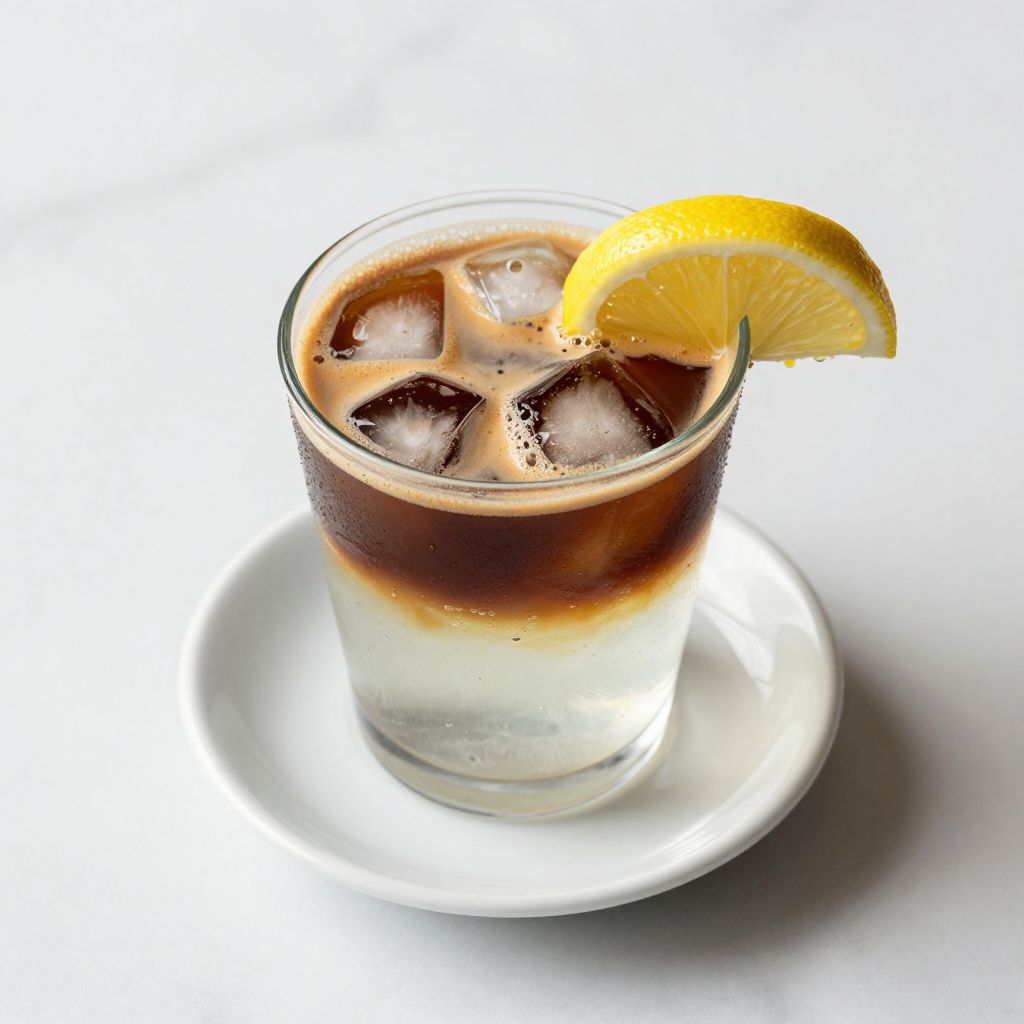
Pour the freshly pulled espresso slowly over the tonic and ice. The hot espresso will interact with the cold tonic, creating a beautiful visual effect and optimal flavor blending.
Step 6: Stir Gently
Use a bar spoon or long spoon to stir the drink three to four times, combining the espresso and tonic while keeping carbonation intact. You want the flavors mixed but not over-agitated.
Step 7: Express the Citrus
Hold a lemon or lime wedge over the glass and twist it sharply to release the oils, then drop it in as garnish. The citrus oils create an aromatic layer that lifts the entire drink.
Step 8: Taste and Adjust
Take your first sip and evaluate whether you want more tonic for less intensity or another adjustment. Your personal preference should guide how you build this drink going forward.
Pro Tip: Use chilled glassware and tonic water straight from the fridge to maximize carbonation retention and keep everything cold without excessive ice melt.
Tips for the Best Espresso Tonic
- Always use freshly pulled espresso within 30 seconds of extraction, as oxidation ruins the bright flavors that make this drink special. Stale espresso results in a flat, bitter drink.
- Invest in quality tonic water because it comprises half the beverage. The botanical notes in premium brands genuinely elevate the final product.
- Keep your tonic water in the coldest part of your fridge and pour it just before serving to preserve maximum carbonation. Warm or flat tonic creates a disappointing drink.
- Chill your glass beforehand by filling it with ice for one minute, then emptying it before building the drink. This prevents ice from melting too quickly.
- Experiment with different espresso roasts to find your preference, as lighter roasts emphasize brightness while darker roasts add body. The tonic’s bitterness pairs differently with each roast level.
- Taste the tonic water on its own first so you know its flavor profile before combining it with espresso. Some are more herbal, others more citrus-forward, and this affects your final drink.
Common Mistakes to Avoid
- Using room-temperature tonic water or espresso: Cold is non-negotiable for this drink’s refreshment factor and carbonation retention.
- Pouring espresso before tonic: This creates excessive foam that spills over the glass and disrupts the flavor layering.
- Overstirring: You’ll release too much carbonation and end up with a flat, disappointing beverage.
- Forgetting the citrus: That squeeze of lemon or lime isn’t decoration; it’s a crucial flavor component that brightens everything.
- Using instant coffee or old espresso: These taste flat and bitter combined with tonic, completely missing the point of the drink.
Serving Suggestions
Serve this drink immediately while the carbonation is at its peak and all components are properly cold. It pairs beautifully with light breakfast items, afternoon pastries, or as a sophisticated non-alcoholic option at gatherings.
- Alongside a fresh pastry or croissant for a refined breakfast
- After a light lunch when you need gentle caffeine without heaviness
- As a non-alcoholic alternative at evening gatherings
- Paired with citrus desserts or lemon-based treats
- On its own as a sophisticated pick-me-up during afternoon slump
Variations to Try
- Vanilla Espresso Tonic: Add a teaspoon of vanilla syrup to the tonic before pouring espresso, which softens the bitterness and adds subtle sweetness.
- Herbal Twist: Replace regular tonic with herbal tonic water featuring flavors like elderflower or lavender for a botanical complexity that plays beautifully against espresso.
- Citrus-Forward Version: Add a splash of fresh lemon juice directly to the tonic before the espresso for brighter, tangier flavor.
- Sweet and Spicy: Stir in a small amount of honey and a pinch of cardamom or cinnamon powder for warmth and depth.
- Coconut Variation: Use coconut water instead of half the tonic for tropical notes that complement darker espresso roasts.
Dietary Adaptations
- Gluten-Free: This recipe is naturally gluten-free as written, though verify that your tonic brand doesn’t contain gluten additives.
- Dairy-Free: Already dairy-free in the base recipe with no adaptations needed.
- Vegan: This recipe is completely vegan as no animal products are involved in any component.
- Low-Carb/Keto: Use sugar-free tonic water, which contains minimal carbohydrates, though some sweetness is sacrificed in the trade-off.
Storage and Reheating
Refrigerator
You cannot meaningfully store a finished espresso tonic because carbonation dissipates within minutes and espresso oxidizes quickly. However, you can store tonic water and pre-pulled espresso shots separately for up to a few hours.
- Store tonic water in the coldest part of your fridge with the cap tightly sealed
- Store brewed espresso in an airtight container for up to 4 hours, though quality degrades quickly
Freezer
Freezing is not recommended for any component of this drink. Espresso quality suffers significantly when frozen, and tonic water’s carbonation will be destroyed.
Reheating
This is a cold beverage designed to be served immediately, so reheating is not applicable. Always prepare fresh when you want to enjoy this drink.
Nutrition Information
| Nutrient | Amount |
|---|---|
| Calories | 90 |
| Total Fat | 0g |
| Saturated Fat | 0g |
| Carbohydrates | 24g |
| Fiber | 0g |
| Sugar | 22g |
| Protein | 0.5g |
| Sodium | 35mg |
| Cholesterol | 0mg |
Nutrition values are approximate and based on standard tonic water with added sugar. Using sugar-free tonic reduces carbohydrates to about 2g and sugar to 0g per serving.
Frequently Asked Questions
Can I Make Espresso Tonic Without an Espresso Machine?
Yes, a Moka pot or very strong pour-over coffee works as a substitute, though the flavor differs from true espresso. The drink won’t have espresso’s characteristic crema, but the overall effect remains pleasant and refreshing.
What’s the Best Tonic Water Brand for This Drink?
Fever-Tree, Q Tonic, and Schweppes Premium all deliver excellent results with distinct flavor profiles. Experiment with a few to find which botanical notes you prefer alongside espresso.
Can I Make This Drink in Advance?
No, carbonation and espresso quality degrade too quickly to prepare ahead. Pull your espresso shot when you’re ready to drink it and pour everything together immediately.
Why Does My Espresso Tonic Taste Flat?
Flat tonic water or over-stirring releases carbonation and ruins the drink’s refreshing quality. Always use ice-cold tonic from the fridge and stir gently just three to four times.
Should I Use Single or Double Espresso Shots?
Double shots (2 ounces) are standard and create the right balance with tonic water. Single shots make the drink too light and tonic-forward, while triple shots become too intense.
Can I Add Milk or Cream?
Traditional espresso tonic is served black, but adding a splash of cold milk creates a different drink that mutes the brightness. Stick with the classic version first, then experiment if you’re curious.
Final Thoughts
Espresso tonic represents one of the best crossovers between coffee culture and mixology, proving that simple combinations executed well create magic. Once you taste a properly made version, you’ll understand why this drink has gained such devoted fans.
Make this at home whenever you want something refreshing, caffeinated, and genuinely impressive without any real effort. Your taste buds and your guests will thank you for the discovery.
Want to explore more coffee options for your home bar? Check out our hazelnut shaken espresso recipe for another exciting variation. If you prefer creamier coffee drinks, our coffee latte recipe offers a completely different experience worth exploring.
Espresso Tonic
Ingredients
Equipment
Method
- Pull two fresh espresso shots (about 2 ounces) using an espresso machine or moka pot, ensuring the shots are served within 30 seconds of extraction.
- Fill a tall glass (10-12 ounces) nearly to the top with ice cubes to keep the drink cold without over-diluting.
- Pour 4-5 ounces of chilled tonic water into the ice-filled glass to minimize foam and maintain carbonation.
- Stir in 1/2 teaspoon of simple syrup or agave nectar if a sweeter flavor is desired.
- Slowly pour the espresso shots over the tonic and ice to create a layered visual effect.
- Gently stir the drink three to four times with a bar spoon to combine flavors while preserving carbonation.
- Twist a lemon or lime wedge over the glass to release citrus oils, then drop it in as a garnish.
- Taste and adjust the ratio of tonic or espresso to suit your personal preference before serving.