
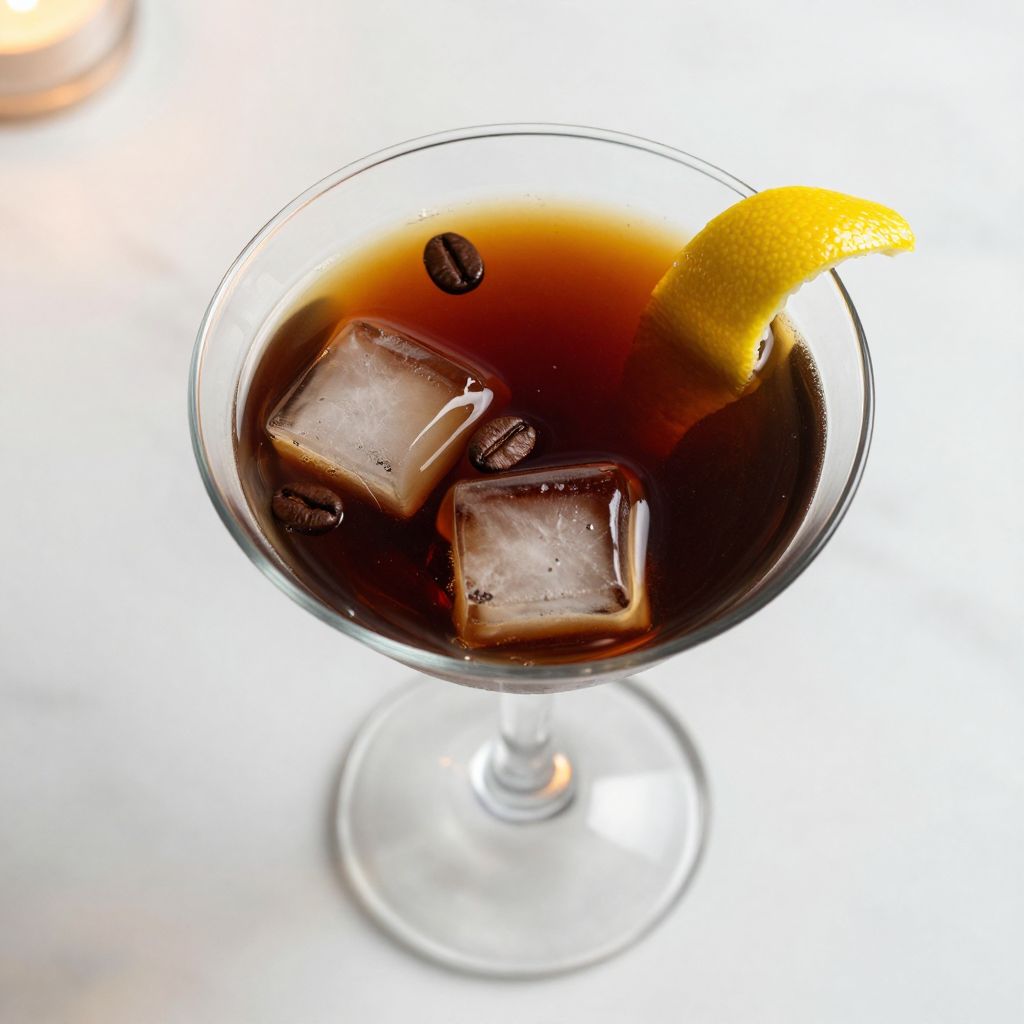
There’s something undeniably sophisticated about sipping a cold brew martini on a warm afternoon, watching the espresso ice cubes slowly melt into the vodka and vermouth. This drink transforms your love of coffee into an elegant cocktail that feels equally at home at a dinner party or as a personal indulgence after a long day. The cold brew martini combines the smooth, rich depth of cold brew coffee with the crisp botanicals of a classic martini, creating a drink that’s both comforting and refined.
What makes this cocktail special is how effortlessly it bridges two worlds: the ritual of coffee culture and the timeless appeal of a martini. You don’t need fancy equipment or obscure ingredients, just quality cold brew, premium spirits, and a steady hand with a cocktail shaker. Whether you’re a coffee enthusiast curious about mixing spirits or a martini lover ready to experiment, this recipe delivers restaurant-quality results at home.
Why You’ll Love This Recipe
This martini hits all the right notes if you crave something bold yet balanced, caffeinated yet elegant. It’s faster to make than brewing a fresh pot of coffee and infinitely more interesting than a standard cocktail.
- Rich espresso flavor layered with dry, herbal gin or vodka notes
- Naturally sweetened without excessive syrup or cream
- Perfect served straight up or on the rocks with espresso ice cubes
- Impresses guests and works as a dessert drink or evening sipper
- Takes just five minutes from start to sip
My Experience Making This Recipe
I first made a cold brew martini on a whim after discovering a half-empty bottle of espresso liqueur in my cabinet. The combination sounded risky, but one sip convinced me this was something special worth perfecting.
The magic moment came when I tasted how the cold brew’s natural sweetness married with the vermouth’s herbaceous dry notes, creating something neither ingredient could achieve alone. My partner, admittedly skeptical of “gimmick cocktails,” asked for a second one, which says everything you need to know.
Now I make a batch of espresso ice cubes weekly just to have them ready. The visual appeal of those dark cubes slowly diluting the drink makes it feel luxurious without any pretension.
Recipe Overview
- Recipe Name: Cold Brew Martini
- Servings: 1
- Prep Time: 5 minutes
- Cook Time: 0 minutes
- Total Time: 5 minutes
- Course: Cocktail / Dessert Drink
- Cuisine: Contemporary American
- Calories per Serving: 185
Equipment You Will Need
- Cocktail shaker or mixing glass
- Jigger or measuring spoon for precise pours
- Bar spoon or long spoon for stirring
- Cocktail strainer (Hawthorne or julep style)
- Martini glass or coupe glass
- Ice cube trays for making espresso ice cubes
Ingredients for Cold Brew Martini
- Cold brew coffee, 2 ounces (strong, unsweetened)
- Premium vodka, 1.5 ounces (or gin for more botanicals)
- Dry vermouth, 0.5 ounces
- Espresso liqueur, 0.5 ounces (Kahlua or similar)
- Espresso ice cubes, 3 to 4 cubes (see notes)
- Lemon twist or coffee beans for garnish
- Pinch of sea salt (optional)
Ingredient Notes and Substitutions
- Cold brew coffee: This is the backbone of the drink, providing smooth, less acidic coffee flavor compared to hot espresso. You can substitute with strong, cooled espresso or concentrated instant cold brew if making fresh cold brew feels inconvenient.
- Premium vodka: Vodka keeps the focus on coffee and vermouth with minimal flavor interference. Swap it for gin (like Tanqueray or Bols) if you prefer botanical herbals and don’t mind a more complex drink, though this shifts the flavor profile noticeably.
- Dry vermouth: This adds structure and herbal complexity without sweetness, which balances the coffee’s richness. Skip it for a stronger coffee flavor, but you’ll lose the martini’s elegant dry finish.
- Espresso liqueur: This sweetens the drink gently and adds a second layer of coffee depth. Substitute with simple syrup or a touch of chocolate liqueur if unavailable, adjusting amounts to taste.
- Espresso ice cubes: These melt slowly and intensify coffee flavor without diluting with water ice. Use standard ice cubes if you can’t make espresso cubes ahead, though the drink will water down faster.
How to Make Cold Brew Martini
Step 1: Prepare Your Espresso Ice Cubes
Fill an ice cube tray with strong cold brew or cooled espresso and freeze for at least six hours, ideally overnight. These cubes melt slower than water ice and add coffee flavor as they dilute, transforming the drink’s profile as you sip.
Step 2: Chill Your Martini Glass
Place your martini glass in the freezer for at least ten minutes before making the drink. A cold glass keeps the cocktail chilled longer and prevents the ice from melting too quickly, maintaining the proper texture and temperature.
Step 3: Pour Cold Brew into the Shaker
Measure exactly 2 ounces of cold brew coffee into your cocktail shaker. Precision matters here; too much coffee overwhelms the botanicals, while too little makes the drink taste like a simple vodka cocktail.
Step 4: Add the Spirits
Pour 1.5 ounces of vodka, 0.5 ounces of dry vermouth, and 0.5 ounces of espresso liqueur into the shaker. These proportions create the right balance between coffee boldness and the clean, herbal dryness that defines a proper martini.
Step 5: Fill the Shaker with Ice
Add regular ice cubes (not espresso ice cubes) to the shaker, filling it about three-quarters full. Regular ice chills the ingredients quickly without adding unwanted coffee flavor during the shaking process.
Step 6: Shake with Confidence
Seal the shaker and shake vigorously for about fifteen seconds until the outside becomes frosty and cold. This chills all ingredients evenly and creates a slight foam on top when you strain, giving the drink a professional appearance.
Step 7: Strain into Your Chilled Glass
Using a Hawthorne strainer, pour the cocktail into your frozen martini glass in one smooth motion. Straining properly leaves the ice behind and delivers a silky-smooth drink free of dilution.
Step 8: Add Espresso Ice Cubes
Gently drop three to four espresso ice cubes into the finished drink. These melt slowly over the next ten to fifteen minutes, continuously deepening the coffee flavor and creating a naturally sweetened, evolved experience with each sip.
Step 9: Garnish and Serve
Express a lemon twist over the surface for brightness, or float three coffee beans on top for a classic espresso martini nod. Serve immediately and watch the cubes work their magic as the drink cools and transforms in the glass.
Pro Tip: Make espresso ice cubes in batches and store them in a freezer bag for up to two weeks so you always have them ready for instant cold brew martinis without extra prep time.
Tips for the Best Cold Brew Martini
- Use freshly made or refrigerated cold brew less than a week old; stale coffee produces flat, bitter flavors that ruin the drink’s balance.
- Chill your glass in the freezer rather than with ice water, which dilutes the cocktail before you even start shaking.
- Shake, don’t stir, even though martini purists might argue; shaking properly incorporates all ingredients and aerates the drink for a silky texture.
- Pour the espresso liqueur last just before shaking so its sweetness layers properly with the cold brew rather than settling at the bottom.
- Taste your cold brew beforehand; if it’s too weak, the drink will taste more like a regular martini and lose the coffee character you’re after.
- Sip slowly and observe how the flavor evolves as the espresso ice cubes melt, experiencing the drink’s natural progression from bold to slightly sweeter.
Common Mistakes to Avoid
- Using hot espresso instead of cold brew introduces unwanted acidity and makes the drink taste thin and sharp rather than smooth and rich.
- Skipping the espresso liqueur leaves the drink one-dimensional and coffee-heavy, missing the sweet, herbal complexity that makes it a martini.
- Overpouring vermouth creates a drink that tastes herbal and medicinal, overshadowing the coffee’s natural appeal; stick to the 0.5-ounce measure.
- Using regular ice cubes instead of espresso ice means the drink dilutes quickly with plain water, weakening flavors and watering down the coffee character.
- Warming the glass by touching the sides or skipping the freeze step allows the drink to warm up fast, making it taste flat and diluted within minutes.
Serving Suggestions
This cocktail shines as an after-dinner drink, a dessert replacement, or an afternoon pick-me-up when you want something more refined than coffee alone. The caffeine content keeps you alert while the alcohol loosens you up, making it perfect for sophisticated afternoon entertaining.
- Pair with dark chocolate truffles or chocolate cake for a decadent dessert pairing
- Serve after dinner with espresso to double down on coffee flavor and create a ritual moment
- Offer at brunch alongside pastries and fresh fruit for an elevated morning cocktail
- Mix one for yourself as a solo treat while reading or unwinding in the evening
- Batch-make for parties by multiplying ingredients and stirring in a pitcher with ice
Variations to Try
- Cold Brew Martini with Coconut Liqueur: Replace espresso liqueur with Coquito or coconut rum for a tropical coffee twist that tastes like an upscale coffee cocktail with creamy undertones.
- Maple Cold Brew Martini: Add 0.25 ounces of pure maple syrup or maple liqueur and a tiny pinch of sea salt to bring autumnal warmth and depth without using dessert liqueurs.
- Vanilla-Spiced Version: Add a splash of vanilla syrup and a pinch of cinnamon or nutmeg for a dessert-forward drink that tastes like spiced coffee cake in a glass.
- Oat Milk Martini: Shake in 0.5 ounces of oat milk or cream for a slightly creamy texture that mellows the cold brew’s sharpness and adds richness.
- Gin-Based Cold Brew Martini: Swap vodka for London Dry gin to introduce juniper and herb botanicals, creating a more complex drink with floral and piney notes alongside the coffee.
Dietary Adaptations
- Gluten-Free: All spirits and coffee are naturally gluten-free, but verify your vermouth and liqueur labels; most quality brands are safe, though some flavored varieties contain gluten from grain sources.
- Dairy-Free: This recipe is entirely dairy-free as written; skip any cream or milk variations and stick to the original cold brew, vodka, vermouth, and espresso liqueur combination.
- Vegan: All ingredients are vegan-friendly; however, check your vermouth and liqueur brands as some use animal-based fining agents, though the final product contains no animal matter.
- Low-Carb/Keto: The drink contains minimal carbohydrates from the espresso liqueur and vermouth, roughly 2 to 4 grams per serving; if stricter, skip the liqueur and use sugar-free simple syrup instead.
Storage and Reheating
Refrigerator
Cold brew coffee keeps refrigerated for up to two weeks in an airtight container. Store vodka, vermouth, and espresso liqueur at room temperature in their original bottles; once opened, use within six to twelve months.
- Cold brew: Keep in a sealed glass jar or bottle
- Spirits: Store upright in a cool, dark cabinet away from direct sunlight
- Espresso ice cubes: Transfer to a freezer bag after freezing to prevent absorption of other freezer odors
Freezer
Vodka and vermouth can be kept in the freezer for extra-cold drinks, though this is unnecessary for proper chilling. Espresso ice cubes freeze solid in six hours and last up to two weeks when stored in a freezer bag.
- Pre-freeze spirits for a colder base if desired
- Keep espresso ice cubes in a dedicated freezer bag labeled with the date
Reheating
This cocktail is served cold and should never be reheated. If the drink becomes warm, discard it and make a fresh one; reheating destroys the delicate balance of flavors and the texture entirely.
- Always work with chilled ingredients and a frozen glass
- Serve immediately after straining for the best taste
Nutrition Information
| Nutrient | Amount |
|---|---|
| Calories | 185 |
| Total Fat | 0g |
| Saturated Fat | 0g |
| Carbohydrates | 3g |
| Fiber | 0g |
| Sugar | 2g |
| Protein | 0g |
| Sodium | 15mg |
| Cholesterol | 0mg |
Nutritional values are estimates based on standard ingredients and serving sizes. Actual values vary depending on brands used and specific measurements; if you follow a strict diet, consult nutrition labels on your chosen spirits and cold brew.
Frequently Asked Questions
Can I make this cocktail without espresso liqueur?
Yes, substitute with 0.5 ounces of simple syrup or a touch of honey, though you’ll lose some coffee depth and the drink becomes less balanced. The liqueur provides both sweetness and a second coffee flavor layer that simple syrup cannot fully replicate.
How far ahead can I prepare the cold brew for this drink?
Cold brew lasts refrigerated for up to two weeks, so you can make a large batch and use it throughout the week for multiple martinis. Fresh is always best, but week-old cold brew still produces excellent cocktails.
Is this drink too caffeinated to have in the evening?
The 2-ounce serving of cold brew provides roughly 50 to 80 milligrams of caffeine, comparable to a small cup of coffee. If you’re sensitive to caffeine, enjoy this drink in the afternoon rather than late evening.
Why does my cocktail taste watered down?
Regular ice melts quickly and dilutes the drink; the solution is using espresso ice cubes and keeping your glass and shaker extremely cold. Additionally, shake for exactly fifteen seconds, no longer, to avoid over-dilution from melting ice during preparation.
Can I batch-make this for a party?
Absolutely; multiply the ingredients and stir everything together in a pitcher with regular ice, then strain into chilled glasses and top each with espresso ice cubes. This method keeps the drink cold and allows guests to enjoy it without waiting for individual shaking.
Final Thoughts
The cold brew martini proves that coffee and spirits belong together, creating something greater than either ingredient alone. Once you make this drink once, you’ll find yourself reaching for it again and again, impressing yourself with how easy it is to create something this elegant.
Grab some cold brew and quality spirits, make a batch of espresso ice cubes, and treat yourself to a sophisticated coffee cocktail that tastes like you know what you’re doing. You absolutely do.
Explore More Cocktail Recipes
If you loved this cold brew martini, you might enjoy exploring other coffee-forward cocktails and cold brew creations that bring the same sophistication to your home bar. Check out these related recipes to expand your cocktail repertoire.
Try making a cold brew toddy for a warming winter drink, or explore a blended ice coffee recipe for a refreshing non-alcoholic option on warm afternoons.
Cold Brew Martini
Ingredients
Equipment
Method
- Fill an ice cube tray with strong cold brew coffee or cooled espresso and freeze for at least 6 hours (ideally overnight) to make espresso ice cubes.
- Place a martini glass in the freezer for at least 10 minutes to chill.
- Measure and pour 2 ounces of cold brew coffee into the cocktail shaker.
- Add 1.5 ounces of premium vodka, 0.5 ounces of dry vermouth, and 0.5 ounces of espresso liqueur to the shaker.
- Fill the shaker three-quarters full with regular ice cubes.
- Seal the shaker and shake vigorously for 15 seconds until the outside is frosty.
- Strain the mixture into the chilled martini glass using a Hawthorne strainer.
- Gently add 3 to 4 espresso ice cubes to the drink.
- Express a lemon twist over the surface or float coffee beans on top, then serve immediately.