
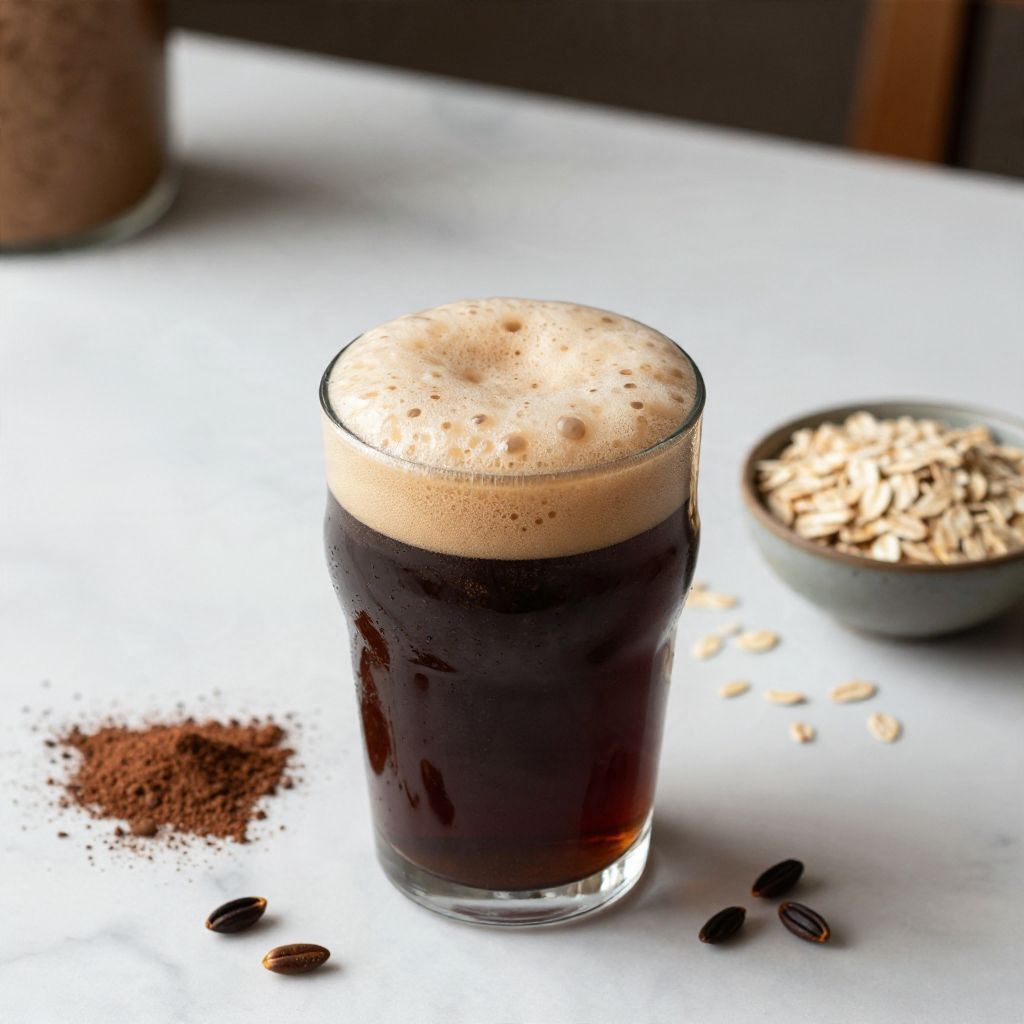
Imagine a cozy evening wrapped in a blanket, with the rich aroma of chocolate and roasted malt wafting through the air. This Chocolate Oatmeal Stout Recipe is a delightful way to bring warmth and comfort to your home, combining the deep flavors of stout with the sweetness of chocolate.
Why You’ll Love This Recipe
This stout is not just a drink; it’s an experience.
- Rich chocolate flavor that satisfies your sweet tooth.
- Creamy texture from the oatmeal, making it smooth and velvety.
- Perfect for pairing with desserts or enjoying on its own.
- Customizable with various flavor add-ins like vanilla or coffee.
- Great for sharing at gatherings or savoring solo.
My Experience Making This Recipe
When I first made this stout, the kitchen filled with the intoxicating scent of chocolate and malt. It was hard to resist sneaking a taste before it even finished fermenting.
The final product was a hit among friends; everyone couldn’t believe how smooth and flavorful it turned out. I loved watching their surprise as they took their first sips!
Recipe Overview
- Recipe Name: Chocolate Oatmeal Stout
- Servings: 5 gallons
- Prep Time: 30 minutes
- Cook Time: 60 minutes
- Total Time: Approximately 4 weeks (including fermentation)
- Course: Beverage
- Cuisine: American
- Calories per Serving: Approximately 250
Equipment You Will Need
- Brew kettle (at least 5 gallons)
- Fermentation vessel
- Airlock and stopper
- Thermometer
- Siphon or racking cane
- Bottling equipment
- Sanitizing solution
Ingredients for Chocolate Oatmeal Stout
- 10 lbs Pale Malt
- 1 lb Chocolate Malt
- 1 lb Crystal Malt (60L)
- 1 lb Flaked Oats
- 1 oz Fuggle hops
- 1 oz East Kent Goldings hops
- 1 packet of English Ale yeast
- 5 oz cocoa powder
- 5 oz priming sugar (for bottling)
Ingredient Notes and Substitutions
- Pale Malt: It serves as the base malt. You can substitute it with a light Munich malt for added sweetness.
- Flaked Oats: They provide smoothness. You can replace them with flaked barley if needed.
- Chocolate Malt: This adds rich color and flavor. Black malt can be a substitute, but use less to avoid bitterness.
- Hops: Fuggle hops give a mild bitterness. You can use Cascade hops for a different aroma and flavor.
- English Ale yeast: This yeast strain creates a nice profile. A neutral ale yeast can be used for a cleaner taste.
How to Make Chocolate Oatmeal Stout
Step 1: Prepare the Mash
Start by heating 3 gallons of water to about 160°F. This temperature helps to extract sugars from the grains effectively.
Step 2: Add the Grains
Add the pale malt, chocolate malt, crystal malt, and flaked oats to the water. Stir well to ensure all the grains are submerged.
Step 3: Mash the Mixture
Let the mash sit for about 60 minutes, maintaining a temperature of around 150°F. This allows the enzymes to convert starches into sugars.
Step 4: Sparge the Grains
After mashing, sparge the grains with 170°F water to rinse out the sugars. This step maximizes your yield and enhances flavor.
Step 5: Boil the Wort
Bring the collected liquid (wort) to a boil. Once boiling, add the Fuggle hops for bitterness.
Step 6: Add Cocoa Powder
Ten minutes before the boil ends, add the cocoa powder. This infuses a rich chocolate flavor into the stout.
Step 7: Cool the Wort
Once the boil is complete, cool the wort as quickly as possible. Rapid cooling prevents unwanted bacteria from spoiling the beer.
Step 8: Ferment
Transfer the cooled wort to your fermentation vessel and pitch the yeast. Seal it with an airlock and let it ferment for about two weeks.
Pro Tip: Always sanitize your equipment to prevent contamination and off-flavors in your stout.
Tips for the Best Chocolate Oatmeal Stout
- Use fresh ingredients for the best flavor; stale hops can ruin your brew.
- Monitor fermentation temperature; too warm or cold can affect yeast activity.
- Patience is key; let it condition for a few weeks for the best taste.
- Taste your beer before bottling; adjust bitterness if necessary with a small hop addition.
- Experiment with add-ins like vanilla beans or coffee for unique flavor profiles.
Common Mistakes to Avoid
- Skipping sanitization; this leads to infections and off-flavors.
- Not controlling fermentation temperature; extreme temps can kill yeast.
- Rushing the cooling process; this can introduce bacteria.
- Using old hops; they lose potency and flavor over time.
- Not taste-testing; this step helps adjust flavors before bottling.
Serving Suggestions
This stout pairs beautifully with rich desserts or savory dishes.
- Chocolate cake or brownies for a decadent treat.
- Grilled meats for a smoky contrast.
- Cheesecake, especially with chocolate or caramel.
- Spicy foods that balance the stout’s sweetness.
- Dark chocolate truffles for an indulgent experience.
Variations to Try
- Add coffee grounds during the boil for a mocha flavor.
- Incorporate orange zest for a citrusy twist.
- Try adding chili peppers for a spicy kick.
- Use different types of malt for unique flavor notes.
- Experiment with barrel aging for added complexity.
Dietary Adaptations
- Gluten-free: Use gluten-free grains like sorghum or rice malt.
- Dairy-free: This recipe is naturally dairy-free, so no changes are needed.
- Vegan: Ensure the yeast and any additives are vegan-friendly for a plant-based brew.
- Low-carb/keto: Consider using low-carb malt alternatives for a lighter brew.
Storage and Reheating
Refrigerator
Store your stout in a cool, dark place. This helps maintain its flavor and quality.
- Keep it upright to prevent sediment disturbance.
- Consume within six months for the best taste.
Freezer
Freezing beer is generally not recommended, as it can alter the texture and flavor. However, if necessary, seal it tightly before freezing.
- Store in a suitable container to prevent expansion damage.
- Thaw slowly in the refrigerator before drinking.
Reheating
Reheating beer is not typical, but if you must, do so gently. Avoid boiling, as this can lead to off-flavors.
- Warm it gently in a pot over low heat.
- Consider adding a sweetener or spice for a cozy drink.
Nutrition Information
| Nutrient | Amount |
|---|---|
| Calories | 250 |
| Total Fat | 5g |
| Saturated Fat | 1g |
| Carbohydrates | 40g |
| Fiber | 2g |
| Sugar | 8g |
| Protein | 7g |
| Sodium | 10mg |
| Cholesterol | 0mg |
Nutrition values may vary based on specific ingredients and measurement variations.
Frequently Asked Questions
Can I use a different type of yeast?
Yes, you can use different yeast strains, but it may change the flavor profile of your stout.
How long can I store my stout?
It’s best enjoyed fresh, but you can store it for up to six months if kept properly.
Can I make this stout gluten-free?
Absolutely! Use gluten-free malt alternatives to create a gluten-free version.
What should I do if my stout is too bitter?
If it’s too bitter, you can blend it with a sweeter beer or add some sugar during bottling.
How can I tell if my beer is fermented properly?
Look for bubbles in the airlock and a decrease in specific gravity over time to ensure proper fermentation.
Final Thoughts
This Chocolate Oatmeal Stout Recipe is a wonderful addition to your brewing repertoire. With its rich flavors and smooth texture, it’s bound to impress anyone lucky enough to have a taste.
Don’t hesitate to experiment and make it your own. Happy brewing!
If you’re looking for more delicious recipes, check out this stout recipe or try a comforting Mexican champurrado recipe.
Chocolate Oatmeal Stout
Ingredients
Equipment
Method
- Start by heating 3 gallons of water to about 160°F.
- Add the pale malt, chocolate malt, crystal malt, and flaked oats to the water. Stir well.
- Let the mash sit for about 60 minutes at around 150°F.
- After mashing, sparge the grains with 170°F water.
- Bring the collected liquid (wort) to a boil and add the Fuggle hops.
- Ten minutes before the boil ends, add the cocoa powder.
- Once the boil is complete, cool the wort quickly.
- Transfer the cooled wort to your fermentation vessel and pitch the yeast.
- Seal it with an airlock and let it ferment for about two weeks.