
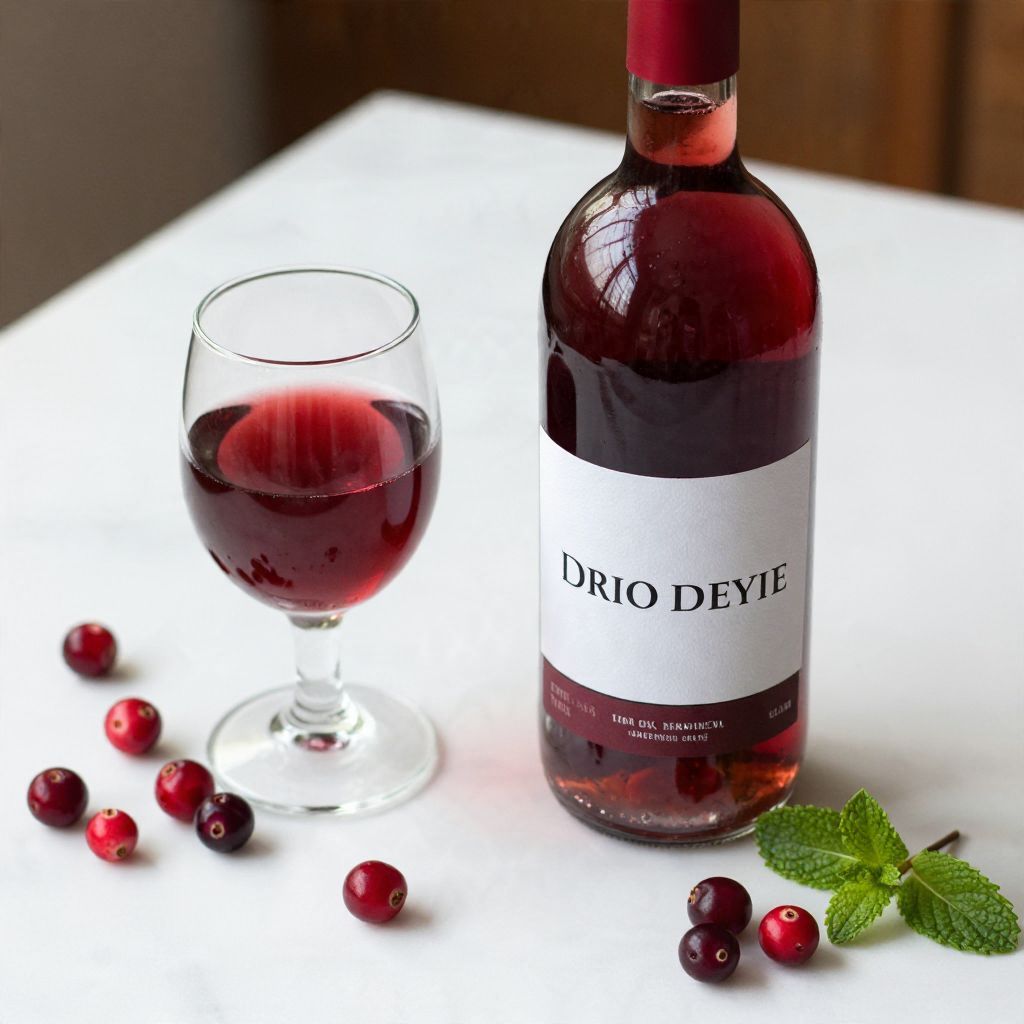
Imagine the rich aroma of fermented cranberries filling your kitchen, hinting at the delightful wine you’ll soon enjoy. This Cranberry Wine Recipe by Jack Keller is not just a drink; it’s a celebration of flavors that balances tartness and sweetness perfectly.
Crafting your own wine may sound intimidating, but this recipe is approachable and incredibly rewarding. The vibrant color and refreshing taste make it a fantastic addition to any gathering or a cozy night in.
Why You’ll Love This Recipe
This recipe is a gem for both novice and seasoned winemakers. It offers a burst of flavor and a sense of accomplishment.
- Perfect blend of tart and sweet flavors.
- Easy to follow, even for beginners.
- Customizable to suit your taste preferences.
- Creates a beautiful homemade gift.
- Great for special occasions or casual sipping.
My Experience Making This Recipe
The first time I made this wine, I was amazed by how simple it was. The kitchen smelled heavenly as the cranberries simmered, and I couldn’t wait for the fermentation process to unfold.
When it was finally ready, I shared it with friends at a dinner party. Their faces lit up with every sip, and I knew I had stumbled upon something special.
Recipe Overview
- Recipe Name: Cranberry Wine
- Servings: 6-8
- Prep Time: 30 minutes
- Cook Time: 1 hour
- Total Time: 6 weeks (including fermentation)
- Course: Beverage
- Cuisine: American
- Calories per Serving: 150
Equipment You Will Need
- Large pot
- Fermentation vessel (glass carboy or food-grade bucket)
- Airlock and stopper
- Funnel
- Strainer or cheesecloth
- Bottles for storage
Ingredients for Cranberry Wine
- 4 cups fresh or frozen cranberries
- 1 cup granulated sugar
- 1 gallon water
- 1 teaspoon yeast nutrient
- 1/4 teaspoon champagne yeast
- 1/4 teaspoon potassium metabisulfite (optional, for sterilization)
Ingredient Notes and Substitutions
- Cranberries: These give the wine its distinct flavor. You can substitute with other berries like blueberries for a different profile.
- Granulated sugar: Used to ferment and sweeten the wine. Honey can be a natural alternative, but it will change the flavor.
- Champagne yeast: This yeast is ideal for fermentation. You can use other wine yeasts, but results may vary.
- Potassium metabisulfite: It helps to prevent spoilage. If you prefer, you can skip it and just ensure everything is sanitized.
How to Make Cranberry Wine
Step 1: Prepare the Cranberries
Begin by rinsing the cranberries thoroughly to remove any dirt or impurities. This ensures a clean flavor in your wine.
Step 2: Simmer the Cranberries
In a large pot, combine the cranberries and water. Bring to a gentle boil, then reduce heat and simmer for about 30 minutes to release the juices.
Step 3: Strain the Mixture
After simmering, use a strainer or cheesecloth to separate the liquid from the cranberry solids. This step gives your wine clarity and prevents unwanted pulp.
Step 4: Add Sugar and Yeast Nutrient
While the mixture is still warm, stir in the granulated sugar and yeast nutrient until fully dissolved. This will help the fermentation process thrive.
Step 5: Cool the Mixture
Allow the liquid to cool to room temperature. This is crucial because adding yeast to a hot mixture can kill it, preventing fermentation.
Step 6: Add Yeast
Once cooled, sprinkle the champagne yeast over the surface of the liquid. Stir gently to incorporate, ensuring the yeast is evenly distributed.
Step 7: Transfer to Fermentation Vessel
Using a funnel, pour the mixture into your fermentation vessel, leaving some space at the top. Seal it with an airlock to allow gases to escape while preventing contaminants.
Step 8: Ferment and Bottle
Let the wine ferment in a cool, dark place for about 4 to 6 weeks. Once fermentation is complete, siphon the wine into clean bottles, leaving sediment behind.
Pro Tip: Patience is key; the longer you let the wine age, the better the flavor will be!
Tips for the Best Cranberry Wine
- Use fresh cranberries for the best flavor. Frozen ones will work, but fresh is always ideal.
- Monitor the fermentation temperature. Keeping it between 65°F and 75°F helps the yeast thrive.
- Sanitize all equipment thoroughly. This prevents contamination and off-flavors.
- Don’t rush the bottling process. Allow sufficient time for fermentation and aging.
- Experiment with different fruits. Mixing cranberries with apples or pears can offer delightful variations.
Common Mistakes to Avoid
- Not sanitizing equipment: This can lead to spoilage and off-flavors.
- Adding yeast to a hot mixture: It will kill the yeast and stop fermentation.
- Rushing the fermentation: Allowing it enough time is crucial for flavor development.
- Skipping the straining step: This can result in a gritty wine with unwanted particles.
Serving Suggestions
Cranberry wine shines when paired with the right foods. Its tartness complements various dishes beautifully.
- Cheese platter with sharp cheddar and brie.
- Roast turkey or chicken for a seasonal touch.
- Spicy Asian dishes that balance the sweetness.
- Chocolate desserts for a decadent pairing.
Variations to Try
- Add orange zest for a citrusy twist that brightens the flavor.
- Mix in spices like cinnamon or cloves for a warm, spiced profile.
- Combine with other fruits such as apple or raspberry for a unique blend.
- Use honey instead of sugar for a more complex sweetness.
Dietary Adaptations
- Gluten-free: This recipe is naturally gluten-free.
- Dairy-free: No dairy ingredients are used.
- Vegan: This recipe is suitable for vegans.
- Low-carb/keto: Reduce sugar to lower carb content, but it may affect fermentation.
Storage and Reheating
Refrigerator
Store opened bottles in the refrigerator for up to a month. Ensure they are sealed tightly.
- Use a wine stopper for better preservation.
- Keep bottles upright to minimize oxidation.
Freezer
Freezing wine is not recommended as it can alter the texture and flavor. Instead, consider making smaller batches.
- Store in small, sealed containers if absolutely necessary.
Reheating
If you prefer warm wine, gently heat it on the stove. Avoid boiling, as this can ruin the flavor.
- Warm in a saucepan over low heat for best results.
Nutrition Information
| Nutrient | Amount |
|---|---|
| Calories | 150 |
| Total Fat | 0g |
| Saturated Fat | 0g |
| Carbohydrates | 20g |
| Fiber | 1g |
| Sugar | 18g |
| Protein | 0g |
| Sodium | 5mg |
| Cholesterol | 0mg |
This information can vary based on the exact ingredients used.
Frequently Asked Questions
Can I use other fruits instead of cranberries?
Yes, fruits like blueberries or raspberries can create delightful variations in flavor.
How long can I store the wine?
Homemade wine can last for about a year if stored properly in a cool, dark place.
Can I make this wine ahead of time?
Absolutely! In fact, making it a few months in advance will enhance the flavors.
What if my wine doesn’t ferment?
This could be due to inactive yeast or incorrect temperatures. Make sure everything is sanitized and at the right temperature for fermentation.
Is it possible to carbonate this wine?
Yes, you can carbonate it by adding sugar before bottling, but be cautious to avoid over-carbonation.
Final Thoughts
Making your own cranberry wine is a fun and rewarding experience. With each sip, you’ll appreciate the effort and love you put into it.
So gather your ingredients and start brewing this delightful drink. Don’t forget to check out how to make fresh cranberry juice or try a refreshing cranberry paloma for more tasty adventures in your kitchen.
Cranberry Wine
Ingredients
Equipment
Method
- Rinse the cranberries thoroughly to remove any dirt.
- In a large pot, combine the cranberries and water and bring to a gentle boil.
- Reduce heat and simmer for about 30 minutes to release the juices.
- Use a strainer or cheesecloth to separate the liquid from the cranberry solids.
- Stir in the granulated sugar and yeast nutrient until fully dissolved while the mixture is still warm.
- Allow the liquid to cool to room temperature.
- Sprinkle the champagne yeast over the surface of the liquid and stir gently.
- Pour the mixture into your fermentation vessel using a funnel and seal it with an airlock.
- Let the wine ferment in a cool, dark place for about 4 to 6 weeks.
- Once fermentation is complete, siphon the wine into clean bottles.