
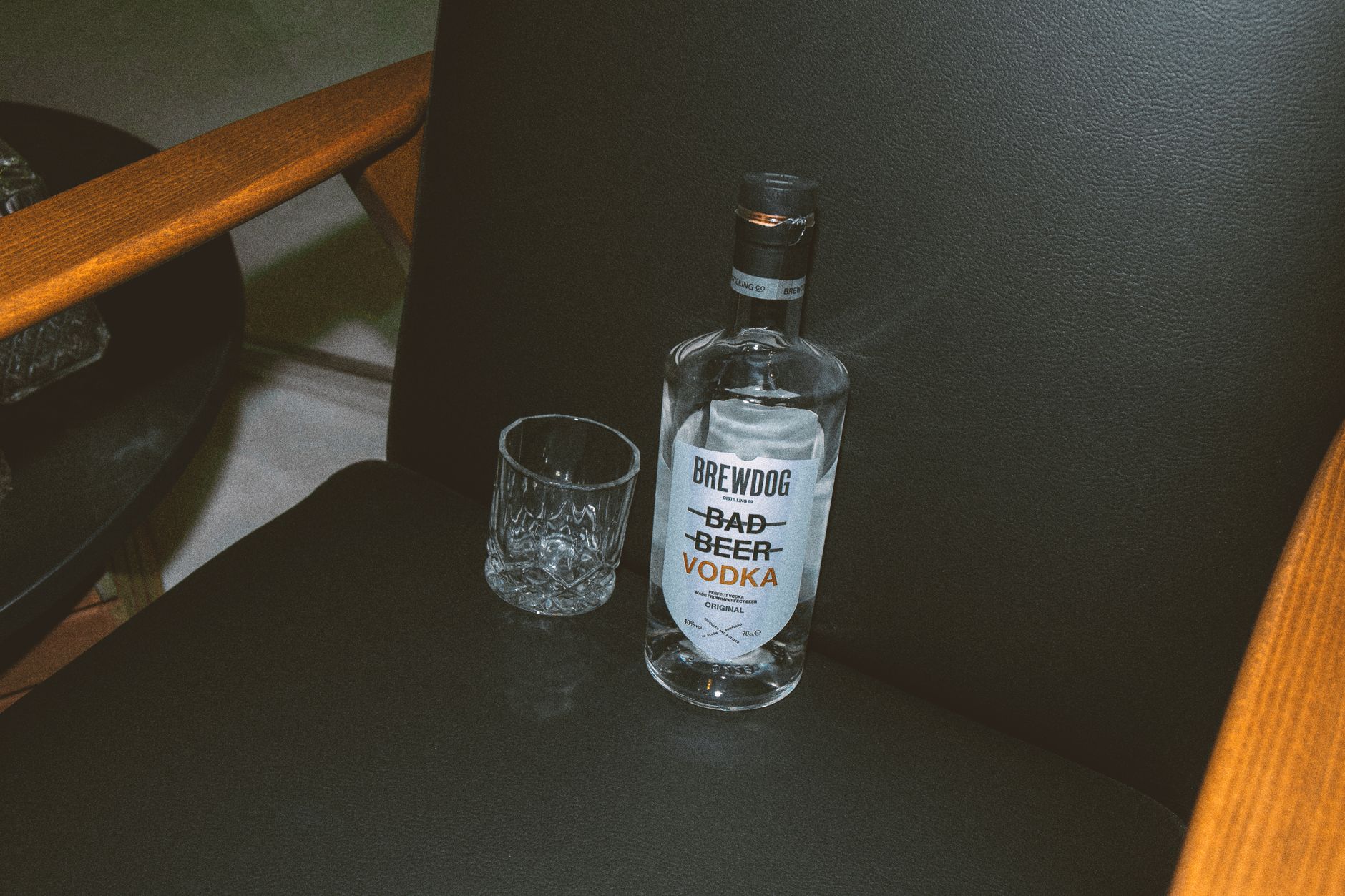
Vodka is a popular spirit enjoyed around the world, often used in mixed drinks and cocktails. Understanding how long it remains good after opening is essential for maintaining quality and flavor. This article delves into the lifespan of vodka post-opening, best practices for storage, and helpful tips for keeping your liquor in top condition.
Whether you’re a casual drinker or a cocktail enthusiast, proper knowledge about vodka’s shelf life can enhance your drinking experience. Let’s explore how long vodka is good for after opening and how to maximize its longevity.
How Long Is Vodka Good For After Opening?
Once opened, vodka can last indefinitely if stored properly. While this spirit doesn’t spoil or go bad like perishable foods, the flavor may gradually change over time due to oxidation. Generally, vodka maintains its best quality for about 10 to 20 years, but this can vary based on storage conditions and whether it has been exposed to air.
What Affects Vodka’s Shelf Life?
Several factors contribute to how long vodka remains good after opening:
- Air Exposure: Oxygen can lead to oxidation, which may alter the flavor of vodka over time.
- Temperature: Vodka is best stored in a cool and dark place to prevent thermal degradation.
- Container: The type of bottle used for storage (glass versus plastic) can influence the spirit’s longevity.
- Alcohol Content: Higher alcohol content can inhibit bacterial growth and preserve quality longer.
Storage Tips for Opened Vodka
Proper storage is key to maintaining the quality of your opened vodka. Below are some practical tips to consider:
1. Keep it Sealed
Always keep the bottle tightly sealed when not in use to minimize air exposure. Consider using a vacuum pump to remove air from the bottle for longer-lasting conditions.
2. Store Upright
Store your vodka upright to prevent any possible leakage or evaporation of the liquid. This also helps protect the cork or cap from the alcohol, which can degrade some materials over time.
3. Choose a Cool, Dark Location
Keep vodka in a cool, dark pantry or cabinet away from direct sunlight and heat sources. Avoid storing it in the kitchen cabinet above the stove, as fluctuating temperatures can decrease quality.
4. Avoid Frequent Temperature Changes
Significant temperature changes can introduce condensation and lead to oxidation. Try to keep the vodka in a consistent, cool environment.
5. Use Glass Bottles for Storage
If possible, store vodka in glass bottles rather than plastic since plastics can permit some air over time, leading to flavor changes.
How to Tell If Vodka Has Gone Bad
While vodka doesn’t spoil in the traditional sense, you may notice changes that indicate it’s no longer at peak quality. Here are some signs:
- Off Odor: If the vodka has developed a strange or unpleasant smell, it may be best to discard it.
- Change in Flavor: A significant alteration in flavor may indicate oxidation has occurred.
- Appearance: If you see any unusual particulates or cloudiness in the vodka, it’s advisable to err on the side of caution.
Types of Vodka and Their Lifespans
Different types of vodka may have various storage requirements and shelf lives. Here’s a brief overview:
1. Standard Vodka
Most standard vodkas have a long shelf life. When kept sealed and stored correctly, they can last many years without significant quality loss.
2. Flavored Vodka
Flavored vodka can last about three to five years after opening. The additives in flavored vodka may lead to quicker degradation than traditional varieties. Store flavored vodka in a similar manner as standard vodka and consume it within a reasonable time frame for the best taste.
3. Premium Vodka
Higher-end or small-batch vodkas may have different ingredients and filtration methods. While they can last for years, the unique flavors and qualities might diminish more quickly after opening. Enjoying premium vodka sooner rather than later will generally give you a better taste experience.
Creative Ways to Use Leftover Vodka
If you have vodka that you’re deciding whether to keep, consider these creative applications:
- Cocktails: Use your vodka to make classic cocktails such as a Vodka Martini or Bloody Mary.
- Vodka Sauce: Incorporate vodka into pasta sauces for a flavorful twist.
- Infused Vodka: Experiment by infusing your vodka with fruits, herbs, or spices to create unique flavors.
- Cleaning Agent: Vodka can be used as a natural cleaning agent. Its alcohol content helps disinfect surfaces.
Conclusion
Opened vodka can last indefinitely if stored properly, maintaining its flavor for many years. By ensuring it’s sealed tightly and stored in a cool, dark place, you can preserve the quality of your spirit for the long term. If you notice any changes in the flavor or smell, it may be time to replace your bottle.
Feel free to explore new recipes, such as the delicious Vodka Press or refreshing Vodka Cranberry, to enjoy your vodka while it’s still in prime condition. Happy mixing!