
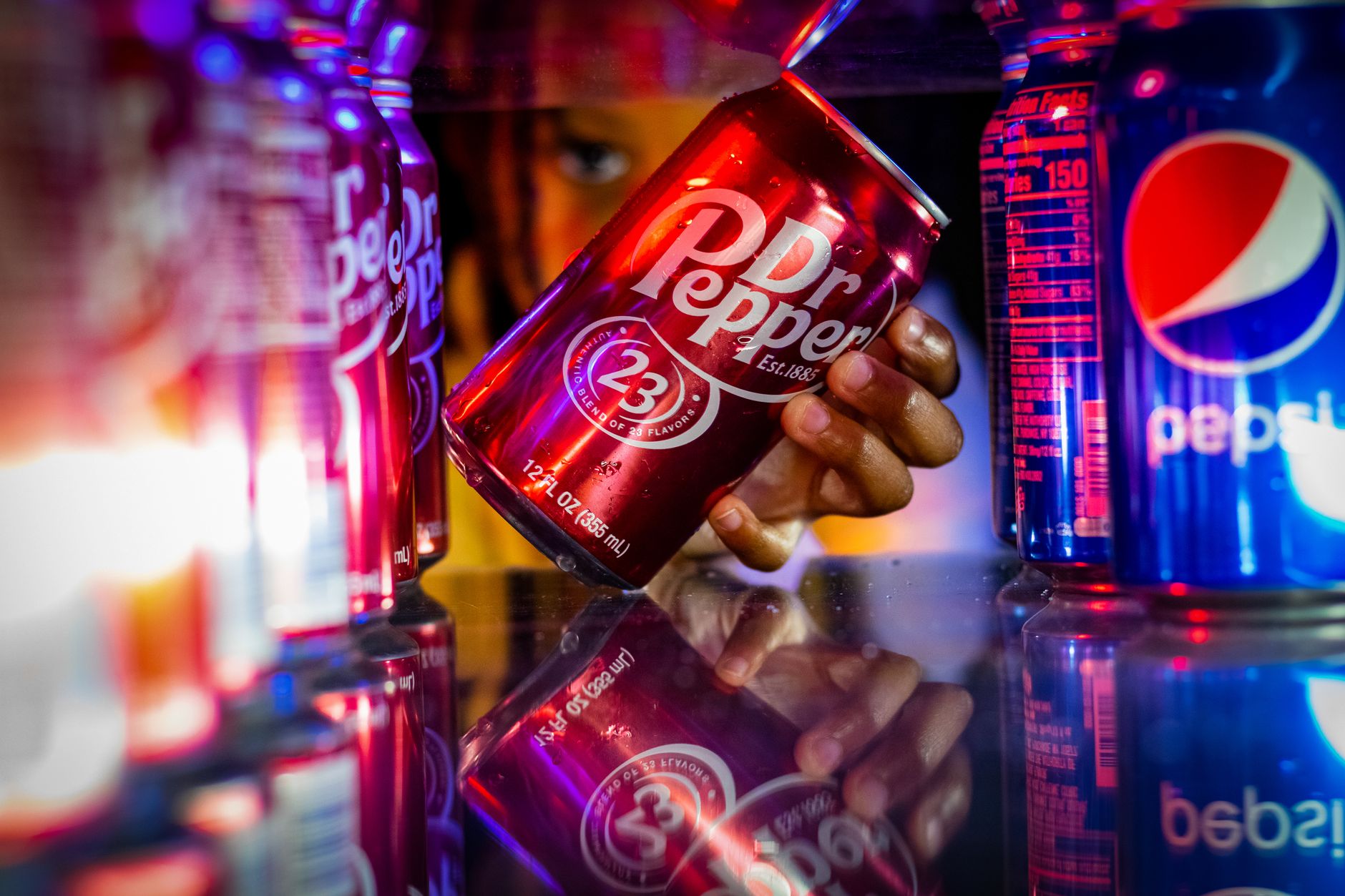
Many people enjoy the distinct, rich flavor of Dr Pepper, a beloved carbonated beverage. However, some consumers report an unexpected side effect: the sudden urge to poop. This article explores the reasons behind this phenomenon, examining the ingredients and components in Dr Pepper that may influence bowel movements.
Understanding why certain foods and drinks affect our digestive systems helps us make informed choices about what we consume. Armed with the right knowledge, you can enjoy Dr Pepper while being mindful of its potential effects on your body.
Why Does Dr Pepper Make Me Poop?
Dr Pepper makes some individuals poop due to a combination of its caffeine content, carbonation, and sugar levels. Caffeine can stimulate bowel movements, while carbonation can promote gas and bloating, potentially triggering a digestive response. Additionally, the high sugar content may affect gut motility, especially in sensitive individuals.
The Role of Caffeine in Dr Pepper
Caffeine is a well-known stimulant found in many soft drinks, coffee, and tea. In Dr Pepper, caffeine plays a significant role in how it affects bodily functions, including digestion.
How Caffeine Affects Digestion
Caffeine encourages the colon to contract, which can lead to quicker stool passage. This stimulant effect may cause more frequent bowel movements in some individuals. Here’s how it works:
- Stimulates Peristalsis: Caffeine can accelerate the movement of food through the digestive tract.
- Increases Gastric Acid Production: Caffeine influences stomach acid secretion, which may speed up digestion.
- May Cause Dehydration: Caffeine has mild diuretic effects, leading to increased water loss. Dehydration can sometimes cause changes in bowel habits.
The Carbonation Factor
The carbonation in Dr Pepper (and other sparkling beverages) is another key reason why consumption may lead to bowel urgency. Carbonated drinks contain carbon dioxide, which creates bubbles and provides that signature fizz.
How Carbonation Impacts the Gut
When you consume a carbonated beverage, the gas can accumulate in the stomach and intestines, leading to an increase in discomfort and bloating.
- Increased Gas Production: Carbon dioxide contributes to feelings of fullness and pressure in the digestive tract.
- Stimulates the Gut: The presence of gas may stimulate digestive reflexes, potentially leading to an urge to relieve oneself.
- Can Cause Bloating: Excess carbonation can commonly lead to bloating, which may stimulate bowel activity.
The Influence of Sugar
Dr Pepper contains a significant amount of sugar, which can also contribute to gastrointestinal movements. High-sugar beverages can affect individuals differently, especially if they have preexisting sensitivities or digestive issues.
How Sugar Affects the Body
Here’s how sugar in beverages like Dr Pepper can impact your digestive system:
- Osmotic Effect: Sugars can draw water into the intestines, leading to softer stools and quicker bowel movements.
- Fermentation by Gut Bacteria: Some sugars can ferment in the gut, producing gas, which can lead to bloating and discomfort.
- Influence on Gut Motility: High sugar intake may stimulate intestinal contractions, leading to faster transit times.
Individual Sensitivities and Reactions
It’s important to note that everyone’s digestive system is different. Some individuals may have heightened sensitivities to the ingredients in Dr Pepper, making them more susceptible to digestive issues.
Factors Influencing Sensitivity
- Diet: A person’s regular eating habits can significantly affect how their body responds to drinks like Dr Pepper.
- Pre-existing Conditions: Conditions like Irritable Bowel Syndrome (IBS) or lactose intolerance can heighten sensitivity to certain ingredients.
- Hydration Levels: Proper hydration may mitigate some of caffeine’s dehydrating effects and influence digestion.
Potential Health Considerations
While occasional consumption of Dr Pepper may not cause significant issues for most people, regular intake could affect gut health. Excessive sugar and caffeine may lead to problems over time.
Long-Term Effects of Excessive Consumption
- Erosion of Tooth Enamel: Frequent exposure to sugary drinks can damage dental health.
- Risk of Weight Gain: High sugar consumption is linked to obesity and related health issues.
- Gastrointestinal Disturbances: Regular consumption may lead to chronic gastrointestinal discomfort in some individuals.
Managing Digestive Effects While Enjoying Dr Pepper
If you love Dr Pepper but want to minimize its digestive effects, consider the following tips:
Tips for Consumption
- Moderation: Limit intake to reduce the likelihood of digestive distress.
- Stay Hydrated: Drink plenty of water to counteract potential dehydration from the caffeine.
- Choose Alternative Forms: Consider low-sugar or caffeine-free versions if you notice persistent issues.
Alternative Drinks to Consider
If Dr Pepper consistently causes digestive issues, consider trying other beverages that are gentler on your stomach.
Gentle Alternatives
- Herbal Teas: Chamomile and peppermint tea can help soothe digestive tracts.
- Sparkling Water: Offers fizz without high sugar or caffeine content.
- Fresh Fruit Juices: Opt for low-sugar options that provide hydration without added sugar.
Reevaluating Your Consumption
It’s crucial to evaluate how Dr Pepper fits into your diet and lifestyle. If it causes discomfort, consult a healthcare professional to explore any underlying issues. Sometimes, digestive disturbances can be a sign of something more significant.
When to Seek Medical Advice
If your digestive issues persist, consider discussing them with a healthcare provider. Conditions worth examining include:
- Gastroesophageal Reflux Disease (GERD): If you often experience heartburn or acid reflux after consuming sugary or carbonated beverages.
- Irritable Bowel Syndrome (IBS): If you’re experiencing chronic bloating, pain, or irregular bowel movements.
- Food Intolerances: Food sensitivity testing may help identify any problematic foods or drinks.
Conclusion
Dr Pepper can impact your digestive system due to its caffeine, carbonation, and sugar content. Each of these components may stimulate bowel movements or alter gut motility in some people. Understanding how these factors contribute to your digestive health allows for better choices regarding drink consumption.
If you enjoy Dr Pepper, do so mindfully, and consider keeping track of your symptoms to determine a comfortable intake level. If problems persist, feedback from healthcare professionals can provide tailored advice for your digestive concerns.
Explore related articles and resources to enhance your culinary journey, or visit our food guides to learn more about beverages, cooking tips, and meal planning strategies!