
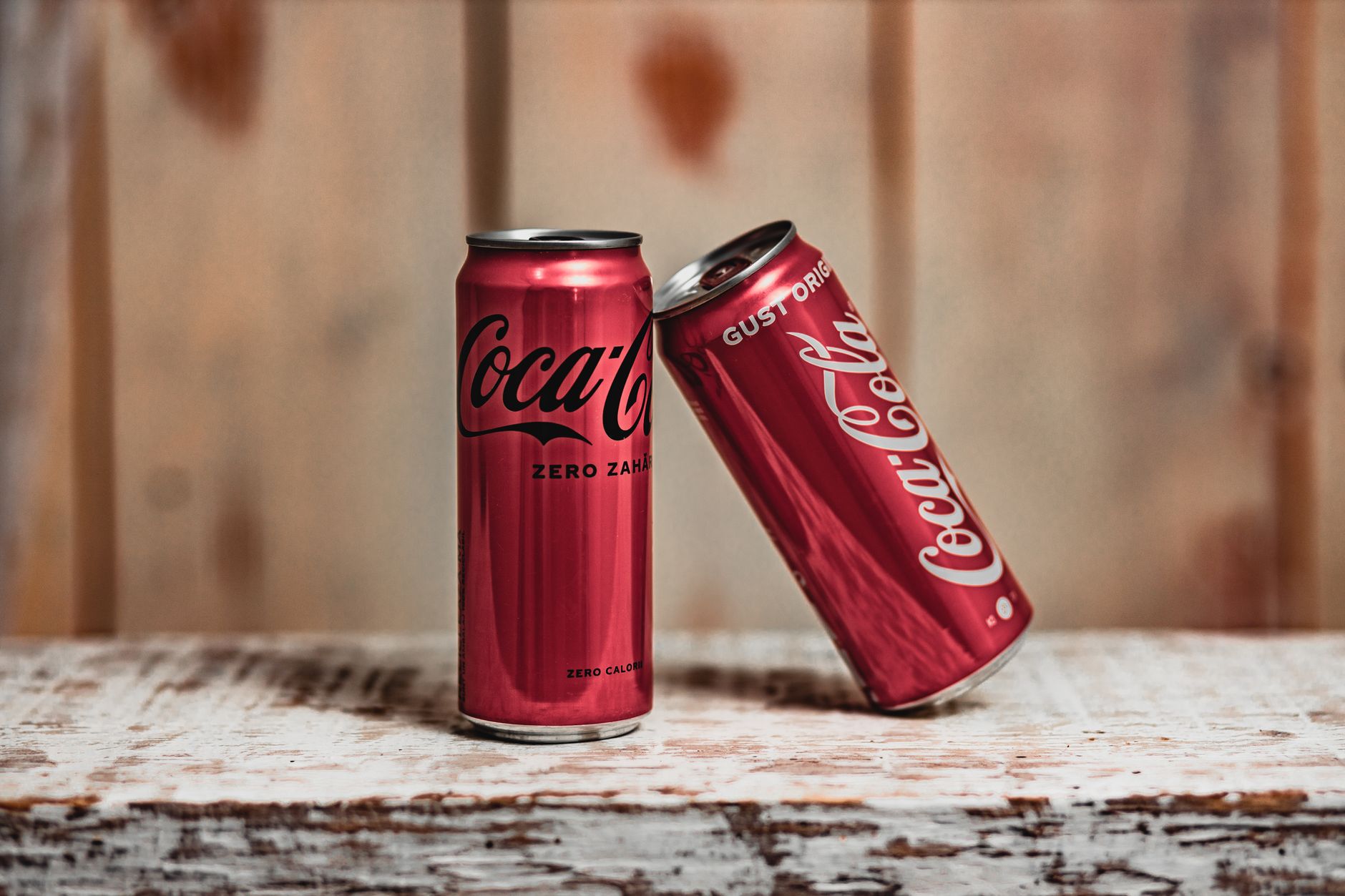
Zero Coke, known for its popular alternative to traditional sugary sodas, raises a common question: does it contain sugar? Understanding the ingredients in Zero Coke is crucial for consumers looking to reduce their sugar intake while still enjoying a carbonated beverage. This article delves into the composition of Zero Coke, its sweeteners, nutritional implications, and how it fits into various dietary habits.
As health awareness grows, many people are turning to sugar-free beverages in an effort to manage their diets better. In this guide, we’ll explore the ingredients of Zero Coke, the role of artificial sweeteners, and other related topics that will help you make informed choices about this iconic drink.
Does Zero Coke Have Sugar?
No, Zero Coke does not contain sugar. Instead, it is sweetened with artificial sweeteners like aspartame and acesulfame potassium, which provide a sweet taste without the calories associated with sugar. This makes it an appealing option for those looking to reduce sugar intake.
Understanding Ingredients in Zero Coke
To understand what makes Zero Coke tick, let’s take a look at its primary ingredients:
- Carbonated Water: This is the base of Zero Coke, providing the fizzy texture.
- Coloring: Caramel color is typically used to give the drink its distinctive dark color.
- Phosphoric Acid: This ingredient adds a tangy taste and acts as a preservative.
- Caffeine: Present in varying amounts, caffeine contributes to the drink’s flavor and provides an energy boost.
- Artificial Sweeteners: Aspartame and acesulfame potassium are used to create sweetness without sugar. They mimic the sugar taste but contain few to no calories.
- Flavoring: Natural and artificial flavorings, including cola extracts, provide the characteristic taste.
The Sweetener Story: Aspartame and Acesulfame Potassium
The lack of sugar in Zero Coke does not mean it’s devoid of sweetness. The drink obtains its flavor profile through artificial sweeteners, primarily:
Aspartame
Aspartame is about 200 times sweeter than sucrose (table sugar) and contributes minimal calories, making it a popular choice in many diet beverages. While generally recognized as safe by food safety authorities, some individuals may have sensitivities to aspartame.
Acesulfame Potassium
This sweetener is often used in conjunction with aspartame to enhance sweetness. It is heat-stable and, thus, can be used in cooking and baking. Acesulfame potassium does not contribute to caloric intake, serving as an effective sugar substitute.
Nutritional Profile of Zero Coke
Despite being a sugar-free beverage, understanding the nutritional aspects of Zero Coke is essential. Here’s a look at its general composition per serving (12 oz):
- Calories: 0
- Total Fat: 0g
- Sodium: 40mg
- Total Carbohydrates: 0g
- Sugars: 0g
- Protein: 0g
This profile indicates that Zero Coke contains no significant macronutrients or calories, making it an appealing option for individuals watching their dietary intake. It’s primarily enjoyed for its flavor rather than its nutritional value.
Benefits and Drawbacks of Drinking Zero Coke
When considering whether to include Zero Coke in your diet, it’s important to weigh the pros and cons:
Benefits
- Low-Calorie Alternative: Zero Coke offers a sweet, satisfying beverage experience without the calories of sugar-laden drinks.
- No Sugar: Beneficial for those following low-carb, ketogenic, or sugar-free diets.
- Increased Hydration: While not a substitute for water, Zero Coke can contribute to fluid intake.
Drawbacks
- Artificial Ingredients: Some people may prefer to avoid artificial sweeteners and additives.
- Health Concerns: Certain individuals, particularly those with phenylketonuria (PKU), must avoid aspartame.
- Potential Appetite Changes: Some research suggests that consuming artificially sweetened beverages may affect cravings and appetite, although findings are not conclusive.
How Zero Coke Fits into Different Diets
Zero Coke can be an attractive option for various dietary preferences. Let’s explore how it fits into some common diets:
Keto Diet
The ketogenic diet focuses on low carbohydrate intake, and Zero Coke, being free of carbohydrates and calories, can fit seamlessly into this lifestyle, providing a sweet flavor without the sugar hit.
Weight Loss Plans
For those managing their weight, Zero Coke can serve as a satisfying substitute for traditional sodas. Its low-calorie, zero-sugar nature can help reduce overall caloric intake without sacrificing flavor.
Diabetes Management
Individuals with diabetes often seek out alternatives to sugary beverages. Zero Coke, with no sugar or carbohydrates, can provide a safe option while still enjoying a fizzy drink.
General Health and Wellness
For health-conscious consumers, incorporating Zero Coke in moderation might be aligned with their goals, but it’s essential to consider the overall dietary intake focused on whole foods rather than processed options.
Alternatives to Zero Coke
If you are seeking alternatives to Zero Coke that also provide a sugar-free experience, consider the following options:
Other Diet Sodas
- Diet Pepsi: Another popular low-calorie option sweetened with aspartame.
- Dr. Pepper Zero Sugar: For those craving a different flavor profile.
Flavored Sparkling Water
If you want to avoid artificial sweeteners altogether, flavored sparkling water can be a refreshing choice that offers fizz without added sugars or chemicals.
Homemade Sodas
Making your own soda is an option for those preferring natural ingredients. Combining carbonated water with fresh fruit juices and herbs can create a refreshing alternative without artificial additives.
Occasional Versus Daily Consumption
When it comes to beverages like Zero Coke, moderation is key. While enjoying a can occasionally may not pose problems, regular consumption could lead to dependency on artificial sweeteners or higher caffeine intake. Balancing soda with water and other hydrating beverages supports overall health.
Common Misconceptions About Zero Coke
There are several myths surrounding diet sodas like Zero Coke that can lead to confusion:
Myth: Diet Sodas Cause Weight Gain
While some studies suggest that the consumption of diet sodas can be linked to weight gain, the correlation is not straightforward. Factors such as overall diet and lifestyle play significant roles.
Myth: Artificial Sweeteners are Unhealthy
Despite common misconceptions, regulatory bodies have deemed artificial sweeteners generally safe for consumption within established limits. However, personal preference and individual tolerance should guide choices.
Making an Informed Choice
Ultimately, whether or not to consume Zero Coke comes down to personal preference and nutritional goals. Here are some tips for making informed decisions:
- Read Labels: Always check the ingredient list and nutritional information.
- Consider Your Goals: Align your beverage choices with personal dietary goals.
- Moderation is Key: Incorporate into your diet thoughtfully without overindulgence.
Storage Tips for Opened Soda
If you find yourself with leftover Zero Coke, proper storage can maintain its fizz and flavor:
Refrigeration
After opening, keep Zero Coke in the refrigerator to extend its freshness. Seal it tightly to prevent the loss of carbonation.
Duration
While unopened cans of soda have a long shelf life, opened cans should be consumed within a few days for the best taste quality. Even stored properly, the carbonation diminishes over time.
Conclusion
Zero Coke provides a sugar-free alternative for those looking to enjoy a soft drink without the associated calories or sugars. The use of artificial sweeteners allows for flavor without impact on blood sugar levels, making Zero Coke suitable for various dietary plans. However, like all processed beverages, moderation and thoughtful consumption are essential. Choose wisely and enjoy the flavors of your favorite sodas responsibly.
Explore related recipes and cooking tips on our blog to enhance your culinary skills and meal planning, or check out our guides for delicious healthy snacks and refreshing drinks.