
Picture yourself on a warm afternoon, sipping a refreshing brew that captures the essence of summer — that’s what a homemade Imperial Cream Ale brings to the table. This recipe is special because it balances a creamy mouthfeel with a subtle sweetness, making it a delightful choice for both seasoned brewers and beginners. With its smooth texture and rich flavor, it’s perfect for any occasion. Let’s dive right into the ingredients and steps to craft this delicious ale!
Why You’ll Love This Recipe
This recipe offers a unique brewing experience that’s rewarding and flavorful.
- Rich, creamy texture that’s incredibly satisfying.
- Balanced sweetness that makes it easy to drink.
- Perfect for warm weather gatherings or cozy nights in.
- Great for both novice and experienced brewers.
My Experience Making This Recipe
The first time I brewed this Imperial Cream Ale, I was amazed at how simple it was. The aroma of the malt and hops filled my kitchen, creating a cozy atmosphere that made the wait for fermentation feel like a breeze.
When I finally got to taste it, the smoothness and subtle sweetness were just perfect. It was a hit at my last gathering, and I could hardly keep up with the requests for refills!
Recipe Overview
- Recipe Name: Imperial Cream Ale
- Servings: About 5 gallons
- Prep Time: 30 minutes
- Cook Time: 1 hour
- Total Time: About 2 weeks (for fermentation)
- Course: Beverage
- Cuisine: American
- Calories per Serving: Approximately 200
Equipment You Will Need
- Brewing kettle (5 gallons or larger)
- Fermentation bucket with airlock
- Stirring spoon
- Thermometer
- Hydrometer (for measuring specific gravity)
- Bottling wand and bottles
Ingredients for Imperial Cream Ale
- 9 lbs Pale Malt
- 1 lb Crystal Malt (60L)
- 1 lb Flaked Corn
- 1 oz Cascade hops (bittering)
- 1 oz Saaz hops (flavor)
- 1 package American Ale Yeast (such as Wyeast 1056)
- Priming sugar (for bottling)
Ingredient Notes and Substitutions
- Pale Malt: This is the base malt providing the primary fermentable sugars. You can substitute with a different base malt, but the flavor may vary.
- Crystal Malt: Adds sweetness and color. You could use 40L or 80L for different flavor profiles.
- Flaked Corn: Contributes to the creaminess. Substitute with rice flakes if needed.
- Cascade hops: Provides bitterness and aroma. You can use another American hop variety if desired.
- Saaz hops: Adds a gentle flavor. Any noble hop can work as a substitute.
How to Make Imperial Cream Ale
Step 1: Prepare Your Equipment
Start by thoroughly sanitizing all your brewing equipment. This step prevents contamination and ensures a clean fermentation.
Step 2: Heat the Water
Fill your brewing kettle with about 3 gallons of water and heat it to around 165°F. This temperature helps extract the sugars from the grains effectively.
Step 3: Mash the Grains
Add the crushed Pale Malt, Crysal Malt, and Flaked Corn to the hot water. Stir well and maintain a temperature of about 150°F for 60 minutes to allow the enzymes to convert starches into sugars.
Step 4: Sparge the Grains
After mashing, sparge the grains with an additional 3 gallons of water at about 170°F. This process rinses the sugars from the grains into your kettle.
Step 5: Boil the Wort
Bring the collected liquid (wort) to a boil. Once boiling, add the Cascade hops for bitterness.
Step 6: Flavor Hops Addition
After boiling for 45 minutes, add the Saaz hops. This addition enhances the aroma and flavor of your ale.
Step 7: Cool the Wort
After a total boil time of 60 minutes, cool the wort quickly using a wort chiller or an ice bath. This step is crucial to prevent any unwanted bacteria from growing.
Step 8: Fermentation
Transfer the cooled wort to your fermentation bucket and pitch the yeast. Seal it with an airlock and place it in a dark, cool area for about one to two weeks.
Pro Tip: Always check your specific gravity before and after fermentation to ensure fermentation is complete.
Tips for the Best Imperial Cream Ale
- Use fresh ingredients for the best flavor; stale hops can diminish the aroma.
- Monitor fermentation temperature, keeping it steady for optimal yeast performance.
- Be patient; letting your beer condition longer in the bottle enhances the flavor.
- Experiment with different hop varieties to find your favorite flavor profile.
- Keep a brewing journal to note what works best for future batches.
Common Mistakes to Avoid
- Skipping sanitization: This can lead to off-flavors and spoilage.
- Not monitoring temperature during fermentation: This can stress the yeast and affect flavor.
- Rushing bottle conditioning: Be sure to give it enough time for carbonation.
- Using old ingredients: Freshness is key for flavor, so check your stocks.
Serving Suggestions
This Imperial Cream Ale is versatile and pairs wonderfully with various foods.
- Grilled chicken or fish for a light meal.
- Spicy tacos to balance the heat.
- Cheese platters with rich cheeses.
- Light desserts like vanilla cake or fruit tarts.
Variations to Try
- Add citrus peels during fermentation for a refreshing twist.
- Incorporate chocolate malt for a rich, dark version.
- Experiment with different hops to create unique flavor profiles.
- Use honey instead of priming sugar for a slight sweetness.
Dietary Adaptations
- Gluten-free: Use gluten-free grains like sorghum or rice.
- Dairy-free: This recipe is naturally dairy-free.
- Vegan/vegetarian: No animal products are used, making it suitable for all diets.
- Low-carb/keto: Adjust ingredients for lower carbs, but it may affect flavor.
Storage and Reheating
Refrigerator
Store your bottled beer upright in a cool, dark place.
- Keep it at around 50-55°F for the best flavor.
- Consume within 6 months for optimal freshness.
Freezer
It is not recommended to freeze beer as it can alter the taste and texture.
- Always defrost in the refrigerator if frozen.
Reheating
Reheating beer is typically unnecessary, but if you want to warm it slightly, do so gently.
- Never boil; just let it sit at room temperature.
Nutrition Information
| Nutrient | Amount |
|---|---|
| Calories | 200 |
| Total Fat | 0g |
| Saturated Fat | 0g |
| Carbohydrates | 15g |
| Fiber | 0g |
| Sugar | 0g |
| Protein | 2g |
| Sodium | 10mg |
| Cholesterol | 0mg |
This nutritional information is an estimate and can vary based on ingredients used.
Frequently Asked Questions
Can I use different grains for this recipe?
Yes, you can experiment with various grains, but it may change the flavor profile.
How long can I store my Imperial Cream Ale?
You can store it for up to six months, but it’s best consumed fresh.
What should I do if my beer doesn’t carbonate?
This can happen if the yeast is inactive; consider adding more priming sugar and letting it condition longer.
Can I brew this recipe in smaller batches?
Absolutely! Just scale down the ingredients proportionately to fit your needs.
What if I want to add fruit to my ale?
Adding fruit during fermentation can enhance flavor, but be cautious with the quantity to maintain balance.
Final Thoughts
Brewing your own Imperial Cream Ale can be a rewarding experience that fills your home with delightful aromas and flavors. Don’t hesitate to experiment and make it your own!
For more great recipes, check out this Stout Recipe or explore a refreshing Saison Recipe. Happy brewing!
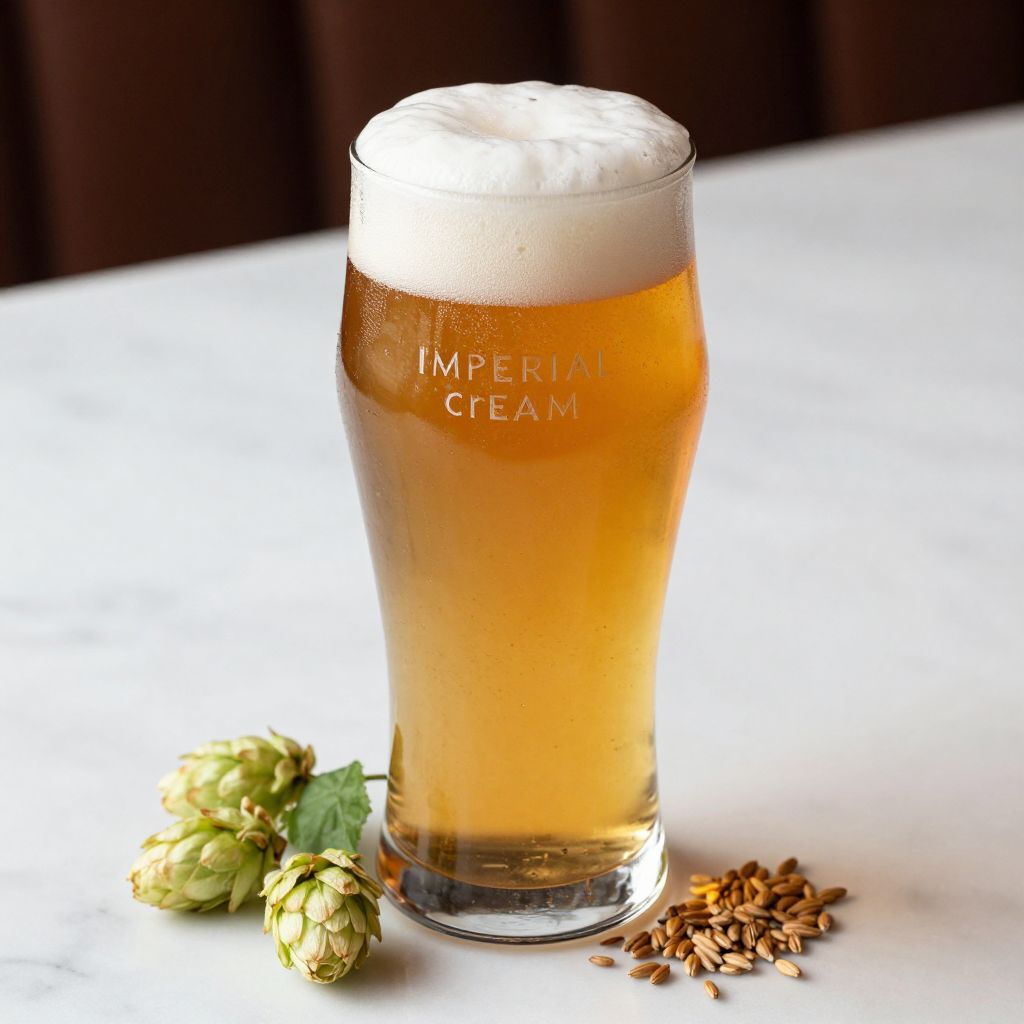
Imperial Cream Ale
Ingredients
Equipment
Method
- Start by thoroughly sanitizing all your brewing equipment.
- Fill your brewing kettle with about 3 gallons of water and heat it to around 165°F.
- Add the crushed Pale Malt, Crystal Malt, and Flaked Corn to the hot water. Stir well and maintain a temperature of about 150°F for 60 minutes.
- After mashing, sparge the grains with an additional 3 gallons of water at about 170°F.
- Bring the collected liquid (wort) to a boil and once boiling, add the Cascade hops for bitterness.
- After boiling for 45 minutes, add the Saaz hops.
- After a total boil time of 60 minutes, cool the wort quickly using a wort chiller or an ice bath.
- Transfer the cooled wort to your fermentation bucket and pitch the yeast. Seal it with an airlock and place it in a dark, cool area for about one to two weeks.