
Picture this: a cozy gathering with friends, laughter filling the air, and the rich aroma of homemade *rakija* wafting through the room. This traditional fruit brandy, often made from plums or grapes, is more than a drink; it’s a time-honored ritual in many cultures, perfect for toasting to life’s little moments. Making *rakija* is not just about fermentation; it’s about infusing your spirit with love and tradition, creating a smooth, flavorful beverage that warms the heart. Let’s dive into the world of *rakija* and discover how easy it is to create this delightful drink right at home!
Why You’ll Love This Recipe
This *rakija* recipe is a family favorite and a wonderful way to celebrate any occasion. It’s simple to make and yields a deliciously potent spirit.
- Rich, fruity flavor that showcases the fruit used.
- Customizable with different fruits and spices.
- Perfect for sharing at gatherings or gifting.
- Creates a warm, inviting atmosphere.
- Easy to make with minimal equipment.
My Experience Making This Recipe
When I first attempted to make *rakija*, I was pleasantly surprised by how straightforward the process was. The moment I poured the first glass, the smoothness and depth of flavor blew my mind.
Friends and family were equally impressed, and every sip brought back memories of celebrations past. It truly felt like capturing a piece of tradition in a bottle.
Recipe Overview
- Recipe Name: Rakija
- Servings: Varies
- Prep Time: 30 minutes
- Cook Time: 4 weeks (fermentation)
- Total Time: 4 weeks and 30 minutes
- Course: Beverage
- Cuisine: Balkan
- Calories per Serving: Varies
Equipment You Will Need
- Fermentation vessel (glass or food-grade plastic)
- Airlock
- Hydrometer
- Distillation apparatus
- Bottles for storage
- Siphoning tube
Ingredients for Rakija
- Fruit: 10 kg of ripe plums or grapes
- Sugar: 1 kg (optional, based on sweetness preference)
- Water: Enough to cover the fruit
- Yeast: 10 g of wine or distilling yeast
Ingredient Notes and Substitutions
- Fruit: Plums are traditional, but you can use apples or pears for a unique twist.
- Sugar: Enhances sweetness; you can skip it for a dryer version.
- Water: Use filtered water for the best flavor.
- Yeast: Distilling yeast provides a cleaner fermentation compared to bread yeast.
How to Make Rakija
Step 1: Prepare the Fruit
Wash and remove any stems or leaves from the fruit. This ensures a cleaner fermentation and prevents unwanted flavors.
Step 2: Mash the Fruit
In a large fermentation vessel, mash the fruit thoroughly. This releases the juices and allows the sugars to ferment effectively.
Step 3: Add Sugar and Water
If using, dissolve the sugar in warm water and add it to the fruit mash. The sugar helps increase the alcohol content and enhances sweetness.
Step 4: Add Yeast
Sprinkle the yeast over the mixture and stir gently. This initiates the fermentation process, converting sugars into alcohol.
Step 5: Seal the Fermentation Vessel
Cover the vessel with an airlock. This allows gases to escape while preventing contamination from outside elements.
Step 6: Ferment
Let the mixture ferment in a dark, cool place for about 4 weeks. Check periodically for bubbling, which indicates active fermentation.
Step 7: Distill the Fermented Mash
Once fermentation is complete, transfer the mash to your distillation apparatus. This step concentrates the alcohol and flavors.
Step 8: Bottle the Rakija
After distillation, siphon the *rakija* into clean bottles. Seal tightly and allow it to age for smoother flavor.
Pro Tip: Allow your *rakija* to age for at least a month for the best flavor development.
Tips for the Best Rakija
- Use fully ripe fruit for a richer flavor.
- Monitor the fermentation temperature for optimal yeast activity.
- Don’t rush the distillation process; patience pays off.
- Experiment with different fruits for unique flavors.
- Store your *rakija* in a cool, dark place to maintain quality.
Common Mistakes to Avoid
- Using unripe fruit can lead to off-flavors.
- Skipping the sanitization process can introduce unwanted bacteria.
- Distilling too quickly can result in harsh flavors.
- Not letting it age long enough may lead to a raw taste.
Serving Suggestions
Serve *rakija* chilled or at room temperature for the best experience. It pairs wonderfully with hearty dishes and festive gatherings.
- Charcuterie boards with cured meats and cheeses.
- Grilled meats and vegetables.
- Traditional Balkan pastries.
- Fresh fruits to complement the flavors.
Variations to Try
- Add spices like cinnamon or cloves for a warm twist.
- Try different fruits like cherries or apricots for unique flavors.
- Infuse with herbs like rosemary or mint for a refreshing taste.
- Experiment with aging in different types of barrels for richer complexity.
Dietary Adaptations
- Gluten-free: *Rakija* is naturally gluten-free as it contains no grains.
- Dairy-free: This recipe contains no dairy ingredients.
- Vegan/vegetarian: All ingredients are plant-based and suitable for vegans.
- Low-carb/keto: Limit sugar for a keto-friendly version.
Storage and Reheating
Refrigerator
Store *rakija* in a cool area, ideally at room temperature.
- Keep it sealed tightly in dark glass bottles.
- Do not refrigerate as it can affect the flavor.
Freezer
*Rakija* can be stored in the freezer, but it typically doesn’t freeze due to alcohol content.
- Ensure it has room to expand in the bottle.
- Chilling enhances its smoothness when served.
Reheating
Reheating is generally not recommended as it alters the flavor. Serve at room temperature for the best experience.
- Warm slightly if desired, but avoid boiling.
Nutrition Information
| Nutrient | Amount |
|---|---|
| Calories | 150 |
| Total Fat | 0 g |
| Saturated Fat | 0 g |
| Carbohydrates | 1 g |
| Fiber | 0 g |
| Sugar | 0 g |
| Protein | 0 g |
| Sodium | 0 mg |
| Cholesterol | 0 mg |
This information is estimated and can vary based on the fruit used and sugar content.
Frequently Asked Questions
Can I use any fruit for *rakija*?
Yes, while plums are traditional, you can experiment with apples, cherries, or grapes.
How long can I store *rakija*?
*Rakija* can be stored indefinitely if kept in a cool, dark place.
Can I make *rakija* without distilling?
Fermented fruit mash can be enjoyed as is, but it won’t have the same potency as distilled *rakija*.
What should I do if my *rakija* tastes harsh?
Allow it to age longer, as this can smooth out harsh flavors significantly.
Is it possible to make *rakija* without sugar?
Yes, you can omit sugar for a more natural fruit flavor, but it may have a lower alcohol content.
Final Thoughts
Making *rakija* is a rewarding experience that connects you to centuries of tradition. I encourage you to give this recipe a try and share the fruits of your labor with friends and family.
For more delightful beverage recipes, check out my take on Mama Juana or explore the intriguing Fruit Moonshine Mash. Cheers to your homemade adventures!
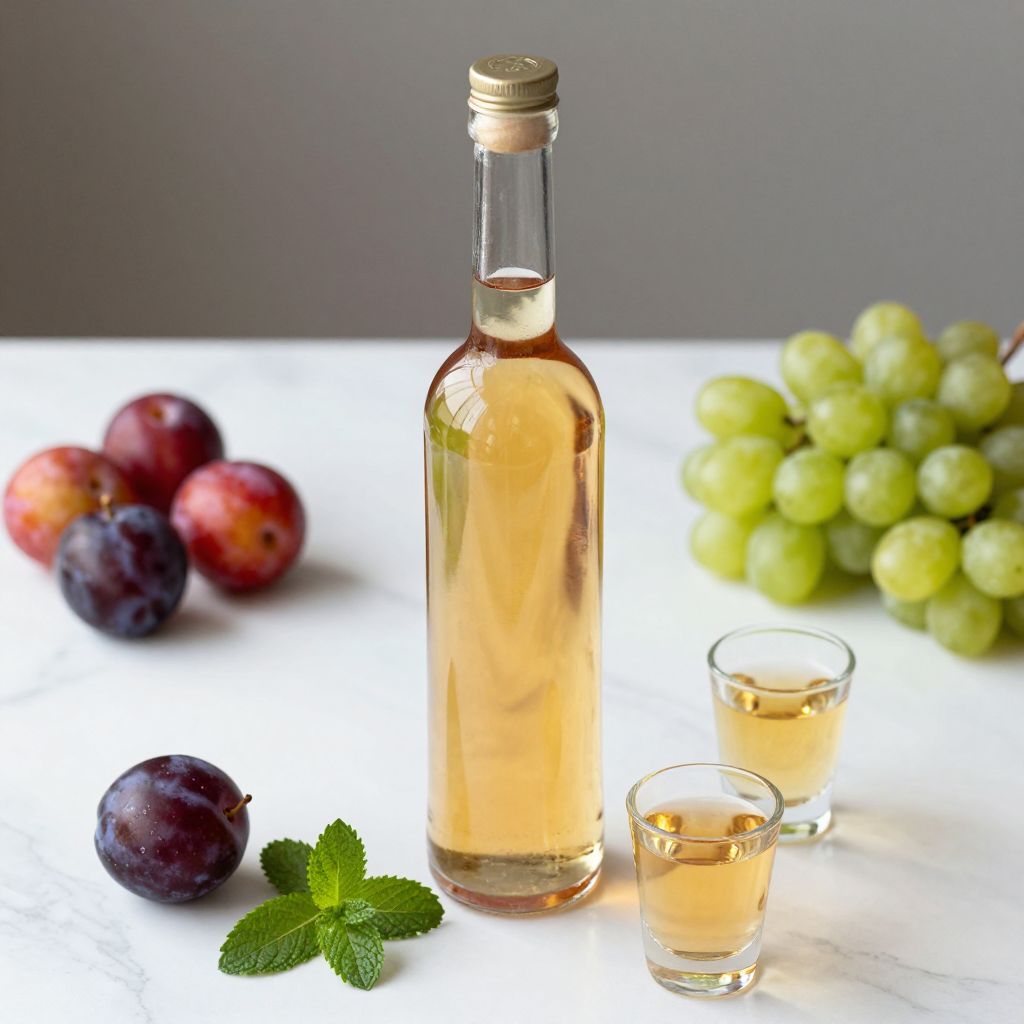
Rakija
Ingredients
Equipment
Method
- Wash and remove any stems or leaves from the fruit.
- In a large fermentation vessel, mash the fruit thoroughly.
- If using, dissolve the sugar in warm water and add it to the fruit mash.
- Sprinkle the yeast over the mixture and stir gently.
- Cover the vessel with an airlock.
- Let the mixture ferment in a dark, cool place for about 4 weeks.
- Once fermentation is complete, transfer the mash to your distillation apparatus.
- After distillation, siphon the rakija into clean bottles.
- Seal tightly and allow it to age for at least a month for smoother flavor.