
There’s nothing quite like the comforting aroma of warm apples and spices wafting through your home, especially when you’re crafting your very own batch of Apple Mead. This delightful drink combines the sweetness of apples with the rich complexity of honey, creating a unique beverage perfect for cozy evenings or festive gatherings. With its crisp flavor and smooth finish, this mead is sure to impress friends and family alike. So, let’s gather our ingredients and get started on this delicious adventure!
Why You’ll Love This Recipe
This recipe is a fantastic way to explore homemade beverages with minimal fuss.
- Simple and straightforward process, ideal for beginners.
- Deliciously sweet and tangy flavor profile.
- Perfect for sharing at gatherings or enjoying solo.
- Can be customized with spices or additional fruits.
My Experience Making This Recipe
Making Apple Mead was a delightful experience that filled my kitchen with a warm, inviting aroma. I remember the first time I took a sip of my creation; the balance of sweetness and slight tartness was nothing short of magical.
Friends were intrigued, and I loved sharing my mead at gatherings. Watching their reactions as they tasted something homemade and unique was truly rewarding.
Recipe Overview
- Recipe Name: Apple Mead
- Servings: About 12
- Prep Time: 30 minutes
- Cook Time: 5 minutes
- Total Time: 1-2 weeks (fermentation not included)
- Course: Beverage
- Cuisine: Homemade
- Calories per Serving: Approximately 150
Equipment You Will Need
- 1-gallon glass carboy or fermentation jug
- Airlock and stopper
- Large pot
- Funnel
- Sanitizer (e.g., Star San)
- Spoon for stirring
- Hydrometer (optional, for measuring specific gravity)
Ingredients for Apple Mead
- 1 gallon of apple juice (preferably no preservatives)
- 2 cups of honey
- 1 teaspoon of cinnamon (optional)
- 1/2 teaspoon of nutmeg (optional)
- 1 packet of mead or champagne yeast
Ingredient Notes and Substitutions
- Apple juice: Provides the base flavor. You can use fresh-pressed juice or store-bought.
- Honey: Adds sweetness and complexity. Maple syrup can be used for a different flavor.
- Cinnamon and nutmeg: Enhance the flavor profile. Feel free to omit if you prefer a cleaner taste.
- Yeast: Essential for fermentation. Any wine or champagne yeast works well.
How to Make Apple Mead
Step 1: Sanitize Your Equipment
Start by sanitizing all your equipment. This step is crucial to prevent any unwanted bacteria from spoiling your mead.
Step 2: Heat the Honey
In a large pot, gently heat 2 cups of honey with a small amount of apple juice. This will help the honey dissolve more easily without boiling it, which can change its flavor.
Step 3: Mix the Juices
Once the honey is dissolved, add the rest of the apple juice to the pot. Stir well to combine all the flavors.
Step 4: Add Spices (Optional)
If you’re using cinnamon and nutmeg, add them now. These spices will infuse your mead with warm, cozy flavors.
Step 5: Cool the Mixture
Allow the mixture to cool to room temperature. This is important because adding yeast to a hot solution can kill it, preventing fermentation.
Step 6: Pitch the Yeast
Once cooled, sprinkle the yeast over the surface of the liquid. There’s no need to stir it in; just let it rehydrate and find its way into the mix.
Step 7: Transfer to Fermentation Vessel
Using a funnel, carefully transfer the mixture into your sanitized fermentation jug. Leave some space at the top for bubbling during fermentation.
Step 8: Seal and Ferment
Fit the airlock and stopper onto the jug. Place it in a cool, dark place, and let it ferment for about 1-2 weeks, or until bubbling stops.
Pro Tip: Always taste your mead before bottling; you can adjust sweetness by adding more honey if needed.
Tips for the Best Apple Mead
- Use high-quality apple juice for the best flavor.
- Experiment with different types of honey for unique flavor profiles.
- Monitor fermentation temperature; too hot can lead to off-flavors.
- Be patient; good mead takes time to develop its flavor.
- Bottle your mead in clean, sanitized bottles to preserve freshness.
Common Mistakes to Avoid
- Skipping sanitation can lead to spoiled mead.
- Using pasteurized juice may affect fermentation; opt for preservative-free.
- Fermenting at too high a temperature can produce off-flavors.
- Not allowing enough time for fermentation and aging can result in a harsh taste.
Serving Suggestions
Enjoy your Apple Mead chilled or at room temperature for the best experience.
- Pairs beautifully with cheese platters.
- Great as a refreshing summer drink.
- Serve alongside roasted meats for a delightful contrast.
- Mix with sparkling water for a fizzy twist.
Variations to Try
- Add ginger for a spicy kick.
- Incorporate other fruits like pears or berries for a twist.
- Infuse with herbs like mint or thyme for added depth.
- Experiment with different types of honey, such as wildflower or clover.
Dietary Adaptations
- Gluten-free: This recipe is naturally gluten-free.
- Dairy-free: No dairy ingredients are used.
- Vegan: Use plant-based honey alternatives like agave syrup.
- Low-carb/keto: Adjust honey amounts to reduce carbs, but fermentation may be affected.
Storage and Reheating
Refrigerator
Store your mead in the refrigerator once fermentation is complete.
- Keep in a sealed bottle to preserve flavor.
- Consume within 6 months for optimal taste.
Freezer
Freezing is not recommended as it can alter the flavor and texture.
- Instead, store in a cool dark place to maintain quality.
Reheating
If you prefer warm mead, gently heat in a pot without boiling.
- Serve warm with spices for a cozy drink.
Nutrition Information
| Nutrient | Amount |
|---|---|
| Calories | 150 |
| Total Fat | 0g |
| Saturated Fat | 0g |
| Carbohydrates | 37g |
| Fiber | 0g |
| Sugar | 32g |
| Protein | 0g |
| Sodium | 10mg |
| Cholesterol | 0mg |
This nutritional information is approximate and can vary based on the exact ingredients used.
Frequently Asked Questions
Can I substitute honey with sugar?
Yes, you can use sugar, but it will change the flavor profile. Honey adds a unique complexity that sugar doesn’t replicate.
Can I make this mead ahead of time?
Absolutely! Mead improves with age, so making it a few months in advance is ideal.
How should I store leftover mead?
Store it in a sealed bottle in the refrigerator for optimal freshness.
What should I do if my mead is too sweet?
If it’s too sweet, you can dilute it with water or let it ferment longer if it hasn’t finished.
Can I carbonate my mead?
Yes, you can carbonate by adding priming sugar before bottling, but be cautious to avoid over-carbonation.
Final Thoughts
Making your own Apple Mead is a rewarding experience that brings a taste of homemade goodness to your table. With a little patience and creativity, you’ll have a delightful drink that makes every gathering special.
So why not give this recipe a try? You might also enjoy exploring other delightful beverages like the best mead recipe or a refreshing strawberry mead recipe for a fruity twist.
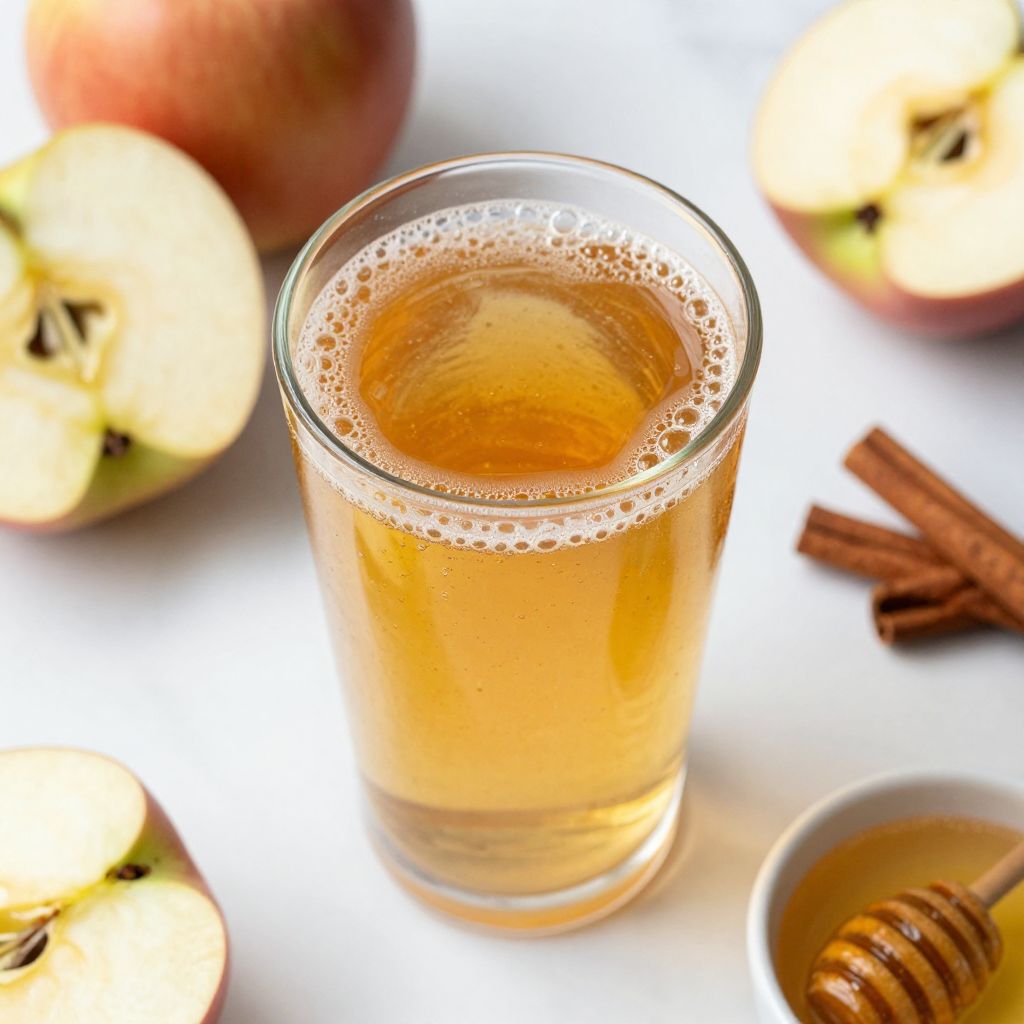
Apple Mead
Ingredients
Equipment
Method
- Sanitize all your equipment to prevent any unwanted bacteria.
- In a large pot, gently heat 2 cups of honey with a small amount of apple juice until dissolved.
- Once the honey is dissolved, add the rest of the apple juice to the pot and stir well to combine.
- If using, add cinnamon and nutmeg to the mixture.
- Allow the mixture to cool to room temperature.
- Sprinkle the yeast over the surface of the cooled mixture.
- Using a funnel, transfer the mixture into your sanitized fermentation jug.
- Fit the airlock and stopper onto the jug and place it in a cool, dark place.
- Let it ferment for about 1-2 weeks, or until bubbling stops.