
Picture this: a warm summer evening, the sun dipping below the horizon, and the sweet aroma of ripe peaches filling the air. Making your own Homemade Peach Wine not only captures that essence but also brings a touch of magic to your gatherings. This recipe is truly special because it transforms simple ingredients into a refreshing, fruity wine that is perfect for sipping on a sunny day or sharing with friends. Plus, the process is surprisingly straightforward, allowing you to customize the flavor to your liking. Let’s dive into the delightful world of peach wine!
Why You’ll Love This Recipe
This homemade peach wine is a fantastic way to celebrate the season! Here’s why you’ll adore it:
- Rich and fruity flavor that captures summer.
- Easy to make with minimal ingredients.
- Customizable sweetness to suit your taste.
- Perfect for special occasions or casual sipping.
- Impressive enough to share with friends.
My Experience Making This Recipe
As I stood in my kitchen, the sweet scent of peaches wafted through the air, instantly transporting me to my childhood summers. The excitement of watching the fermentation process unfold was like a science experiment, but with a delicious reward at the end.
When I finally tasted the finished product, I was amazed by the depth of flavor. Each sip was a beautiful reminder of sunny days and warm nights, making it a hit at my last gathering. Everyone wanted to know my secret, and I couldn’t help but smile knowing the simple joy of home winemaking!
Recipe Overview
- Recipe Name: Homemade Peach Wine
- Servings: Approximately 5 bottles
- Prep Time: 30 minutes
- Cook Time: 4-6 weeks (fermentation)
- Total Time: 4-6 weeks plus bottling
- Course: Beverage
- Cuisine: American
- Calories per Serving: Approximately 120
Equipment You Will Need
- Primary fermentation vessel (5-gallon bucket)
- Glass carboy (for secondary fermentation)
- Airlock and bung
- Hydrometer
- Pot for boiling
- Fine mesh strainer or cheesecloth
- Bottles and corks for storage
- Spoon for stirring
Ingredients for Homemade Peach Wine
- 5 lbs ripe peaches, washed and chopped
- 2 lbs sugar
- 1 tsp acid blend
- 1/4 tsp pectic enzyme
- 1/4 tsp campden tablets (optional, for sanitation)
- 1 packet wine yeast (such as Montrachet)
- 1 gallon water
Ingredient Notes and Substitutions
- Peaches: Create a fresh and fruity base; use other stone fruits like apricots if desired.
- Sugar: Balances acidity; honey or agave can substitute but may alter flavor.
- Acid blend: Enhances flavor; lemon juice can work in a pinch.
- Pectic enzyme: Aids in clarity; can be omitted if not available.
- Wine yeast: Ensures fermentation; bread yeast can be used but won’t yield the same results.
How to Make Homemade Peach Wine
Step 1: Prepare the Peaches
Start by washing and chopping the peaches. This releases their juices, which is essential for flavor.
Step 2: Create the Must
In a large pot, combine the chopped peaches and 1 gallon of water. Heat gently to extract the flavors without boiling.
Step 3: Add Sugar and Acid Blend
Stir in the sugar and acid blend until fully dissolved. This creates a sweet base that enhances fermentation.
Step 4: Cool and Add Yeast
Allow the mixture to cool to room temperature before adding the yeast. High temperatures can kill the yeast, disrupting fermentation.
Step 5: Ferment in Primary Vessel
Transfer the must to your primary fermentation vessel. Cover with a clean cloth and let it sit for 5-7 days, stirring daily.
Step 6: Strain and Transfer
After a week, strain the mixture through a fine mesh strainer or cheesecloth into a glass carboy. This separates the liquid from the solids.
Step 7: Secondary Fermentation
Seal the carboy with an airlock and let it ferment for 4-6 weeks. This is where the magic happens, and carbon dioxide escapes safely.
Step 8: Bottle the Wine
Once fermentation is complete, siphon the wine into clean bottles and cork them. Patience is key here; let the wine age for at least a month for the best flavor.
Pro Tip: Always sanitize your equipment before use to avoid unwanted bacteria.
Tips for the Best Homemade Peach Wine
- Use ripe, aromatic peaches for the best flavor.
- Monitor fermentation temperature; a stable environment yields better results.
- Experiment with adding spices like cinnamon for a unique twist.
- Ensure all equipment is sanitized to prevent spoilage.
- Be patient; quality wine improves with age.
Common Mistakes to Avoid
- Not using ripe peaches can lead to dull flavor.
- Skipping the fermentation lock can cause contamination.
- Using tap water with chlorine will affect the yeast.
- Overlooking sanitation can spoil the batch.
- Rushing the aging process may yield harsh flavors.
Serving Suggestions
Homemade peach wine is delightful on its own but pairs beautifully with various dishes. Here are some great options:
- Grilled chicken or pork for a sweet contrast.
- Cheese platters, especially with brie or goat cheese.
- Light salads with fruity dressings.
- Spicy Asian dishes to balance the heat.
- Fruit-based desserts for a harmonious finish.
Variations to Try
- Mix in other fruits like berries for a blended flavor.
- Add herbs like basil or mint for a refreshing twist.
- Try different types of sugars for unique sweetness profiles.
- Experiment with different yeasts for varied taste notes.
- Infuse with spices like vanilla or allspice for complexity.
Dietary Adaptations
- Gluten-free: This recipe is naturally gluten-free.
- Dairy-free: No dairy ingredients are included.
- Vegan: All plant-based ingredients make it vegan-friendly.
- Low-carb/keto: Reduce sugar for a lower-carb option, but it may affect fermentation.
Storage and Reheating
Refrigerator
Store bottles upright in a cool, dark place. This helps maintain the wine’s flavor and quality.
- Serve chilled for a refreshing taste.
- Keep away from light and heat sources.
Freezer
Freezing wine is not recommended as it can alter the flavor and texture. However, you can freeze small amounts for cooking.
- Use ice cube trays for easy portioning.
Reheating
There’s no need to reheat wine; it’s best enjoyed chilled. If you must warm it, do so gently to avoid altering the taste.
- Never boil the wine, as this will ruin its flavor.
Nutrition Information
| Nutrient | Amount |
|---|---|
| Calories | 120 |
| Total Fat | 0g |
| Saturated Fat | 0g |
| Carbohydrates | 30g |
| Fiber | 0g |
| Sugar | 26g |
| Protein | 0g |
| Sodium | 0mg |
| Cholesterol | 0mg |
This information is an estimate and can vary based on specific ingredients used.
Frequently Asked Questions
Can I use frozen peaches for this recipe?
Yes, frozen peaches work well, but thaw them first to release moisture.
How long can I store the wine?
Homemade peach wine can be stored for up to a year if kept in a cool, dark place.
Can I make this wine without sugar?
Sugar is essential for fermentation, but you can use alternatives like honey or agave.
What should I do if the wine doesn’t ferment?
Check the yeast and temperature; sometimes, a new packet of yeast is needed.
Is it possible to carbonate the peach wine?
Yes, you can carbonate it during bottling, but be careful with the pressure build-up.
Final Thoughts
Making your own Homemade Peach Wine is rewarding and fun. With just a few simple steps, you can create a delicious beverage that captures the essence of summer.
So what are you waiting for? Gather those peaches and get started on a delightful project that will impress everyone!
For more delightful recipes, explore this homemade wine recipe or try this strawberry wine recipe.
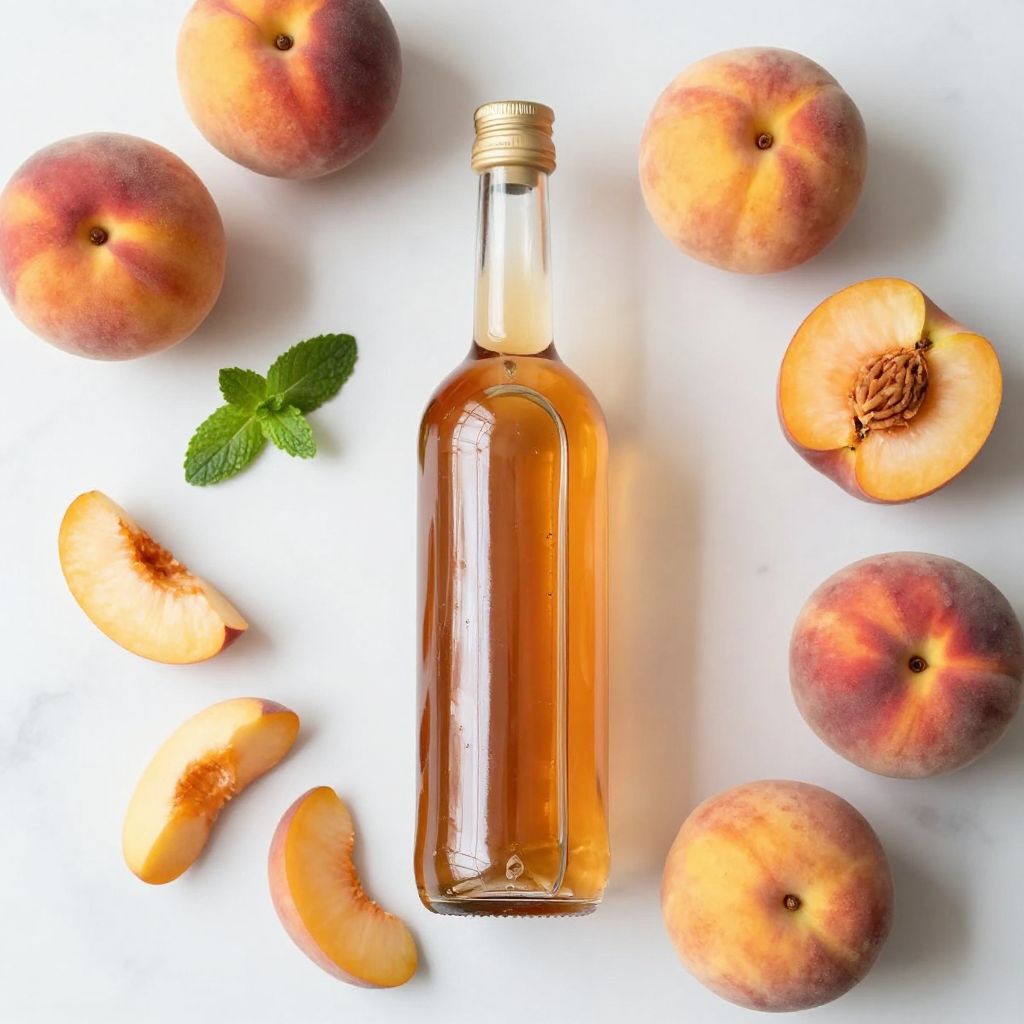
Homemade Peach Wine
Ingredients
Equipment
Method
- Wash and chop the peaches.
- In a large pot, combine the chopped peaches and 1 gallon of water. Heat gently to extract the flavors without boiling.
- Stir in the sugar and acid blend until fully dissolved.
- Allow the mixture to cool to room temperature before adding the yeast.
- Transfer the must to your primary fermentation vessel. Cover with a clean cloth and let it sit for 5-7 days, stirring daily.
- After a week, strain the mixture through a fine mesh strainer or cheesecloth into a glass carboy.
- Seal the carboy with an airlock and let it ferment for 4-6 weeks.
- Once fermentation is complete, siphon the wine into clean bottles and cork them. Let the wine age for at least a month.