
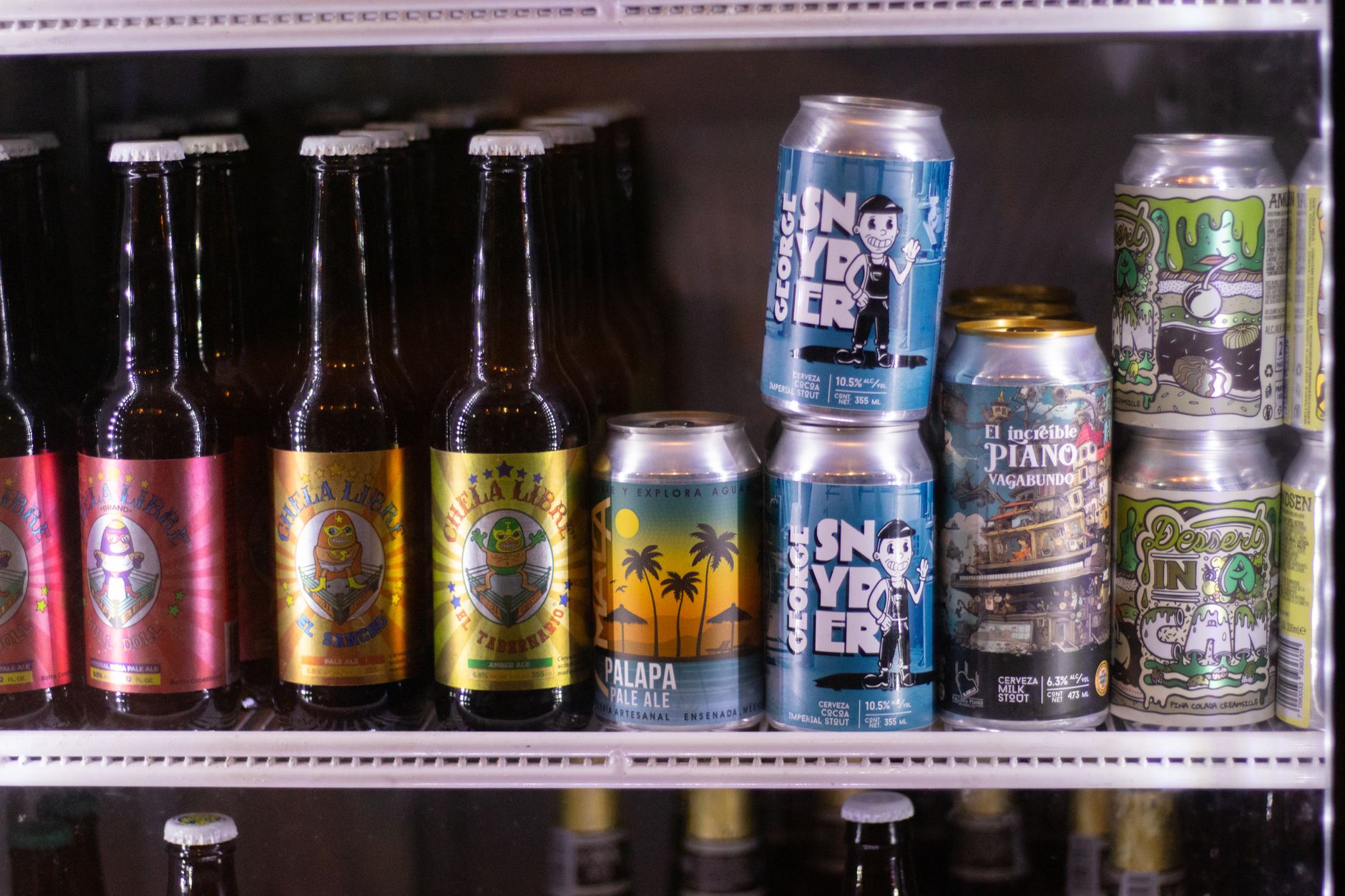
Beer in a blue can is one of the most recognizable symbols in the world of beer. Its vibrant color and unique branding often make it stand out in a sea of gold and brown cans. This article delves into the significant aspects of beer in a blue can, covering flavor profiles, popular brands, styles, and the culture surrounding them. From choosing the right beer to pairing it with food, everything you need to know about enjoying this classic beverage is included.
For many, beer in a blue can evokes nostalgia and a sense of camaraderie. It is available in various styles, ranging from lagers to IPAs, making it versatile and suitable for any occasion. Whether you’re at a backyard barbecue, camping by a fire, or just unwinding at home, understanding the nuances of beer in a blue can can enhance your drinking experience.
What Types of Beer Come in a Blue Can?
There are several styles of beer that are commonly found in blue cans. Here are some of the most popular ones:
- Lagers: Crisp and refreshing, lagers are the most common type of beer found in blue cans. They are known for their smooth finish and mild flavor, making them a popular choice.
- Pale Ales: Known for their hoppy flavor, pale ales often have a fruity aroma and a balanced malt profile. They can be enjoyed by both casual and seasoned beer drinkers.
- IPAs (India Pale Ales): This style has seen a surge in popularity, and many IPAs are now available in blue cans. They feature a higher alcohol content and a bold hop flavor that appeals to craft beer enthusiasts.
- Wheat Beers: These beers are brewed with a significant proportion of wheat, giving them a cloudy appearance and refreshing taste. They often have citrusy and spicy notes.
- Stouts and Porters: Although less common, some stouts and porters may come in a blue can. These dark beers are rich and flavorful, often containing hints of chocolate or coffee.
Popular Brands Offering Beer in a Blue Can
When it comes to beer in a blue can, several popular brands are known for their distinct offerings:
- Bud Light: This light lager is perhaps the most well-known beer in a blue can. It is low in calories but still offers a crisp taste.
- Coors Light: Another popular choice, this American lager is recognized for its refreshing flavor and the iconic blue mountains depicted on its can.
- Blue Moon: This Belgian-style wheat ale is often recognized for its distinctive flavor profile. It is frequently served with an orange slice to enhance its citrus notes.
- Busch Light: A step down in terms of calorie count, this light lager is ideal for outdoor activities and casual gatherings.
- Natty Light: Known for its affordability, this light beer appeals to a younger demographic and is a staple at parties.
Flavor Profiles of Beer in a Blue Can
The flavor profile of a beer in a blue can varies widely depending on the specific style and brand. Here are some common flavor notes associated with popular beers in this category:
- Citrus: Many IPAs and wheat beers carry prominent citrus notes, offering a refreshing experience that pairs well with lighter foods.
- Malt: Malt flavors can range from sweet and bready to nutty and caramel-like, common in many lagers and stouts.
- Hops: The bitterness of hops is particularly prevalent in pale ales and IPAs, contributing to their bold flavor profile.
- Fruity: Some wheat beers and ales may carry fruity esters, adding layers of complexity to the overall flavor.
How to Choose the Right Beer in a Blue Can
Selecting the right beer can make or break your drinking experience. Here are some tips for choosing the best beer in a blue can:
- Consider the Occasion: Different styles suit different occasions. A light lager is often best for casual gatherings, while a rich stout might be preferred for a cold evening by the fire.
- Check the Alcohol Content: Be aware of the ABV (alcohol by volume) listed on the can. It indicates the strength and helps plan how much you’ll consume.
- Know Your Preferences: If you enjoy hoppy flavors, opt for an IPA. If you prefer something lighter, a lager or wheat beer may be better suited.
- Read Reviews and Recommendations: Online reviews and recommendations from friends can provide insight into what beers other people enjoy.
Food Pairings with Beer in a Blue Can
Food pairing enhances the overall experience of enjoying a beer. Here are some suggestions for food pairings with popular types of beer in blue cans:
Lagers
- Pizza
- Grilled Chicken
- Burgers
Pale Ales
- Spicy Tacos
- Fish and Chips
- Barbecue Ribs
IPAs
- Indian Curry
- Cheese Plates
- Grilled Shrimp
Wheat Beers
- Salads
- Sushi
- Fruit Desserts
Stouts and Porters
- Chocolate Desserts
- Roast Meats
- Cheesecakes
Craft vs. Mass-Produced Beer in Blue Cans
The craft beer movement has significantly shifted the beer landscape, leading to a greater variety of options in many styles and packaging. Here’s a comparison between craft and mass-produced beers found in blue cans:
Craft Beer
- Unique flavors and seasonal offerings
- Smaller batch production
- Emphasis on quality ingredients and brewing techniques
Mass-Produced Beer
- Consistency in flavor and quality
- Widely available and usually affordable
- Focus on broad market appeal
While craft beers often offer unique profiles, mass-produced beers in blue cans provide reliability and familiarity that many drinkers appreciate.
Popular Blue Can Beer Cultures
Different regions and cultures have developed unique traditions around beer consumption, and blue can beers are no exception. Here are some notable beer cultures influenced by this classic packaging:
- American Barbecue Culture: Beer is a staple at barbecues, where people enjoy pairing it with grilled meats and side dishes.
- Beach and Outdoor Activities: Many people embrace beer in blue cans during beach trips, tailgating, and camping, where the packaging’s portability is a plus.
- Sports Events: Beer in blue cans, particularly lagers and light beers, are often consumed during tailgates and game days, fostering social interactions.
Storing Beer in a Blue Can
Proper storage of beer can enhance its lifespan and maintain flavor. Here are essential tips for storing beer in a blue can:
- Keep It Cool: Beer should not be exposed to excessive heat or light. Ideal storage conditions are in a cool, dark place away from sunlight.
- Upright Position: Store beer cans upright to prevent the beer from coming into contact with the can’s lid, which can alter the flavor over time.
- Check Expiry Dates: Always pay attention to the canned-on or expiration date stamped on the can to ensure maximum freshness.
Common Mistakes When Drinking Beer in a Blue Can
To ensure you get the most out of your beer in a blue can, avoid these common mistakes:
- Serving Temperature: Not serving beer at its optimal temperature can mask its flavors. Each style has a recommended temperature range, so check those before serving.
- Using the Wrong Glass: Drinking straight from the can might be convenient, but using the appropriate glass can enhance aromas and flavors.
- Not Pairing with Food: Enjoying beer alone can be pleasant, but pairing it with food can elevate the tasting experience. Make sure to consider complementary food options.
Conclusion
Beer in a blue can is more than just a beverage; it represents social interactions, diverse flavors, and a range of styles that cater to various preferences and occasions. Whether you gravitate towards the crispness of a lager or the boldness of an IPA, there’s a blue can beer waiting to suit your gatherings.
To enhance your knowledge further, consider exploring related topics such as Black and Tan Beer Recipe and Hazy IPA Recipe, which can add more flavors and styles to your beer repertoire.